

Do baby bath time tips really help calm fussy newborns?
Yes. Practical baby bath time tips can make bathing safer, more comfortable, and less stressful for both babies and parents. Simple adjustments—such as keeping the room warm, using the correct water temperature, supporting your baby's head and neck securely, and following a consistent routine—often reduce crying and help newborns feel more relaxed during bath time.
⏱ 12 min read
Newborn Bath Time Tips: A Safe Step-by-Step Guide for First-Time Parents
These newborn bath time tips are designed to help first-time parents bathe their baby safely and confidently. Whether you're learning how to bathe a newborn , wondering does newborn need bath everyday , or searching for practical baby bath time tips because my newborn hates bath time , this guide explains the essentials in a simple, evidence-informed way.
Curious which gentle bath toys may help keep your baby engaged during bath time? Learn which features parents value most.
Why bath time feels hard for many parents
Bathing a newborn can feel intimidating because it combines several responsibilities at once—keeping your baby warm, supporting a slippery body, and handling delicate skin safely. For newborns, unfamiliar sensations such as water, temperature changes, bright lighting, and being undressed can trigger crying even when nothing is wrong.
Fortunately, fussiness during baths is common and usually improves as babies become familiar with the routine. Rather than seeing crying as a sign your baby dislikes bathing, it often helps to view it as communication that something in the environment—such as temperature, timing, or handling—may need a small adjustment.
Quick answer: What truly helps
Short answer: The most effective baby bath time tips focus on four fundamentals:
- Keep both the room and bath water comfortably warm.
- Prepare all supplies before placing your baby in the bath.
- Support your baby's head and neck throughout the bath.
- Keep the routine short, gentle, and consistent.
Most newborn baths only need to last about 5–10 minutes. A predictable sequence helps babies gradually associate bath time with comfort rather than stress.
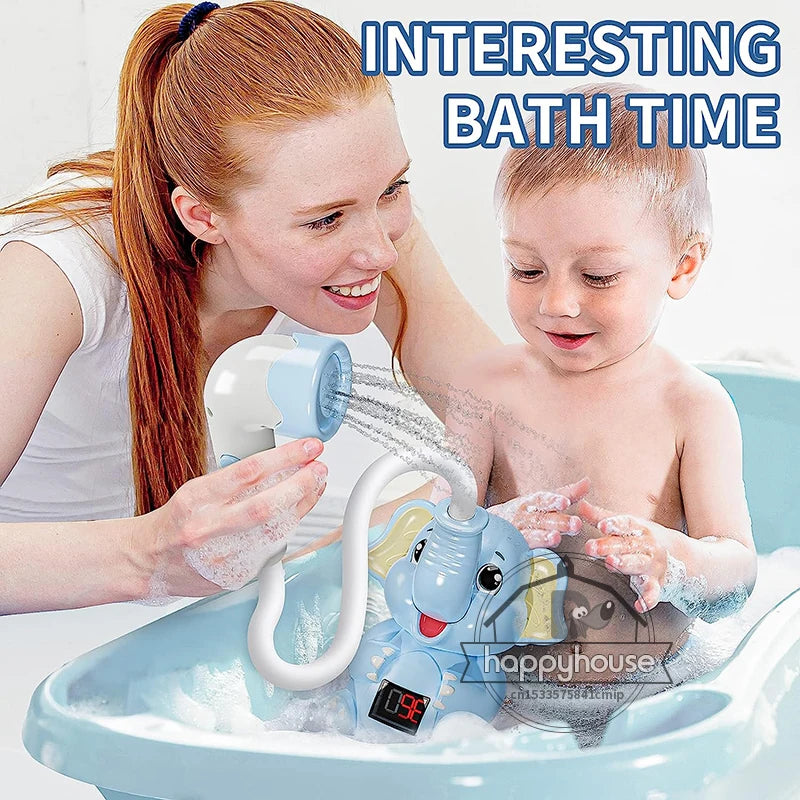
baby bath time tips + my newborn hates bath time — See it in action
How to set up a calm bath (step-by-step)
Good preparation is one of the easiest ways to reduce stress during newborn bath time. Before undressing your baby, make sure the environment is warm, safe, and everything you need is within reach.
- Warm the room to approximately 26–28°C to help prevent your baby from becoming chilled.
- Fill the tub with warm water and check the temperature using a Temperature Tools device or your wrist. Aim for approximately 36–37°C.
- Place a towel, clean diaper, fresh clothes, mild cleanser, and any other essentials nearby before starting.
- Keep your baby wrapped in a warm towel until you're ready to gently lower them into the water.
- Support your baby's head and neck securely with one hand while speaking calmly or singing softly throughout the bath.
- Wash gently, beginning with the face before cleaning the neck folds, body, diaper area, and scalp using light, gentle strokes.
- Lift your baby out promptly, wrap them in a dry towel, gently pat the skin dry, and continue with feeding, cuddling, or quiet time as part of a consistent routine.
Why this order works
Preparing everything in advance minimizes interruptions, helps maintain your baby's body temperature, and reduces the amount of time spent in the bath. A calm, predictable sequence also helps parents feel more confident, which can make the experience more reassuring for newborns.
Daily Safety Checks & Temperature Tools
Taking a minute to prepare before every bath helps prevent accidents and creates a calmer experience for both you and your baby. A consistent safety check is especially valuable during the newborn stage, when babies cannot regulate their body temperature well and require constant support.
Before every bath, confirm the following:
- Water temperature is approximately 36–37°C for a comfortable newborn bath.
- The room is warm, dry, and free from drafts.
- Soap, shampoo, towels, clean clothes, and diapers are within arm's reach.
- No small objects or loose containers are placed where your baby could accidentally contact them.
- Your baby is never left unattended, even for a moment.
A bath thermometer can make temperature checks more accurate than relying on touch alone. Using a simple temperature tool reduces guesswork and helps avoid sudden discomfort caused by water that is too hot or too cool.
Does Newborn Need Bath Everyday?
Short answer: No. Most healthy newborns only need a full bath two to three times per week . Between baths, gently cleaning the face, neck folds, hands, and diaper area keeps babies clean while helping protect their naturally sensitive skin.
Why fewer baths can be better
Newborn skin is thinner and more delicate than adult skin. Frequent bathing may remove the natural oils that protect the skin barrier, leading to dryness or irritation. Short baths with mild, fragrance-free cleansers are generally more beneficial than daily soaking.
When to bathe more often
Additional cleaning may be appropriate when your baby:
- Has a diaper blowout or significant spit-up.
- Has visible dirt, sweat, or milk residue on the skin.
- Has a skin condition that requires a bathing schedule recommended by a pediatrician.
Build a Predictable Bath Routine
A consistent routine helps many newborns recognize that bath time is part of a calm evening schedule. While every family is different, keeping the order of activities similar each time can make baths feel more familiar over the following weeks.
- Feed your baby, or wait approximately 20–30 minutes after feeding if reflux is a concern.
- Dim the lights and create a quiet, comfortable environment.
- Give a gentle bath lasting about 5–10 minutes.
- Pat your baby dry, dress them in clean clothes, and apply moisturizer only if recommended for dry skin.
- Finish with cuddling, feeding if needed, or another calming bedtime activity.
Troubleshooting: When Baby Still Cries
Some newborns continue to fuss despite careful preparation. Crying does not necessarily mean your baby dislikes baths permanently. Small adjustments often make a noticeable difference after several bathing sessions.
- Shorten the bath: Keep the bath brief and focus on cleaning essential areas before your baby becomes overtired or cold.
- Adjust the lighting: Softer lighting may help babies who are sensitive to bright environments.
- Introduce comforting touch: Gentle skin-to-skin contact before or immediately after the bath may help your baby feel secure.
- Experiment with timing: If bathing immediately before or after feeding causes fussiness, try moving bath time earlier or later by 20–30 minutes.
If your baby consistently cries intensely during every bath, refuses to settle, or seems uncomfortable even after adjusting the routine, discuss the issue with your pediatrician to rule out an underlying medical concern.
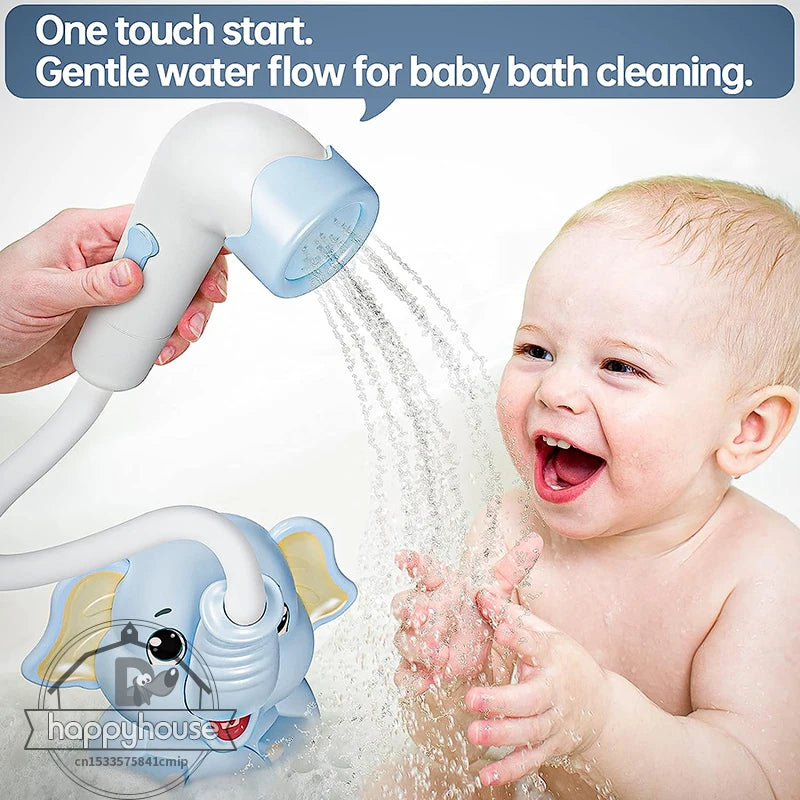
newborn bath time tips + does newborn need bath everyday — See it in action
Why Certain Bath Products Can Support a Safer Newborn Bath
Bath accessories cannot replace safe bathing techniques, but thoughtfully designed products can make routine tasks easier for caregivers. The most useful items improve safety, reduce unnecessary handling, and help parents maintain a comfortable bathing environment without adding unnecessary complexity.
Evidence-based features to look for
- Temperature indicators: Built-in or separate thermometers help maintain water at an appropriate temperature.
- Secure newborn support: Bath supports should help stabilize your baby's head and body while still requiring active adult supervision.
- Easy-to-clean materials: Quick-drying, washable surfaces help reduce moisture buildup and simplify hygiene.
- Simple sensory engagement: Gentle visual or tactile stimulation may help some babies remain calm without overwhelming them.
For babies who become distressed during bathing, one familiar object may provide gentle distraction. If you choose to use a bath toy, keep it simple and age-appropriate. One option is this gentle elephant bath toy , which is designed to complement—not replace—safe handling and close supervision.
How to Wash Newborn Skin Gently (Step-by-Step)
Newborn skin is delicate and only requires gentle cleansing. Using light pressure and a mild, fragrance-free cleanser helps remove milk, sweat, and dirt while preserving the skin's natural protective barrier.
- Use a small amount of mild, fragrance-free baby cleanser only when needed.
- Clean the face and around the eyes first with a soft, damp washcloth using plain water.
- Wash the scalp gently with your fingertips before rinsing carefully.
- Pay extra attention to skin folds, including the neck, behind the ears, under the arms, and around the diaper area, where moisture can collect.
- Lift your baby from the bath, pat the skin dry with a soft towel, and apply a gentle moisturizer only if the skin appears dry or your pediatrician recommends one.
Avoid vigorous rubbing, heavily scented products, or excessive soap, as these may contribute to skin irritation in young infants.
Mid-Article Guidance
A few well-chosen essentials can make newborn bath time easier and safer. Use a simple checklist to identify the features that best match your baby's needs and your daily routine.
Sensory Strategies to Calm a Crying Baby
Some newborns become overwhelmed by unfamiliar sounds, bright lights, or sudden temperature changes during bathing. Gentle, predictable sensory cues may help babies feel more secure and gradually become more comfortable with bath time.
- Play soft background sounds: Gentle white noise or a quiet lullaby can create a calming environment without overstimulation.
- Use warm, reassuring touch: Slow, gentle strokes on your baby's chest or back after the bath can provide comfort.
- Offer a familiar scent: Wrapping your baby in a freshly washed towel that smells familiar to the primary caregiver may provide additional reassurance.
- Maintain eye contact and speak softly: A calm voice and relaxed facial expressions help many newborns feel safe during handling.
Introduce only one or two calming strategies at a time. Too many sensory inputs at once may have the opposite effect for some babies.
Balancing Safety and Convenience
Keeping baths brief can make the experience more comfortable for newborns, but convenience should never come before safety. Every bath should be completed with continuous adult supervision from beginning to end.
- Never leave your baby unattended, even for a few seconds.
- Keep one hand supporting your baby whenever they are in or near the water.
- Have towels, clothing, and bathing supplies ready before starting so you never need to step away.
- Remember that supportive bath seats are designed to assist caregivers—they do not replace hands-on supervision.
By combining careful preparation with consistent safety practices, bath time can become both efficient and reassuring for you and your newborn.
Final Visuals & Suggested Kit
Keeping a few well-chosen essentials together makes bath time more organized and helps you focus on your baby rather than searching for supplies. A simple bath kit should prioritize safety, comfort, and ease of use.
- Water thermometer or temperature tool ( Temperature Tools )
- Supportive newborn bath seat or insert ( Baby Bath Accessories )
- One age-appropriate sensory toy, such as this gentle elephant bath toy , for babies who enjoy gentle visual play
- Soft hooded towels and a clean, absorbent washcloth
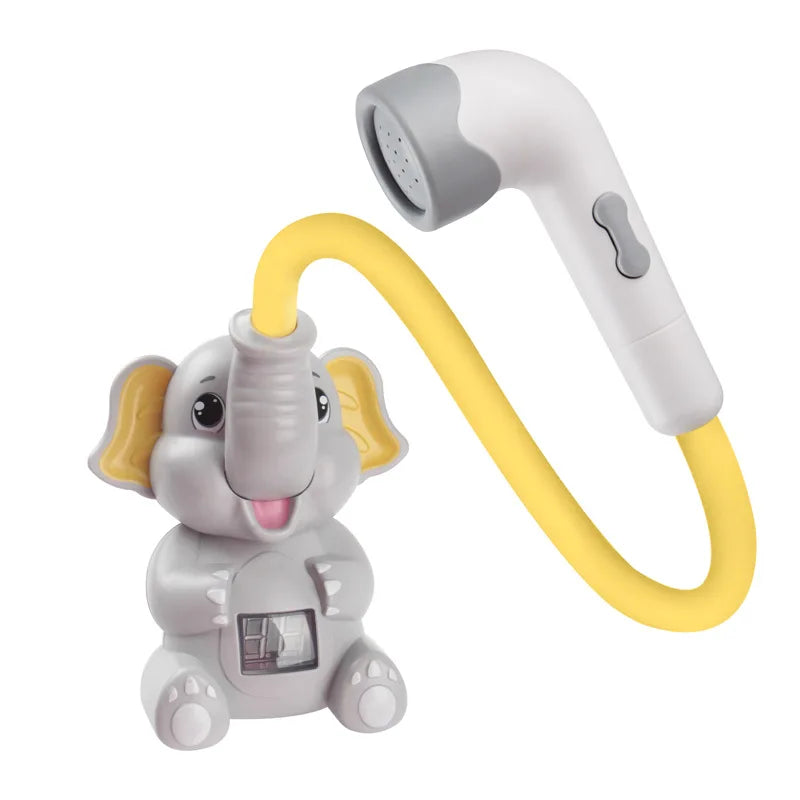
newborn bath time tips + my newborn hates bath time — See it in action
Building Confidence Through Consistent Bath Time Habits
Every newborn responds differently to bath time, so it may take several sessions before a routine feels comfortable. Small, consistent adjustments—such as maintaining the correct water temperature, keeping baths brief, and following the same sequence each time—often make a noticeable difference over time.
If your baby continues to become unusually distressed during bathing or you notice signs of illness, skin irritation, or discomfort, consult your pediatrician for individualized guidance.
Helpful Bath Time Reminder
If your baby enjoys gentle sensory play during bath time, the gentle elephant bath toy can be used alongside a calm routine and continuous adult supervision.
Mini FAQ
-
How warm should bath water be for a newborn?
Keep bath water at approximately 36–37°C . A bath thermometer provides the most accurate reading.
-
Does newborn need bath everyday?
No. Most healthy newborns only need two to three full baths each week, with daily cleaning of the face, neck folds, hands, and diaper area as needed.
-
My newborn hates bath time—what should I try first?
Start by checking the room and water temperature, shortening the bath, and maintaining a calm, predictable routine. Making one change at a time makes it easier to identify what helps your baby most.
-
Are electric bath toys safe?
Only use bath toys that are appropriate for your baby's age and intended for water use. Always supervise your baby closely, and remember that toys are designed for gentle engagement—not as safety devices.
Newborn Bath Time Safety Checklist
Review these newborn bath safety tips before every bath to help create a safe, calm experience:
- ✓ Never leave your baby unattended, even for a few seconds.
- ✓ Check that bath water is approximately 36–37°C before placing your baby in the tub.
- ✓ Keep the room comfortably warm to reduce heat loss.
- ✓ Gather towels, clean clothes, diapers, and bathing supplies before you begin.
- ✓ Always support your baby's head, neck, and body throughout the bath.
- ✓ Keep baths short—generally 5–10 minutes for newborns.
- ✓ Lift your baby carefully with both hands if their skin or the tub becomes slippery.
- ✓ Pat your baby dry immediately after bathing, paying special attention to skin folds.
Final Note for Parents
Bath time is a learning experience for both you and your baby. Don't worry if the first few baths aren't perfect. Consistency, gentle handling, and a calm environment usually help newborns become more comfortable over time. Small improvements—such as adjusting the room temperature, shortening the bath, or following the same routine each day—often make the biggest difference.
Schema-ready FAQ (for copy-paste)
Q:
How often should you bathe a newborn?
A:
Most healthy newborns only need two to three full baths each week. Between baths, clean the face, neck folds, hands, and diaper area as needed.
Q:
When can newborns start taking baths?
A:
Sponge baths are generally recommended until the umbilical cord stump has fallen off and healed. Your healthcare provider can advise you if your baby's situation differs.
Q:
How do you give a newborn a sponge bath?
A:
Keep your baby wrapped in a warm towel, uncover one area at a time, and gently clean the face, neck, body, and diaper area with a soft washcloth and warm water.
Q:
What temperature should newborn bath water be?
A:
Aim for approximately 36–37°C and keep the room comfortably warm to prevent chilling.
Q:
Why does my newborn hate bath time?
A:
Many newborns dislike sudden temperature changes or unfamiliar sensations. A warm room, gentle handling, and a consistent routine often help reduce fussiness.
Q:
How long should a newborn bath last?
A:
Most newborn baths should last about 5–10 minutes to help keep babies warm and comfortable.
Q:
Can you bathe a newborn before the umbilical cord falls off?
A:
A sponge bath is generally preferred until the umbilical cord stump naturally falls off and the area has healed.
Q:
What are the most important newborn bath safety tips?
A:
Never leave your baby unattended, use water at approximately 36–37°C, support the head and neck at all times, and prepare all bathing supplies before starting.
Related collections if you want to assemble a complete kit: Baby Bath Accessories , Temperature Tools , Sensory Toys , and Baby Hygiene Gadgets .
Related Articles:
- Toddler Water Spray Toy: Ideal Play Ideas for Splash-Loving Kids
- Gentle Water Spray for Newborn: Best Uses for Calm Baths
Pillar Articles:





