

Does an infant bath time routine really help calm a fussy newborn?
Answer: Yes — a consistent infant bath time routine can help a newborn feel more secure by creating predictable cues around warmth, touch, and caregiver connection. A calm sequence using warm water, gentle handling, the same towel, and soothing sounds can make bath time less stressful while supporting bonding and a peaceful transition toward sleep.
⏱ 14 min read
Infant Bath Time Routine: Step-by-Step Guide for Calm Baths
Many new parents worry when their newborn cries, squirms, or seems uncomfortable during baths. A carefully planned infant bath time routine can turn those stressful moments into a familiar bonding experience. This guide explains how to create a safe baby bath routine, including preparation, newborn bathing steps, calming techniques, safety essentials, and age-based adjustments that help both babies and caregivers feel more confident.
Why a Predictable Routine Calms Babies
Newborns are still learning how the world works. Because they cannot understand explanations, they rely heavily on repeated experiences and familiar sensory signals. A predictable calming baby bath routine helps your baby recognize what is happening and what comes next.
Over time, repeated cues such as the same warm room, gentle voice, soft towel, and slow movements can become signals of comfort. Instead of feeling like a sudden change, bath time becomes a familiar pattern associated with care and connection.
A consistent routine may also support bedtime habits. Many families use baths as part of an evening wind-down routine because the combination of warm water, dim lighting, and quiet interaction can help create a smoother transition from active time to rest.
Quick answer: what to expect
For most newborns, a short routine works better than a long bath. A 5–10 minute bath with the same basic steps is often enough. Some babies may cry during early attempts because the sensation of water, temperature changes, or being undressed feels unfamiliar. With patience and repetition, many babies gradually become more comfortable.
Prep: Set the Scene for a Safe Infant Bath
A successful newborn bath guide starts before your baby touches the water. Preparing everything first reduces interruptions, keeps your baby warm, and allows you to focus completely on safety and comfort.
Infant bath preparation checklist
- Warm the room: Keep the bathing area comfortably warm to reduce the chance of your baby becoming chilled after undressing.
- Check water temperature: Aim for approximately 37–38°C (98.6–100.4°F). Test with a bath thermometer or the inside of your wrist before placing your baby in the water.
- Prepare supplies: Have a clean diaper, clothes, towel, washcloth, and baby cleanser within reach before starting.
- Create a calm environment: Lower bright lights, reduce loud noises, and use a soft voice to make the experience predictable.
- Choose safe support: Use an infant tub or stable bathing surface designed for babies.
Essential items for infant bathing include:
- Gentle fragrance-free baby wash
- Soft washcloths
- Hooded baby towel
- Infant bath tub or support
- Water thermometer
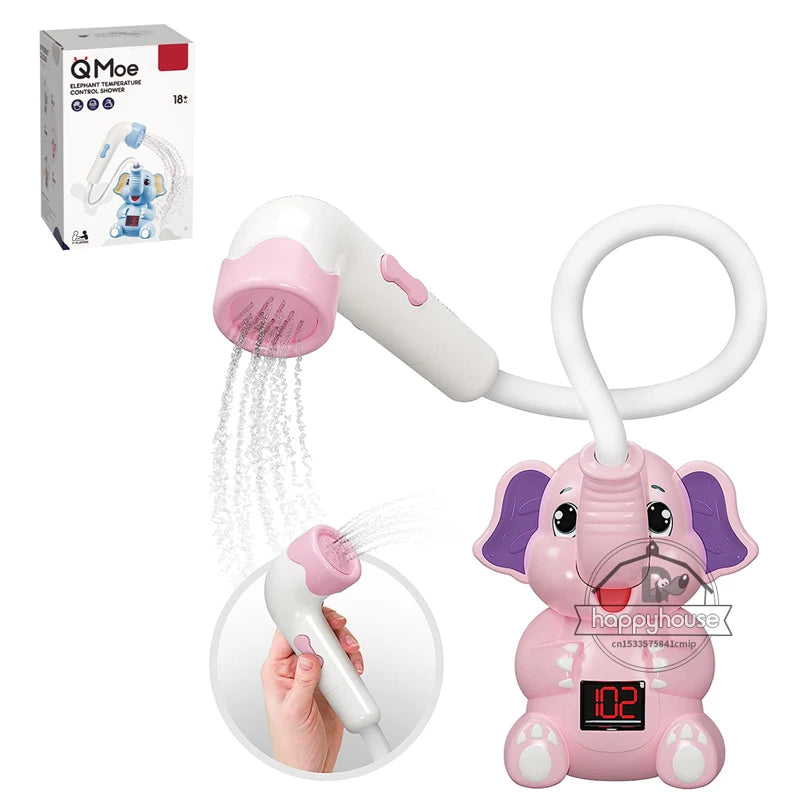
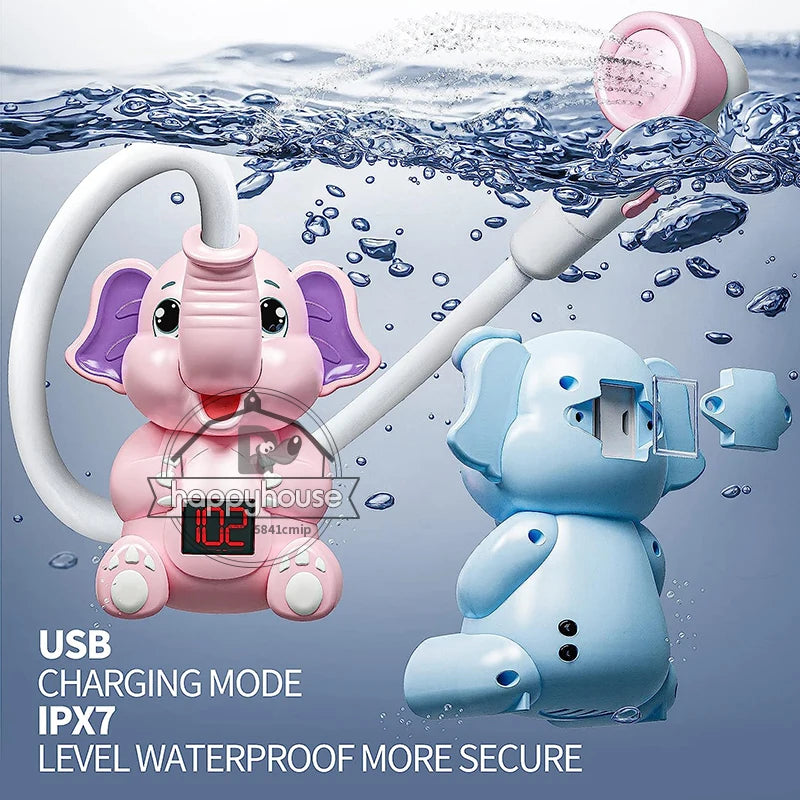
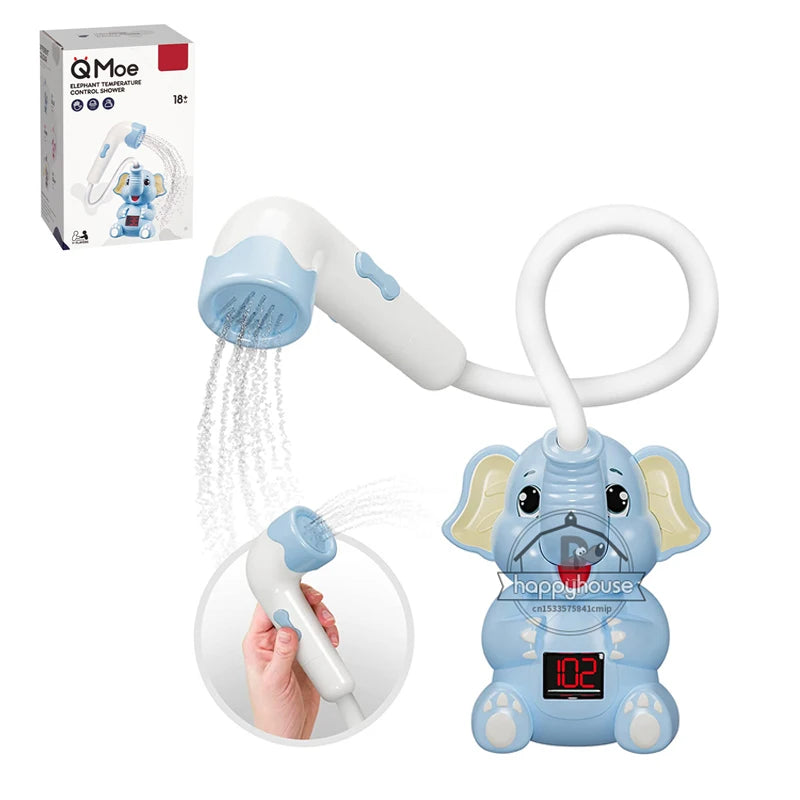
- A safe bath toy if your baby enjoys play
Helpful internal resources: explore Baby Bath Accessories and calming additions at Massage & Relaxation .
infant bath time routine - keeping baby calm bath — See it in action
Step-by-Step Infant Bath Time Routine
A simple infant bath time routine follows the same order each time: prepare, wash gently, dry quickly, and finish with comforting connection. Consistency matters more than length.
Before bath: prepare and check conditions
- Set up the bathing area: Place all supplies nearby, check the room temperature, and prepare warm water before undressing your baby.
- Talk to your baby: Use a calm voice before the bath begins so your baby hears familiar reassurance.
- Remove clothing slowly: Keep your baby warm with a towel or wrap while preparing for the bath.
During bath: wash baby safely step by step
- Support the head and neck: Always keep your baby securely supported while lowering them gently into the water.
- Start with the face: Clean the face with plain water and a soft cloth before washing the rest of the body.
- Wash gently: Use mild cleanser only where needed, focusing on areas such as skin folds and the diaper area.
- Keep movements slow: Sudden movements can startle newborns. Gentle, predictable handling helps them relax.
After bath: dry, moisturize, and comfort
- Wrap immediately: Move your baby into a soft towel right after leaving the water.
- Pat dry: Pay attention to skin folds where moisture can remain.
- Moisturize if needed: Apply a baby-safe moisturizer if recommended for your baby's skin.
- Continue bonding: Hold, cuddle, sing, or continue your normal bedtime routine.
Adjusting the routine as baby grows
Newborns usually need shorter baths with more support. Older infants may enjoy longer bath times with supervised play, but safety remains the priority as babies become more mobile.
Soothing Techniques That Actually Work
Every baby responds differently, but simple sensory strategies can make a calming baby bath routine easier to maintain.
Scent and sound
- Use a quiet voice, gentle singing, or consistent background sounds.
- A familiar towel or mild baby lotion scent can become part of the routine.
- Avoid strong fragrances that may irritate sensitive skin.
Touch and temperature
- Warm your hands before touching your baby.
- Use slow strokes and gentle support throughout the bath.
- Keep temperature changes gradual when moving from water to towel.
Play and distraction
- A simple bath toy can help create a positive association with bath time.
- Choose easy-to-clean toys that can dry fully between uses.
- Keep stimulation gentle, especially for younger newborns.
Infant Bath Safety Checklist Every Time
Safety is the most important part of any safe baby bath routine . Preparation and constant supervision help reduce common risks.
Safe water temperature and supervision rules
| Safety Item | Why it matters |
|---|---|
| Water temperature around 37–38°C | Helps prevent overheating or discomfort |
| Never leave baby unattended | Babies require constant supervision around water |
| Support head and neck | Newborns cannot safely support themselves |
| Use a stable bathing surface | Reduces slipping and movement risks |
| Prepare supplies first | Prevents leaving the baby alone to grab items |
For temperature and monitoring tools, see Temperature Tools and Monitoring Devices .
How Often Should You Bathe a Newborn?
Many newborns do not need daily baths. A few full baths each week is usually enough, while regular cleaning of areas such as the face, neck folds, and diaper area can maintain hygiene between baths.
Bathing too frequently may contribute to dry skin, especially for babies with sensitive skin. The best baby bath routine balances cleanliness with protecting the skin barrier.
As babies become older and more active, families may increase bath frequency based on activity level, skin needs, and personal routines.
Creating a Bedtime Infant Bath Routine
An evening bath can become a helpful signal that the day is slowing down. The goal is not a perfect schedule but a repeated pattern your baby recognizes.
Sample evening bath schedule
- 6:30 PM: Prepare room and bath supplies.
- 6:35 PM: Gentle bath with calm talking.
- 6:45 PM: Dry, moisturize, diaper, and dress.
- 6:55 PM: Feeding, cuddling, and quiet bedtime activities.
Consistency helps your baby associate these steps with comfort and rest.
Newborn vs Older Infant Bath Routine Differences
| Age Stage | Routine Focus |
|---|---|
| Newborn | Short baths, gentle support, warmth, and reassurance |
| 3–6 months | More interaction, supervised play, and stronger routines |
| Older infants | Increased movement awareness and continued water safety |
Common Infant Bath Time Problems and Solutions
Baby cries during baths
Try shorter baths, warmer towels, slower movements, and more verbal reassurance. Some babies simply need more time to adjust to water sensations.
Baby has dry skin after bathing
Reduce bath frequency if needed, use gentle products, and avoid hot water. Ask a healthcare professional about persistent skin concerns.
Baby dislikes water changes
Gradually introduce changes instead of changing everything at once. Keep familiar cues such as the same towel, voice, and routine order.
Advanced Tips: Making Bath Time Easier as Baby Grows
A successful baby bath routine evolves with your child's development.
- Introduce more play as your baby becomes comfortable sitting with support.
- Continue supervision as movement increases.
- Allow your baby to participate in simple steps, such as holding a washcloth when appropriate.
- Keep routines flexible during travel, illness, or schedule changes.
Mini FAQ (Schema-Ready)
-
How often should you bathe a newborn?
Most newborns only need full baths a few times per week. Between baths, clean areas that need attention to maintain hygiene.
-
What is the safest water temperature for an infant bath?
The recommended bath temperature is around 37–38°C (98.6–100.4°F). Always check before placing your baby in the water.
-
How do you bathe a newborn step by step?
Prepare supplies, support your baby's head and neck, wash gently with mild products, dry immediately, and finish with comforting interaction.
-
When is the best time for an infant bath routine?
Many families choose evening baths as part of a calming bedtime routine, but the best time is when your baby is relaxed and your schedule allows consistency.
-
Why does my baby cry during bath time?
Babies may cry because water, temperature changes, or undressing feel unfamiliar. Gentle repetition and reassurance can help them adjust.
-
How can I create a calming baby bath routine?
Use the same sequence, keep the environment comfortable, move slowly, and include familiar soothing cues such as your voice and a favorite towel.
Extra Resources & Related Baby Care Guides
Continue building a complete baby care routine with these helpful resources:
- Baby Bath Accessories
- Baby Care Essentials
- Newborn hygiene essentials
- Baby Hygiene Gadgets
- Baby Bath Toys
infant bath time routine - newborn bath time tips — See it in action
Schema-ready FAQ (for markup)
How often should I bathe my newborn?
Newborns usually need full baths only a few times per week. Daily baths may dry delicate skin, so gentle cleaning between baths is often enough.
What temperature should infant bath water be?
Keep infant bath water around 37–38°C (98.6–100.4°F) and always check the temperature before bathing.
My newborn hates bath time — what should I do?
Use shorter baths, introduce calming cues, maintain a predictable sequence, and consult a healthcare professional if distress continues.
infant bath time routine - my newborn hates bath time — See it in action
Related Articles:
- Toddler Afraid of Water? Step-by-Step Guide to Build Confidence
- Baby Hates Bath Time? Practical Tips to Make Baths Enjoyable
- Safe Bath Temperature for Newborn: Tips for Stress-Free Baths
- Infant Thermometer Rectal: How to Measure Baby Temperature Safely
Pillar Articles:





