

Does keeping baby calm bath really work?
Answer: Yes. A calm baby bath routine can make a significant difference when it combines warm, stable water, gentle handling, a predictable sequence, and soothing rinsing methods. These newborn bath calming methods help reduce common triggers such as sudden temperature changes, loud environments, and unexpected splashes. While every baby is different, creating a consistent routine often helps babies feel more secure and makes bath time less stressful for both caregivers and infants.
⏱ 18 min read
Keeping Baby Calm Bath: Features That Make Bath Time Stress-Free
Bath time should be a comforting bonding experience, but many parents instead face tears, stiff little arms, and a baby who seems to dislike every minute in the tub. If you've wondered why babies cry during bath time or how to keep your baby calm during bath time, you're far from alone.
The good news is that most bath-time distress has identifiable causes. Small adjustments—such as choosing the right time of day, maintaining comfortable water temperature, supporting your baby's body, and reducing sensory overload—can dramatically improve the experience. In this guide, you'll learn practical, evidence-based strategies that help create a safer, more predictable, and more relaxing bath routine.
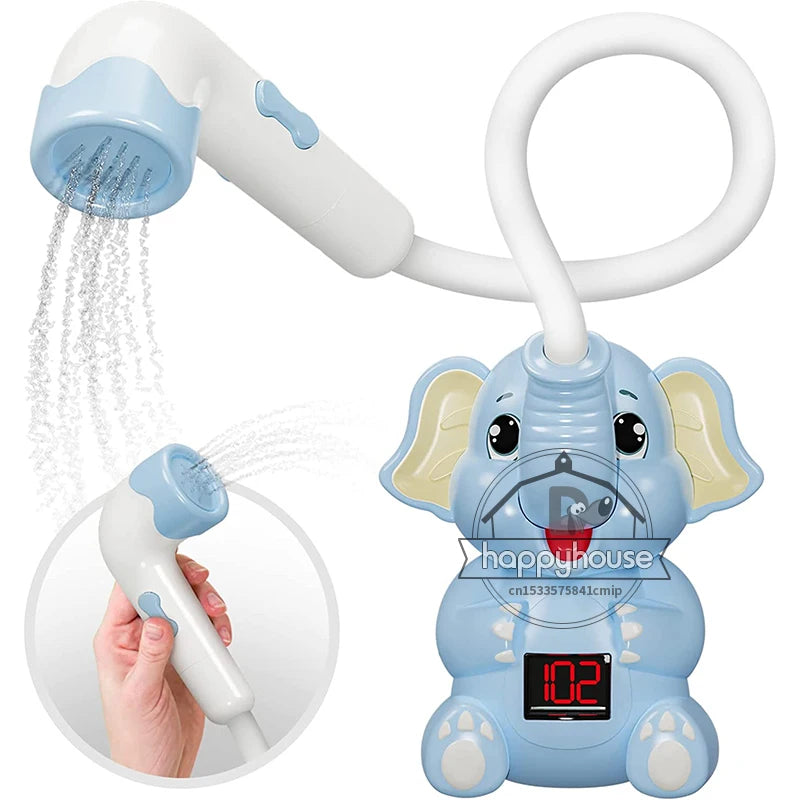
keeping baby calm bath • gentle water spray for newborn • See it in action
Why babies resist bath time
Understanding the reason behind bath-time tears is the first step toward finding a solution. Crying during a bath is common, especially in the first few months, and usually reflects a baby's response to unfamiliar sensations rather than a dislike of bathing itself.
Some of the most common reasons babies cry during bath time include:
- Sudden temperature changes: Moving from warm clothing into cooler air or water can feel startling.
- Sensory overload: Bright lights, loud voices, echoing bathrooms, or strong water flow may overwhelm sensitive newborns.
- Poor timing: Babies who are hungry, overtired, or due for a nap are often less able to cope with new experiences.
- Feeling unsupported: If babies feel unstable or slippery, they naturally tense up and become distressed.
- Unexpected water on the face: Quick splashes can trigger a startle reflex, especially in young infants.
These reactions are completely normal and do not mean you're doing anything wrong. Fortunately, many babies become much more relaxed when caregivers establish a calm, predictable bath routine and minimize sudden sensory changes.
Quick answer: What actually helps?
The most effective newborn bath calming methods combine several simple habits rather than relying on a single product. Warm water around 37°C (98–100°F), gentle support, a reassuring voice, slow movements, and gradual rinsing all help babies feel secure. Consistency also matters—following the same routine each bath allows your baby to learn what to expect, reducing anxiety over time.
Essential features that make bath time calmer
A stress-free baby bath starts with the right environment. Instead of purchasing every available accessory, focus on features that improve comfort, safety, and caregiver confidence.
- Reliable water temperature: Water should stay comfortably warm throughout the bath without becoming hot.
- Gentle rinsing: A soft, wide water flow reduces startling splashes and feels more comfortable on delicate skin.
- Supportive positioning: Ergonomic slings or molded infant supports help babies feel secure while freeing one hand for gentle reassurance.
- Low-stimulation surroundings: Dimmer lighting and a quieter room help reduce unnecessary sensory input.
- Warm transition afterward: Keeping towels, pajamas, and diapers ready minimizes the chilly period after leaving the bath.
These simple adjustments often work together to create a more predictable, stress-free baby bath experience.
Why a gentle water spray for newborns helps (and how to use it)
A gentle water spray can make rinsing feel less abrupt than pouring water from a cup. Instead of a concentrated stream, a wide, low-pressure spray distributes warm water evenly across the skin, helping reduce surprise splashes that may trigger crying.
When using a gentle water spray:
- Choose the lowest comfortable pressure.
- Keep the nozzle close to your baby's body so the water stays warm.
- Direct water away from the face whenever possible.
- Introduce rinsing gradually instead of all at once.
Combined with gentle touch and calm reassurance, this approach helps many babies remain more relaxed throughout the bath.
Temperature tools that remove guesswork
Babies are especially sensitive to water that feels even slightly too cool or too warm. Checking water temperature before every bath helps prevent discomfort and supports safer bathing habits.
Helpful tools include:
- Digital bath thermometers with easy-to-read temperature displays.
- Faucet safety devices that help prevent unexpectedly hot water.
- Temperature indicators that alert caregivers if the bath becomes too warm.
These tools don't replace careful supervision, but they can reduce uncertainty and help maintain a consistently comfortable bathing environment.
Supportive bath gear and how it reduces stress
The best baby bath accessories are those that improve safety and comfort rather than adding unnecessary complexity. Supportive bath gear allows caregivers to keep one hand available for soothing while maintaining secure positioning throughout the bath.
For curated options, see Baby Bath Accessories for tools that match these features and design goals.
Ergonomics matter
Look for supports that keep your baby's head above the waterline, maintain natural spinal alignment, and reduce slipping. A stable position often helps babies feel more secure while giving caregivers greater confidence during washing and rinsing.
Evidence-based bath-time examples
Rather than relying on individual testimonials, it's more helpful to understand the common patterns pediatric experts observe during bath time.
-
Scenario:
A newborn cries immediately after entering the tub.
Likely cause: The room or water temperature changed too quickly.
Helpful response: Warm the room beforehand, prepare everything in advance, and lower your baby into the water slowly while maintaining gentle body contact. -
Scenario:
A baby becomes upset during rinsing.
Likely cause: Sudden splashes or strong water flow.
Helpful response: Use gentle, gradual rinsing and keep water away from the face whenever possible. -
Scenario:
Baths become easier after several weeks.
Likely explanation: Babies often adapt to familiar routines when each bath follows the same calm sequence, helping them feel more secure over time.
How to calm your baby during bath time: Step-by-step routine
- Prepare everything before undressing your baby. Place a towel, clean diaper, fresh clothes, mild baby cleanser, thermometer, and any bathing essentials within arm's reach. Having everything ready prevents unnecessary interruptions and helps your baby stay warm.
- Check the water temperature carefully. Aim for approximately 37°C (98–100°F). A bath thermometer is the most reliable way to confirm the water is comfortably warm without risking overheating.
- Create a calm environment. Reduce bright lighting, minimize loud noises, and speak softly or sing quietly. Babies often respond positively to familiar voices during bathing.
- Lower your baby into the water gradually. Support the head and neck while allowing the feet to touch the water first. Moving slowly helps reduce the startle response.
- Wash gently from cleanest to dirtiest areas. Use slow, reassuring movements and rinse with a gentle water spray or soft cup pour rather than sudden splashes.
- Keep baths short. Five to seven minutes is generally sufficient for most newborns, helping prevent chilling and overstimulation.
- Finish with a warm transition. Lift your baby into a soft towel immediately, pat the skin dry instead of rubbing, and dress your baby promptly to maintain body warmth.
Usage tips for maximum calm
- Choose a time when your baby is calm, alert, and neither overly hungry nor ready for a nap.
- Follow the same sequence each bath so your baby learns what to expect.
- Keep one hand in contact with your baby whenever possible to provide reassurance.
- Introduce water gradually instead of pouring it over the body all at once.
- If your baby becomes distressed, pause briefly, speak calmly, and continue only after they settle.
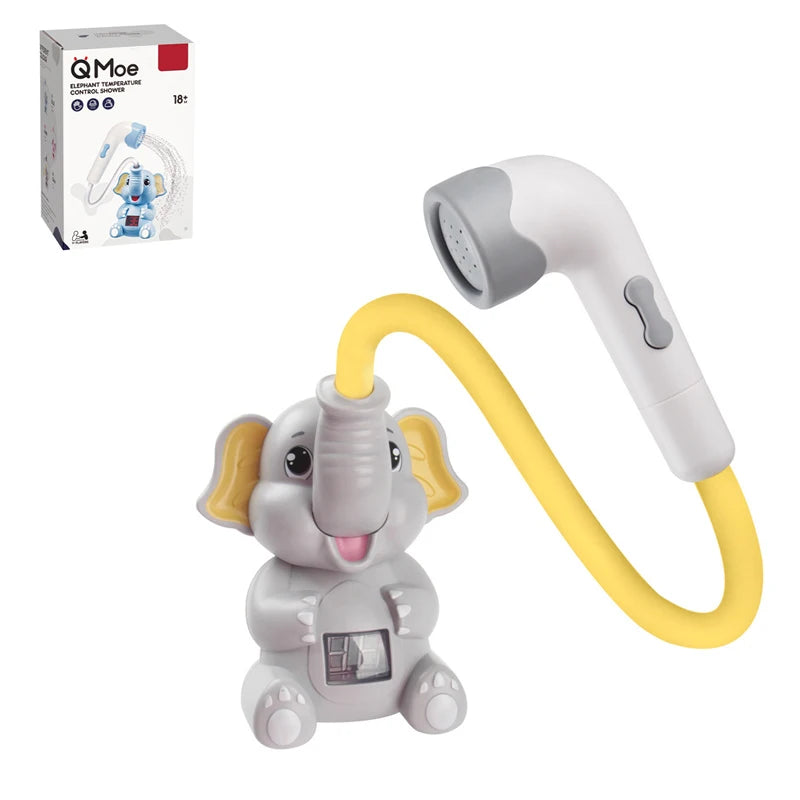
gentle water spray for newborn • newborn bath time tips • See it in action
Comparison: basic vs calm-focused bath setups
| Routine element | Basic approach | Calm-focused approach |
|---|---|---|
| Water temperature | Estimated by touch | Checked with a thermometer before every bath |
| Introducing water | Quick immersion | Slow, gradual entry with continuous support |
| Rinsing | Occasional large splashes | Gentle, even rinsing that minimizes startling |
| After the bath | Dry and dress | Warm towel, gentle drying, calm transition to pajamas |
Benefits of a calm-focused routine
- Helps reduce common triggers that cause crying during bath time.
- Encourages predictable routines that many babies learn to recognize.
- Supports caregiver confidence through consistent preparation.
- Focuses on comfort and safety rather than unnecessary accessories.
Baby bath safety checklist every time
Following basic baby bath safety tips is more important than any individual product or technique. Use this checklist before every bath.
- Never leave your baby unattended in or near water, even for a few seconds.
- Keep one hand supporting your baby's head or body whenever your baby is in the tub.
- Fill the tub with only a shallow amount of water appropriate for your baby's age.
- Always check the water temperature before placing your baby into the bath.
- Turn off running water before your baby enters the tub to prevent sudden temperature changes.
- Keep electrical appliances well away from the bathing area.
- Use infant bath seats and supports only as positioning aids—they are never substitutes for supervision.
- Have towels and clothing ready before starting so you never need to step away.
Optional bath tools that can support a calmer routine
Most babies do not require specialized equipment for successful bath time. However, a few well-designed tools may improve comfort and caregiver confidence when used appropriately.
- Gentle rinsing tools can help distribute warm water evenly. Browse suitable options in Baby Hygiene Gadgets .
- Bath thermometers provide a reliable way to confirm safe water temperature. See available options in Temperature Tools .
- Supportive bath seats or slings may improve positioning for young infants. Explore Baby Bath Accessories .
- Age-appropriate bath toys can encourage positive associations once babies are developmentally ready. A playful option is available on the product page .
Calming bath routine checklist
Use this quick checklist before each bath to create a consistent routine.
- ✓ Room is comfortably warm.
- ✓ Water temperature has been checked.
- ✓ Towels and clothing are ready.
- ✓ Baby is alert and not overly hungry or tired.
- ✓ Bath will last only a few minutes.
- ✓ Calm voice and gentle handling throughout.
Quick troubleshooting guide
| If your baby... | Try this first |
|---|---|
| Cries before entering the bath | Warm the room and lower them into the water gradually. |
| Cries during rinsing | Reduce water pressure and rinse slowly while speaking calmly. |
| Cries after the bath | Wrap immediately in a warm towel and minimize time without clothing. |
Practical guidance supported by pediatric recommendations
Pediatric guidance consistently emphasizes that successful bath time depends more on routine, supervision, appropriate water temperature, and gentle handling than on purchasing numerous accessories. Babies often become more comfortable as they gain experience with a predictable sequence and caregivers respond calmly to their cues.
If your baby continues to cry during every bath despite trying these strategies, consider adjusting bath timing, shortening the bath, or discussing persistent distress with your pediatrician to rule out skin irritation, illness, or other underlying concerns.
Prioritize the changes that make the biggest difference
If bath time has become stressful, you do not need to overhaul your entire routine. Most babies respond best when caregivers focus on the basics first: maintaining comfortable water temperature, supporting the baby's body securely, using slow and gentle movements, and keeping each bath calm and predictable.
Optional tools can make these habits easier to follow, but they work best alongside consistent routines rather than replacing them. Start with one improvement at a time and observe how your baby responds over several baths.
- Keep the room warm before undressing your baby.
- Check the water temperature before every bath.
- Introduce water gradually instead of sudden immersion.
- Maintain gentle physical contact and speak in a calm voice.
- Finish with a warm towel and a soothing bedtime routine if bathing in the evening.
Building a calming routine that lasts
Consistency is often more important than the number of bath accessories you own. Babies gradually learn to recognize familiar sequences, and predictable routines can reduce anxiety over time.
A simple routine may include preparing the room, checking water temperature, bathing for just a few minutes, drying gently, moisturizing if recommended by your pediatrician, and moving into quiet bedtime activities. Following the same order each time helps create positive expectations for future baths.
Final decision corner
If your baby regularly cries during bath time, begin with the simplest changes: improve comfort, reduce sensory stimulation, and keep your routine consistent for several bathing sessions. Many families notice gradual improvements as babies become familiar with the experience.
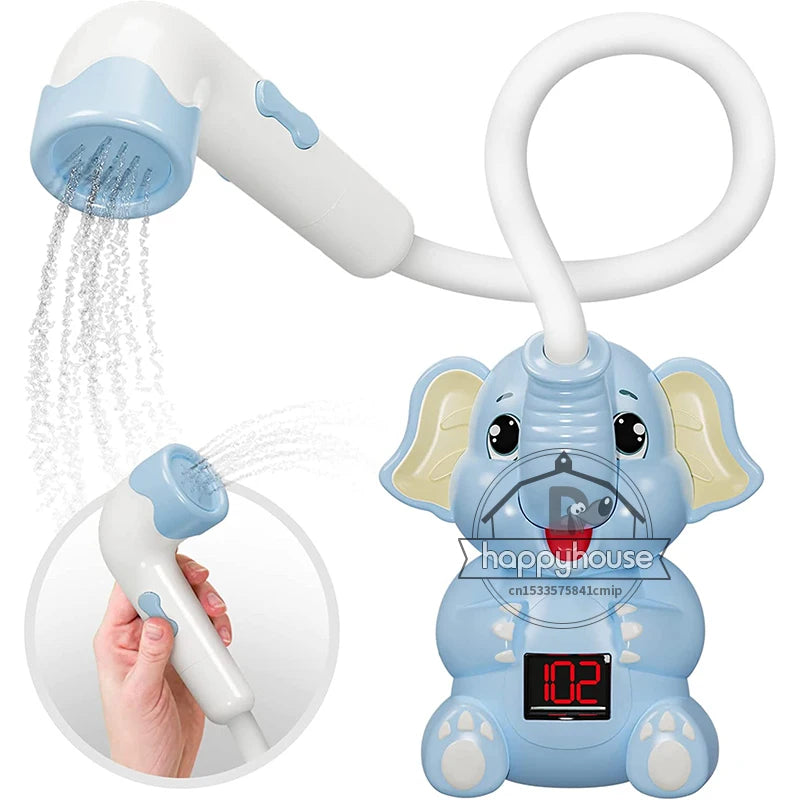
newborn bath time tips • my newborn hates bath time • See it in action
Frequently asked questions about calming baby bath time
-
Why does my baby cry during bath time?
Many babies cry because of sudden temperature changes, feeling unsupported, bright lights, loud sounds, hunger, tiredness, or unexpected splashes. Identifying the trigger is the first step toward creating a calmer bath routine.
-
How can I soothe my baby in the bath?
Use warm water, gentle handling, slow movements, and a calm voice. Supporting your baby's head and body securely while introducing water gradually often helps reduce distress.
-
What temperature should baby bath water be?
Bath water should be about 37°C (98–100°F). A bath thermometer provides the most reliable way to confirm a comfortable and safe temperature.
-
How often should a newborn have a bath?
Most newborns do not need a full bath every day. Two or three baths per week are often enough unless additional cleaning is needed after diaper changes or spit-ups. Follow your pediatrician's advice if your baby has specific skin concerns.
-
Can a calming bath routine help baby sleep better?
For many babies, a warm, predictable evening bath followed by drying, feeding, and quiet bedtime activities becomes part of a consistent sleep routine. While every baby is different, consistency is usually more beneficial than making frequent changes.
-
When should I worry about my baby's bath-time distress?
Consult your pediatrician if your baby has persistent, intense crying during every bath despite routine adjustments, develops a rash or skin irritation, appears to be in pain, or has other symptoms such as fever or feeding difficulties.
Related categories: Baby Care Essentials • Mom Essentials • Health & Safety
This guide is intended for educational purposes and complements—not replaces—advice from your pediatrician. If you have concerns about your baby's health, skin condition, or ongoing bath-time distress, seek professional medical guidance.
Related Articles:
- Electric Elephant Bath Toy: Key Benefits That Delight Babies
- How to Make Bath Fun: Top Features That Engage Toddlers Safely
Pillar Articles:





