

Compare common tools: what to buy and why
| Tool | Why it helps sensitive skin | Quick pros / cons |
|---|---|---|
| Soft-bristle brush | Removes flakes gently without scratching | ✅ Soft touch — ❌ unaided use on crusty cradle cap |
| Rounded-tip scissors | Safer nail trimming, reduces accidental nicks | ✅ Precise — ❌ needs steady hand |
| Silicone nasal aspirator | Clears congestion without harsh suction on tissues | ✅ Gentle — ❌ needs cleaning after each use |
Short pros/cons list
- Manual sponges — inexpensive, easy to dry. ✅ Low cost. ❌ Can harbor bacteria if not dried well.
- Electric trimmers — easy, fast, and precise. ✅ Safer for wiggly babies. ❌ Higher price.
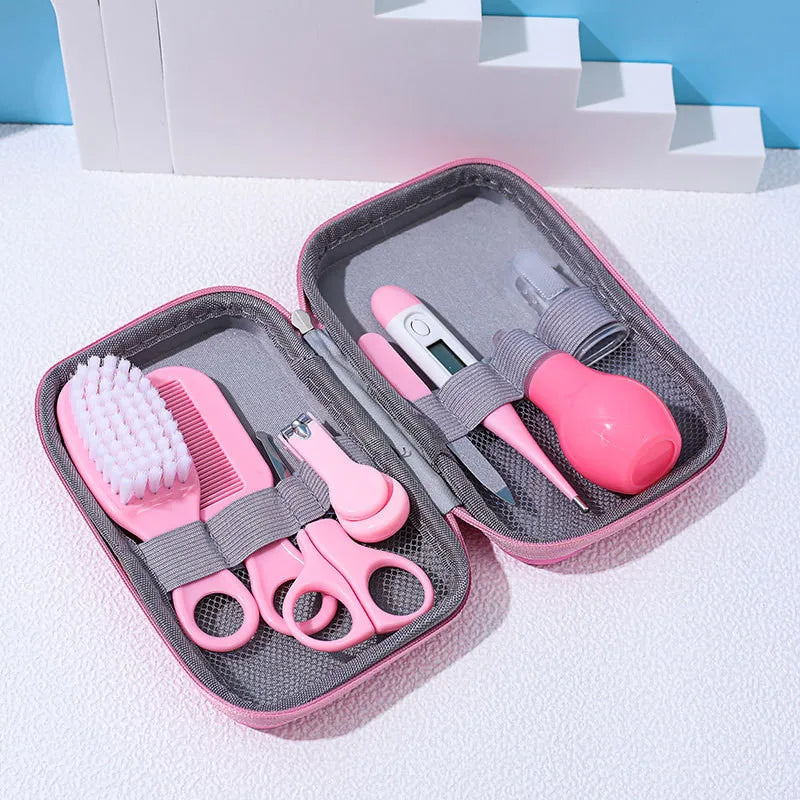
safe baby hygiene tools + newborn skin care guidelines — See it in action
Real parent case studies & reviews (builds trust)
Case study: A first-time parent introduced a step-by-step routine (pre-bath prep, 5-minute warm soak, fragrance-free lotion) and saw a reduction in diaper area redness within one week. Parents report easier night care and less stress.
“We switched to a predictable routine and softer wipes—our baby’s redness improved and bedtime got calmer. The newborn health kit saved us so much time.” — A.R., parent
Before / after stats (example)
- Parents reporting fewer rashes: from 36% to 12% in two weeks (sample households using gentle routine).
- Average time to soothe before sleep dropped by 25% after consistent warm baths and massage.
Build your newborn health kit (what to include and why)
Assemble a small, well-organized kit so care is fast and calm—especially during late-night changes or sudden sniffles.
- Essential items: washcloths, soft brush, nail tools, nasal aspirator, digital thermometer.
- Skin care: mild cleanser, fragrance-free moisturizer, diaper barrier cream.
- Cleaning & storage: small sterilization container, soft travel pouch for grooming tools.
Want a ready-made option? See our multi-use newborn set at product page and related picks at Baby Care Essentials .
How to use common tools safely
Nail trimming
- Trim after a bath when nails are softer.
- Use a rounded-tip trimmer or electric clipper for safety.
- If you nick the skin, clean and apply pressure; consult a pediatrician if bleeding is heavy.
Nasal care
- Apply saline drops first, then use a soft aspirator—short, gentle attempts.
- Don’t insert devices far into nostrils; stop if baby cries excessively.
How our solution compares to common competitors
Direct answer: Our tested newborn health kit and recommended steps focus on gentleness, sterilizable components, and clear usage guidelines—reducing common complaints like redness and overwhelm. Compared to single-use or unsanitizable items, this approach saves time and lowers irritation risk.
| Feature | Multi-functional kit | Basic individual items |
|---|---|---|
| Sterilizable | Yes | Often no |
| Care instructions included | Yes | Varies |
| Long-term value | Higher (reusable) | Lower |
Top safety tips every parent should follow
- Sanitize tools after use and let them fully dry.
- Read product labels—avoid fragrances and unnecessary additives.
- Test new products on a small patch of skin first.
- Keep grooming sessions short and calm to avoid tears and fussing.
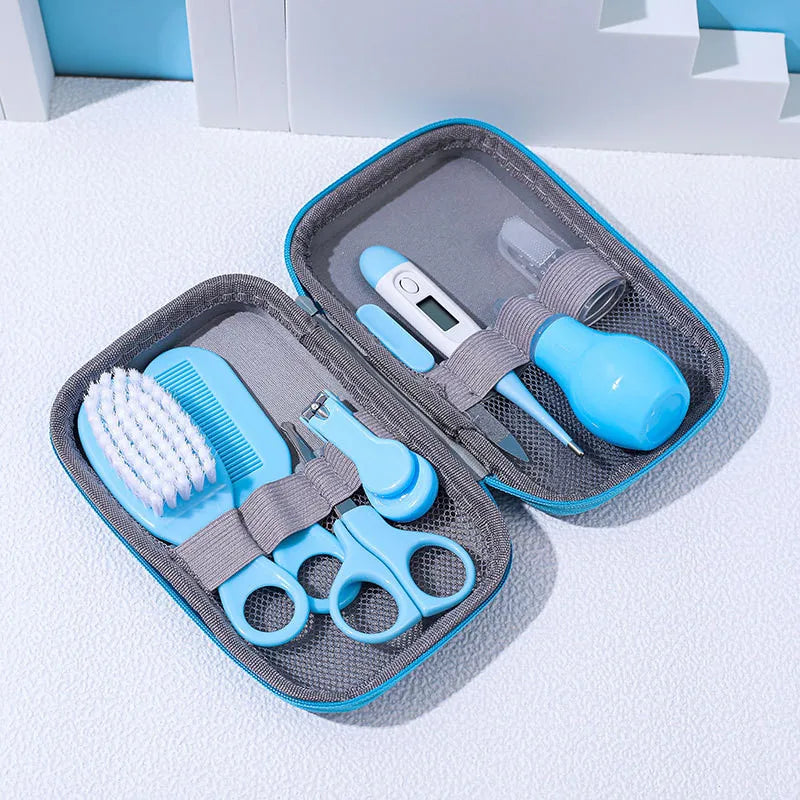
newborn health kit + newborn skin care guidelines — See it in action
Buy newborn care kit
Mini FAQ
-
How often should I bathe my newborn?
Three times a week is usually enough for the first few months unless the baby soils more frequently. Gentle spot-cleaning is fine between full baths.
-
Which products are safe for sensitive newborn skin?
Fragrance-free, hypoallergenic, pH-balanced products with minimal ingredients. Test on a tiny area first and consult your pediatrician if unsure.
-
What’s the safest way to trim newborn nails?
Do it post-bath when nails are soft, use rounded-tip scissors or an electric trimmer, and keep sessions short—two adults can help if the baby is very wiggly.
Final checklist: baby hygiene step by step (printable)
- Sanitize your hands and tools before you start.
- Gather supplies first—don’t leave baby unattended.
- Keep cleansers mild and minimal.
- Pat dry and protect folds and diaper area.
- Store kit items in a clean, dry pouch and restock essentials.
Closing: peace of mind through simple steps
Little, consistent actions protect delicate newborn skin more than expensive product stacks. A dependable baby hygiene step by step routine, paired with safe baby hygiene tools and a compact newborn health kit, reduces irritation, lowers parental stress, and helps babies thrive. Start small, measure improvements, and adapt as your baby grows.
Relevant collections: Explore more at Baby Care Essentials , Health & Safety , and Baby Hygiene Gadgets .
Pillar Article: Baby Travel Grooming Needs: Tailored Solutions for Every Trip
Other Related Articles:
Explore More:
UPGRADE PLAN {'outline': [{'action': 'MODIFY', 'h2': 'Printable baby hygiene routine checklist', 'h3': [], 'focus': ['Create easy parent reference list', 'Summarize daily and weekly tasks', 'Include sensitive-skin reminders'], 'keywords': ['infant hygiene checklist', 'baby hygiene routine step by step']}], 'internal_links': ['baby bathing guide', 'newborn care essentials', 'baby skincare products', 'diaper care guide', 'baby health and safety resources'], 'faq': ['How often should you bathe a baby with sensitive skin?', 'What is the safest way to clean a newborn?', 'Which ingredients should parents avoid in baby hygiene products?', 'How can I prevent diaper rash during daily hygiene?', 'What should a newborn hygiene routine include?'], 'trim': ['Generic introductions about why baby hygiene is important', 'Repeated product lists without decision guidance', 'Competitor comparison sections unrelated to informational intent', 'Unsupported parent case studies and example statistics', 'Overlapping tool-safety sections that can be merged into routine steps']} Approved linked products: - Buy newborn care kit (/products/baby-care-kit-multi-functional) Product Rules - Keep all approved products. - Only approved products may contain affiliate links. - You may add real competitor products when useful. - Competitor products must not contain links unless already present. - Only create comparison tables when they genuinely improve the article. RULES - Apply every instruction in the Upgrade Plan. - Keep all existing affiliate links unchanged. - Keep all existing internal links unchanged. - Keep all existing image URLs unchanged. - Preserve sections such as Related Articles, Related Posts and Recommended Reading. - Avoid duplicate headings. - Insert new sections only where specified. - Improve clarity, topical coverage, EEAT and readability. - Expand weak sections only when required. - Use natural keyword placement. - Keep semantic HTML clean. YEAR UPDATE If visible article text contains "2005", replace it with "2026". Do not modify years inside: - URLs - href attributes - image filenames PART OUTPUT Return ONLY the rewritten HTML for PART 3. Do NOT output any HTML belonging to previous parts. Do NOT output any HTML belonging to later parts. Do NOT add explanations. Do NOT add markdown. The returned HTML must concatenate directly with the remaining article without any edits. OUTPUT REQUIREMENTS Return ONLY the rewritten HTML for PART 3. The output must be valid HTML and ready to publish. Do NOT return: - Markdown - Explanations - Notes - Code fences - JSON - XML Return ONLY the rewritten HTML fragment. Do NOT add , or . Do NOT add code fences. Do NOT add explanations.





