

Does a newborn care essentials list really help new parents?
Answer: Yes. A newborn care essentials list helps first-time parents reduce overwhelm by separating true necessities from optional baby gear. Instead of buying every recommended gadget, a structured newborn baby essentials checklist focuses on items needed for daily care, including feeding supplies, safe sleep tools, health monitoring products, and newborn grooming essentials.
A checklist is especially valuable before birth because it gives parents time to prepare, learn how each item works, and avoid last-minute purchases. The most useful approach is to organize newborn items by purpose: what supports safety, what saves time, and what improves everyday comfort.
⏱ 8 min read
Newborn Care Essentials List: Matching Tools to Specific Needs
Becoming a parent brings excitement, but preparing for a newborn can also feel overwhelming. With hundreds of baby products available, many parents wonder which items are truly useful and which simply create clutter.
This newborn care essentials list helps simplify preparation by matching tools to real newborn needs: sleep, feeding, health, and hygiene. Whether you are building a registry, preparing your home, or looking for first time mom newborn essentials , the goal is not to buy everything—it is to choose practical items that support safe, confident caregiving from day one.
Explore helpful tools that support newborn health, hygiene, sleep routines, and everyday caregiving.
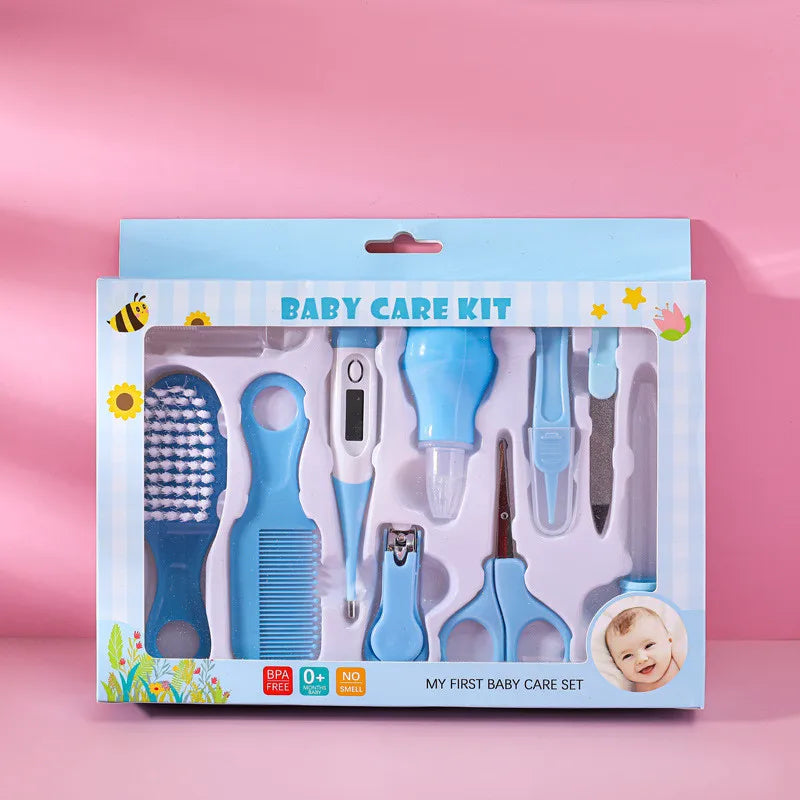
newborn care essentials list + essential newborn items — See it in action
Why this newborn care essentials list matters
New parents often face the same challenges: limited sleep, uncertainty about newborn care, and too many product choices. A practical checklist solves these problems by prioritizing essential newborn items over unnecessary purchases.
The best newborn preparation strategy is needs-based shopping. Start with products that solve frequent daily tasks, then add convenience upgrades only when they provide real value. This approach helps families manage budgets while still having the must have newborn essentials ready when the baby arrives.
How to prioritize newborn essentials before birth
Every family’s needs are different. A parent living in a small apartment may prioritize compact, multi-use products, while a family with multiple caregivers may prefer simple tools that anyone can use confidently.
Before buying, consider:
- Daily routines: Choose items based on feeding plans, sleeping arrangements, and caregiving schedules.
- Safety needs: Prioritize products that support temperature checks, hygiene, feeding safety, and comfortable sleep.
- Budget: Buy high-use essentials first and delay expensive upgrades until you know they solve a real problem.
- Timing: Prepare key newborn items before birth so there is time to test, clean, and organize everything.
A simple preparation timeline can help:
- Before birth: Prepare sleep basics, health tools, newborn clothing, feeding supplies, and grooming essentials.
- First month: Add items based on your baby’s routine and any challenges that appear.
- Later stages: Consider convenience products only when they improve daily care.
Sleep & comfort tools that make nights easier
Direct answer: The most important newborn sleep essentials are safe sleep basics, including properly sized swaddles, a suitable sleep sack, comfortable clothing layers, and tools that help parents monitor and maintain a calm sleep environment.
- Swaddles and sleep sacks: Choose breathable materials and appropriate sizing to support safe, comfortable sleep.
- Smart thermometer or temperature probe: Quick temperature checks help parents monitor health concerns and decide when professional advice may be needed. See Temperature Tools .
- White-noise sound machine: Consistent background noise may help create a familiar sleep environment for some babies.
- Nightlight with dimmer: A soft light makes nighttime checks and feeds easier without bright overhead lighting.
What helps newborns sleep safely and comfortably?
The most common mistake parents make is buying comfort products before covering safety basics. A decorative nursery item may look appealing, but practical sleep essentials usually provide more value during the first weeks.
Focus first on safe sleep preparation, temperature awareness, and a predictable routine. Simple tools such as a reliable thermometer or a compact white-noise machine can make nighttime caregiving easier by reducing uncertainty.
Feeding tools that reduce stress
Direct answer: Feeding essentials depend on whether you breastfeed, formula feed, or combine both methods. The most useful newborn care items are those that improve preparation, hygiene, and comfort without creating unnecessary work.
- Bottle warmer: Helps warm milk consistently when bottle feeding. See Bottle Warmers .
- Sterilization device: Supports cleaner feeding routines, especially for families using bottles frequently. See Sterilization Devices .
- Feeding tools: Items such as bottles, nipples, and transition supplies should match your baby’s feeding needs. See Feeding Tools .
- Breastfeeding aids: Nursing pillows, pumps, and breast pads can improve comfort and convenience for breastfeeding parents. See Breastfeeding Aids .
Breastfeeding versus formula feeding supplies
New parents often buy too many feeding products before knowing what works best. A better approach is to prepare the basics first and add specialized tools after your feeding routine becomes clearer.
For example, bottle-feeding families may benefit from a sterilizer and bottle warmer early on, while breastfeeding families may prioritize comfort-focused supplies. Flexible preparation prevents wasted purchases while keeping essential newborn items available when needed.
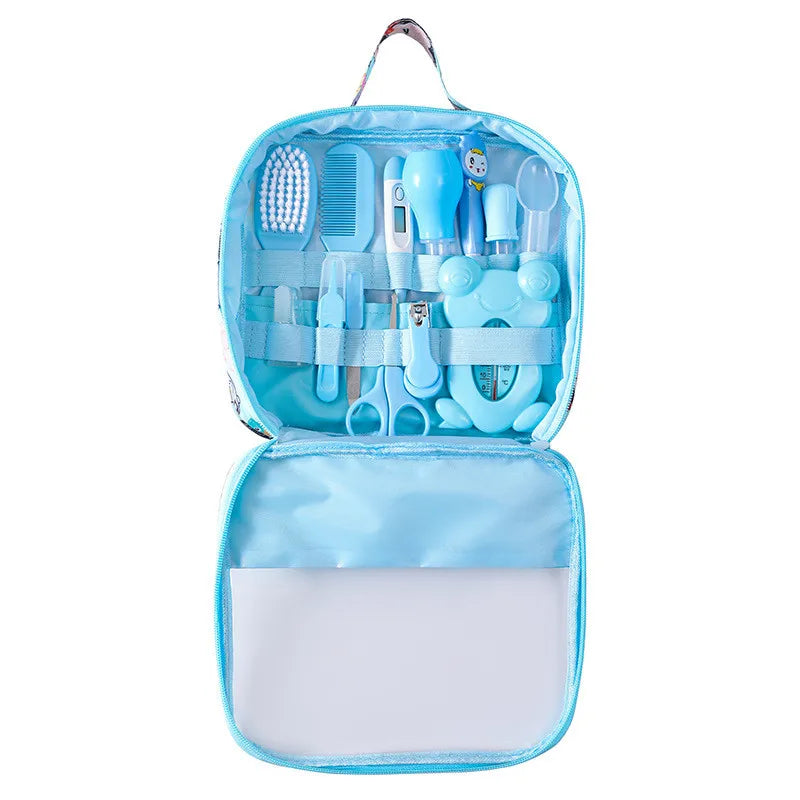
newborn grooming set + newborn health essentials — See it in action
Health & safety items every parent needs
Direct answer: A basic newborn health kit should include a fast-read digital thermometer, nasal aspirator, baby-safe nail care tools, and essential first-aid supplies. These newborn health essentials help parents respond calmly to common care situations.
| Item | Why it matters | Suggested link |
|---|---|---|
| Digital thermometer | Provides quick temperature checks and helps parents track changes accurately. | Temperature Tools |
| Nasal aspirator | Helps clear nasal congestion that may affect feeding and comfort. | Health & Safety |
| Monitoring device (camera/monitor) | Allows parents to check on their baby while maintaining a practical routine. | Monitoring Devices |
Building a basic newborn health kit
- ✅ Keeps important care tools available when needed
- ✅ Helps parents monitor common concerns more confidently
- ❌ Requires an initial investment
- ❌ Parents should learn proper use before emergencies occur
Newborn grooming and hygiene essentials
Newborn grooming is not just about appearance—it supports comfort, cleanliness, and everyday safety. Babies’ nails grow quickly and can become sharp, while delicate skin requires gentle care products designed specifically for newborn needs.
How to choose safe newborn grooming tools
The best newborn grooming set includes only the tools you are likely to use regularly. Instead of buying a large kit with unnecessary items, focus on safe, simple essentials that support nail care, bathing, and hygiene routines.
- Newborn grooming set: Choose baby-safe nail scissors or clippers, a soft emery board, gentle hair brush, and fine comb. Rounded edges and easy-grip designs make grooming safer for small fingers and toes. See Baby Nail Care Tools .
- Bath accessories: Soft towels, gentle washcloths, mild cleansers, and practical bathing tools help make bath time calmer while protecting sensitive newborn skin. See Baby Bath Accessories .
- Hygiene gadgets: Tools such as nasal suction devices and baby thermometers can support daily care when used correctly. See Baby Hygiene Gadgets .
When choosing newborn hygiene essentials, prioritize safety features over the number of included accessories. A smaller collection of reliable tools is often more useful than a large kit filled with items that remain unused.
How to trim newborn nails safely (4 quick steps)
- Wait until your baby is calm, relaxed, or sleeping to reduce sudden movements.
- Use rounded-tip baby scissors, infant nail clippers, or a baby-safe file designed for newborn nails.
- Hold the finger securely and trim small sections gradually instead of cutting too much at once.
- Finish with gentle moisturizing care if your baby’s skin needs extra comfort.
Quick comparison: newborn kit versus individual items
Choosing between a newborn care kit and individual products depends on your priorities. A kit can simplify preparation for first-time parents, while individual purchases allow more control over specific features and quality.
| Option | Best for | Quick verdict |
|---|---|---|
| Multifunction baby care kit | Parents who want essential tools together and fewer shopping decisions | A practical starter option with balanced newborn care items. See product |
| Individual best-in-class tools | Parents who want specialized products for specific needs | Offers more customization but requires more research and separate purchases. |
A newborn grooming set is especially helpful for parents who want basic hygiene tools ready before birth. However, families who already own certain items may prefer adding only the missing essentials instead of replacing everything with a complete kit.
Newborn essentials buying timeline
Preparing newborn items early helps reduce stress and gives parents time to understand how each product works. The goal is not to have every possible gadget ready—it is to have the tools needed for the first days and weeks.
What to buy before birth and what can wait
- Buy before birth: Digital thermometer, newborn grooming set, swaddles, basic clothing layers, diapering supplies, and one safe sleep option.
- Prepare within the first month: Bottle warmer or additional feeding tools based on your feeding routine, plus sterilization supplies if bottle-feeding.
- Buy later if needed: Advanced monitoring devices, specialty baby gadgets, and convenience products after you understand your baby’s daily patterns.
Focus on products that solve everyday newborn care challenges and create a simpler routine.
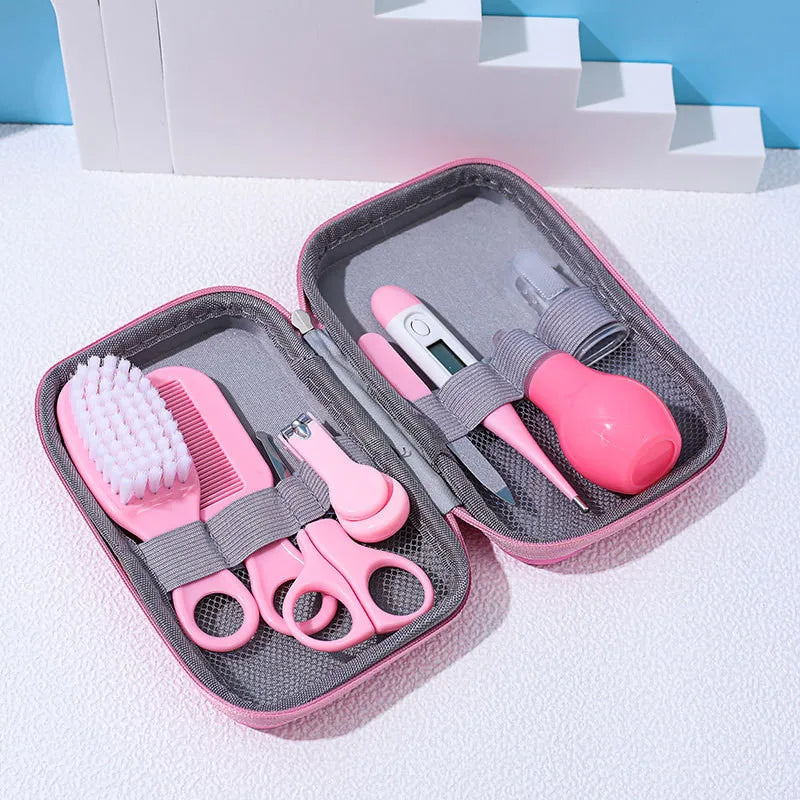
newborn grooming set + newborn care essentials list — See it in action
Ready-made baby care kits can reduce decision fatigue by combining commonly used essentials like grooming tools and health accessories. Shop the multi-functional kit .
Newborn essentials checklist by category
A complete newborn baby essentials checklist works best when organized by daily needs instead of product popularity. The right newborn care items list should cover the tasks parents repeat every day: changing, feeding, sleeping, bathing, and monitoring health.
Diapering and changing essentials
Diaper changes happen many times each day, so a simple and organized setup saves time and reduces stress. Focus on reliable basics rather than collecting unnecessary accessories.
- Newborn diapers: Keep enough for the first days at home, but avoid overstocking because babies may quickly move between sizes.
- Changing pad or safe changing area: Provides a clean, comfortable surface for diaper changes.
- Baby wipes or soft washcloths: Choose gentle options suitable for sensitive newborn skin.
- Diaper cream: Useful for protecting delicate skin during frequent diaper changes.
- Storage basket or organizer: Keeps daily supplies within easy reach during nighttime care.
Feeding essentials for breastfeeding and formula
Feeding supplies depend on your chosen feeding method, so start with flexible items and add specialized products as your routine develops.
- Breastfeeding essentials: Nursing pillows, breast pads, and comfort-focused accessories may help improve feeding sessions.
- Formula feeding essentials: Bottles, nipples, a bottle brush, and sterilization supplies support safe preparation.
- Burp cloths: Keep several available because they are used frequently throughout the day.
- Bottle warmer: Helpful for parents who regularly prepare bottle feeds. See Bottle Warmers .
Sleep and clothing essentials
Newborn clothing and sleep products should focus on comfort, easy changes, and safe sleep practices.
- Swaddles and sleep sacks: Choose breathable fabrics and appropriate sizes for newborn comfort.
- Newborn clothing layers: Soft bodysuits, pajamas, and weather-appropriate layers help regulate comfort.
- Basic blankets for supervised use: Keep lightweight options available for appropriate situations while following safe sleep guidance.
- Nightlight: A dim light can make nighttime checks and feeds easier.
Bathing and hygiene essentials
Newborn skin is delicate, so simple hygiene products are usually more valuable than large collections of specialty items.
- Soft towels and washcloths: Gentle fabrics help dry sensitive skin after bathing.
- Mild baby cleanser: Choose products designed for newborn skin.
- Bath accessories: Practical bathing tools can make routines easier for new parents. See Baby Bath Accessories .
- Nasal hygiene tools: Helpful for maintaining comfort when babies experience normal congestion.
Health and grooming essentials
Newborn health and grooming tools help parents handle common care tasks confidently. These items are often among the most useful purchases during the first weeks.
- Digital thermometer: A key newborn health essential for monitoring temperature changes.
- Newborn grooming set: Includes tools such as baby nail clippers, rounded scissors, soft brushes, and combs. See Baby Nail Care Tools .
- Nasal aspirator: Helps clear nasal passages when needed and supports comfortable feeding.
- Basic first-aid supplies: Keep essential care information and supplies organized for quick access.
Hospital bag and first weeks at home checklist
Preparing a hospital bag and newborn setup before birth helps parents avoid unnecessary stress during the first days. The goal is to have immediate essentials ready while waiting to purchase items based on your baby’s actual needs.
What newborn items do you need immediately?
- For the hospital: Newborn clothing, diapers, wipes, receiving blanket, and any personal care items needed for the parent and baby.
- For the first days at home: Thermometer, newborn grooming tools, feeding supplies, swaddles, and diaper-changing essentials.
- For early routines: Organizers, nightlights, and comfort tools can make repeated tasks easier but are not always urgent purchases.
A prepared home does not need every baby product available. A focused newborn baby essentials checklist prioritizes items used from the first day and allows families to add products as routines become clearer.
Newborn essentials buying timeline
Building a newborn care essentials list over time helps first-time parents spread costs, learn product features, and avoid buying items that may not match their lifestyle.
What to buy before birth and what can wait
- Two to three months before birth: Prepare major daily-use items such as a safe sleep setup, newborn clothing, diaper supplies, feeding basics, and health tools.
- One month before birth: Organize grooming supplies, bathing essentials, and frequently used accessories. Test devices so you understand how they work.
- After birth: Add specialized products based on feeding preferences, sleep patterns, and your baby’s individual needs.
Mini-FAQ
- What are the true newborn care essentials?
- The most important newborn care items include a thermometer, diapers, safe sleep supplies, feeding basics, a newborn grooming set, and simple hygiene products. These support daily needs without unnecessary purchases.
- What should first-time moms buy before the baby arrives?
- First-time parents should prepare frequently used essentials before birth, including newborn clothing, diaper supplies, feeding tools, health monitoring items, and grooming products. Specialty gadgets can wait until a routine develops.
- How do I create a newborn essentials checklist on a budget?
- Start with safety and daily-use products first. Compare multifunction items, avoid duplicate purchases, and add convenience upgrades only when they solve a specific problem.
- Which newborn hygiene items are necessary?
- Necessary newborn hygiene essentials include gentle bathing supplies, soft towels, a newborn grooming set, nail care tools, and basic nasal care products.
- When should I start buying newborn items?
- Many parents begin preparing during the later months of pregnancy. Buying early gives enough time to organize supplies, learn how products work, and avoid last-minute shopping.
Final thoughts: building a practical newborn essentials checklist
A newborn care essentials list should make parenting easier, not create more pressure. The most effective checklist focuses on practical needs: safe sleep, feeding support, hygiene, health monitoring, and simple grooming routines.
Start with essential newborn items that you will use every day, then add optional products only when they improve your family’s routine. A thoughtful approach helps parents save money, reduce clutter, and feel more prepared for life with a newborn.
Structured FAQ (schema-ready)
What should be in a newborn care essentials list?
A newborn care essentials list should include diapers, feeding supplies, safe sleep items, a thermometer, newborn grooming tools, bathing supplies, and basic hygiene products. These items support the most common daily newborn care needs.
How many newborn items do I need before birth?
Parents do not need every baby product before birth. A practical starting point includes essential clothing, diaper supplies, feeding basics, sleep items, health tools, and newborn hygiene products.
What newborn items are unnecessary?
Many specialty gadgets and large product collections are optional. Items that do not solve a frequent daily problem can usually wait until parents understand their baby’s routine.
Should I buy a newborn kit or individual products?
A newborn kit can be convenient for parents who want essential tools together, while individual products may be better for families who prefer selecting specific features or premium options.
Pillar Article: Baby Travel Grooming Needs: Tailored Solutions for Every Trip
Other Related Articles:
Explore More:





