

Does using an infant nasal aspirator really help my baby breathe easier?
Answer: Yes. Learning how to use an infant nasal aspirator correctly can help clear excess mucus, making it easier for babies to breathe through their noses during feeding, sleeping, and everyday activities. The safest approach combines saline drops with gentle, controlled suction to loosen and remove mucus without irritating delicate nasal tissues.
How to Use an Infant Nasal Aspirator: Top Picks for Comfort
⏱ 7 min read — A stuffy nose may seem minor, but for newborns it can quickly interfere with comfortable feeding, restful sleep, and calm breathing. This guide explains how to use an infant nasal aspirator safely, when to use saline drops, how to avoid common mistakes, and what to prepare before you begin so you can care for your baby with confidence.
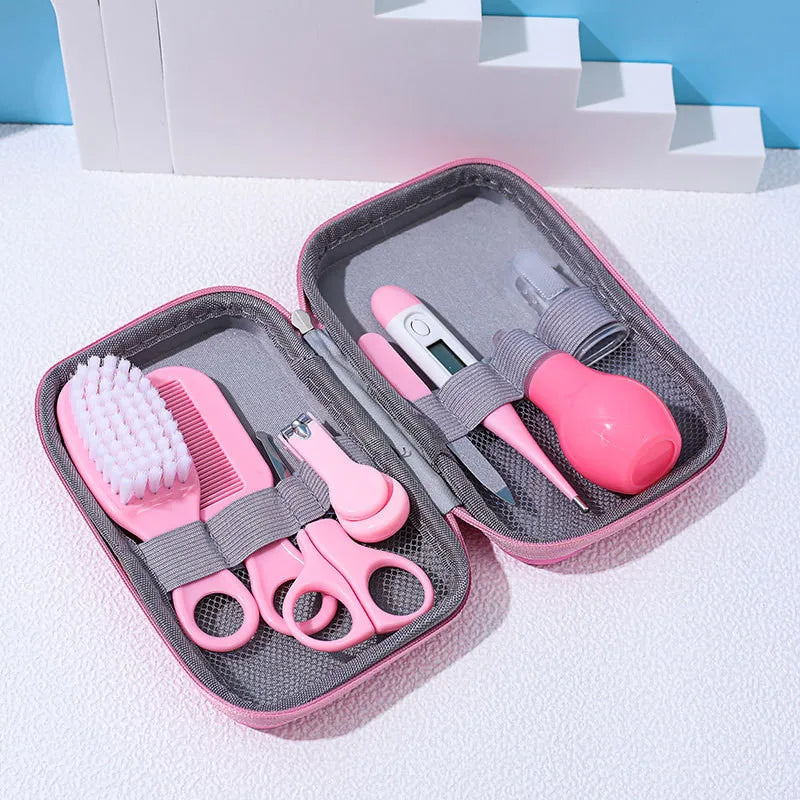
How to use an infant nasal aspirator with gentle newborn nasal care techniques.
Explore Baby Care Essentials
Why clearing a baby's nose matters
Babies younger than a few months breathe primarily through their noses, so even mild congestion can make nursing, bottle-feeding, sleeping, and settling more difficult. Removing excess mucus with the proper technique helps improve airflow while reducing the effort your baby uses to breathe during everyday activities.
Gentle suction works best when combined with saline drops that soften thick mucus first. This approach often removes secretions more effectively while requiring less suction, making the experience more comfortable for your baby.
How to Use a Nasal Aspirator Safely: Quick Answer
Short answer: If you're wondering how to use a nasal aspirator , start by placing 1–2 saline drops into the congested nostril. Wait about 30–60 seconds, then gently place the tip at the entrance of the nostril—never deep inside—and apply brief, gentle suction. Repeat on the opposite side only if needed, then clean the device thoroughly before storing it.
Quick step-by-step checklist
- Wash your hands before handling your baby's nose.
- Make sure the nasal aspirator is clean and fully assembled.
- Lay your baby comfortably on their back with gentle head support.
- Place 1–2 saline drops into the nostril and wait 30–60 seconds.
- Position the tip just inside the nostril opening without forcing it inward.
- Use gentle suction for only a few seconds at a time.
- Remove visible mucus, then repeat on the second nostril if necessary.
- Clean and sanitize the aspirator immediately after use before comforting or feeding your baby.
When to use saline before suction
Saline drops are especially helpful whenever mucus appears thick, sticky, or dried inside the nose. Moistening secretions before suction allows the aspirator to remove mucus more easily while reducing the amount of suction required. This simple step helps minimize irritation and makes the process more comfortable for infants.
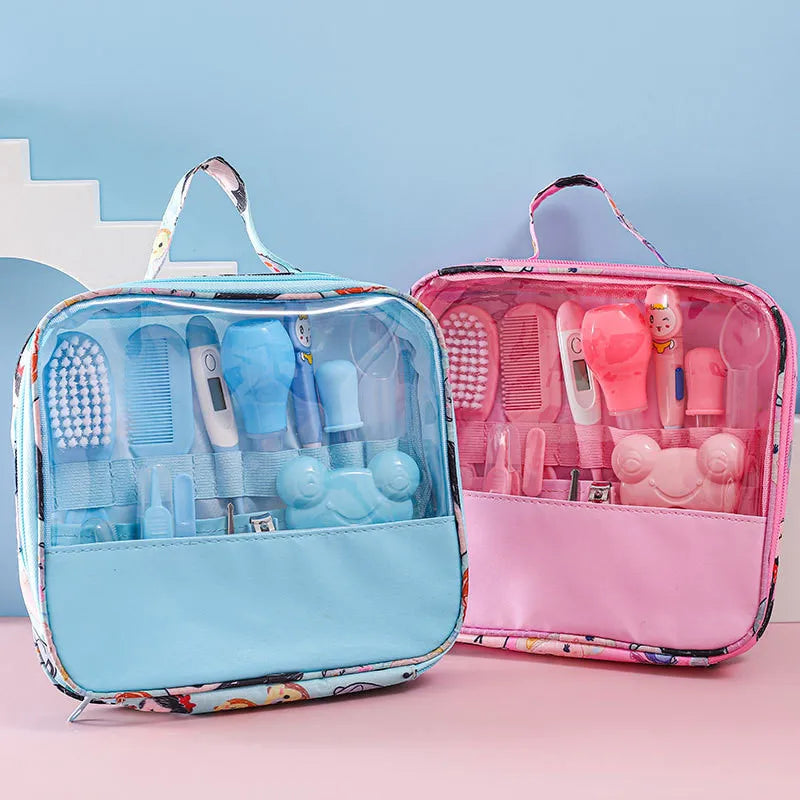
Gentle newborn nasal care and safe suction techniques for everyday congestion.
Explore Health & Safety
Bulb vs. Manual Tube vs. Electric Nasal Aspirators
Choosing the right nasal aspirator depends on how often your baby experiences congestion, your preferred cleaning routine, and the level of suction control you want. All three styles can safely remove mucus when used correctly, but each has different advantages.
| Type | Best use | Suction control | Cleaning | Typical cost |
|---|---|---|---|---|
| Bulb aspirator | Occasional congestion, newborn care, travel | Basic manual control | Requires thorough rinsing and periodic sterilization | Low |
| Manual tube aspirator | Parents who prefer direct suction control | High parent-controlled precision | Wash tubing and replace disposable filters when recommended | Low–Medium |
| Electric aspirator | Frequent congestion or thicker mucus | Adjustable suction settings on many models | Detachable washable parts with simple maintenance | Medium–High |
Which option is best? Families who only need occasional mucus removal often find a bulb aspirator sufficient. Manual tube aspirators provide excellent control for parents comfortable managing suction themselves, while electric models offer consistent suction with less hand effort and are popular for repeated use during colds.
Safety Tips and Common Mistakes
Avoid excessive suction
- Insert the tip only at the entrance of the nostril—never force it deeper into the nasal passage.
- Use gentle suction rather than maximum force. Strong suction is unnecessary and may irritate delicate nasal tissues.
- Keep each suction attempt to just a few seconds before allowing your baby to rest.
How often to suction
- Use a nasal aspirator only when congestion is interfering with feeding, sleeping, or comfortable breathing.
- Applying saline drops before suction can reduce the number of suction attempts needed.
- Avoid repeated suction throughout the day unless recommended by your pediatrician, as overuse may cause nasal irritation.
Signs to stop
- Stop if your baby becomes extremely distressed despite gentle technique.
- Discontinue use if you notice persistent bleeding, increasing irritation, or swelling around the nostrils.
- Always clean every component that comes into contact with mucus after each use and follow the manufacturer's sterilization instructions.
When to Contact a Healthcare Provider
Warning signs
Contact your healthcare provider promptly if your baby develops a fever, refuses multiple feedings, has difficulty breathing even after nasal suction, shows bluish lips or skin, or produces mucus that is bloody or remains green, yellow, or foul-smelling for more than a day.
Newborn-specific concerns
Newborns can become dehydrated more quickly when congestion interferes with feeding. If your baby is younger than 3 months and has persistent congestion, labored breathing, fewer wet diapers, unusual sleepiness, or symptoms that continue despite gentle home care, seek medical evaluation rather than increasing the frequency of suction.
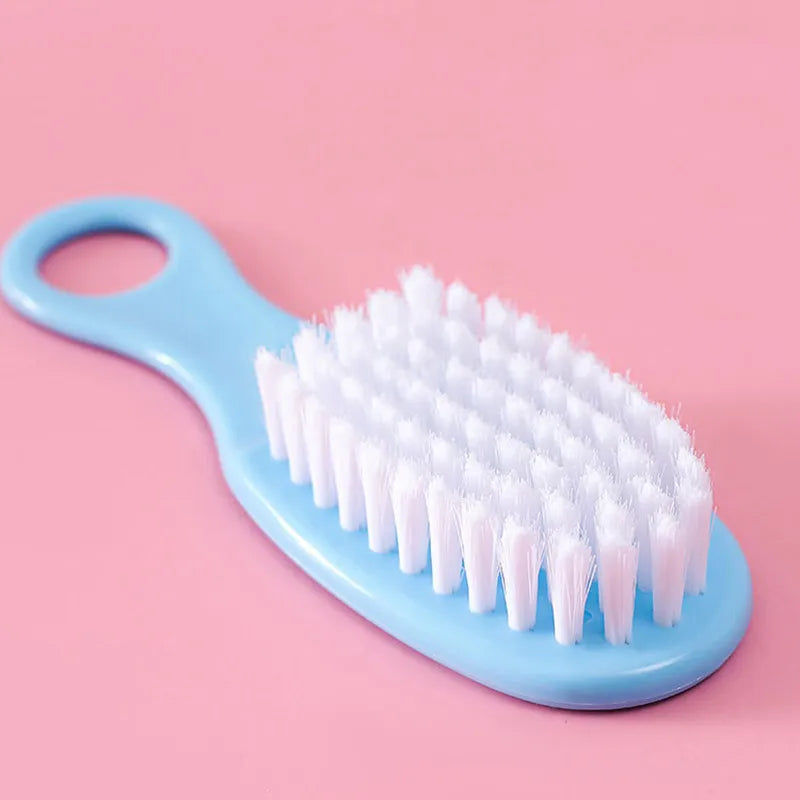
Proper cleaning and maintenance help keep your baby's nasal aspirator safe and ready for every use.
The Baby Care Kit Multi-Functional includes practical grooming and hygiene accessories that simplify routine infant care, including maintaining nasal care tools between uses.
Buy the Baby Care Kit Multi-FunctionalCleaning and Sanitizing Your Nasal Aspirator
After every use
Cleaning your nasal aspirator immediately after use helps prevent bacteria, mold, and dried mucus from building up inside the device.
- Disassemble every removable component according to the manufacturer's instructions.
- Rinse each part thoroughly under warm running water to remove visible mucus.
- Wash with mild soap and use a small cleaning brush for narrow openings and tips.
- Rinse well to remove any soap residue before drying.
- Allow all parts to air-dry completely on a clean towel before reassembling.
Deep cleaning schedule
Depending on the manufacturer's recommendations, sanitize reusable parts by boiling or using dishwasher-safe settings if approved. Replace disposable filters, worn silicone tips, or damaged components promptly to maintain effective suction and proper hygiene. Always store the aspirator in a clean, dry container between uses to reduce the risk of contamination.
Frequently Asked Questions
-
Can I use saline before every nasal aspiration?
Answer: Yes. Sterile isotonic saline drops can be used before suction whenever mucus is thick or difficult to remove. Saline softens dried secretions, allowing gentler and more effective suction. -
How often can I use a nasal aspirator on my baby?
Answer: Use a nasal aspirator only when congestion interferes with feeding, sleeping, or comfortable breathing. Avoid excessive suction throughout the day, as repeated use may irritate the nasal lining. -
Is it safe to use a nasal aspirator on a newborn?
Answer: Yes. When used gently with the correct technique and a newborn-sized tip, nasal aspirators are considered safe. Always avoid inserting the tip deeply into the nostril. -
Can I use an electric nasal aspirator instead of a bulb syringe?
Answer: Yes. Electric nasal aspirators provide consistent, adjustable suction and may be easier for parents who need to clear congestion more frequently. Bulb aspirators remain a simple and effective choice for occasional use. -
How do I know if I'm using too much suction?
Answer: If your baby becomes increasingly uncomfortable, the inside of the nose looks irritated, or you notice bleeding, stop suctioning and allow the nasal tissues to recover. Gentle, short suction is usually all that's needed. -
How should I clean and sanitize a nasal aspirator?
Answer: Wash removable parts with warm water and mild soap after every use, rinse thoroughly, dry completely, and sanitize according to the manufacturer's instructions. Replace disposable filters or worn parts as recommended. -
What should I do if no mucus comes out?
Answer: Try applying saline drops and wait 30–60 seconds before suctioning again. Confirm that the aspirator is assembled correctly and that the suction pathway is not blocked. Avoid repeated forceful attempts. -
When should I call a pediatrician for nasal congestion?
Answer: Seek medical care if your baby has difficulty breathing, refuses multiple feedings, develops a fever, has blue lips, becomes unusually sleepy, or congestion persists despite proper home care.
Final thoughts
Learning how to use an infant nasal aspirator correctly can make a meaningful difference when your baby has a stuffy nose. Gentle suction, proper preparation with saline, careful cleaning, and knowing when to seek medical advice help keep nasal care both safe and effective. With the right technique, you can support easier breathing, more comfortable feedings, and better sleep while minimizing irritation.
The Baby Care Kit Multi-Functional combines practical infant care tools with cleaning accessories and replacement components, making routine newborn hygiene more convenient for growing families.
Pillar Article: Newborn Care Items Review: Top Picks for First-Time Parents
Other Related Articles:
- Clean Newborn Nose: Comparing Aspirators and Hygienic Tools
- How to Clip Newborn Nails Safely: Best Tools Reviewed
- Newborn Care Essentials: Comparing Kits for Every Family Need
- Newborn Travel Checklist: Must-Have Gear for Stress-Free Trips
Explore More:





