

Does using modern aspirators and infant nasal sprays really make baby nasal cleaning tips more effective?
Yes. The safest baby nasal cleaning tips usually start with plain saline to loosen mucus, followed by gentle suction when congestion is interfering with feeding, sleep, or comfortable breathing. Saline helps soften secretions; an appropriately sized nasal aspirator helps remove them. These tools can improve comfort, but they do not treat the underlying cause of a cold or other illness. Knowing how to clean baby nose safely also means avoiding unnecessary or forceful suction and watching for breathing or feeding problems that need medical attention. ⏱ 5 min read
Baby Nasal Cleaning Tips: How Modern Aspirators Improve Comfort
If your baby sounds stuffy, struggles to feed because of a blocked nose, or wakes more often because of congestion, the right baby nasal cleaning tips can make routine care easier. For most babies, simple saline drops or spray can loosen mucus, while a gentle infant nasal aspirator can remove loosened secretions when needed. This guide explains how to clean baby nose safely , how to choose between manual and electric aspirators, what mistakes to avoid, and when congestion requires a pediatrician rather than more suction.
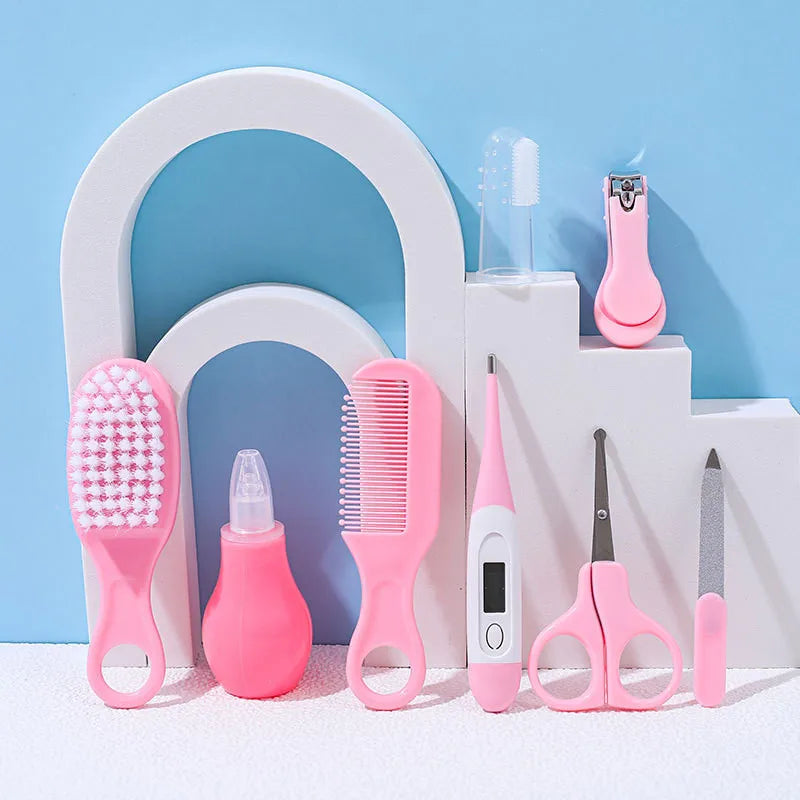
baby nasal cleaning tips + gentle newborn nasal care — See it in action.
Why newborn nasal congestion happens and when cleaning is necessary
Newborns and young infants have small nasal passages, so a relatively small amount of mucus can sound significant and make breathing through the nose more difficult. Because babies often breathe through their nose while feeding, congestion can contribute to shorter or interrupted feeds and make settling for sleep harder.
Common causes include a viral cold, dry air, normal mucus, or exposure to irritants such as smoke and strong fragrances. Nasal cleaning is most useful when mucus is visibly blocking the nostrils or congestion is making feeding, sleeping, or comfortable breathing harder. A noisy nose by itself does not always mean that suction is necessary.
Signs your baby's nose may be blocked
- Noisy, congested, or snorting sounds from the nose.
- Difficulty coordinating sucking and breathing during feeds.
- Pulling away from the breast or bottle because breathing is uncomfortable.
- Visible mucus around the nostrils.
- More frequent waking or difficulty settling when congested.
Baby nose cleaning frequency: there is no need to clean a baby's nose on a fixed schedule. Use saline and gentle suction only when congestion is causing a problem. Repeated suction when the nose is already clear can irritate the nasal lining and may increase swelling.
What actually works? — Quick answer
How to clean baby nose safely: start with plain saline drops or an infant-appropriate saline spray to loosen mucus, wait briefly, then use a clean, soft-tip nasal aspirator at the lowest effective suction. Keep the tip at the entrance of the nostril rather than inserting it deeply. Stop if the baby becomes distressed or develops breathing difficulty.
Saline and suction have different jobs. Saline moistens and loosens dried or thick mucus, while an aspirator mechanically removes mucus that the baby cannot easily clear. Neither method cures the infection causing congestion, and neither should replace medical assessment when a baby has concerning symptoms.
When is nasal cleaning most useful?
Nasal cleaning can be particularly helpful before a feed or before sleep when congestion is interfering with comfort. If your baby is breathing comfortably, feeding normally, and has no visible blockage, routine suction is generally unnecessary.
What you need before cleaning your baby's nose safely
A simple setup is usually better than a large collection of specialized products. Gather the supplies before starting so you can keep one hand supporting your baby and avoid rushing through the process.
- Plain saline drops or infant saline spray: choose a simple saline product without added medication unless your pediatrician specifically recommends another product.
- Infant nasal aspirator: select a soft, appropriately sized tip and a suction level you can control.
- Clean tissues or a soft cloth: use these to wipe mucus from around the nostrils.
- Clean water and washing supplies: follow the aspirator manufacturer's cleaning instructions after use.
- A calm, supported surface: have your baby comfortably supported before beginning.
If you are learning how to use nasal aspirator for baby , read the manufacturer's instructions first. Different bulb, tube-based, and electric devices have different cleaning requirements and suction mechanisms.
Step-by-step: how to clean baby nose safely with saline and suction
The following sequence keeps nasal care simple and minimizes unnecessary irritation.
- Wash your hands. Clean your hands before handling saline or the aspirator.
- Position your baby securely. Hold your baby comfortably with the head supported. Avoid forcing the head backward or holding the baby in an unsafe position.
- Apply plain saline. Place the recommended amount of saline at the nostril entrance according to the product directions. Saline helps soften thick or dried mucus.
- Allow the saline to work briefly. Give the saline a short time to loosen secretions. You do not need to leave the baby waiting for a long period.
- Use the aspirator gently. Place the soft tip at the nostril opening and use the lowest effective suction. Do not push the tip deeply into the nose.
- Stop when the blockage is adequately cleared. More suction is not automatically better. If mucus does not come out after gentle attempts, give the nose a break rather than repeatedly increasing force.
- Wipe the outside of the nose. Use a soft, clean cloth or tissue to remove remaining mucus.
- Clean the aspirator. Disassemble and wash reusable components exactly as directed by the manufacturer, then allow them to dry completely before storage.
How to choose the right nasal aspirator for your baby
The best aspirator is not necessarily the most powerful one. For infants, comfort, controlled suction, an appropriate tip, and easy cleaning matter more than maximum suction strength.
- Soft, infant-sized tip: helps keep the device at the nostril entrance without unnecessary pressure.
- Controlled suction: allows gentle cleaning rather than relying on maximum force.
- Easy disassembly: makes it easier to clean mucus from every reusable component.
- Clear reservoir: lets you see whether mucus has been collected and when cleaning is needed.
- Appropriate noise level: a quieter device may be easier to use with babies who startle easily.
- Portable design: can be useful for families who want to keep an aspirator in a newborn care kit or diaper bag.
Need a starter set? Get the Baby Care Kit that pairs saline spray, aspirator, and compact storage for on-the-go care.
Electric nasal aspirator vs manual: pros, cons, and safety differences
Both manual and electric aspirators can be useful when used according to their instructions. The key difference is how suction is generated and controlled.
| Type | Potential advantages | Considerations |
|---|---|---|
| Manual bulb | Simple, lightweight, inexpensive, and does not require batteries. | Suction can be less predictable, and the bulb must be cleaned thoroughly so mucus does not remain inside. |
| Mouth-controlled tube aspirator | Allows the caregiver to regulate suction directly and can be effective when mucus is difficult to remove. | Requires careful cleaning and correct assembly; follow the manufacturer's instructions for filters and hygiene. |
| Electric aspirator | Provides consistent suction and may offer multiple suction settings, making it convenient for some families. | Usually costs more, requires charging or batteries, and motorized suction should still be used gently. |
Pros / Cons quick comparison
- Manual aspirators: practical for occasional use, travel, and families who prefer a simple device.
- Electric aspirators: convenient when controlled, consistent suction and easier operation are priorities.
- Either type: safety depends on correct positioning, gentle suction, an age-appropriate tip, and proper cleaning—not simply whether the device is manual or electric.
Is nasal aspirator safe for newborns? An appropriately designed infant aspirator can be used safely when the manufacturer's instructions are followed and suction is gentle. The tip should not be inserted deeply, and repeated or forceful suction should be avoided.
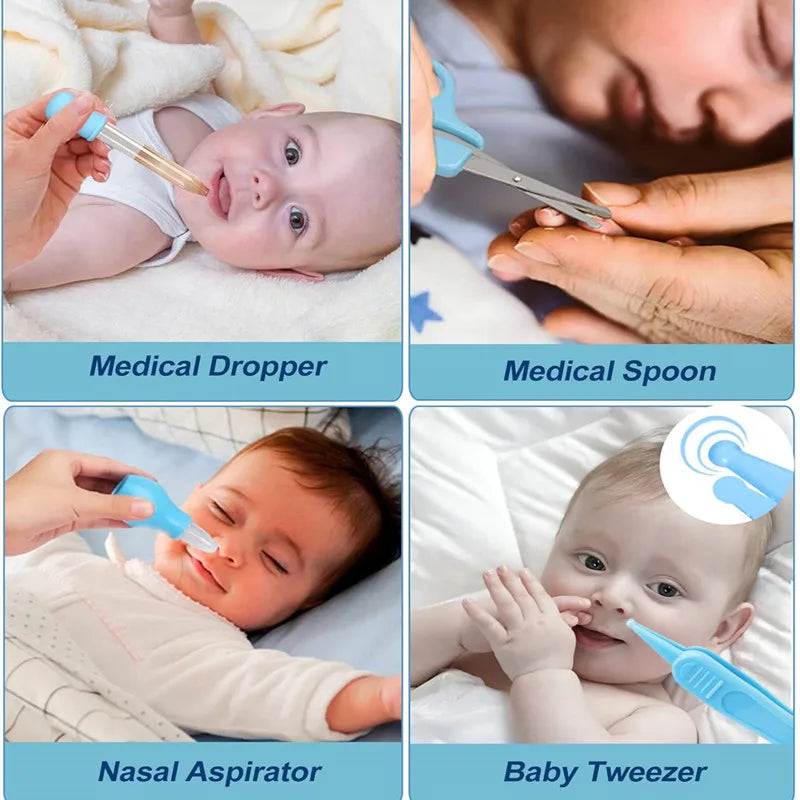
gentle newborn nasal care + best infant nasal spray — See it in action.
Safety rules every parent should follow during nasal cleaning
Gentle technique matters more than removing every visible bit of mucus. Keep nasal care limited to what your baby needs for comfort and easier breathing.
- Never insert an aspirator tip deeply. Keep the tip at or just outside the nostril opening according to the device instructions.
- Use saline before suction when mucus is thick or dry. Moistening secretions can make them easier to remove and reduce the need for forceful suction.
- Use the lowest effective suction. Stronger suction is not necessarily more effective and may irritate delicate nasal tissue.
- Do not repeatedly suction a clear nose. Excessive suction can irritate the nasal lining.
- Use age-appropriate equipment. Avoid adult-sized tips, unapproved attachments, or devices that are not designed for infants.
- Keep reusable components clean and completely dry. Follow the manufacturer's instructions rather than assuming every part can be boiled or placed in a dishwasher.
- Stop if your baby becomes very distressed. Comfort your baby and try again later if appropriate rather than forcing the procedure.
Common mistakes and troubleshooting difficult nose cleaning situations
What is the best way to clean baby nose boogers?
For dry mucus around the nostril opening, soften it first with plain saline. After it loosens, gently wipe the outside of the nostril with a clean, soft cloth or tissue. If mucus remains deeper in the nose and is affecting breathing or feeding, gentle suction can be used with an infant-appropriate aspirator. Avoid picking inside the nose with fingernails, cotton swabs, or other objects.
What if the mucus is stubborn?
Do not respond to stubborn mucus by immediately increasing suction. Apply saline, wait briefly, and make another gentle attempt. If the mucus remains but your baby is breathing comfortably and feeding normally, it may be better to leave it alone and let normal nasal secretions move naturally.
What if my baby cries or resists?
Crying can make nasal care more difficult. Try holding your baby securely, speaking calmly, and using short attempts. You can pause between nostrils or stop and try later. A quieter aspirator may help if motor noise is the main problem.
Can I clean my baby's nose while they sleep?
It is generally safer to perform nasal care when you can clearly see and control the baby's position and the device. Do not insert or operate an aspirator while you cannot adequately monitor your baby's response. If congestion is disrupting sleep, consider gentle saline and nasal care before settling the baby rather than repeatedly waking or disturbing them.
How can I unclog a baby's nose naturally?
Simple measures such as plain saline, maintaining comfortable humidity, and keeping the baby's environment free from smoke and strong irritants can help with nasal comfort. Never use essential oils, menthol products, or medicated decongestants for an infant unless a healthcare professional specifically recommends them.
Newborn nasal care kit checklist: essentials to keep ready
A practical newborn nasal care kit should contain only the supplies you are likely to use. Keeping them together can make nighttime or travel care less stressful without encouraging unnecessary treatment.
- Plain saline drops or infant saline spray: for loosening mucus.
- Soft-tip infant nasal aspirator: manual or electric according to your preference and your baby's needs.
- Clean tissues or a soft washcloth: for wiping mucus from the outside of the nose.
- Replacement tips or filters: only when required by the aspirator manufacturer.
- Cleaning supplies: appropriate for the specific reusable components.
- Thermometer: useful for monitoring temperature when your baby is unwell.
Store nasal-care equipment clean and dry, away from dirty diapers and other contaminated items. Check reusable parts regularly for cracks, discoloration, residue, or damage, and replace them according to the manufacturer's instructions.
Consider a ready-made set: Get the Baby Care Kit that bundles essentials into a travel-ready case.
When to call a pediatrician about baby nasal congestion
Nasal congestion is common, but babies can become seriously ill more quickly than older children. Nasal cleaning should never delay medical evaluation when warning signs are present.
Seek prompt medical advice if your baby has:
- Difficulty breathing: such as persistent rapid breathing, significant chest pulling in with breaths, grunting, pauses in breathing, or visibly struggling to breathe.
- Blue, gray, or unusually pale lips or skin: this can indicate an urgent breathing or circulation problem.
- Significant feeding difficulty: especially if congestion or illness is preventing adequate intake.
- Signs of dehydration: such as substantially fewer wet diapers than usual or unusual sleepiness.
- Fever in a young infant: follow your pediatrician's guidance for the age of your baby, because fever in very young infants warrants prompt medical assessment.
- Symptoms that are worsening or not improving: particularly when congestion occurs with cough, fever, poor feeding, or unusual lethargy.
If you are worried about your baby's breathing or overall condition, do not rely on an aspirator to solve the problem. Contact a healthcare professional for individualized advice.
Helpful product features when choosing a baby nasal aspirator
When comparing products, focus on features that support controlled, hygienic use rather than claims about unusually powerful suction.
- Gentle or adjustable suction settings: allow you to use only the amount of suction needed.
- Soft silicone or similarly gentle infant tip: reduces the risk of uncomfortable contact with delicate nasal tissue.
- Easy-to-clean reservoir: helps prevent mucus residue from remaining inside the device.
- Simple disassembly: makes routine cleaning more practical.
- Replaceable filters or tips: useful when the manufacturer requires regular replacement.
- Quiet operation: can make nasal care easier for noise-sensitive babies.
- Clear instructions and age guidance: help caregivers understand how and when the device should be used.
Frequently asked questions about baby nose cleaning
How often should I clean my baby's nose?
There is no universal daily schedule. Use saline and gentle suction when mucus is interfering with feeding, sleep, or comfortable breathing. Avoid repeated suctioning simply to make the nose completely clear, because excessive suction can irritate the nasal lining.
Are nasal aspirators safe for newborns?
An infant-specific nasal aspirator can be safe when used according to its instructions, with gentle suction and a properly sized tip. Do not insert the tip deeply, use excessive suction, or substitute an adult device for an infant product.
How do I use saline spray for a baby's nose?
Use plain saline intended for infants and follow the product's directions for the appropriate amount and application method. Place the saline at the nostril as directed, allow it a short time to loosen mucus, and then use gentle suction only if congestion still needs to be cleared. Avoid medicated nasal sprays unless a healthcare professional recommends them.
What is the best way to clean baby nose boogers?
For mucus at the nostril opening, soften dry material with saline and gently wipe it away with a clean, soft cloth. For mucus deeper in the nose that is affecting breathing or feeding, saline followed by gentle suction with an infant aspirator is a practical approach. Do not use cotton swabs, fingernails, or other objects inside the nostril.
How can I unclog a baby's nose naturally?
Plain saline, comfortable humidity, and avoiding smoke or strong airborne irritants can support nasal comfort. Babies can often clear normal mucus without intervention, so avoid unnecessary suction. Do not give an infant over-the-counter decongestants or use essential oils unless specifically directed by a healthcare professional.
Should I use an electric nasal aspirator or manual aspirator?
Either can work when used correctly. A manual aspirator is simple and portable, while an electric model can provide consistent, adjustable suction and may be easier for some caregivers. Choose based on gentle suction control, infant-appropriate design, cleaning requirements, and ease of use rather than maximum suction power.
newborn health kit + best infant nasal spray — See it in action.
Final steps: make safe nasal care part of your baby's routine
The most useful baby nasal cleaning tips are simple: clean your hands, use plain saline to loosen mucus, suction gently only when needed, keep the aspirator clean, and stop when your baby's breathing is comfortable. Avoid turning nasal care into a routine that happens several times a day when there is no blockage.
For nighttime congestion, prepare the supplies before settling your baby so you can respond calmly if mucus interferes with feeding or sleep. Most importantly, monitor the whole picture rather than focusing only on the nose. Changes in breathing, feeding, hydration, alertness, or temperature can be more important than the amount of mucus you can remove.
Helpful collections for related baby care items
Pillar Article: Newborn Nail Care Help: Features That Ensure Safe Trimming
Other Related Articles:
Explore More:
- Newborn Care Essentials: Comparing Kits for Every Family Need
- How to Use an Infant Nasal Aspirator: Top Picks for Comfort
Mini FAQ (quick answers)
- How soon can I use an aspirator after birth? Infant-specific nasal aspirators may be used in newborns when appropriate and according to the product instructions. If your newborn has significant congestion, breathing difficulty, poor feeding, or other concerning symptoms, ask your pediatrician for individualized guidance.
- Can aspiration prevent ear infections? Gentle nasal cleaning may improve comfort when a baby is congested, but an aspirator cannot guarantee prevention of an ear infection and should not replace medical evaluation when symptoms develop.
- What if my baby hates the aspirator? Stop if your baby becomes very distressed, comfort them, and try again later if needed. Using saline first, choosing a quieter device, and keeping attempts brief may make nasal care easier.





