

Newborn Nail Care Help: Safe Trimming Tips and Features Parents Need to Know
Looking for newborn nail care help that makes trimming less stressful? Caring for newborn nails can feel intimidating at first because tiny fingers, fast-growing nails, and a moving baby leave little room for mistakes. With the right approach, safe tools, and gentle techniques, baby nail care becomes a simple routine that protects delicate skin while keeping your baby comfortable. This guide explains the safety-focused features and methods parents should know before the first trim.
Does newborn nail care help really reduce trimming stress?
Yes. Newborn nail care help can reduce trimming stress by combining safe techniques with tools designed for better control, such as small rounded-edge clippers, soft nail files, and comfortable grips. Regular baby nail care helps prevent accidental scratches, keeps newborn nails smooth, and gives parents more confidence during each trimming session. Choosing a gentle newborn nail kit with safety-focused features can make the process calmer for both parent and baby.
⏱ 10 min read
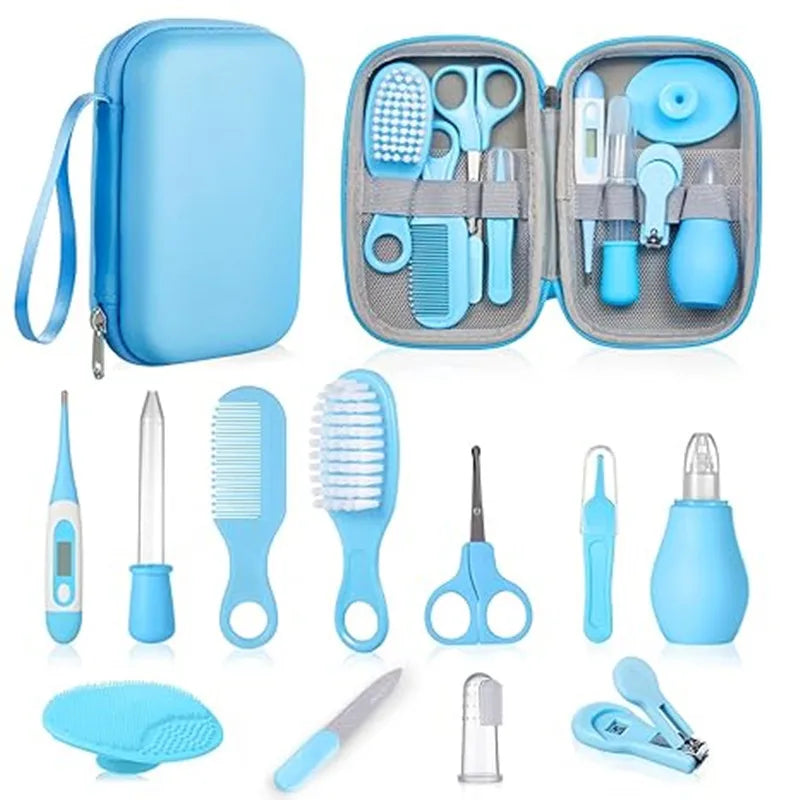
newborn nail care help + newborn nail kit See it in action — gentle tools for a calm trim.
Why newborn nail care matters (quick facts)
Newborn nails may look soft and delicate, but they can still become surprisingly sharp. During the first weeks after birth, nails grow quickly and may develop uneven edges that can scratch your baby’s face, neck, or other sensitive skin areas. Regular newborn nail care helps keep these edges smooth while supporting better hygiene and comfort.
For many new parents, the biggest challenge is not knowing when or how to start. The goal is not to cut nails as short as possible, but to safely maintain them by trimming only the sharp free edge and avoiding unnecessary pressure around the fingertip.
Common parenting worries
- Fear of causing a newborn nail cut: Many parents worry about accidentally trimming too close because newborn fingers are small and delicate.
- A moving baby during trimming: Sudden movements can make even simple nail care feel difficult without proper positioning and patience.
- Choosing unsuitable tools: Standard adult nail tools may be too large or difficult to control for tiny newborn nails.
- Uncertainty about timing: Parents often wonder when to cut newborn nails and how frequently maintenance is needed.
When to start caring for newborn nails
Newborn nail care can begin when nails become long enough to catch on clothing or create sharp edges. Some babies are born with longer nails, while others may not need trimming immediately. Instead of following a strict schedule from the first day, check your baby’s nails regularly and trim when needed.
During the early weeks, gentle filing may be preferred by some parents because it smooths rough edges without using a cutting motion. As confidence grows, many parents choose small baby-safe clippers or rounded-tip scissors designed for newborn nail care.
Which baby gear suits your newborn best? Read on!
What to look for in a newborn nail kit — safety-first features
The best newborn nail kit is not simply the one with the most accessories. It should provide better control, reduce the chance of mistakes, and match your comfort level as a parent. Safety-focused design features can make everyday baby nail care easier and more predictable.
Must-have features for safer newborn nail trimming
- Rounded blades or safety guards: These designs help limit exposed cutting areas and make it easier to trim only the nail edge instead of getting too close to the skin.
- Soft, non-slip grips: A comfortable handle improves stability and control, especially when trimming tiny nails or working around baby movements.
- Small jaw size: Baby-sized clippers allow more precise trimming compared with larger adult nail tools.
- Gentle nail files: Soft buffers can smooth sharp corners after trimming and may be helpful for parents who prefer a gradual approach.
- Clear visibility: Good lighting, magnification, or built-in LED features can help parents see the nail edge more clearly during careful trimming.
- Protective storage case: A clean case keeps nail tools together and reduces exposure to dust between uses.
- Rounded-tip scissors: Parents who prefer scissors should look for small, blunt tips designed for baby grooming tasks.
For product options and tools that match these features, check the Baby Nail Care Tools collection.
Step-by-step: Safe newborn nail trimming that reduces stress
Learning how to trim newborn nails safely is mostly about preparation, patience, and using controlled movements. Choose a calm moment instead of rushing through the process. Many parents find that trimming after feeding or during a relaxed sleep period works best.
Choose the right time and position
Select a time when your baby is calm and less likely to move suddenly. A well-supported position helps you maintain control. Some parents prefer having another adult gently hold the baby’s hand while they focus on trimming.
Prepare safe tools before trimming
Before starting, make sure your tools are clean and ready. Use a baby-specific nail clipper, rounded-tip scissors, or a soft file rather than household nail tools. Good lighting is also important because newborn nails are small and easy to confuse with surrounding skin.
Trim or file nails with gentle techniques
- Hold your baby’s finger gently and separate the fingertip pad from the nail edge.
- Trim only the sharp free edge of the nail rather than cutting deeply.
- Make small cuts instead of removing a large section at once.
- Use a soft file to smooth any remaining rough corners.
- Check each nail after trimming to ensure no sharp edges remain.
What to do after trimming
After finishing, check your baby’s fingertips and clean away any nail pieces. Comfort your baby afterward to create a calm association with grooming routines. If you accidentally trim too close, apply gentle pressure with clean gauze or a soft cloth. Seek medical advice if bleeding does not stop or if signs of infection appear.
Choosing safe newborn nail tools: how design features support safer trimming
The safest newborn nail tools are designed around control, visibility, and gentle handling. While the tool itself does not replace careful technique, the right features can make newborn nail trimming safer and easier for parents who are still building confidence.
Safe baby nail clippers features: control matters most
Safe baby nail clippers are typically smaller than adult versions and designed to match tiny nail beds. Rounded cutting edges, protective guards, and compact jaws help parents focus on trimming the nail tip instead of cutting too close to surrounding skin.
A comfortable grip is also important. A non-slip handle allows steadier movements, especially when a newborn moves unexpectedly. Better control helps parents make smaller, more precise trims rather than rushing through the process.
Baby nail files for gentle smoothing
Baby nail files are useful for smoothing rough edges after clipping or for parents who prefer a slower approach. A soft buffer can gradually reduce sharp corners without requiring repeated cuts, making it a practical option for delicate newborn nails.
For very young babies or first-time parents who feel nervous about clipping, filing may provide an extra layer of confidence because it focuses on shaping the edge rather than removing a larger section of nail.
Electric trimmers for nervous parents
Electric newborn nail trimmers use gentle filing surfaces instead of sharp cutting blades. They can be helpful for parents who are concerned about trimming too close or for babies who move frequently during grooming.
When choosing an electric trimmer, look for baby-specific attachments, gentle settings, and a design that allows clear visibility of the nail edge. Some babies may need time to adjust to the sound or vibration, so introduce the tool slowly.
Lighting and storage features that improve safety
Good visibility plays an important role in newborn nail care. Built-in lights, magnifiers, or a well-lit trimming area can help parents distinguish the nail edge from delicate fingertip skin.
Clean storage is also part of safe baby nail care. A protective case helps keep tools organized between uses and reduces exposure to dust or other contaminants. Washable or easy-to-clean materials are helpful for maintaining good hygiene.
Explore supportive tools in Health & Safety and practical kits in Baby Care Essentials .
Clippers vs. scissors vs. electric nail trimmers: which is safest?
There is no single tool that works best for every family. The safest choice depends on your comfort level, your baby’s movement, and how much control you need during trimming. Comparing the options can help you select a tool that fits your newborn nail care routine.
| Tool | Best for | Benefits | Considerations |
|---|---|---|---|
| Rounded baby nail clippers | Parents who want quick trimming | Compact size, simple operation, designed for small nails | Requires careful finger positioning and steady handling |
| Rounded-tip baby scissors | Parents who prefer more visual control | Allows precise trimming with small movements | May take longer and requires good lighting |
| Electric nail trimmers with soft buffers | Nervous parents or babies who move often | Gentle filing action, no sharp cutting edge, gradual smoothing | Some babies may need time to become comfortable with the sound |
For gentle buffers and ergonomic clippers, browse Baby Nail Care Tools .
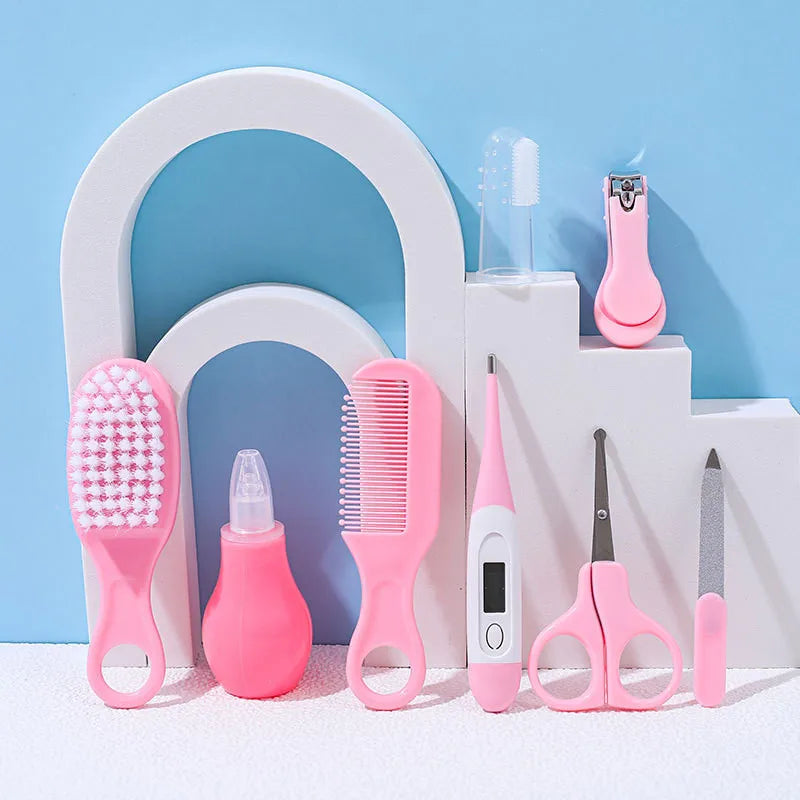
newborn nail kit + nail care for newborns See it in action — gentle filing and safe clippers.
How to choose the right newborn nail kit for your needs
The best newborn nail kit should match your confidence level, your baby’s behavior, and your preferred grooming routine. Instead of choosing based only on the number of accessories included, focus on features that improve safety and comfort.
Scenario: You're anxious about cutting newborn nails
If you are worried about accidental cuts, consider tools that provide gradual control. Soft nail files, gentle buffers, and small rounded-tip scissors can help you become comfortable with newborn nail care before moving to faster trimming methods.
Scenario: Your baby moves often during grooming
For active or easily distracted babies, choose tools that support shorter, calmer sessions. A compact clipper with a safety-focused design or a gentle electric trimmer may make the process easier when combined with proper positioning and good timing.
Scenario: You need a portable solution
Families who travel or carry baby essentials between locations may benefit from a lightweight kit with organized storage. A protective case keeps grooming tools together and makes quick nail checks easier during outings.
Checklist before choosing a newborn nail kit
- Baby-sized tools designed for small nails
- Rounded edges or protective features
- Comfortable, non-slip grip
- Soft nail file or buffer included
- Easy-to-clean storage case
- Clear instructions for safe use
Explore kits that meet these criteria and consider this product: baby-care-kit-multi-functional .
Common newborn nail trimming problems and solutions
Even with the right tools, newborn nail trimming can feel challenging at first. These common situations are normal for many parents. Understanding how to respond can make baby nail care safer and less stressful.
Baby moves too much during trimming
Newborns naturally move their hands and fingers, which can make precise trimming difficult. Choose a calm moment, such as after feeding or during a relaxed period, and support your baby’s hand gently before starting.
If your baby continues moving, pause instead of rushing. A second caregiver can help hold the baby comfortably, or you can trim one or two nails at a time over several short sessions.
Accidentally cutting the skin
A small accidental newborn nail cut can happen, especially when parents are learning. Apply gentle pressure with clean gauze or a soft cloth until the area stops bleeding. Avoid repeatedly checking the cut, as this can interrupt clotting.
Contact your healthcare provider if bleeding does not stop, the cut appears significant, or you notice signs of infection such as increasing redness, swelling, warmth, or discharge.
Rough, peeling, or uneven newborn nails
Newborn nails can sometimes have uneven edges or small areas that feel rough. Avoid cutting nails too short, as this may make the fingertip more sensitive. A soft baby nail file can help smooth sharp areas without removing too much nail.
For dry-looking fingertips, follow your pediatrician’s guidance before applying any skincare products. A gentle newborn skincare routine can help support overall baby comfort.
Keeping nail tools clean
Clean nail tools help maintain good baby hygiene. After each use, wash reusable tools according to the manufacturer’s instructions, allow them to dry completely, and store them in a clean container or case.
Replace worn files or buffer surfaces when they become damaged or difficult to clean. Keeping grooming items separate from other household tools is also a simple way to support safer newborn care.
Newborn nail care safety checklist: quick reference for parents
A simple checklist can help parents feel more prepared before each trimming session. Use these steps as a newborn nail trimming guide to create a safer and calmer routine.
Before trimming
- Choose a calm time when your baby is relaxed.
- Wash your hands and prepare clean baby nail tools.
- Use bright lighting so you can clearly see the nail edge.
- Make sure your baby’s finger is supported and comfortable.
- Decide whether clipping or gentle filing is more suitable for the situation.
During trimming
- Hold the fingertip pad away from the nail before trimming.
- Remove only the sharp free edge of the nail.
- Make small, controlled movements instead of cutting large sections.
- Stop if your baby becomes too unsettled and continue later if needed.
- Use a soft file to smooth any remaining sharp corners.
After trimming
- Check each nail for rough edges.
- Clean away loose nail pieces.
- Store tools safely after use.
- Monitor any small cuts for unusual redness, swelling, or irritation.
Tool comparison at a glance
- Rounded baby clippers: ✅ Fast and practical, ✅ Designed for small nails, ❌ Requires careful positioning
- Rounded-tip scissors: ✅ Precise control, ✅ Helpful for parents who prefer scissors, ❌ Needs good visibility
- Electric buffers: ✅ Gentle filing approach, ✅ Useful for nervous parents, ❌ Some babies may need time to adjust
Usage guidance
Helpful visuals for newborn nail care should show how to support the fingertip, where to trim (only the free nail edge), and how to gently file rough areas. Clear demonstrations can reduce hesitation and help new parents build confidence.
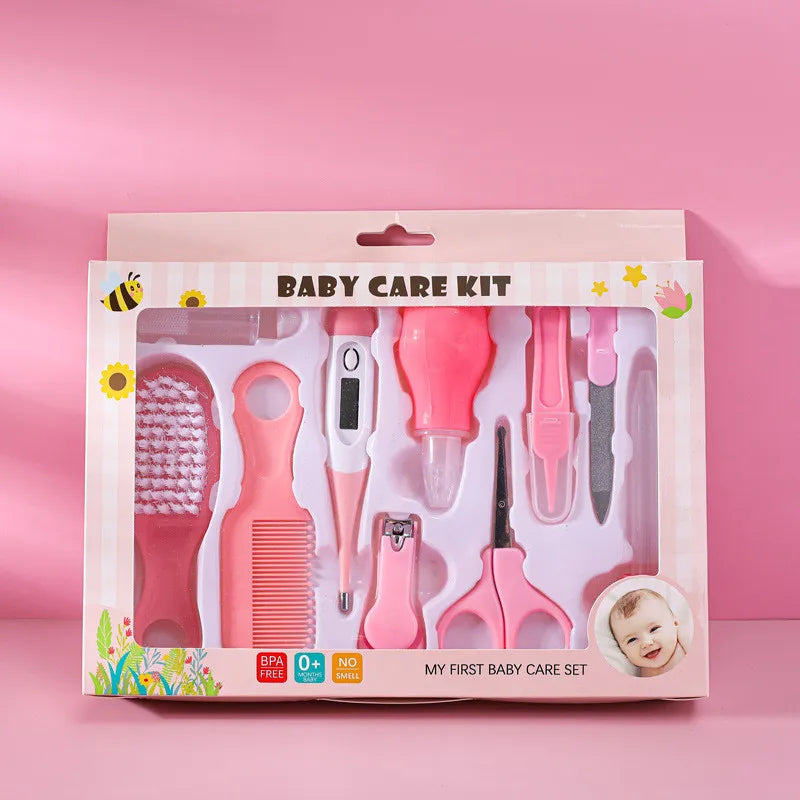
newborn nail cut + nail care for newborns See it in action — safe trimming tools and calming routines.
Mini FAQ
1. How often should I trim my newborn’s nails?
Many newborns need nail care once or twice a week because their nails can grow quickly. Instead of following an exact schedule, check regularly and trim whenever nails become sharp, catch on clothing, or create scratching concerns.
2. When can I start cutting newborn nails?
You can begin caring for newborn nails when they become long or sharp enough to need attention. Some babies need trimming soon after birth, while others may only need gentle filing at first. Choose a calm time and use baby-safe tools.
3. What is the safest way to trim newborn nails?
The safest approach is to support your baby’s finger, use appropriate newborn nail tools, trim only the nail edge, and avoid rushing. Good lighting and a calm environment also help improve control.
4. Should newborn nails be filed instead of clipped?
Filing can be a good option for parents who feel nervous about clipping or for smoothing sharp edges after trimming. Baby nail files and soft buffers remove rough areas gradually, while small baby clippers can be useful when more length needs to be removed.
5. What should I do if I cut my baby’s finger while trimming nails?
If a small cut happens, apply gentle pressure with clean gauze or a soft cloth. Most minor cuts stop quickly. Contact your pediatrician if bleeding continues or if you notice possible signs of infection.
6. Can I bite my baby’s nails instead of trimming them?
No. Biting newborn nails is not recommended because it can introduce germs and makes it harder to control the trimming process. Use clean baby nail tools or a soft file designed for newborn care.
7. Are electric nail trimmers safe for newborns?
Baby-specific electric nail trimmers with gentle filing attachments can be safe when used according to the manufacturer’s instructions. They may be helpful for parents who prefer a gradual approach, but always monitor your baby’s comfort and avoid pressing too firmly.
Related Articles:
- Baby Nasal Cleaning Tips: How Modern Aspirators Improve Comfort
- Safe Baby Hygiene Tools: Benefits for Daily Newborn Care
Pillar Articles:





