

Step-by-step: Set Up a Safe Seat
A secure seating setup often prevents slipping more effectively than simply adding extra padding. Before every meal or play session, take a few moments to check that the chair fits your baby's size, supports an upright posture, and allows the feet to rest against a stable surface whenever possible.
- Choose a stable seat. Select a soft cushioned baby seat for feeding or infant support chair with a wide, non-slip base and age-appropriate support.
- Secure the seat properly. If the product includes safety straps, fasten them according to the manufacturer's instructions. For compatible chairs, ensure the seat cannot shift during use.
- Position the hips correctly. Slide your baby fully back so the hips rest against the back support. Keeping the pelvis stable helps reduce forward sliding.
- Support the feet. Whenever possible, use a footrest or another stable surface that allows the feet to bear light pressure. Good foot support improves balance and sitting posture.
- Check alignment. Make sure your baby's shoulders remain centered, the back stays upright, and the head is comfortably aligned instead of leaning excessively forward.
- Stay within arm's reach. Continuous adult supervision remains essential, even when using supportive seating accessories.
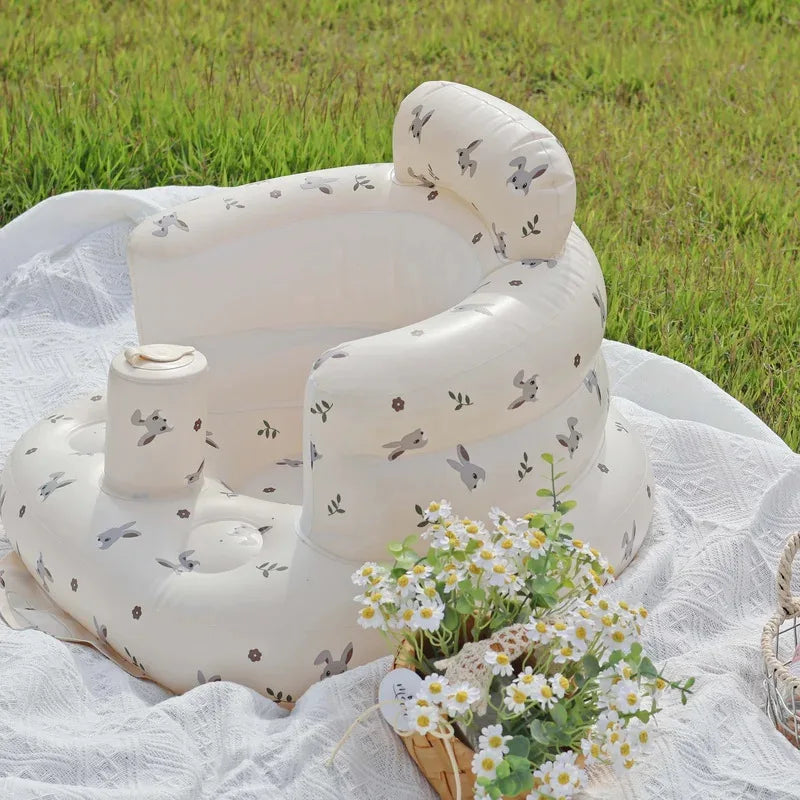
Infant support chair + baby balance training cushion — soft cushioned baby seat for feeding. See it in action.
Key safety reminders
- Choose seating that matches your baby's current height, weight, and developmental stage.
- Inspect straps, buckles, and non-slip surfaces regularly for signs of wear.
- Avoid stacking cushions or folded blankets underneath your baby unless specifically approved by the chair manufacturer.
- If your baby consistently slides despite proper adjustments, reassess the chair fit before purchasing additional accessories.
How to use a portable potty for travel
A simple routine helps toddlers feel comfortable using a travel potty away from home. The goal is to make each step predictable, from setup to cleanup, so potty training stays consistent during trips.
- Prepare a travel potty kit: Pack the portable potty, several disposable potty liners , wipes, hand sanitizer, and a sealed disposal bag before leaving home.
- Introduce the potty calmly: Use a familiar phrase such as “Let’s take a quick potty break” to create a positive routine instead of waiting until an emergency.
- Set up securely: Open the foldable potty for travel , make sure locking parts are stable, and attach the liner correctly before your toddler sits down.
- Support your toddler: Encourage your child with simple praise and reassurance, especially when using the potty in a new environment.
- Dispose and clean: Remove and seal the used liner, wipe the potty surface, and store the accessory in a clean bag until the next use.
Quick comparison: travel potty options
Choosing the right travel potty depends on where you travel, how much storage space you have, and whether quick cleanup is your priority. This comparison highlights the main differences between common options.
| Option | Portability | Cleanup | Best for |
|---|---|---|---|
| Foldable potty (hard shell) | High — folds flat for bags and vehicles | Medium — easiest with disposable liners | Day trips, parks, outdoor activities |
| Portable potty seat (toilet adapter) | Medium — compact but requires access to a toilet | Low — usually needs only wiping | Restaurants, malls, public restrooms |
| Disposable liner + bag system | Highest — lightweight supplies | Highest — remove, seal, and dispose | Airports, road trips, emergency stops |
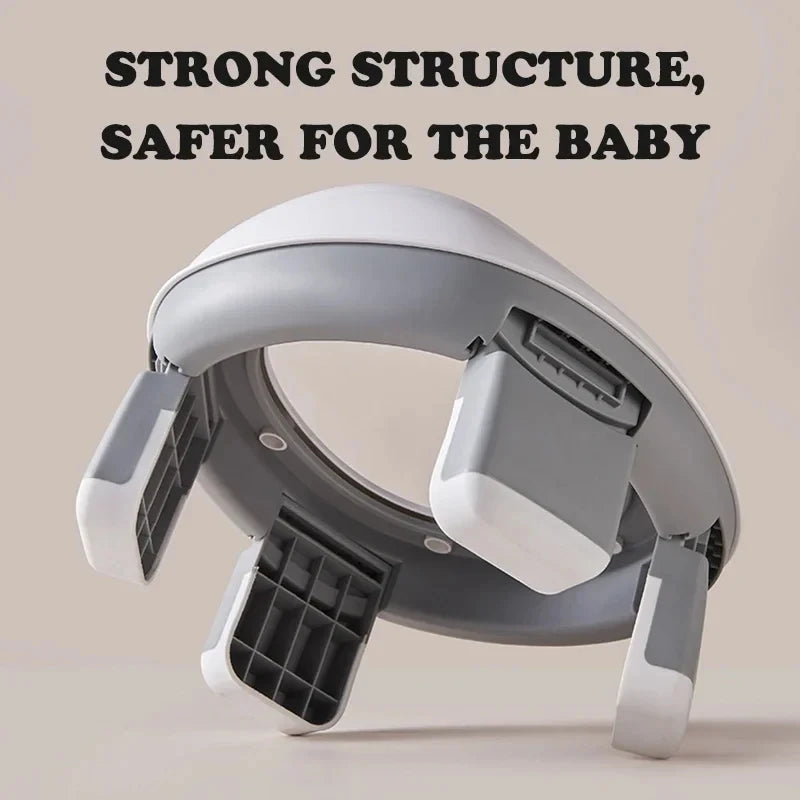
foldable potty for travel + disposable potty liners — See it in action
Product spotlight: 3-in-1 travel potty seat
The 3-in-1 travel potty seat is designed for families who need a flexible solution for potty training outside the home. It combines the convenience of a portable potty seat for travel with a foldable structure that makes storage easier during daily outings, vacations, and family trips.
Direct answer: The 3-in-1 travel potty seat helps simplify toddler travel by providing a familiar seating experience, supporting disposable potty liners for easier cleanup, and converting into a practical toilet seat option when using public restrooms.
What's included
- Fold-flat travel potty base: Designed for compact storage in diaper bags, backpacks, or vehicles.
- Disposable potty liner compatibility: Helps reduce direct cleanup after each use.
- Removable splash guard: Adds extra protection during potty training situations.
- Non-slip support features: Improves stability and confidence for toddlers.
- Travel storage solution: Keeps the potty and accessories organized between uses.
Best use cases
The 3-in-1 design works especially well for families who frequently travel, visit public places, or need a backup potty option during unexpected situations.
- Road trips: Provides a convenient option when rest stops are unavailable.
- Family vacations: Helps toddlers maintain familiar potty habits in new locations.
- Public restroom visits: Creates a more comfortable transition from home potty training.
- Daily outings: Fits into routines involving parks, shopping trips, and activities.
Want to try it? Check the 3-in-1 travel toilet seat for a full feature list and sizing details.
Pros and cons
Before choosing the best portable potty for travel , consider how often you travel, where you plan to use it, and whether convenience or compact storage is your top priority.
| Pros | Cons |
|---|---|
| Quick setup and easy storage for day trips, vacations, and emergencies | Reusable components require regular cleaning to maintain hygiene |
| Disposable potty liners help reduce mess and simplify waste disposal | Replacement liners create an ongoing supply cost |
| Portable design fits easily in stroller baskets, vehicles, and travel bags | Some foldable models may still be too large for very small backpacks |
| Provides toddlers with a familiar potty routine away from home | Some children may need time to adjust before using it confidently |
Packing checklist for potty training on the go
A well-prepared travel potty kit prevents stressful situations during outings. Keep essential travel potty training accessories together so everything is ready when your toddler needs a bathroom break.
- Foldable potty: Store it folded in an easy-to-reach section of your diaper bag, stroller, or vehicle.
- Disposable potty liners: Pack at least 5 liners for short trips and extra supplies for longer journeys.
- Travel wipes and hand sanitizer: Use these for quick cleaning before and after potty breaks.
- Odor-proof disposal bags: Keep used liners sealed until you find a suitable trash bin.
- Extra clothing: Bring spare underwear, pants, and a small towel for unexpected accidents.
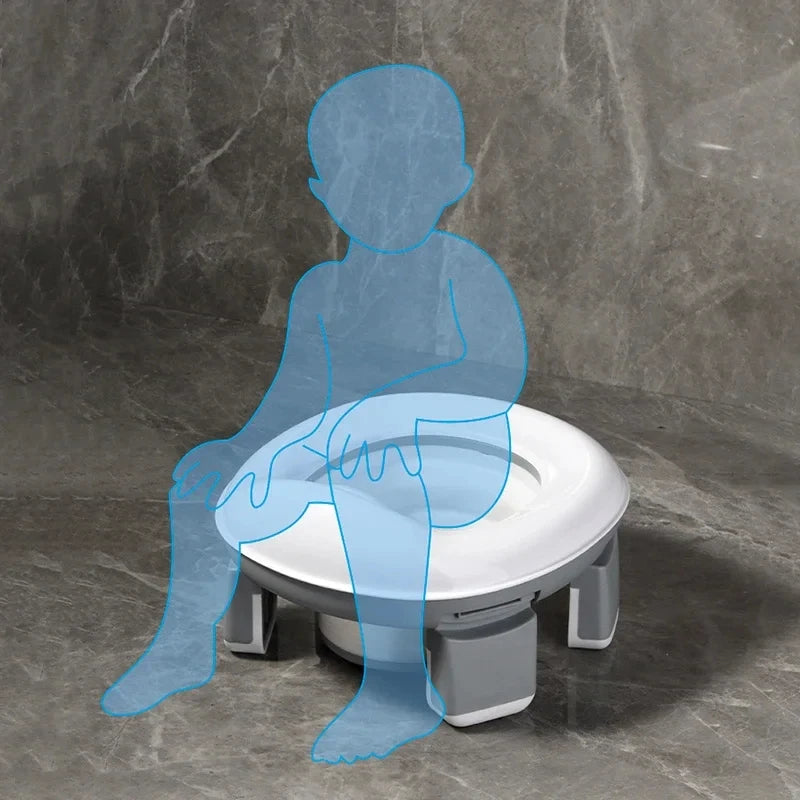
portable potty seat for traveling + disposable potty liners — See it in action
Cleaning, hygiene, and maintenance
Proper cleaning keeps a portable potty for travel comfortable and safe for repeated use. Look for durable, child-safe materials that can handle frequent wiping and regular transportation.
- Prevent leaks: Check that liners are positioned correctly and securely attached before each use.
- Sanitize after use: Wipe reusable surfaces with a gentle child-safe cleaner and allow them to air dry completely.
- Store safely: Keep the potty in a separate storage bag to prevent contact with clean items inside a diaper bag.
- Replace liners regularly: Carry extra disposable potty liners during longer trips to avoid running out when away from home.
For families using a travel potty frequently, regular inspection is also important. Check hinges, folding mechanisms, splash guards, and seat surfaces to ensure the accessory remains stable and comfortable for toddlers.
Frequently asked questions
-
What is the best portable potty for travel?
The best portable potty for travel depends on your family's needs. A foldable potty with disposable potty liner compatibility is often the most versatile choice because it works for roadside stops, outdoor activities, and situations without immediate restroom access. Families who mainly visit public bathrooms may prefer a compact portable potty seat for travel.
-
What age can a toddler use a travel potty?
Many toddlers can begin using a travel potty when they start showing signs of potty training readiness, often around the toddler years. Always check the product's recommended age range and weight capacity to ensure a safe and comfortable fit.
-
Are disposable potty liners necessary?
Disposable potty liners are not required for every situation, but they are highly useful for travel. They simplify cleanup, reduce direct contact with waste, and make potty breaks easier during road trips, flights, and outdoor activities.
-
Can a portable potty be used on airplanes?
Some portable potties can be helpful during air travel, especially before boarding, during airport waiting periods, or for emergency situations. Check airline policies before using any potty device inside the aircraft cabin.
-
How do you clean a foldable potty for travel?
Clean a foldable potty for travel by removing and disposing of the liner, wiping reusable surfaces with a gentle cleaner, and allowing all parts to dry completely before storage. Regular cleaning helps prevent odors and keeps the potty ready for future trips.
-
What is the difference between a travel potty and a portable potty seat?
A travel potty usually includes its own bowl or waste collection system, making it suitable for locations without toilets. A portable potty seat is designed to sit on top of existing toilets, helping toddlers feel more comfortable using public restrooms.
-
Are portable potties leak-proof?
Many portable potties are designed with leak-reducing features such as secure liners, splash guards, and deeper bowls. However, correct setup and proper liner placement are important for preventing spills during use.
-
Which travel potty is best for road trips?
For road trips, a foldable potty with disposable potty liners is usually the most practical option. It provides flexibility during emergency stops, requires minimal cleanup, and can be stored easily in a vehicle.
Final recommendation
The best portable potty for travel is the one that matches your toddler's routine, your travel style, and the situations you encounter most often.
- Best overall: A 3-in-1 travel potty seat that combines portability, stability, and disposable liner compatibility offers the most flexibility for everyday outings.
- Best value: A foldable potty for travel with reusable components provides long-term convenience for families who travel frequently.
- Best for road trips: A liner-ready portable potty system makes emergency stops faster and reduces cleanup during long drives.
- Best for public restrooms: A lightweight portable potty seat for travel helps toddlers transition more comfortably to unfamiliar toilets.
The right baby potty training accessory does more than solve bathroom emergencies. It supports consistent potty routines, gives toddlers confidence in unfamiliar places, and helps parents spend less time worrying about cleanup during family adventures.
Key takeaway: Prioritize three features when choosing a travel potty: a compact design, reliable disposable potty liners , and a stable seating system. Together, these features make on the go potty training easier, cleaner, and less stressful for the entire family.
Related guides: Baby Care Essentials • Baby Hygiene Gadgets • Mobility & Training
Pillar Article: Soft Silicone Potty Seat Benefits: Why Comfort and Hygiene Improve Training Faster
Other Related Articles:
Explore More:





