

Guide to Hygienic Potty Travel: Cleanliness-First Features Parents Should Look For
Traveling during potty training can be unpredictable. Public restrooms, long car rides, and limited cleanup options often increase the chance of accidents and stress for both parents and toddlers. Choosing a travel potty with practical hygiene features helps maintain potty training consistency while making cleanup faster, reducing contact with germs, and keeping children comfortable wherever your family goes.
In this guide, you'll learn what features matter most in a travel potty for toddlers, why comfort and hygiene work together, and how thoughtful design can make every outing easier.
⏱ 7 min read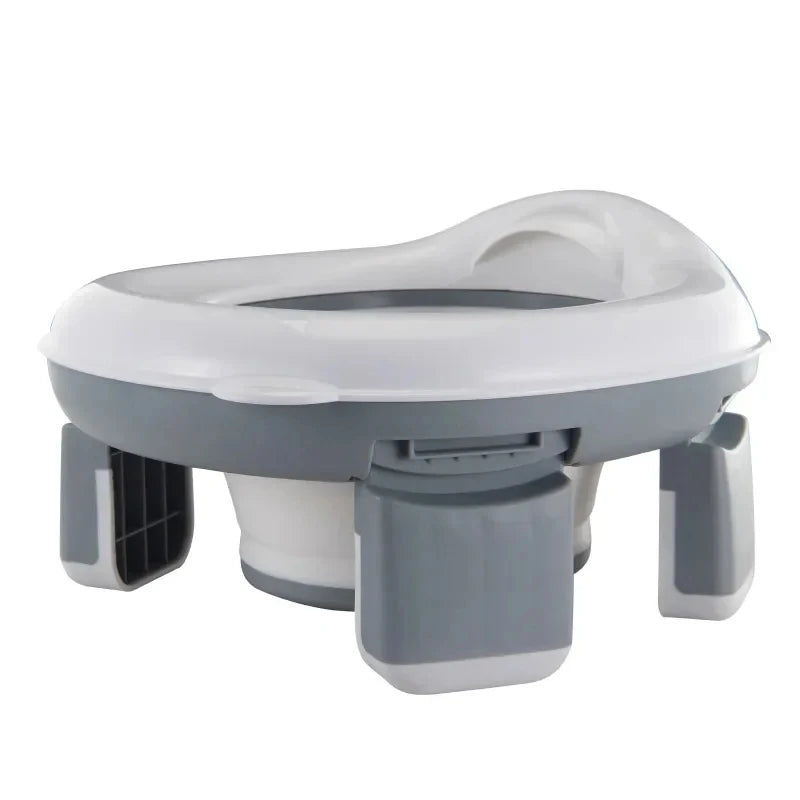
guide to hygienic potty travel + disposable potty chair liners + See it in action.
Why You Need a Travel Potty for Toddlers
A reliable travel potty for toddlers is more than a convenience—it helps children stay on track with potty training even when they're away from home. Familiar equipment reduces anxiety, encourages regular bathroom habits, and minimizes stressful accidents during errands, vacations, and road trips.
Common travel potty challenges
Parents frequently encounter unfamiliar public restrooms, limited access to clean facilities, and unexpected bathroom emergencies while traveling. A portable toddler toilet helps solve these challenges by providing a familiar, child-sized solution that is easier to clean and quicker to set up.
- Public restroom hygiene: Reduces direct contact with shared toilet surfaces.
- Unexpected potty emergencies: Gives toddlers an immediate place to go during traffic, outdoor activities, or long lines.
- Consistent potty training: Using familiar equipment helps children build confidence away from home.
- Less stress for caregivers: Faster setup and easier cleanup make outings more manageable.
When a portable potty is worth bringing
A portable potty is especially useful for long drives, flights with young children, parks, campgrounds, and destinations where clean toddler-friendly bathrooms may not be available. Families who travel frequently often find that keeping one in the car helps avoid interruptions and supports successful potty training routines.
Which portable potty fits your needs?
The best portable toddler toilet depends on how and where your family travels. Consider how much storage space you have, how often you'll need the potty, and whether quick setup or maximum hygiene is your top priority.
Best for quick car trips
- Recommended style: Compact bucket-style travel potty with disposable liners for fast cleanup between stops.
- Why it works: Stable on flat surfaces, contains waste securely, and minimizes odors during transport.
- Tip: Store extra liners, wipes, and resealable disposal bags together in a dedicated travel kit.
Best for airline travel
- Recommended style: Lightweight foldable toilet seat that fits standard public toilets.
- Why it works: Packs easily into a carry-on while helping toddlers feel more secure in unfamiliar restrooms.
- Tip: Keep sanitizing wipes and disposable liners accessible since airport facilities vary widely.
Best for stroller or day trips
- Recommended style: Ultra-light foldable travel potty seat or compact portable toddler toilet.
- Why it works: Easy to carry without adding significant weight to diaper bags or strollers.
- Tip: Practice with the travel potty at home before your outing so your child recognizes it as part of their routine.
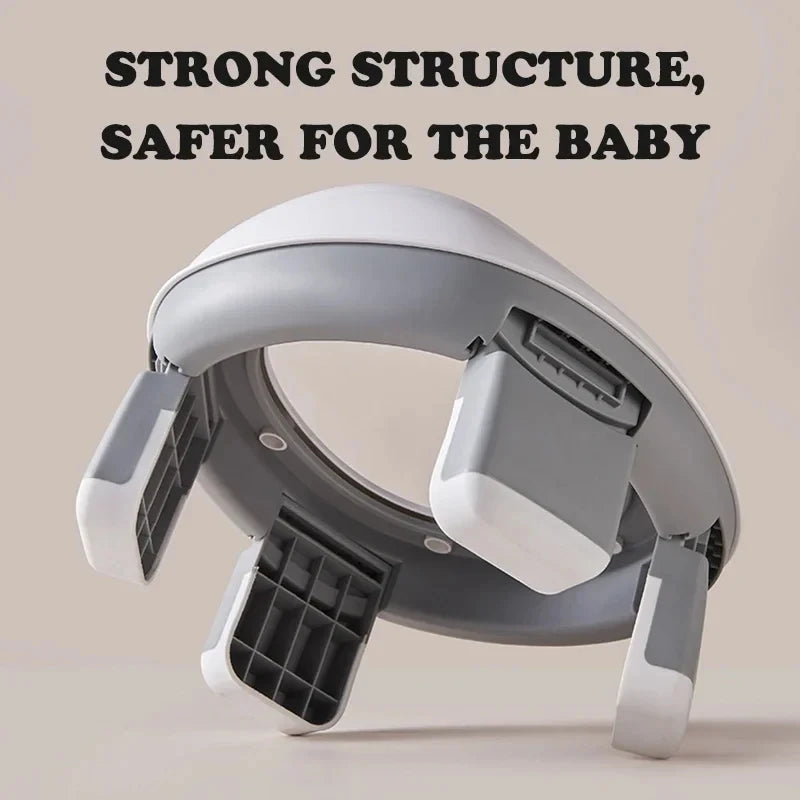
portable potty seat for traveling + disposable potty chair liners + See it in action.
How to pack and use a travel potty—simple steps
- Select the right potty. Choose a bucket-style potty with liner compatibility for road trips or a foldable toilet seat for public restrooms.
- Prepare a hygiene kit. Pack 5–10 disposable potty chair liners, wet wipes, hand sanitizer, resealable disposal bags, and a complete change of clothes.
- Keep everything accessible. Store the potty where it can be reached quickly without unpacking the entire vehicle or stroller.
- Practice before traveling. Let your child become familiar with the travel potty at home so it feels comfortable in new environments.
Quick checklist for a day trip
- Portable potty or foldable toilet seat
- Disposable potty chair liners (10 or more)
- Wet wipes and hand sanitizer
- Resealable disposal bags
- Spare clothing and underwear
- Small towel or waterproof mat
Quick comparison: Types of travel potties
| Type | Pros | Cons |
|---|---|---|
| Bucket with disposable liners | Excellent hygiene, simple disposal, stable for roadside stops and emergencies. | Requires more storage space than foldable models. |
| Foldable toilet seat | Lightweight, compact, and ideal for public restrooms. | Depends on access to an existing toilet. |
| Soft silicone toilet adapter | Comfortable seating surface that helps reduce anxiety and slipping. | Works best as a toilet adapter rather than a standalone potty. |
If you’re ready to evaluate a travel seat built for comfort and easier cleanup, consider the 3-in-1 option that combines a toddler seat, toilet adapter, and sealing lid in one compact design: 3-in-1 travel toilet seat .
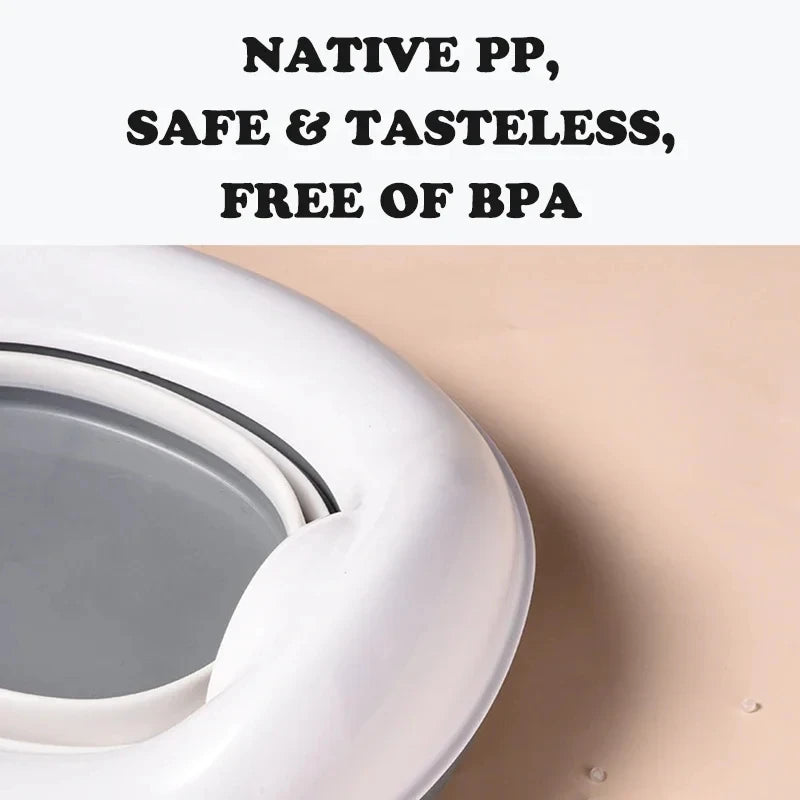
compact portable potty + on the go potty training + See it in action.
Cleaning and Maintaining Your Travel Potty
A travel potty with liners stays easier to manage when cleaning becomes part of the routine. Regular maintenance helps prevent odors, keeps surfaces comfortable for toddlers, and makes the potty ready for the next trip.
- Daily cleaning: Remove disposable potty liners after each use, wipe contact areas with a baby-safe cleaning wipe, and allow surfaces to dry before storing.
- Deep cleaning: Wash removable parts with mild soap and warm water when needed, especially after longer trips or outdoor use.
- Odor prevention: Use sealed waste bags and avoid leaving used liners inside vehicles or travel bags for extended periods.
- Storage tips: Store the portable toddler toilet in a clean, dry pouch or compartment so it stays protected between outings.
For families who travel frequently, choosing a design with simple parts and disposable potty liners can reduce maintenance time while keeping the setup hygienic and convenient.
Buying Guide: What to Look for in a Travel Potty
Choosing the right travel potty for toddlers depends on where you travel, how often you use it, and how much convenience you need during potty training. The best option should balance portability, hygiene, durability, and quick setup so your child can use it comfortably away from home.
Foldable vs rigid designs
A foldable travel potty is ideal for families who prioritize saving space. These lightweight designs fit easily into diaper bags, strollers, or luggage and work well for airports, shopping trips, and short outings.
Rigid travel potties are usually better for road trips because they offer more stability, larger capacity, and a stronger base for toddlers who need extra support. The trade-off is that they often take up more storage space.
- Foldable designs: Best for portability, quick storage, and public restroom use.
- Rigid designs: Best for frequent car travel, longer trips, and toddlers who prefer a traditional potty feel.
Disposable liner compatibility
A travel potty with liners makes cleanup faster by creating a removable barrier between your child and the potty surface. Look for models that securely hold disposable potty liners in place to prevent slipping, leaks, and unnecessary mess.
- Check that liners fit the potty opening securely.
- Choose leak-resistant liners for longer trips.
- Carry extra liners for unexpected delays or multiple uses.
Stability and weight limits
A portable toddler toilet should feel stable during use. Wide bases, non-slip feet, and strong materials help prevent movement when toddlers sit down or stand up.
Before buying, check the recommended weight range and make sure the design provides enough support for your child’s current stage of potty training.
Cleaning and maintenance
Easy cleaning is essential for any compact baby potty for travel . Choose a design with smooth surfaces, removable parts, and simple assembly so you can clean it quickly after each use.
- Use disposable liners to reduce direct contact with waste.
- Wipe surfaces after every trip and allow the potty to dry fully before storage.
- Select durable materials that can handle frequent travel and repeated cleaning.
Frequently Asked Questions
-
What is the best travel potty for toddlers?
The best travel potty depends on your routine. A compact travel potty with liners works well for road trips, while a foldable travel potty is often better for flights and public outings. -
Are foldable travel potties stable enough?
Yes, many foldable travel potties are designed with locking mechanisms and non-slip features. Always check the weight limit and base design before use. -
Can you use disposable potty liners with any travel potty?
Not every liner fits every model. Choose liners designed for your potty size or confirm compatibility before purchasing. -
How do you clean a portable toddler toilet while traveling?
Remove used liners, seal waste properly, wipe the potty surface, and store it in a clean bag until the next use. -
What age can a toddler use a travel potty?
Many toddlers can use a travel potty once they begin showing potty training readiness. The right age depends on your child’s development and comfort level. -
Can you take a travel potty on an airplane?
Yes, lightweight foldable models are commonly used for air travel because they pack easily and help during long airport waits or flights. -
Is a portable potty or portable potty seat better for travel?
A portable potty provides a complete solution for emergencies, while a portable potty seat works well when clean public toilets are available. -
How do you use a travel potty correctly?
Set up the potty on a stable surface, secure the liner if needed, help your child sit comfortably, then remove and dispose of waste after use.
Final Verdict: Which Travel Potty Should You Buy?
The best travel potty for toddlers is the one that matches your family’s travel habits. For most families, a model that combines portability, easy cleaning, and liner compatibility provides the best balance of convenience and hygiene.
- Best overall: Choose a versatile travel potty with secure seating, simple cleanup, and everyday usability.
- Best value: A lightweight foldable model is a practical choice for families who need occasional travel support.
- Best premium option: A multi-function design with added comfort and sealing features offers maximum convenience for frequent travelers.
Pairing the right potty with consistent routines can make travel easier while helping toddlers feel confident during potty training away from home.
Related resources you may find useful: Potty Training , Travel Baby Gear , Baby Care , Potty Training Tips .
FAQ — quick answers
How do disposable potty chair liners work? Disposable liners create a removable barrier inside the potty, making cleanup faster and helping contain mess during travel.
When should I introduce a travel potty to my child? Introduce it during familiar potty routines at home first, then use it for short trips before longer journeys.
Can I use the same potty for multiple children? Yes, when the potty is cleaned properly between uses and disposable liners are used to reduce direct contact.
Pillar Article: Soft Silicone Potty Seat Benefits: Why Comfort and Hygiene Improve Training Faster
Other Related Articles:
Explore More:





