

Does a soft silicone potty seat really make potty training faster?
Answer: A soft silicone potty seat can make potty training easier by improving comfort, stability, and consistency. A cushioned seat helps toddlers feel more secure, while a portable design allows families to maintain familiar routines during outings, travel, and public bathroom visits.
⏱ 12 min read
Soft Silicone Potty Seat Benefits: How Comfort and Hygiene Support Easier Potty Training
Potty training is a major step toward toddler independence, but the transition from diapers to the toilet can be challenging when children feel uncomfortable or uncertain. A soft silicone potty seat creates a more familiar and supportive experience by adding cushioning, stability, and a cleaner surface for everyday use. This guide explores how a portable potty seat can reduce bathroom anxiety, support confidence, and make toilet routines easier at home or away.
Baby Growth & Learning
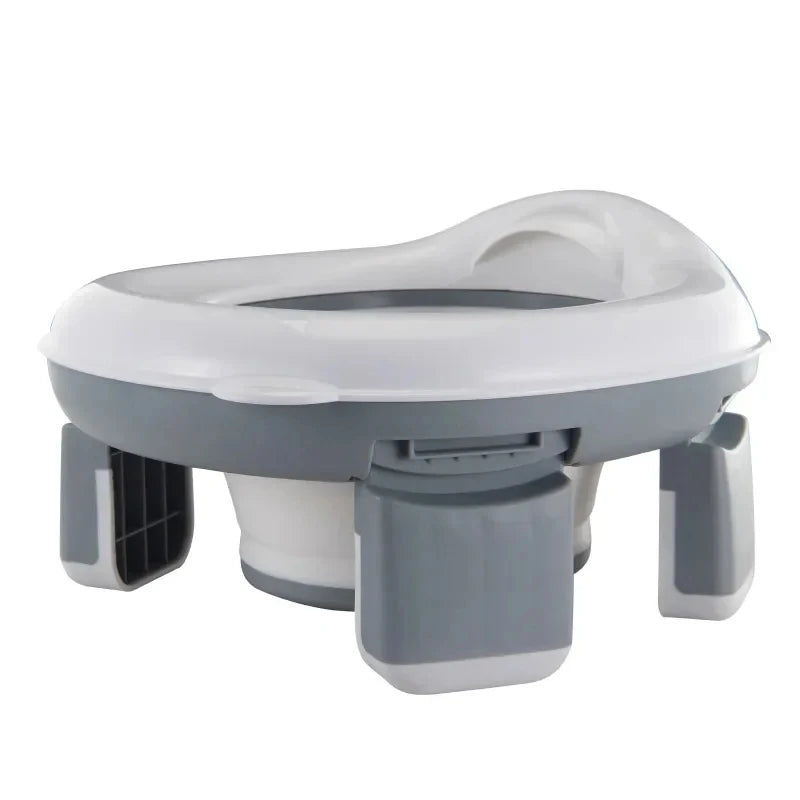
soft silicone potty seat + soft potty seat for toilet See it in action.
Why Comfort Matters During Potty Training
Many toddlers hesitate to use a toilet because the experience feels unfamiliar. A large adult toilet seat can feel unstable, cold, or intimidating compared with a child-sized potty. A cushioned toddler potty training seat creates a smaller, more comfortable surface that helps children feel supported while learning.
Comfort is especially important during the early stages of training. When a child feels secure sitting down, they are more likely to practice regularly instead of avoiding the bathroom. A familiar seat can also reduce stress during transitions, such as moving from a standalone potty to the family toilet.
What Is a Soft Silicone Potty Seat?
A soft silicone potty seat is a toilet training insert designed to help toddlers safely use a standard toilet. These seats typically combine a flexible silicone cushion with a supportive base or anti-slip structure that keeps the seat positioned correctly.
Portable versions often include folding features, compact storage designs, and lightweight construction. A foldable portable toilet seat allows parents to bring a familiar sitting surface during trips, restaurant visits, daycare transitions, or public restroom use.
Key Benefits of Using a Portable Potty Seat
The best potty training tools solve everyday problems parents face during this transition. A portable potty seat supports comfort, hygiene, convenience, and safety in practical situations.
- Improves toddler comfort and confidence: A soft cushioned rim feels less intimidating than a hard toilet seat, helping children stay relaxed while practicing.
- Supports cleaner bathroom routines: Smooth silicone surfaces are easier to wipe and maintain compared with materials that contain more seams or textured areas.
- Makes outings less stressful: A travel potty seat for toddlers gives children a familiar option when using unfamiliar bathrooms.
- Provides better stability: Non-slip features help reduce movement, which can make toddlers feel safer while sitting.
- Encourages independence: A comfortable seat allows children to participate more confidently in their own toilet routine.
Why Silicone Is a Popular Potty Seat Material
Silicone is commonly used in toddler products because it combines flexibility with durability. Compared with rigid plastic surfaces, a silicone cushion can feel softer against skin and provide a more comfortable sitting experience.
The smooth, nonporous surface also makes daily cleaning easier. For families using a potty seat frequently, simple maintenance can be an important factor in keeping the bathroom routine practical.
When a Portable Potty Seat Is Most Useful
A portable potty seat is not only useful for travel. It can support different stages of toilet training depending on a family's routine.
- At home: A comfortable seat can help toddlers transition from a small potty to a regular toilet.
- Travel and vacations: A compact design helps maintain familiar habits when children use unfamiliar bathrooms.
- Public restrooms: A personal seat creates a cleaner and more comfortable barrier between the child and public toilet surfaces.
Mid-article resource:
Get the 3-in-1 Travel Toilet Seat
Mobility & Training
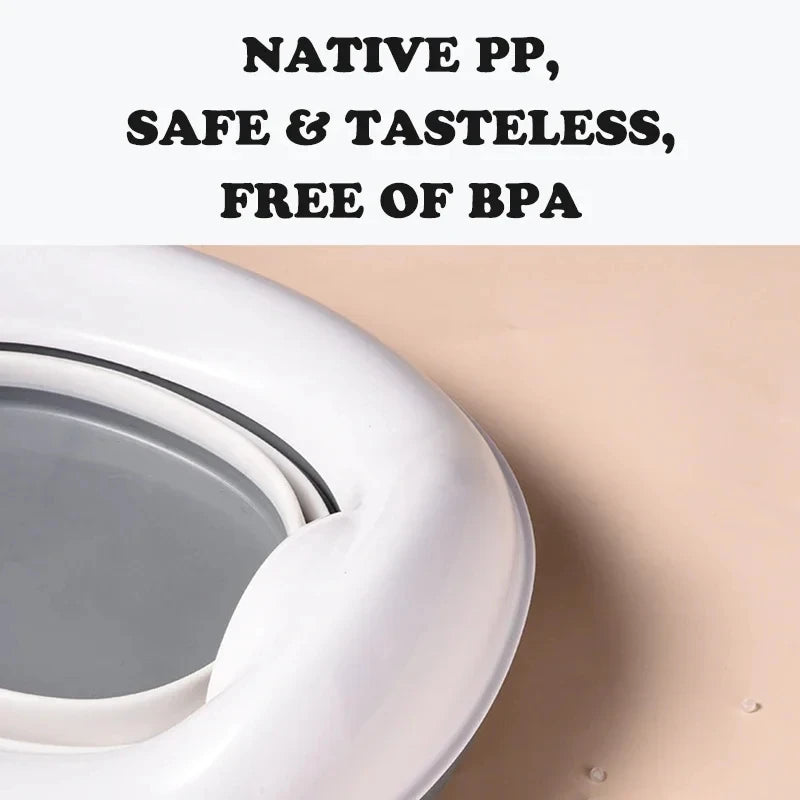
soft silicone potty seat, foldable portable toilet seat See it in action.
Installation, Cleaning & Care
A soft silicone potty seat works best when it stays clean, dry, and ready for everyday use. Because toddlers are still developing bathroom habits, a simple cleaning routine helps prevent unpleasant smells, keeps the surface comfortable, and makes the seat easier for parents to maintain.
Daily cleaning routine
- Remove residue: Wipe away any moisture or debris immediately after use and rinse the seat if needed.
- Wash the surface: Use warm water and mild soap with a soft cloth or sponge to clean the silicone rim and base.
- Dry completely: Allow the seat to air dry or wipe it with a clean towel before storing or placing it back on the toilet.
- Deep clean when needed: For occasional sanitizing, use a child-safe disinfectant or follow the manufacturer’s instructions for approved cleaning solutions.
Avoid harsh abrasive cleaners or rough scrubbers that may damage the silicone surface over time. A smooth, intact silicone rim is easier to sanitize and remains more comfortable for repeated toddler use.
Visuals: Comparison Table & Pros/Cons
| Advantages | Considerations |
|---|---|
|
|
How to Introduce the Seat (Steps for Success)
Introducing a new potty seat gradually can make the transition feel familiar instead of overwhelming. The goal is to help your toddler associate the seat with confidence, comfort, and routine.
- Build familiarity first: Place the soft silicone potty seat in the bathroom and allow your child to look at it, touch it, and become comfortable with the new object before using it.
- Practice without pressure: Encourage short sitting sessions while your toddler is fully clothed so the seat feels normal before actual toilet training begins.
- Create predictable timing: Offer toilet practice after common triggers such as waking up, before bedtime, or after meals to build consistency.
- Use it outside the home: A foldable portable toilet seat can help maintain the same routine during trips, restaurant visits, or family outings.
- Focus on encouragement: Praise effort and progress rather than only successful toilet use. Positive experiences help children develop confidence and independence.
Product Highlights: Why This 3-in-1 Travel Seat Works
Direct answer: A soft silicone potty seat supports easier toilet training by giving toddlers a comfortable, stable, and familiar place to sit. A cushioned rim, secure fit, and portable design help reduce uncertainty during new bathroom experiences while making routines easier to maintain at home or away.
The 3-in-1 travel toilet seat is designed around the challenges families commonly face during potty training: unfamiliar public toilets, inconsistent routines during trips, and toddlers who prefer the comfort of their own bathroom setup. Its multi-function design allows parents to use one familiar seat solution across different environments.
- Home use: A soft silicone sitting surface helps create a more comfortable transition from diapers to the adult toilet.
- Travel convenience: A foldable structure makes it easier to carry a clean, familiar potty seat during vacations, errands, or visits.
- Public restroom support: A protective design helps reduce direct contact with unfamiliar toilet surfaces while maintaining a consistent routine.
- Easy maintenance: Smooth silicone surfaces simplify regular cleaning after everyday use.
Get the 3-in-1 Travel Toilet Seat
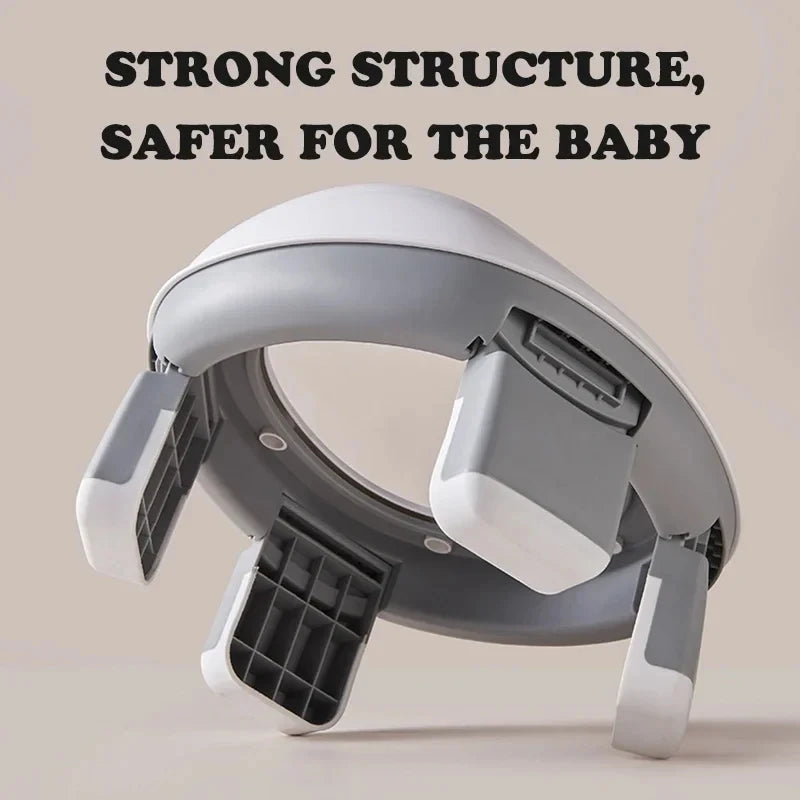
compact portable potty, on the go potty See it in action.
Safety Notes & Best Practices
A potty seat should help toddlers feel secure while also giving parents confidence during daily use. Proper setup and regular checks are important, especially when using a portable model outside the home.
- Confirm a secure fit: Make sure the seat sits firmly on the toilet without shifting. A stable base helps toddlers feel balanced and reduces hesitation.
- Check moving parts: For foldable designs, inspect hinges, locks, and connection points regularly to ensure they continue working properly.
- Supervise young children: Stay nearby whenever your toddler is using the toilet to provide support and prevent falls.
- Follow care instructions: Clean the seat according to the manufacturer’s recommendations to maintain the silicone surface and other components.
- Use age-appropriate expectations: Every child develops toilet independence at a different pace, so focus on comfort, consistency, and confidence.
Social Proof & Usage Data
Tracking small improvements can help parents understand what works during potty training. A simple two-week log of toilet attempts, successful sits, and situations where accidents happen can reveal patterns and show how comfort and consistency affect progress. Every child develops at a different pace, but a familiar and comfortable seat may help reduce resistance during everyday practice.
Mini-FAQ
-
Are portable potty seats worth it for toddlers?
Answer: Portable potty seats can be helpful for families who travel frequently, spend time away from home, or have toddlers who feel more comfortable using a familiar seat. They can make public restrooms and unfamiliar environments less stressful by providing a consistent toilet training setup. -
What age can a child use a portable potty seat?
Answer: Many children begin using potty training seats when they show readiness signs, often around the toddler years. Readiness is more important than a specific age and may include interest in the toilet, communication about bathroom needs, and the ability to sit safely with support. -
Is a soft silicone potty seat better than plastic?
Answer: A soft silicone potty seat may provide advantages over basic plastic models because the cushioned surface feels warmer, offers added comfort, and is easier to wipe clean. The best choice depends on your child’s comfort preferences, toilet fit, and daily routine. -
Can a portable potty seat be used on public toilets?
Answer: Many portable potty seats are designed for use on standard public toilets, but parents should always check the seat’s fit and stability before allowing a child to sit. A secure, non-slip design helps create a safer experience away from home. -
How do you clean a portable toilet seat for kids?
Answer: Clean the seat after use with warm water and mild soap, paying attention to folds, edges, and connection points. For deeper cleaning, follow the manufacturer’s instructions and use only recommended child-safe disinfecting methods. -
Do portable potty seats help with potty training?
Answer: Portable potty seats can support potty training by helping toddlers maintain the same routine in different locations. A familiar seat can reduce hesitation during trips, outings, and transitions between home and public bathrooms. -
Is silicone safe for my toddler’s skin?
Answer: High-quality food-grade or medical-grade silicone is generally gentle on toddler skin and commonly used in baby products. Always check product material details and choose designs made from trusted, nonporous materials. -
Will a soft silicone potty seat fit my toilet?
Answer: Many soft silicone potty seats are designed to fit common toilet shapes, but checking product dimensions before use is important. A snug fit without wobbling helps children feel secure while sitting.
Closing Notes
A successful potty training setup is not only about the seat itself—it is about creating a comfortable and predictable experience for your child. A soft silicone potty seat can help reduce discomfort at home, while a foldable portable toilet seat can make it easier to continue routines during travel, errands, and family outings. Consider your toddler’s comfort, your cleaning routine, and where the seat will be used most often when choosing the right option.
View the 3-in-1 Travel Toilet Seat
Schema-ready Mini-FAQ (for copy/paste)
- Are portable potty seats worth it for toddlers? Answer: Portable potty seats can make travel and public bathroom visits easier by providing a familiar and comfortable toilet training surface.
- What age can a child use a portable potty seat? Answer: Children can use portable potty seats when they show readiness signs and can sit safely with support.
- Is a soft silicone potty seat better than plastic? Answer: Soft silicone seats may provide improved comfort, grip, and easy cleaning compared with basic plastic designs.
- Can a portable potty seat be used on public toilets? Answer: Many portable potty seats are designed for standard public toilets, but fit and stability should always be checked before use.
- How do you clean a portable toilet seat for kids? Answer: Use warm water and mild soap for regular cleaning and follow manufacturer guidance for deeper sanitizing.
- Do portable potty seats help with potty training? Answer: Portable potty seats can support consistent routines by helping toddlers feel comfortable in different bathroom environments.
Related Articles:
- Compact Baby Potty for Travel: Hidden Design Advantages Parents Appreciate Most
- Baby Potty Training Accessory Features That Make Travel Easier and Cleaner
Pillar Articles:





