

Does warming baby wipes really stop a baby from startling?
Yes. Warmed baby wipes can reduce the sudden temperature change that often causes a baby startled by wipes to flinch or cry. While warm wipes do not eliminate every reason a baby may become upset during diaper changes, they can lessen the cold shock on sensitive skin and help many infants stay calmer, especially during nighttime diaper changes. A purpose-built wipe warmer keeps wipes at a gentle, skin-friendly temperature without overheating them.
⏱ 12 min readBaby Startled by Wipes? The Science Behind Warmed-Wipe Comfort
Does your baby suddenly tense up, kick, or cry the moment a wipe touches their skin? You're not alone. Many parents notice their baby startled by wipes , particularly during overnight diaper changes when the room is cooler and babies are more sensitive to sudden sensations. In this guide, you'll learn why babies react this way, how newborn sensory development contributes to the response, what research suggests about warmed baby wipes, and how simple changes—including using the USB Baby Wipe Warmer LED Light—may create a calmer diaper-changing routine.
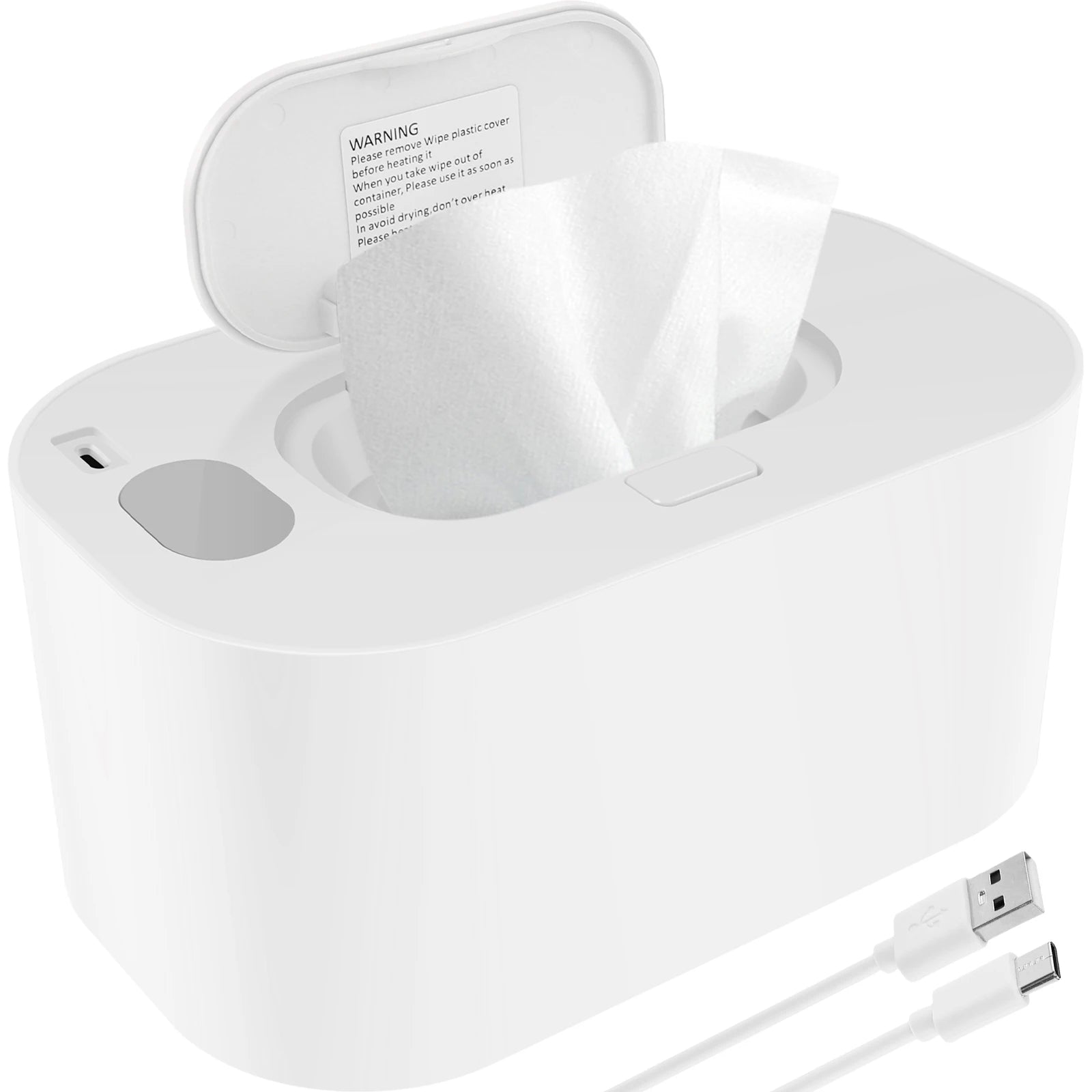
Baby startled by wipes? Warm wipes can help reduce sudden cold shock during diaper changes.
Explore the USB Baby Wipe Warmer LED Light
Why babies startle at wipes
If your baby reacts to cold wipes , the response is usually normal. Newborns have developing nervous systems and highly sensitive skin, making them more likely to notice sudden temperature changes than older children or adults.
The Moro (startle) reflex explained
The Moro reflex, often called the startle reflex, is a normal newborn response present from birth. Unexpected sensations—such as a sudden sound, movement, or cold touch—can cause babies to spread their arms, stiffen their legs, or briefly cry. This protective reflex gradually fades as the nervous system matures over the first few months of life.
Why cold wipes feel shocking to newborns
Healthy infant skin is typically much warmer than a wipe sitting at room temperature. Even a modest temperature difference can feel surprisingly intense on delicate skin around the diaper area. That abrupt cold sensation may be enough to trigger a reflexive movement or crying, especially if your baby is sleepy, hungry, or already overstimulated.
For many families, this explains why babies get startled during diaper change even when the diaper itself is changed gently and correctly.
Common parent observations
- Baby flinches as soon as the first wipe touches the skin.
- Crying begins before the diaper change is finished.
- Nighttime diaper changes lead to longer periods of wakefulness.
- Baby relaxes once the wipe is removed or after being comforted.
Although these reactions can be frustrating, they usually reflect temporary sensory discomfort rather than pain. If crying is persistent, severe, or accompanied by a rash, fever, or other concerning symptoms, another cause may be contributing.
Do warm wipes really help?
For babies whose primary trigger is the sudden chill of a cold wipe, warmed wipes can make diaper changes noticeably more comfortable. Instead of exposing sensitive skin to an unexpected temperature change, the wipe feels closer to normal skin temperature, reducing the sensory surprise.
Benefits of warmed wipes
- Reduced temperature shock: Warm wipes lessen the cold sensation that may trigger startling.
- Calmer nighttime changes: Babies may settle more easily after diaper changes when fewer sudden sensations interrupt sleep.
- Improved caregiver experience: Less crying often makes diaper changes quicker and less stressful.
- Comfort without changing cleaning performance: Properly warmed wipes remain effective while feeling gentler on delicate skin.
What research and pediatric guidance suggest
There is limited clinical research focused specifically on wipe warmers. However, pediatric guidance consistently recommends minimizing unnecessary discomfort during diaper changes by using gentle handling, maintaining skin health, and avoiding sudden extremes of temperature. Warm wipes are best viewed as a comfort measure rather than a medical necessity.
If your baby continues crying even with warmed wipes, the cause may be unrelated to temperature. Hunger, fatigue, diaper rash, sensitive skin, gas, or simply disliking diaper changes can all contribute. In these situations, warming wipes may help a little, but addressing the underlying cause is more important.
| What parents notice | Cold wipes | Comfortably warmed wipes |
|---|---|---|
| Initial startle response | More common | Often reduced |
| Nighttime settling | May take longer | May be quicker for some babies |
| Caregiver routine | More interruptions | Often smoother |
See product details and features
What to look for in a wipe warmer
A wipe warmer is optional, but if you choose one, prioritize safety, consistent performance, and ease of cleaning over extra features.
Features worth considering
- Stable temperature control to avoid overheating.
- Even warming so wipes stay consistently comfortable.
- A moisture-preserving seal that helps prevent wipes from drying out.
- Simple maintenance with easy access for cleaning and refilling.
- Compact USB-powered design if you need flexibility for different changing areas or travel.
Why the USB Baby Wipe Warmer LED Light stands out
The USB Baby Wipe Warmer LED Light combines gentle thermostatic warming with a moisture-friendly design to help keep wipes comfortably warm without drying them out. Its compact footprint fits most nursery spaces, while LED indicators make operation straightforward for day and nighttime diaper changes.
How to use a wipe warmer safely — step-by-step
Using a wipe warmer correctly helps maintain both comfort and hygiene. The goal is to provide gently warmed wipes—not hot ones—while keeping the wipes moist and clean between diaper changes.
Warm wipes safely
- Read the manufacturer's instructions before first use to confirm compatible wipe types and recommended operating conditions.
- Place the warmer on a flat, stable surface away from cribs, blankets, and other soft materials that may block ventilation.
- Load one pack or one style of wipes at a time to help maintain even moisture and consistent warming.
- Before each diaper change, test a wipe on your inner wrist. It should feel comfortably warm, never hot.
- Close the lid immediately after removing a wipe to help retain moisture and maintain a stable temperature.
- Turn the unit off when storing it for extended periods or when traveling if continuous warming is unnecessary.
- Clean the interior according to the manufacturer's recommendations to minimize residue and maintain hygiene.
Prepare your baby before wiping
- Speak softly before beginning the diaper change so your baby isn't surprised by sudden touch.
- Expose only the area being cleaned to help reduce heat loss.
- If possible, keep the room comfortably warm during nighttime changes.
- Pause briefly before the first wipe so your baby can anticipate gentle contact.
Use gentle touch and predictable movements
Slow, consistent movements are often better tolerated than quick wiping motions. Supporting your baby's legs gently and avoiding abrupt repositioning can further reduce the chance of startling.
Keep the changing area comfortable
A clean changing surface, dim lighting during overnight diaper changes, and minimal noise can all contribute to a calmer experience. Warm wipes work best as one part of a soothing diaper-changing routine rather than as the only comfort measure.
Quick safety checklist
- Always test wipe temperature on your inner wrist before use.
- Keep the warmer away from water, direct sunlight, and excessive heat.
- Never add water or other liquids unless specifically directed by the manufacturer.
- Replace wipes if they become dry, discolored, or develop an unusual odor.
- Inspect the warmer periodically for signs of wear or damage.
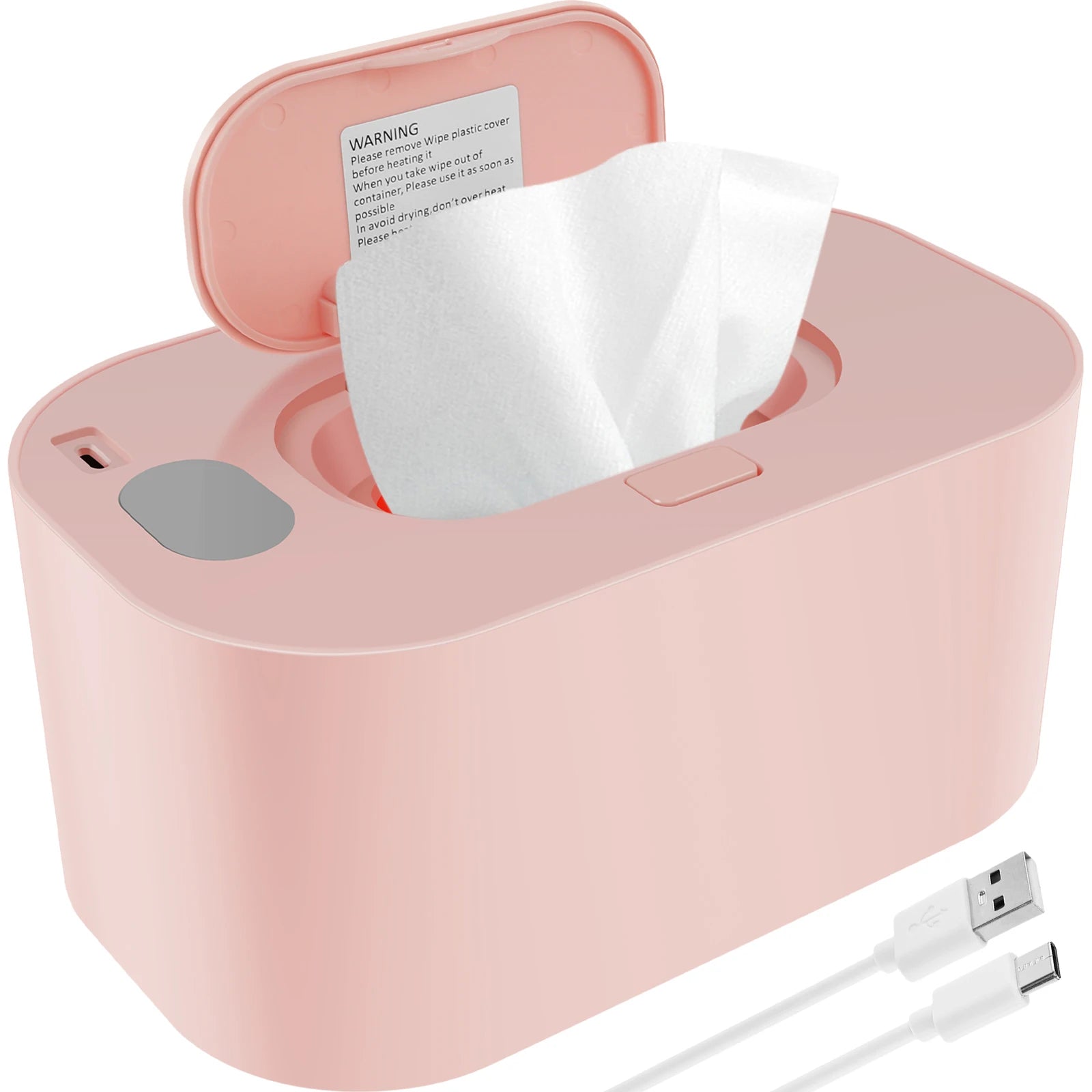
Using comfortably warmed wipes as part of a calm routine may help reduce startling during diaper changes.
Frequently asked questions
-
Q: Why is my baby startled by cold wipes?
A: Cold wipes create a sudden temperature change against sensitive newborn skin. That unexpected sensation can trigger the normal Moro (startle) reflex or cause brief crying during diaper changes. -
Q: Is it normal for babies to cry when being wiped?
A: Yes. Many newborns dislike diaper changes because of cold wipes, unexpected touch, hunger, fatigue, or skin sensitivity. Occasional crying is common, but persistent distress should prompt you to look for other causes such as diaper rash or illness. -
Q: Do babies prefer warm wipes?
A: Many babies appear more comfortable with gently warmed wipes because they reduce the sudden cold sensation. Individual preferences vary, so warm wipes improve comfort for some babies more than others. -
Q: Are warm wipes better for babies?
A: Warm wipes are not medically necessary, but they can make diaper changes more comfortable for babies who react strongly to cold wipes. The most important factors remain gentle wiping, healthy skin care, and proper diaper hygiene. -
Q: Can cold wipes trigger the Moro reflex?
A: They can. A sudden cold sensation may contribute to a normal startle response, especially during the newborn period when the Moro reflex is most active. -
Q: Is a wipe warmer safe for newborns?
A: Yes, when it is designed for baby wipes, used according to the manufacturer's instructions, cleaned regularly, and the wipe temperature is tested on your inner wrist before use. -
Q: What if my baby still cries after using warm wipes?
A: Temperature may not be the only reason. Check for diaper rash, irritated skin, a wet diaper left on too long, hunger, tiredness, or general discomfort. If crying is severe or persistent, contact your pediatrician. -
Q: When should I worry about diaper-change crying?
A: Seek medical advice if crying is accompanied by fever, severe diaper rash, skin sores, swelling, bleeding, poor feeding, unusual lethargy, or if your baby appears to be in significant pain during every diaper change.
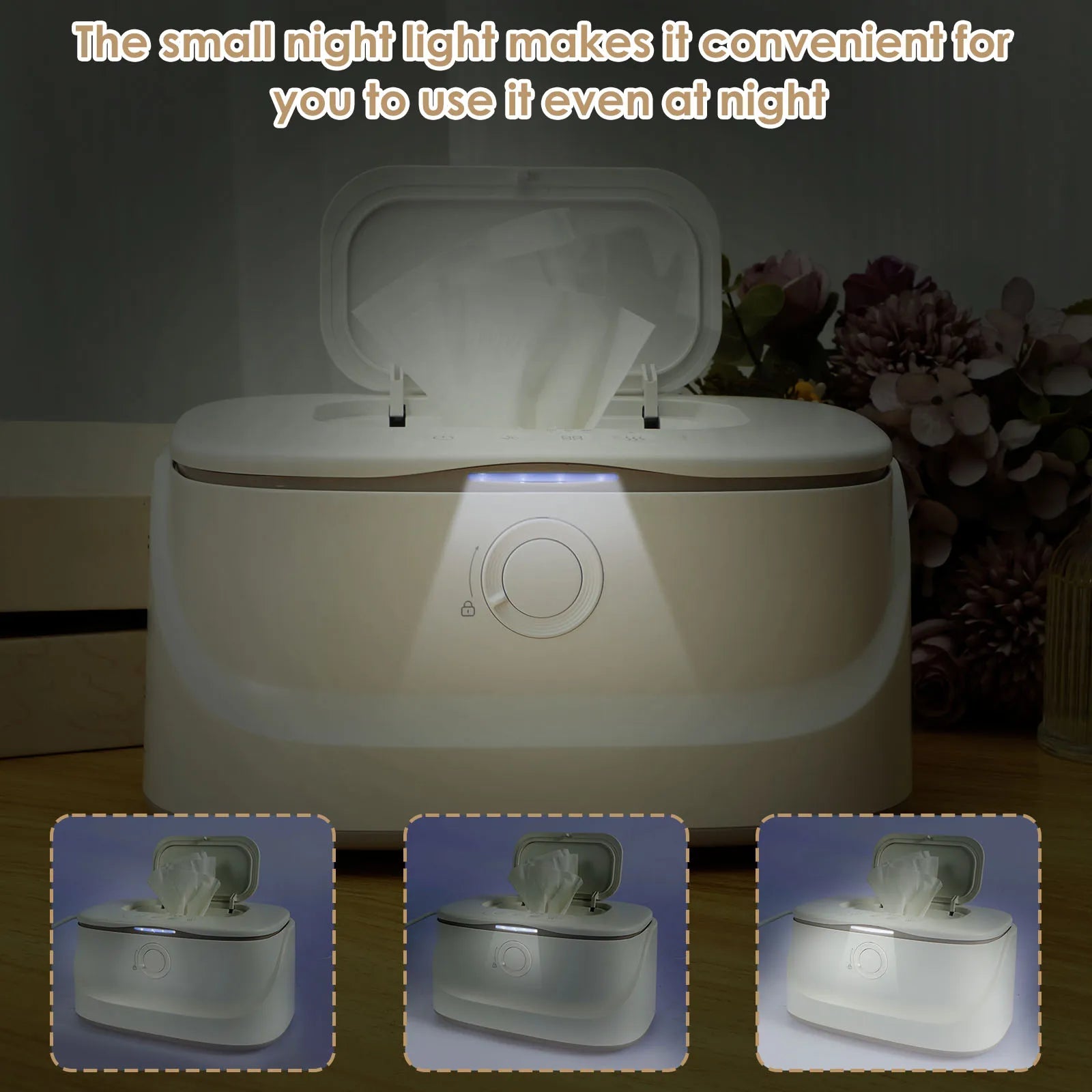
Gentle warmth can help reduce temperature-related startling while keeping diaper changes more comfortable.
Conclusion & where to try one
A baby startled by wipes is usually reacting to a sudden change in temperature rather than something harmful. Creating a calm diaper-changing routine, using gentle touch, and keeping wipes comfortably warm may help reduce startling for babies who are sensitive to cold. While a wipe warmer isn't essential for every family, it can be a practical comfort accessory for frequent nighttime diaper changes or infants who consistently react to cold wipes.
If you decide to use one, choose a model that maintains a safe, moderate temperature, preserves moisture, and is easy to clean. Used correctly, it can become one part of a soothing diaper routine alongside gentle handling and good skin care.
Buy the USB Baby Wipe Warmer LED Light
Related resources: explore Baby Care Essentials , Sleep & Comfort , or Baby Hygiene Gadgets for complementary nursery solutions.
FAQ (structured)
Q:
Why does my baby startle when I use a wipe?
A:
A cold wipe may create a sudden temperature change that briefly triggers the normal newborn startle reflex.
Q:
Will a wipe warmer stop all crying during changes?
A:
No. It may reduce temperature-related discomfort, but babies may also cry because of hunger, fatigue, diaper rash, or other common reasons.
Q:
How do I test a wipe for safe temperature?
A:
Wipe it across your inner wrist. It should feel comfortably warm and never hot before touching your baby's skin.
Note: This guide provides educational information about infant comfort during diaper changes and does not replace advice from your pediatrician. Always follow the manufacturer's instructions when using baby products, and discontinue use if you notice overheating, dried-out wipes, or equipment damage.
Related Articles:
- Crying During Diaper Changes Explained: How Warmer Tech Helps
- Night Diaper Change Tips to Make Late-Hour Cleanups Fast and Tear-Free
Pillar Articles:





