

Crying During Diaper Changes Explained: How Warmer Tech Helps
⏱ 7 min read
Does warming wipes reduce crying during diaper changes?
Yes — crying during diaper changes often increases when babies are startled by cold wipes or sudden exposure to cool air. Warm wipes help maintain skin temperature, reduce the startle reflex, and make diaper changes feel more comfortable. While they are not a cure for every cause of fussiness, using consistently warm wipes can shorten crying episodes and support calmer nighttime routines for both babies and caregivers.
If you're wondering why your baby cries during diaper changes , the answer is often a combination of temperature, sensory sensitivity, hunger, fatigue, or skin irritation. Understanding these triggers—and learning when warm wipes are most helpful—can make diaper changes smoother, especially when you're concerned about newborn cold at night or asking whether wipe warmers safe for everyday use.
Baby Growth & Learning
crying during diaper changes • warm wipes for calmer nights • See it in action
Why babies cry during diaper changes
If you're asking why your baby cries during a diaper change , you're not alone. This behavior is common in both newborns and older babies, and it rarely means something is seriously wrong. Most crying happens because diaper changes combine several sensory experiences at once—cold air, being undressed, unexpected touch, and interruption of sleep or play.
Watching when your baby cries can help you identify the cause. A newborn who cries only at night may simply dislike cold wipes, while an older baby may protest because they want to keep rolling or crawling.
Cold wipes or cold air
One of the most common reasons for diaper change discomfort is the sudden sensation of a cold wipe against warm skin. Newborns have immature temperature regulation, making them especially sensitive to rapid temperature changes.
Try this: Warm wipes to a gentle, skin-like temperature, keep the changing area warm, and uncover only the part of your baby's body you're cleaning.
Feeling exposed
Many babies dislike being undressed, particularly during nighttime diaper changes. Moving from a warm swaddle or sleep sack into cooler air can trigger fussiness even before the wipe touches their skin.
Try this: Prepare everything before you begin so the diaper change is quick and your baby stays warm for as little time as possible.
Diaper rash or skin irritation
If your baby cries every time a wipe touches the skin, look for redness, rashes, or signs of irritation. Even mild diaper rash can make routine cleaning uncomfortable.
Try this: Clean gently, allow the skin to dry before putting on a fresh diaper, and consider speaking with your pediatrician if the rash worsens or does not improve.
Gas or tummy discomfort
Lifting your baby's legs during a diaper change can briefly increase pressure on the abdomen. Babies with gas, constipation, or tummy discomfort may become upset during this movement.
Try this: Raise the hips gently instead of pulling both legs high, and pause if your baby appears uncomfortable.
Developmental resistance in older babies
As babies become more mobile, many simply don't want to lie still. Rolling, crawling, and exploring become far more interesting than staying on a changing mat.
Try this: Offer a small toy, sing a familiar song, or narrate each step to create a predictable routine that keeps your child engaged.
How warm wipes help: quick benefits
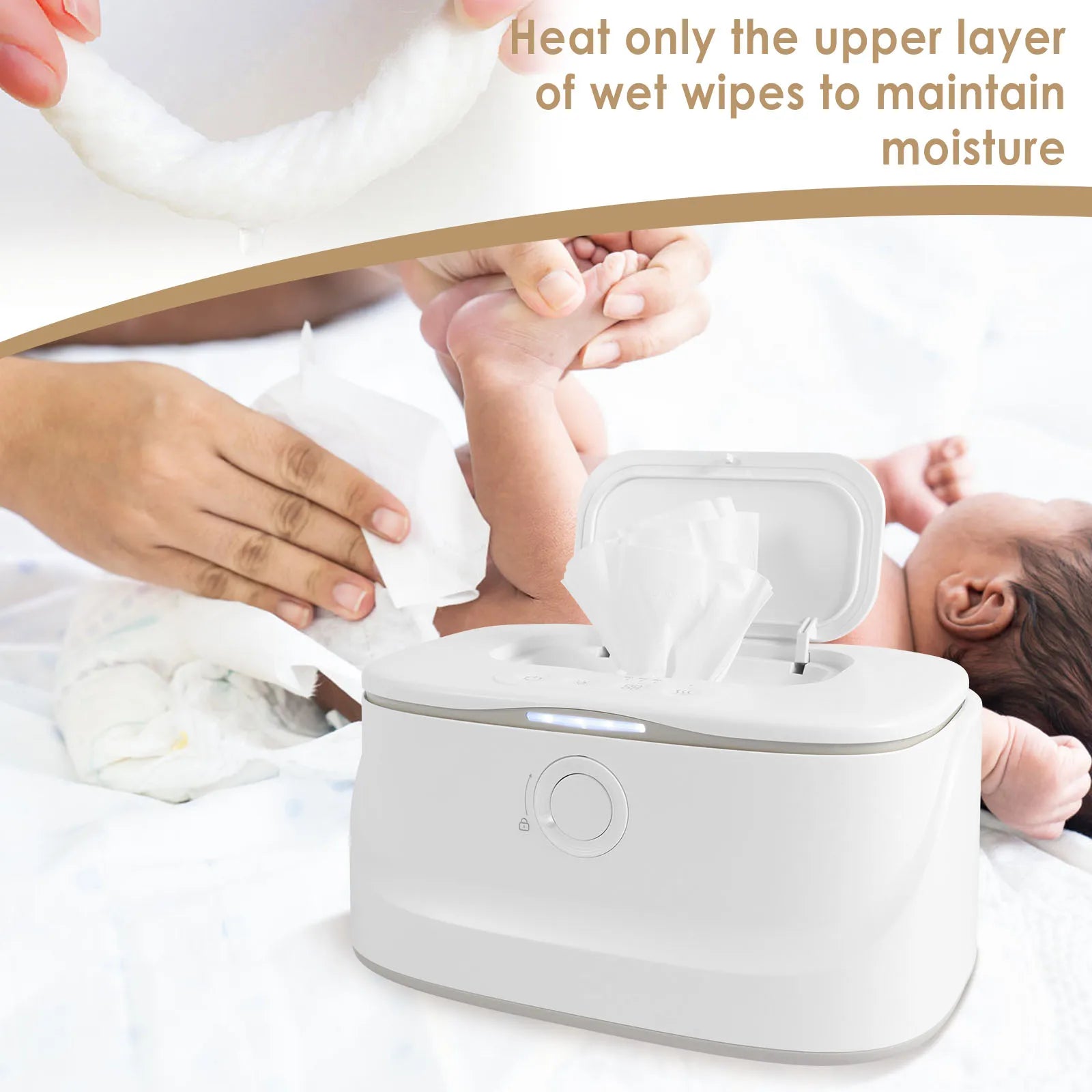
Crying during diaper changes often decreases when wipes are comfortably warm rather than cold. Warm wipes reduce one of the biggest sensory triggers during diaper changes, helping many babies stay calmer while caregivers work more quickly.
- Reduced startle responses from cold contact.
- More comfortable nighttime diaper changes.
- Less interruption to sleep after changing.
- Gentler experience for babies with sensitive skin.
- More relaxed, confident routines for caregivers.
Keep in mind that warm wipes are only one part of a calming routine. If hunger, fatigue, illness, or diaper rash is the underlying cause, addressing those issues is equally important.
Mom Essentials
How to use a wipe warmer safely
A wipe warmer can improve comfort during diaper changes when it is used correctly. The goal is to keep wipes gently warm—not hot—while maintaining moisture and following the manufacturer's care instructions.
- Read the product manual before first use and confirm the correct power source.
- Load the wipes as instructed without overfilling the compartment.
- Allow the warmer to reach a gentle, consistent temperature before changing your baby.
- Test the first wipe on the inside of your wrist. It should feel comfortably warm, never hot.
- Place the warmer on a dry, stable surface away from sinks, bathtubs, and other water sources.
- Clean the interior regularly and refill with fresh wipes as recommended by the manufacturer.
- If the warmer will not be used for an extended period, unplug it and empty any remaining wipes if directed by the product manual.
Safe use is especially important for newborns with delicate skin. A properly maintained warmer should provide consistent comfort without overheating or drying out the wipes.
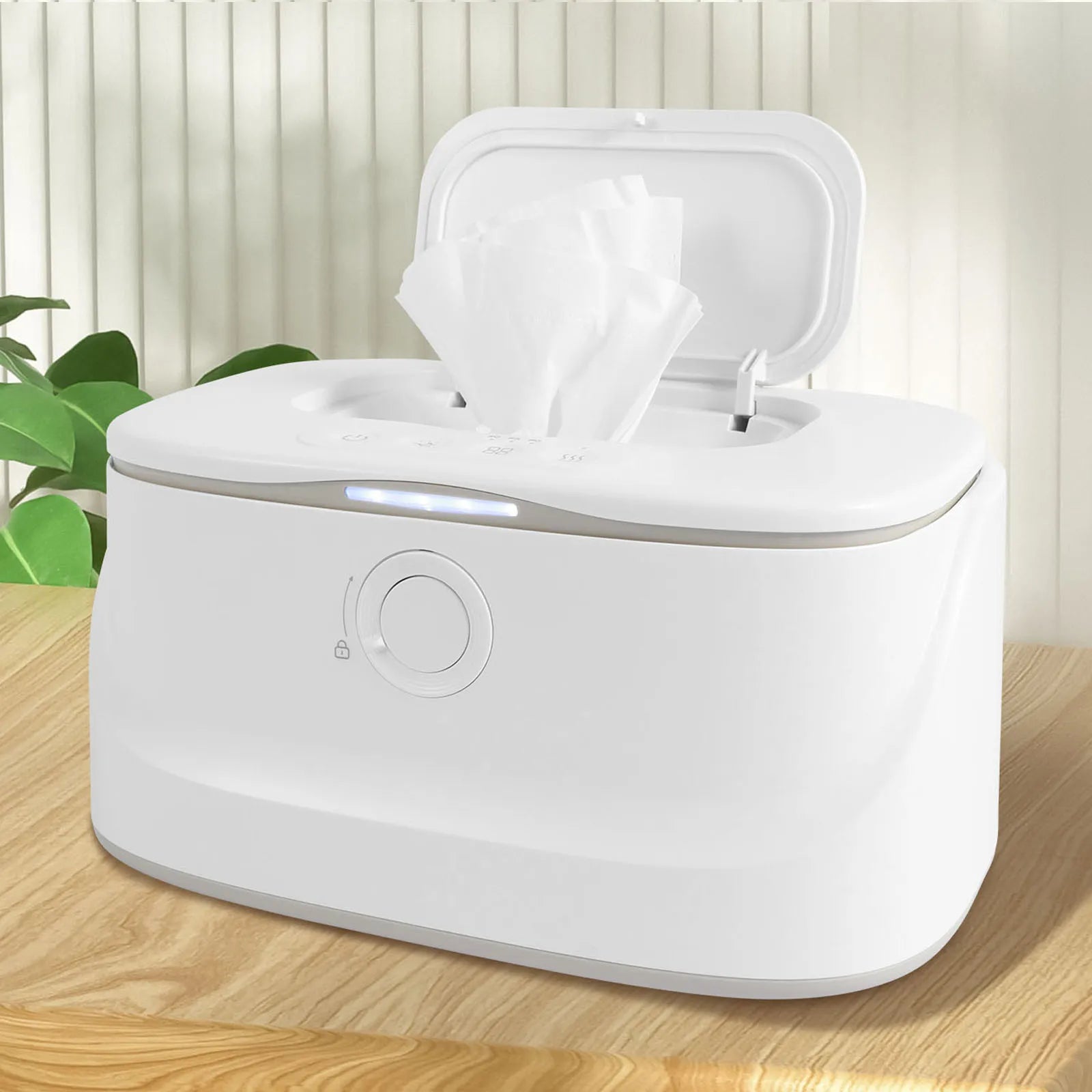
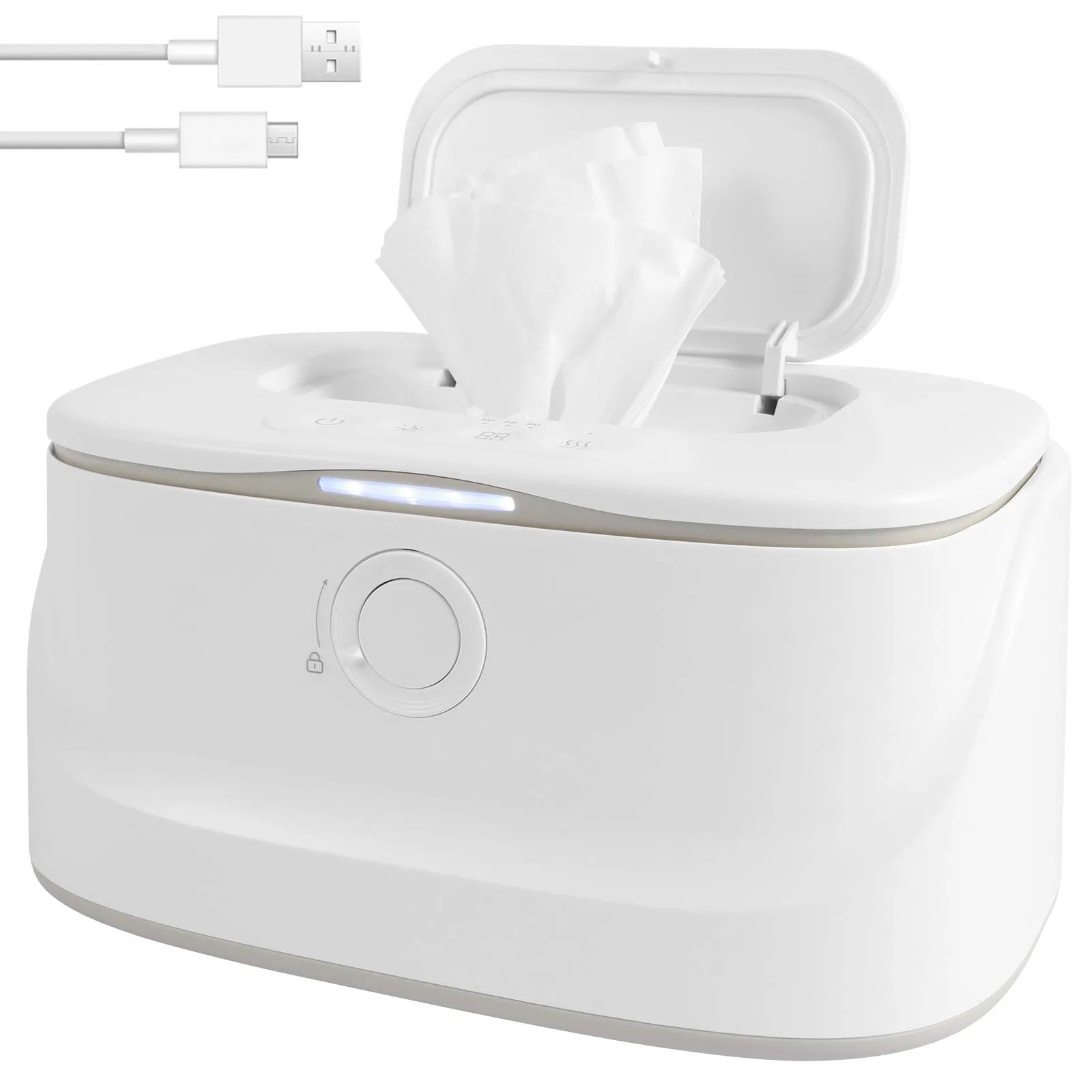
For a convenient option designed for everyday use, see the USB Baby Wipe Warmer with LED Light .
crying during diaper change • warm wipes reduce startle • See it in action
How to optimize nighttime diaper changes
A consistent diaper change routine for newborns can reduce unnecessary stimulation and help babies settle back to sleep more quickly. Small adjustments to the environment often make as much difference as the products you use.
- Keep the room dimly lit to avoid fully waking your baby.
- Speak softly and avoid unnecessary conversation or play.
- Have diapers, wipes, clean clothes, and diaper cream ready before you begin.
- Use gently warmed wipes if cold wipes tend to trigger crying.
- Keep your baby's body covered as much as possible to maintain warmth.
- Move slowly and confidently to minimize startle responses.
- Return your baby to a swaddle or sleep sack promptly if age appropriate.
Checklist for a calmer night change
- Prepare all diapering supplies before picking up your baby.
- Warm wipes to a comfortable temperature and test one on your wrist.
- Keep lighting low by using a soft night light or gentle LED light.
- Limit stimulation by avoiding bright screens and loud noises.
- Complete the diaper change efficiently without rushing.
- Feed, cuddle, or soothe your baby afterward only if needed before returning them to sleep.
USB Baby Wipe Warmer with LED Light
Frequently asked questions
Why does my baby cry during every diaper change?
Baby crying during diaper changes is common, especially in the newborn stage. The most frequent causes include cold wipes, exposure to cool air, hunger, tiredness, diaper rash, gas, or simply disliking the interruption. Watching for patterns—such as crying only at night or only during bowel movements—can help you identify the underlying trigger.
Is diaper change crying normal for newborns?
Yes. Newborns have sensitive skin, immature temperature regulation, and a strong startle reflex, making diaper changes more overwhelming than they are for older babies. Most infants become more comfortable as they mature and develop predictable routines.
Do warm wipes really help calm babies?
Warm wipes can reduce discomfort caused by a sudden cold sensation, particularly during nighttime diaper changes or in cooler rooms. While they won't solve every cause of fussiness, many parents find that consistently warm wipes help minimize startling and make diaper changes feel more comfortable.
How can I stop my baby from screaming during diaper changes?
Prepare supplies before you begin, keep the room comfortably warm, use a calm voice, handle your baby gently, and complete the change efficiently. If cold wipes appear to be a trigger, using a dedicated wipe warmer may help create a calmer diaper change routine.
Can diaper rash make babies cry during changes?
Absolutely. Inflamed or irritated skin can sting when cleaned, even with gentle wipes. If your baby has a rash, clean the area carefully, allow the skin to dry when possible, apply an appropriate barrier cream, and change diapers promptly to reduce further irritation.
Does diaper type affect diaper change comfort?
Sometimes. A diaper that fits poorly, traps excessive moisture, or irritates sensitive skin may contribute to discomfort. If crying consistently occurs during changes and skin irritation is present, consider whether a different diaper size, brand, or material provides a better fit.
When should I worry about crying during diaper changes?
Contact your pediatrician if your baby cries intensely during every diaper change despite comfort measures, develops persistent or severe diaper rash, has sores, bleeding, swelling, fever, or appears to be in significant pain during urination or bowel movements. These symptoms may require medical evaluation.
newborn cold at night • stop crying during diaper change • See it in action
Related product: If cold wipes appear to trigger fussiness, the USB Baby Wipe Warmer with LED Light can help provide consistently warm wipes as part of a calmer nighttime routine.
Related product picks: For more sleep and comfort gear, explore Sleep & Comfort and Baby Hygiene Gadgets .
Baby Care Essentials
Product link: USB Baby Wipe Warmer with LED Light
Pillar Article: Baby Startled by Wipes? The Science Behind Warmed-Wipe Comfort
Other Related Articles:
Explore More:





