

Does warming wipes really help calm babies during diaper changes?
Yes, for many babies, gently warmed wipes can make diaper changes feel more comfortable by reducing the sudden sensation of a cold wipe on sensitive skin. Learning how to warm wipes safely helps keep them moist, close to body temperature, and comfortable during use. While warm wipes are optional rather than essential, they may help reduce fussing during nighttime diaper changes or in colder environments. The key is using safe, low-temperature methods that prevent overheating or drying out the wipes.
How to Warm Wipes Safely: Step-by-Step Guide for Calmer Diaper Changes
If your baby cries the moment a cold wipe touches their skin, warming wipes may make diaper changes feel gentler and less disruptive. This guide explains how to warm wipes safely without drying them out, how to use a wipe warmer correctly, and why avoiding overheating is just as important as warming the wipes themselves. You'll also learn practical safety tips backed by manufacturer recommendations and everyday parenting experience.
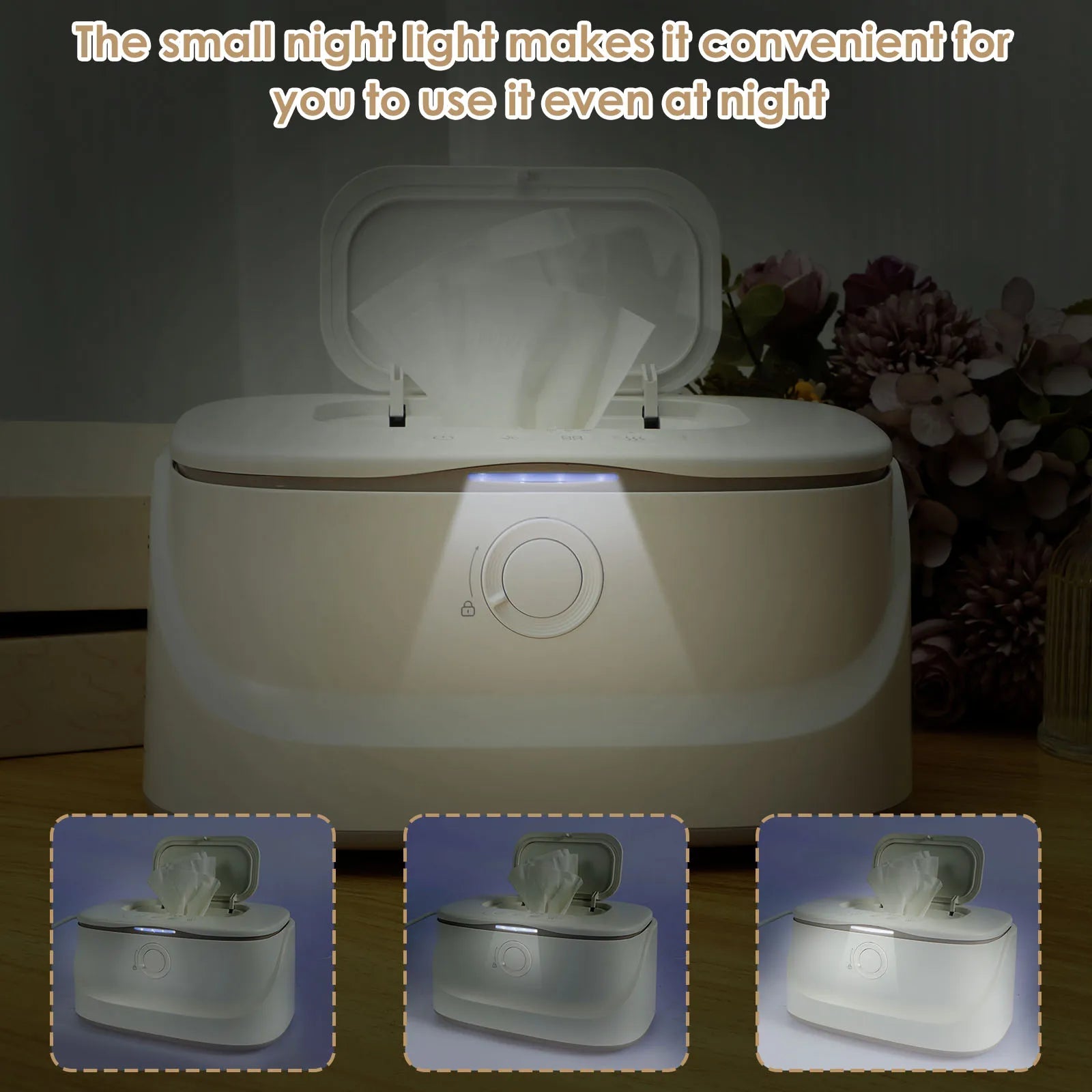
how to warm wipes + wipe warmers safe — See it in action.
Quick solution: Warm wipes the safe way
The safest approach is to use a purpose-built wipe warmer set to a gentle temperature or warm a small stack of wipes inside a sealed insulated container. Keep wipes moist, avoid direct high heat, and always test each wipe on the inside of your wrist before using it on your baby. Wipes should feel comfortably warm rather than hot.
Why temperature matters for baby comfort
Newborns and young babies have highly sensitive skin and may react to sudden temperature changes. A cold wipe can briefly trigger the startle reflex or make diaper changes more uncomfortable, especially during overnight changes when babies are sleepy.
Warm wipes more closely match normal skin temperature, helping some infants stay relaxed throughout the diaper change. Although every baby is different, many parents notice fewer interruptions during nighttime routines when wipes are gently warmed.
It's equally important to understand wet wipes heat sensitivity. Excessive heat can dry out the wipes, reduce cleaning effectiveness, damage ingredients, or create an uncomfortable temperature against delicate skin. Safe warming always prioritizes low, consistent heat with good moisture retention.
Step-by-step: How to warm wipes safely
Direct answer: Warm baby wipes to approximately body temperature (about 98°F / 37°C) using a low-temperature wipe warmer or another gentle warming method. Keep the wipes sealed to preserve moisture, never microwave them, and always perform a wrist test before each diaper change.
- Choose a safe warming method. A dedicated wipe warmer is the simplest option because it provides gentle, controlled heat. If one isn't available, place a sealed package of wipes inside an insulated container with a mild heat source. Avoid exposing wipes directly to hot water or high heat.
- Warm only what you'll need. Preparing a small batch for the next diaper change helps maintain moisture and reduces the amount of time wipes remain warm unnecessarily.
- Keep temperatures low. Aim for approximately 95–100°F (35–38°C). Wipes should feel comfortably warm rather than hot. Higher temperatures increase the risk of drying and unnecessary heat exposure.
- Seal the wipes well. Whether using a warmer or an airtight container, keeping the lid closed helps preserve moisture while warming.
- Test every wipe. Hold the wipe against the inside of your wrist for several seconds. If it feels warmer than your own skin or uncomfortable, allow it to cool before use.
- Use warmed wipes promptly. Avoid leaving warmed wipes sitting out for extended periods where they can cool, dry out, or collect contaminants.
- Maintain your warmer. Clean the unit regularly according to the manufacturer's instructions and replace wipe packs before they begin to dry.
Safety tip — what to avoid
- Never microwave baby wipes because microwaves heat unevenly and may create dangerous hot spots.
- Avoid pouring boiling or very hot tap water directly onto wipes.
- Do not overfill wipe warmers, as crowded wipes warm less evenly and may lose moisture faster.
- Stop using any warmer that overheats, develops electrical faults, or no longer maintains a gentle temperature.
Best practices and safety checks
Test wipe temperature before use
Checking the temperature before every diaper change is the simplest way to prevent accidental burns. The inside of your wrist is sensitive enough to detect excessive warmth and closely reflects how the wipe will feel against your baby's skin. If a wipe feels hot instead of pleasantly warm, allow it to cool before use.
Keep wipes moist
Heat naturally increases evaporation, so moisture retention should always accompany warming. Store wipes inside a tightly sealed warmer or container and avoid leaving the lid open between diaper changes. If the wipes begin to dry, adding a few drops of distilled water to the center of the stack can help restore moisture without overly diluting the cleaning solution.
Prevent bacterial growth
Warm, damp environments require regular cleaning. Empty the warmer periodically, wipe all interior surfaces with mild soap and water, and allow it to dry completely before refilling. Follow the manufacturer's maintenance recommendations and avoid storing partially dried wipes for extended periods. Keeping both the warmer and wipe packs clean helps minimize contamination while maintaining wipe quality.
Product options & comparison
Choosing the right warming method depends on where you change diapers, how often you need warm wipes, and whether portability matters. Dedicated wipe warmers provide the most consistent temperature and moisture retention, while portable USB models are convenient for travel. Insulated containers can work for occasional use but require more attention to temperature and moisture.
| Option | Warming speed | Moisture retention | Best use |
|---|---|---|---|
| Electric wipe warmer (plug-in) | Fast | Excellent | Daily nursery use and nighttime diaper changes |
| USB or battery wipe warmer | Moderate | Good | Travel, daycare, grandparents' homes |
| Insulated container with gentle heat | Slow | Moderate | Occasional use and budget-conscious families |
If you want a compact solution for home or travel, a USB-powered wipe warmer offers gentle, consistent warming without taking up much space. Browse additional accessories in Baby Hygiene Gadgets or Temperature Tools.
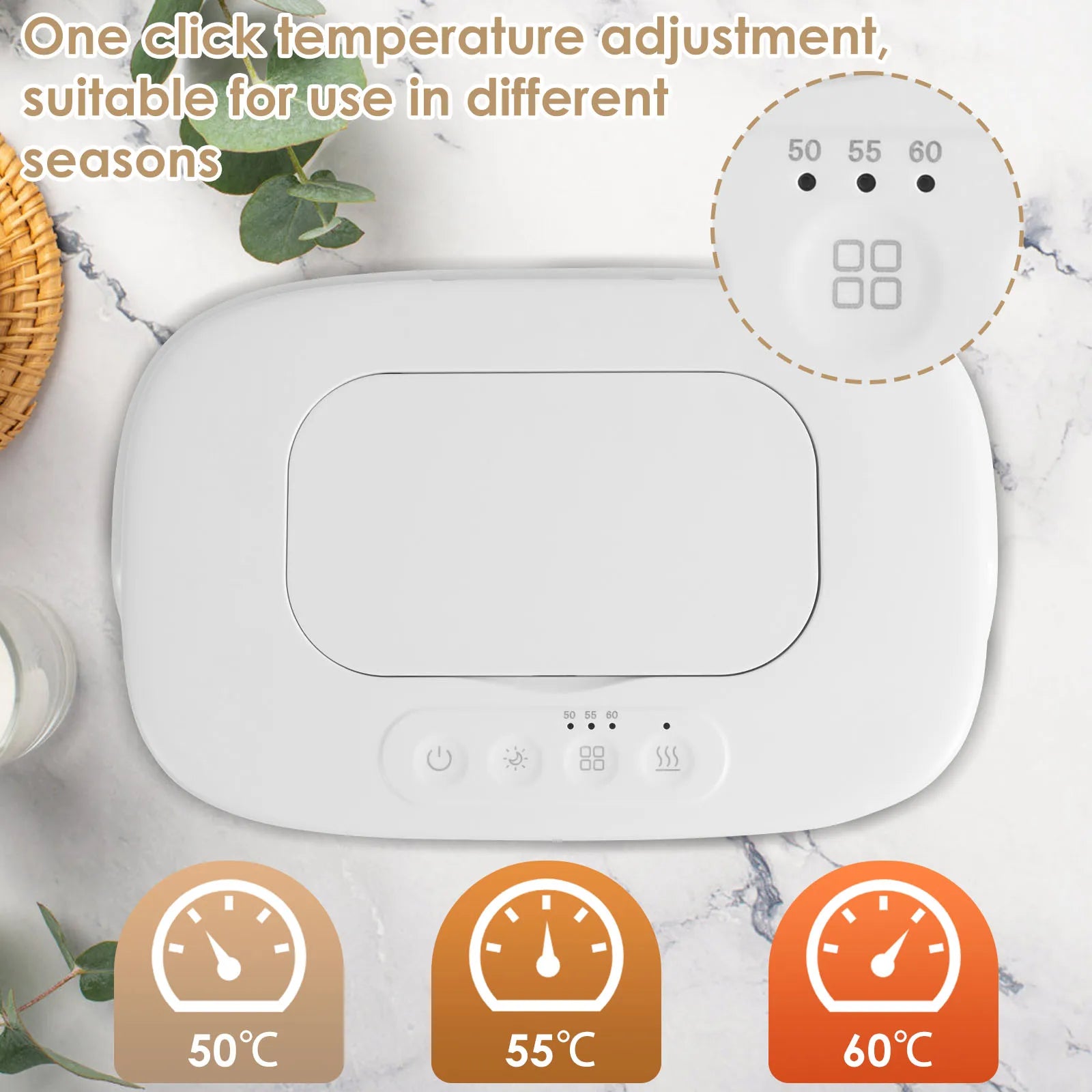
how to warm wipes + wipe warmers safe — See it in action.
Troubleshooting & common mistakes
Wipes too dry after warming
Wipes usually dry out because the warmer lid is left open, the seal is damaged, or the wipes have been heated for too long. Add a few drops of distilled water if the manufacturer permits, reseal the package, and warm smaller quantities instead of storing wipes in heat for extended periods. Replace wipes if they become stiff, discolored, or past their expiration date.
Wipes too hot
Overheated wipes may result from an overfilled warmer, faulty thermostat, or prolonged exposure to direct sunlight. Turn off the warmer, allow the wipes to cool, and always perform a wrist test before use. If the warmer repeatedly overheats, discontinue use and follow the manufacturer's service recommendations.
Baby still cries during diaper change
Warm wipes can improve comfort for some babies, but they are only one part of a calm diaper-changing routine. If your baby continues to fuss, consider other factors such as hunger, fatigue, diaper rash, room temperature, or sensitivity to noise and bright lights.
- Keep the room comfortably warm during diaper changes.
- Use soft lighting for overnight changes.
- Speak calmly and complete diaper changes efficiently.
- Choose fragrance-free wipes if your baby has sensitive skin.
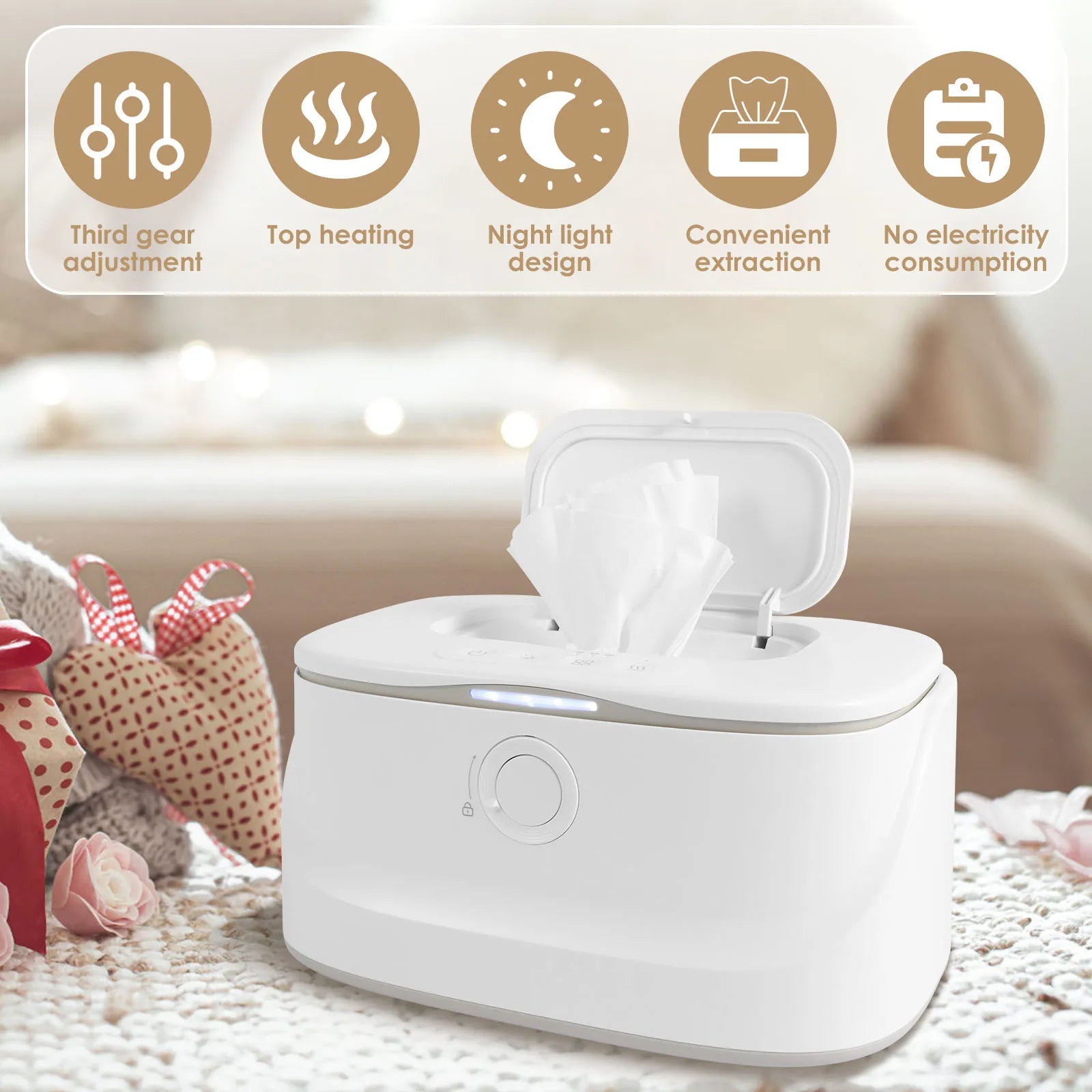
wipe warmers safe + nighttime diaper changes — See it in action.
Frequently asked questions
1. Is it safe to warm baby wipes?
Yes. Baby wipes can be warmed safely when you use a purpose-built wipe warmer or another gentle, controlled warming method. Keep the temperature close to body temperature (95–100°F / 35–38°C), maintain moisture, and always test a wipe on the inside of your wrist before using it on your baby's skin.
2. Can I microwave baby wipes if I remove them from the package?
No. Removing wipes from the package does not make microwaving safe. Microwaves heat unevenly, creating hot spots that may not be obvious until the wipe touches your baby's skin. Some wipe ingredients and packaging materials are also not intended for microwave heating.
3. Why do microwaved wipes develop hot spots?
Microwave energy does not heat moisture evenly. Some parts of a wipe can become much hotter than others, increasing the risk of burns even when the wipe feels only slightly warm overall.
4. How warm should baby wipes be?
Ideally, wipes should feel similar to normal body temperature—approximately 95–100°F (35–38°C). They should feel comfortably warm, never hot.
5. How long do wipes stay warm in a wipe warmer?
Most quality wipe warmers maintain a consistent temperature while powered on and properly loaded with moist wipes. Individual wipes begin cooling once removed, so they should be used immediately after dispensing.
6. Can you leave a wipe warmer on all day?
Many modern wipe warmers are designed for continuous operation, but you should always follow the manufacturer's instructions for your specific model. Regular cleaning and maintaining adequate moisture help ensure safe long-term use.
7. How do you keep wipes warm without a wipe warmer?
If you don't own a wipe warmer, you can briefly warm a sealed package inside an insulated container or warm an individual wipe in clean hands for a few moments before use. Avoid high heat, boiling water, and microwave ovens.
8. Do warm wipes reduce diaper rash?
Warm wipes do not prevent or treat diaper rash. However, some babies with sensitive skin may tolerate diaper changes better when wipes are comfortably warm. Preventing diaper rash still depends on frequent diaper changes, gentle cleansing, allowing the skin to dry, and using a suitable barrier cream when needed.
9. Can wipe warmers cause bacteria to grow?
Improperly maintained warmers may encourage bacterial growth. Clean the warmer regularly, keep wipes sealed, avoid letting wipes dry out, and replace wipe packs according to the manufacturer's recommendations.
10. How often should a wipe warmer be cleaned?
Most manufacturers recommend wiping down the warmer regularly and performing a more thorough cleaning every time you empty or refill it. Always refer to your warmer's instruction manual for specific maintenance guidance.
11. Are warm wipes necessary for newborns?
No. Warm wipes are a comfort feature rather than a medical necessity. Many newborns tolerate room-temperature wipes well, while others appear calmer when wipes are gently warmed. Parents can choose the option that best suits their baby's preferences.
Related Articles:
- Best Temperature for Wipes Explained: Prevent Startles and Nighttime Fuss
- Safe Wipe Warming Tips Every Parent Should Know for Stress-Free Changes
- Keep Baby Wipes Warm Easily: Simple Daily Routine Any Parent Can Follow
- Cold Wipes Hurting Baby? Top Warmers Reviewed for Gentle, Cozy Changes
Pillar Articles:





