

Does a clipper nail cutter really give sharper, cleaner, faster cuts?
Yes. A modern clipper nail cutter achieves sharper, cleaner, and faster cuts by combining precise blade geometry, a lever-and-pivot mechanism, accurate blade alignment, and high-quality surface finishing. Instead of simply squeezing through the nail, a well-designed clipper converts hand pressure into controlled cutting force, reducing nail crushing, splitting, and jagged edges. Features such as ergonomic grips, corrosion-resistant coatings, and integrated nail catchers can further improve comfort, hygiene, and ease of use.
⏱ 6 min read
Clipper Nail Cutter Technology Explained: Sharper, Cleaner, Faster Cuts
Although a clipper nail cutter appears simple, every component is engineered to improve cutting performance. The blade shape determines how smoothly the nail is sheared, the lever multiplies your hand force, and the pivot keeps both cutting edges aligned throughout each cut. Understanding how these design features work together makes it easier to choose a clipper that delivers consistent precision, better control, and longer-lasting performance.
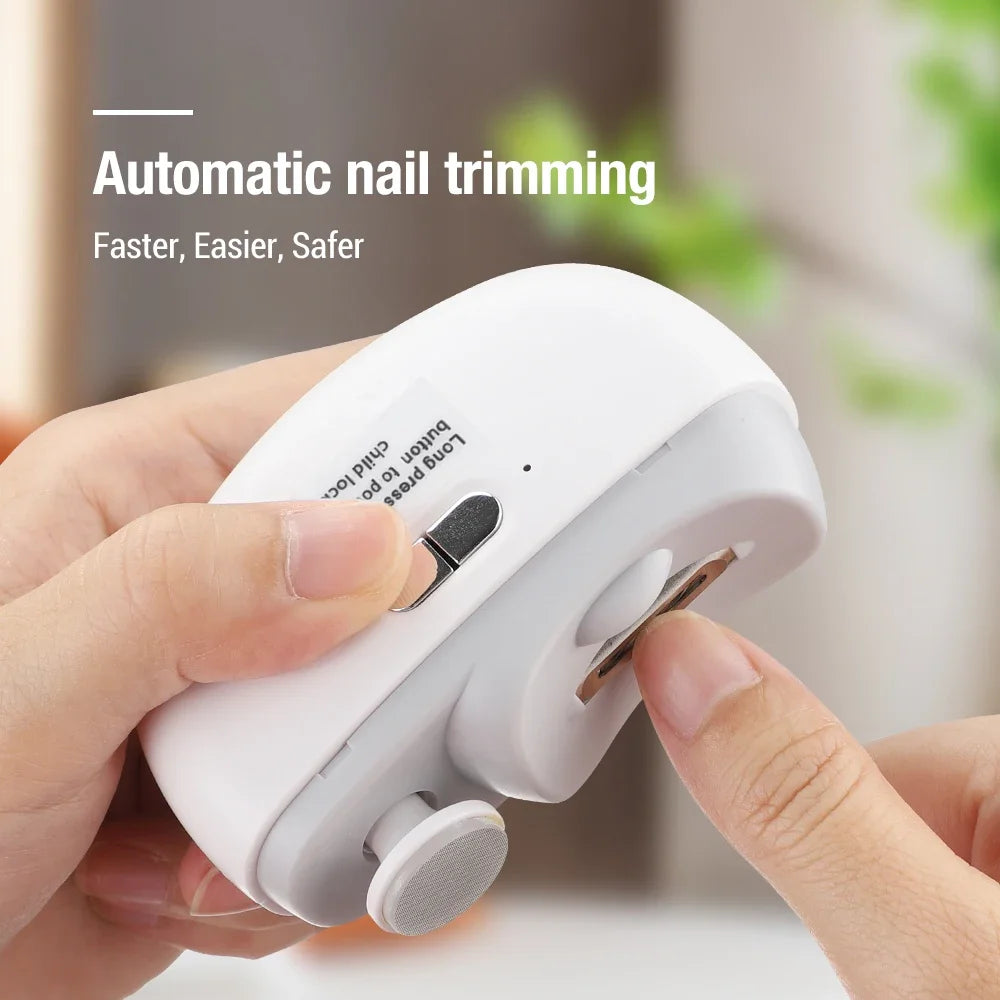
Clipper nail cutter showing modern blade and handle design for precise trimming.
Why modern clipper nail cutters cut better
Answer: A quality clipper nail cutter performs better because several engineering features work together rather than relying on sharp blades alone. Blade geometry determines how efficiently the nail is sheared, the lever multiplies the force applied by your hand, the pivot maintains blade alignment, and precision manufacturing minimizes unwanted movement between cutting edges. These elements produce smoother cuts while requiring less effort.
Instead of crushing the nail before it separates, a properly designed clipper guides the cutting edges together with consistent pressure. Better alignment reduces tearing, while a polished cutting surface lowers friction as the blades pass through the nail.
Key features that improve results
- Optimized blade geometry: Carefully shaped cutting edges create a controlled shearing action that helps minimize cracking and uneven trimming.
- Precision-ground cutting edges: Finely finished blades reduce friction and leave smoother nail edges that require less filing afterward.
- Lever-and-pivot mechanism: The lever increases mechanical advantage, allowing greater cutting force with less hand pressure.
- Accurate blade alignment: Tight manufacturing tolerances keep both blades meeting evenly across the full cutting edge, improving consistency.
- Nano or PVD surface coatings: Protective finishes improve corrosion resistance, reduce surface friction, and help maintain cutting performance over time.
- Ergonomic grip and safety features: Textured handles, rounded edges, integrated nail catchers, and optional LED lighting improve control while reducing accidental slips.
How this technology outperforms basic clippers
Many inexpensive clippers lose performance because of inconsistent blade alignment, rough cutting surfaces, or flexible hinges that allow the blades to shift during use. When the cutting edges no longer meet evenly, nails are more likely to split or require multiple snips.
Higher-quality designs reduce these issues through better machining, stronger pivots, and more consistent edge finishing. Rather than depending on excessive hand force, they transfer pressure efficiently through the lever system so the blades slice through the nail with greater control and less deformation.
How to choose the best clipper nail cutter
Selecting the right clipper starts with matching its design features to your nail type instead of focusing only on appearance or price. Consider how the blade shape, leverage, grip, and construction affect real-world performance.
- For thick toenails: Choose a wider jaw opening, reinforced lever, and strong pivot that generate higher cutting force without excessive hand effort.
- For fingernails or precision trimming: Look for narrower cutting jaws, precise blade alignment, and rounded tips for greater control around nail contours.
- For durability: Stainless steel construction with corrosion-resistant nano or PVD finishes helps maintain blade quality and resists rust in humid environments.
- For comfort and visibility: Prioritize ergonomic handles, non-slip grips, nail catchers, and optional built-in lighting if you frequently trim children's nails or need additional precision.
Related products for different needs: explore more from our Baby Nail Care Tools collection.
How to use your clipper for cleaner, safer cuts
- Soften the nails first: Trim after a bath, shower, or a few minutes of soaking to reduce cutting resistance and lower the chance of splitting.
- Position the blades carefully: Place the cutting edges squarely across the nail before squeezing the lever. Proper alignment produces a cleaner cut with less pressure.
- Use several controlled cuts: For thick or wide nails, make a series of small cuts instead of forcing one deep cut that can crack the nail or strain the clipper.
- Match the blade shape to the nail: Curved blades work well for most fingernails, while straighter blades offer better control for many toenails and may help reduce the risk of cutting too deeply into the corners.
- Finish with a nail file: Smooth any rough edges after clipping to minimize snagging and help prevent hangnails.
- Clean after every use: Remove nail debris, wipe the blades dry, and store the clipper in a clean, dry place to maintain hygiene and reduce corrosion.
Quick comparison: common cutter types
| Design | Best for | Key design features | Considerations |
|---|---|---|---|
| Standard lever clipper | Routine fingernail care | Compact size, simple lever mechanism, easy portability | Requires more hand force on thick nails and may wear faster if poorly manufactured. |
| Compound-leverage clipper | Thick toenails and reduced hand strength | Mechanical advantage increases cutting force while reducing user effort | Larger size makes it less pocket-friendly than standard designs. |
| Precision nipper or guillotine-style cutter | Detailed trimming and cuticle work | Fine cutting edges provide excellent visibility and control | Not intended for heavy or very thick nails. |
| Electric clipper with light | Quick family grooming and low-force trimming | Motor-assisted trimming, integrated light, and nail-catching features | Requires charging or batteries and periodic maintenance. |
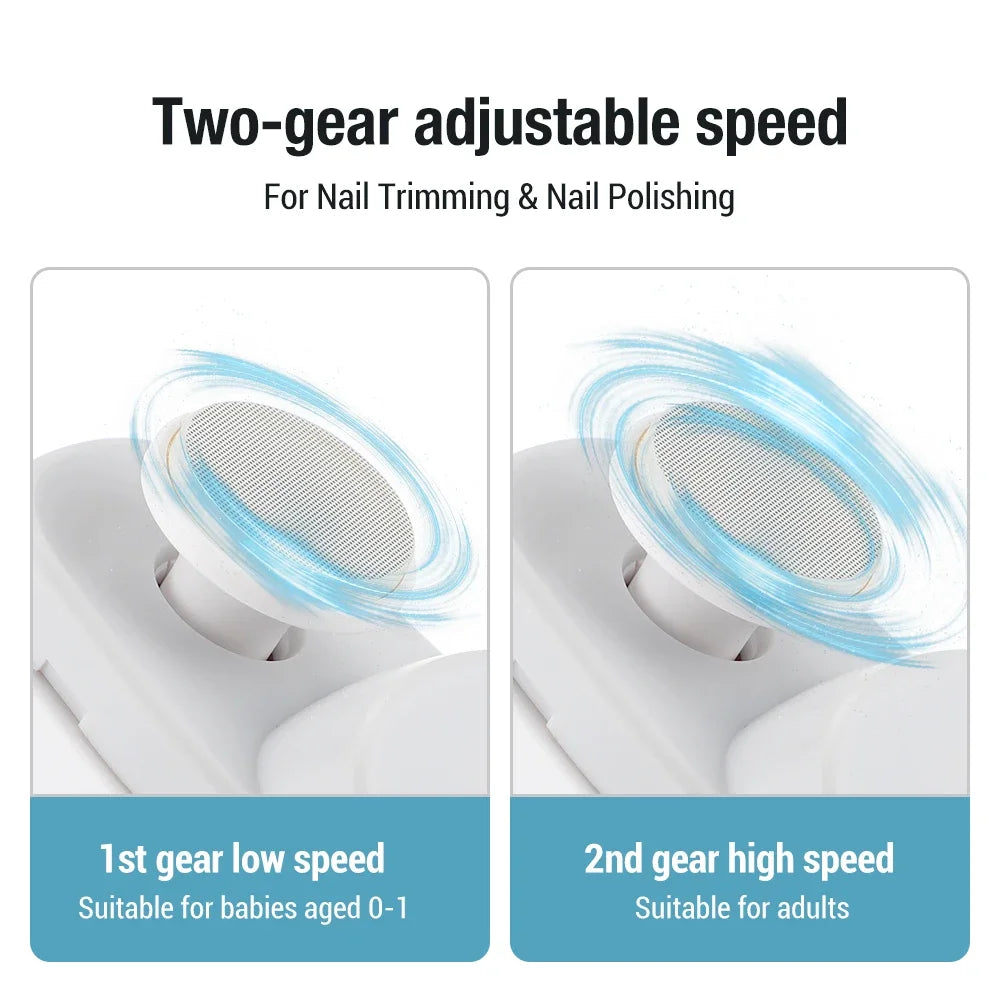
Close-up view highlighting clipper blade alignment, ergonomic grip, and precision cutting features.
For users who prefer an assisted trimming experience, the Electric Nail Clipper with Light combines an integrated light with enclosed nail collection to improve visibility and help keep clipped nails contained during routine grooming. These convenience features can be especially useful when trimming small nails or grooming in lower-light conditions.
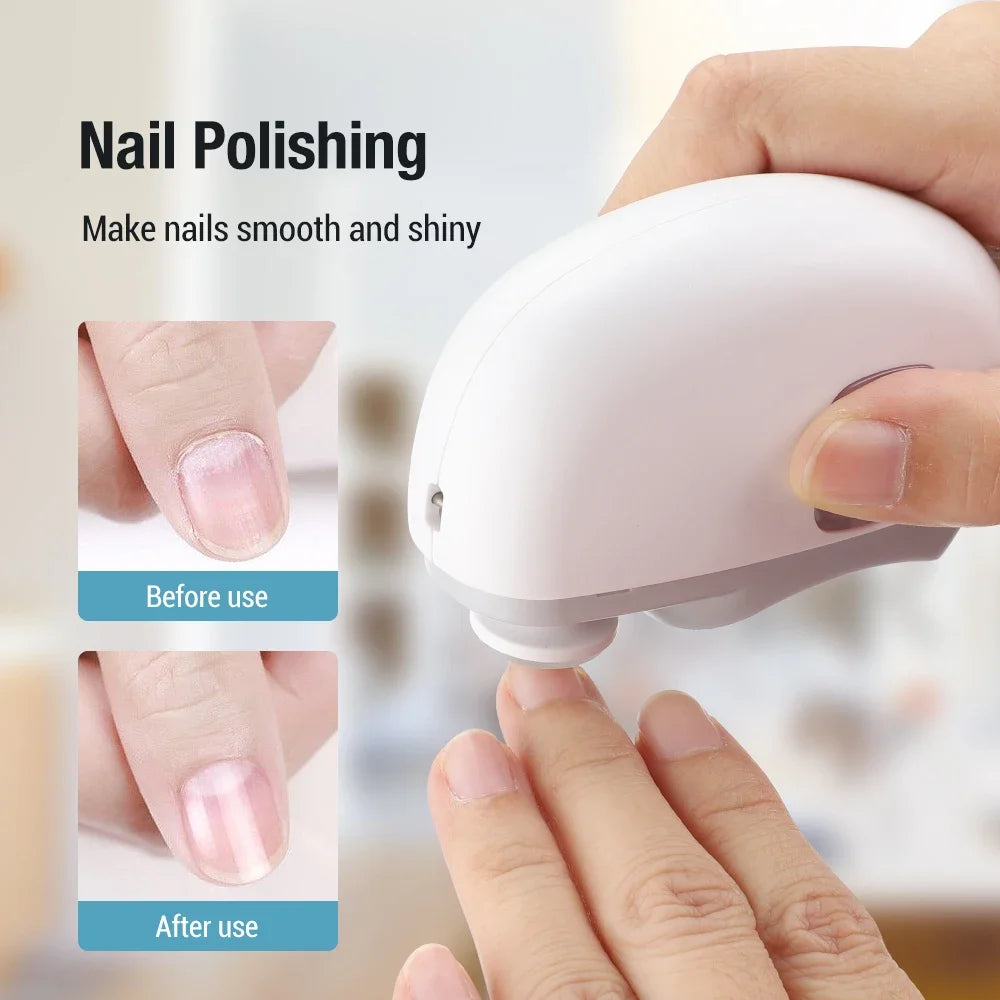
Clipper nail cutter with integrated lighting and enclosed trimming design for improved visibility and cleaner nail care.
Frequently Asked Questions About Nail Clipper Design
-
How does a nail clipper work?
A nail clipper uses a lever-and-pivot mechanism to multiply the force applied by your hand. As the lever presses the cutting blades together, the sharpened edges shear through the nail instead of crushing it, producing a cleaner and more controlled cut.
-
What are the main parts of a nail clipper?
The primary components include the cutting blades, lever, pivot pin (fulcrum), frame, and handle. Some models also include a built-in nail file, nail catcher, LED light, or protective cap to improve convenience and safety.
-
How does the nail clipper lever mechanism create cutting force?
The lever increases mechanical advantage, allowing relatively light hand pressure to generate much greater force at the cutting edges. This makes trimming thick nails easier while reducing hand fatigue.
-
What is the difference between curved and straight nail clipper blades?
Curved blades naturally follow the contour of most fingernails, while straight blades are commonly preferred for toenails because they help create a straighter edge that may reduce the risk of ingrown nails when trimmed correctly.
-
Why does nail clipper blade alignment matter?
Properly aligned blades meet evenly across the entire cutting edge. Good alignment reduces tearing, splitting, and uneven pressure, resulting in smoother cuts with fewer rough edges.
-
What nail clipper features improve comfort and control?
Longer levers, textured grips, ergonomic handles, compound leverage systems, and visibility features such as built-in lights all help improve stability and reduce the effort required during trimming.
-
Which nail clipper design is best for thick toenails?
Heavy-duty clippers with wider jaws, strong stainless-steel construction, and compound leverage generally provide better cutting performance for thick or hard toenails than standard fingernail clippers.
-
What materials are commonly used to make nail clippers?
Most quality nail clippers are made from stainless steel because it offers a good balance of strength, corrosion resistance, and hygiene. Some premium models add PVD or nano surface coatings to improve wear resistance and reduce friction, but overall manufacturing quality and blade alignment remain more important than coatings alone.
Pillar Article: Safe Nail Trimming Tool Features That Make Grooming Truly Worry-Free
Other Related Articles:
Explore More:





