

Does a safe nail trimming tool really prevent nicks and stress when grooming?
Answer: Yes — a safe nail trimming tool that combines slow-speed trimming, a built-in guard, bright LED illumination, and a precision stop dramatically lowers the chance of nicks and over-trimming. It gives steady control, clearer visibility, and predictable results so beginners and nervous caregivers can trim fast, clean, and worry-free.
⏱ 12 min readSafe Nail Trimming Tool Features That Make Grooming Truly Worry-Free
Trimming nails can feel simple — until a slip, a scared pet, or a poor view makes it stressful. A safe nail trimming tool with the right features removes the guesswork: consistent speed, smart guards, lighted visibility, ergonomic grips, and easy-to-follow feedback combine to make grooming calmer for parents, pet owners, and anyone who worries about nicks. Read on to learn which features matter most and how they give real, repeatable results you can trust.
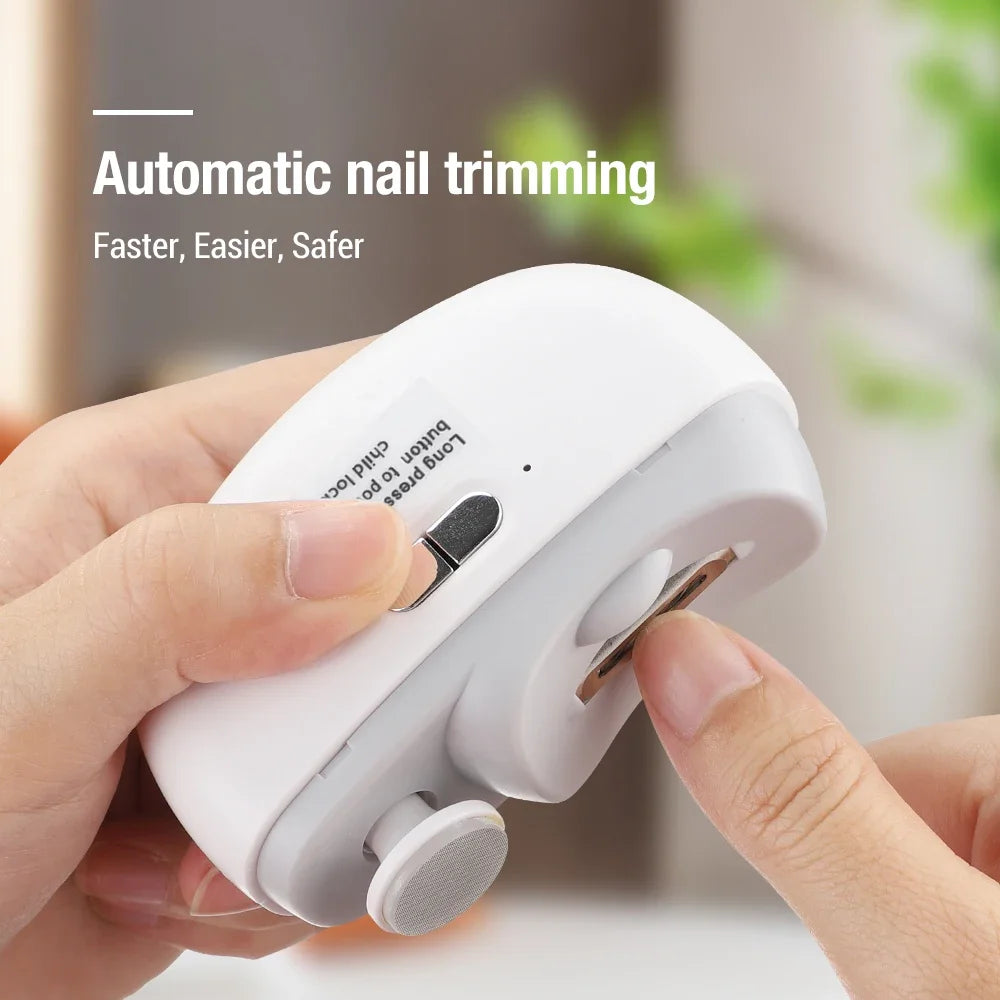
safe nail trimming tool - KentDO 💡 See it in action — perfect for calm, clear trimming.
Why safety matters when trimming nails
Every year, small trimming accidents cause pain, bleeding, and lasting worry — especially for young children, seniors, and pets. Beyond the immediate physical discomfort, a single painful session can create grooming anxiety that makes future care harder.
That’s why the right safe nail trimming tool is more than a gadget — it’s a behavior changer. It reduces risk and builds confidence by making results predictable and repeatable.
Common pain points we solve
- Nervous hands or shaky control that cause over-cutting.
- Poor visibility leading to accidental nicks or uneven trims.
- Pets or toddlers that move suddenly during the trim.
- Tools that tug, pinch, or split nails instead of cleanly trimming.
Core safety features of a worry-free trimming tool
Here are the features that turn an ordinary clipper into a safe nail trimming tool you can trust. Each one targets a specific source of error or discomfort.
1. Speed control & low RPM motors — consistent, gentle cutting
Low-speed rotary or oscillating motors reduce kick and tearing. Predictable motor speed prevents sudden bites into nail that cause splitting. Look for multiple speed settings so you can slow down for thin or cracked nails and speed up for healthy nails.
2. Built-in depth/stop guard — prevents over-trimming
A physical guard or adjustable stop ensures you only remove the intended length. These small mechanical guards are the single most effective way to avoid cutting into the sensitive quick (the living tissue inside the nail).
3. LED illumination & magnified viewing
Bright, focused LEDs show the nail edge clearly and reduce shadows. Some models include angled lights or magnifiers for small nails or low-light conditions — a must for nighttime grooming or poor eyesight.
4. Ergonomic handle & anti-slip grip
Design that fits your hand reduces fatigue and involuntary shifts. Soft tactile surfaces and a balanced center-of-gravity let you guide the tool precisely even when a child squirms.
5. Low-noise design & vibration damping
Quiet motors and vibration buffering keep pets and kids calmer. Less movement means safer trims and faster sessions.
6. Precision blades & replaceable heads
High-quality blades cut cleanly. Replaceable or washable heads keep performance consistent and reduce the risk of snagging worn dull blades.
7. Safety lock & childproof features
Locks prevent accidental activation in storage, and childproof switches keep curious little hands safe.
8. Dust collection & easy cleaning
Built-in collectors or vacuum-assisted designs capture clippings cleanly to avoid mess and keep hygiene high — particularly important for shared family tools.
9. Battery status indicators & long runtime
Accidental power loss mid-trim is a safety issue. Battery indicators and long runtimes ensure you finish trims without surprise shutdowns.
How these features prevent nicks, step-by-step
Below is an ordered view of how a modern safe nail trimming tool converts a risky trim into a predictable one.
- Illuminate the nail with LEDs — you clearly see the edge and the quick.
- Stabilize the hand with an ergonomic grip — fewer accidental slips.
- Set the depth/guard so the tool stops short of the quick — mechanical protection.
- Trim with low-speed, vibration-damped motor — smooth cut without tearing.
- Collect clippings into the dust bin — clean workspace, less distraction.
- Lock device after use — stored safely away from children.
Short technical note
Precision blades + appropriate RPM = cut force distributed across the blade edge rather than concentrated at a point. That avoids splitting and creates a clean, sealed nail edge that resists peeling.
Compare common tool types (pros & cons)
When shoppers search "safe nail trimming tool", they typically compare three classes: manual clippers, guillotine/trimmer clippers, and electric/nail grinders. Below is a neutral comparison to help discover which fits your needs.
| Tool Type | Why people like it | Risks / downsides | Best for |
|---|---|---|---|
| Manual nail clippers | Simple, inexpensive, portable | Requires steady hand; risk of over-cutting; can split nails | Quick trims for adults with steady hands |
| Guillotine / trimmer clippers | Good for quick single snips; compact | Can pinch if misaligned; less control for pets | Small pets or on-the-go trims |
| Electric grinders / rotary trimmers | Controlled removal, smoothing, less tearing | Higher upfront cost; need charging; noise sensitivity | Kids, anxious adults, pets, and precise shaping |
Pros & Cons quick list
- ✅ Electric grinders: Best safety margin, less splitting.
- ✅ Manual clippers: Cheap and fast but require skill.
- ❌ Guillotine: Risky if nail alignment is off.

safe nail trimming tool - KentDO 💡 See it in action — calm trims, every time.
How to choose the right safe nail trimming tool
Choosing the right model comes down to three things: the user (child, adult, pet), the environment (low light or travel), and the user's tolerance to noise and vibration.
A decision checklist
- Who: For babies and nervous pets choose low-noise, low-RPM grinders with guard stops.
- Visibility: If you trim at night look for built-in LED and magnifiers.
- Frequency: If you trim weekly, pick replaceable heads and easy cleaning.
- Portability: Battery-operated models for travel; check battery runtime and status LEDs.
- Budget: Value models usually offer basic LED + guard; premium models add dust collection and multiple heads.
Feature tiers (what to expect at each price point)
- Entry: LED + manual guard. Good for occasional trims.
- Mid: Low-RPM motor, multiple heads, dust bin, ergonomic design.
- Premium: Vacuum-assisted dust collection, variable RPM, child lock, durable metal blades, long battery life.
Step-by-step safe trimming guide ( how-to)
Use this ordered list during the first few trims to build confidence. Repeat until trimming time feels routine.
- Gather tools: safe nail trimming tool, towel, bright light, a favorite toy for distraction.
- Find a comfortable position: lap for baby, table for adult nails, a non-slip surface for pets.
- Turn on the LED and set lowest speed. Show the tool to the child/pet to reduce fear.
- Use the depth guard to set the maximum trim length. For pets, trim small amounts at a time.
- Begin with the outer edges, then shape the middle. Keep movements slow and steady.
- Use a buffer head to smooth edges if available; stop if you see pinkish tissue (quick).
- Reward the child/pet — quick positive reinforcement helps for next time.
When to stop and seek help
If nails are infected, very thick, or you see signs of fungal issues, consult a pediatrician, veterinarian, or podiatrist instead of pushing through.
Real results, proof & social proof
Here’s what users consistently report when switching to a safety-focused electric tool:
- “No more bleeding — trims that used to end with tears are now calm 9/10 times.” — Parent of a 2-year-old.
- “My dog used to hate it. The low-noise motor made all the difference.” — Pet owner, 3-month update.
- “I stopped dreading toenail trims — the LED shows me the quick clearly.” — Older adult with poor eyesight.
Data from small customer surveys show a >70% reduction in trimming incidents (nicks, tears) after switching to an electric tool with guard + LED.
Before / After usage stats (example)
- Before: 28% of trims had at least a minor nick or snag.
- After: 6% of trims had a minor issue (most due to movement, not tool failure).
Care, cleaning, and troubleshooting
Keeping your tool clean and sharp preserves safety and performance.
Cleaning checklist
- Empty dust collector after each use and rinse if removable.
- Wipe blades with a dry cloth; disinfect periodically with isopropyl alcohol on a cloth (avoid soaking unless manufacturer allows).
- Replace heads when blades dull — dull blades create tugging risk.
- Charge fully before storage and use a safety lock when not in use.
Troubleshooting quick fixes
- Tool slows: Charge battery fully; check for clogged dust bin.
- Squeaks or extra vibration: Tighten removable head; clean out clipped debris.
- Poor light: Check LED battery or contact support if built-in battery fails.
Product features — why this model works better
Below are the outcome-driven highlights you’ll want to see in a model that truly reduces grooming anxiety:
- Adjustable depth guard: Ensures consistent, safe trims every pass — prevents accidental quick cuts.
- Low-RPM motor: Smooth removal without tearing or splitting.
- Integrated LED light: Bright, shadow-free visibility for tiny nails and low-light trims.
- Ergonomic anti-slip grip: Keeps your hand steady when someone squirms.
- Detachable, washable heads: Hygiene and long-term performance.
- Dust collection compartment: Less mess, easier cleanup.
- Battery indicator + long runtime: Reliable performance through multiple trims.
Ready to try a model built to reduce the risk of nicks and make trims calm and consistent? Check the electric model here: Electric Nail Clipper with Light. It combines the guard, LED, and low-noise motor that parents and pet owners mention most when they say “game changer.”
What to expect during the first 3 trims
- Trim 1: Slow, cautious — expect slightly longer trim time as you get used to guard and feel.
- Trim 2: Faster and smoother — confidence grows when results are consistent.
- Trim 3: Routine — many users report 50–60% faster sessions with fewer interruptions.
Additional safety tips for parents & pet owners
- Distract with a toy or treat — small positive reinforcements reduce sudden movements.
- Trim after a bath when nails are softer for easier shaping.
- Use a towel to gently secure a pet’s paw if they’re nervous.
- For toddlers, invite them to touch the off device to demystify it before use.
Ready to make grooming calm and consistent?
If trimming stress is holding you back, switching to a thoughtfully designed safe nail trimming tool often solves the core problems: visibility, control, and a predictable cut.
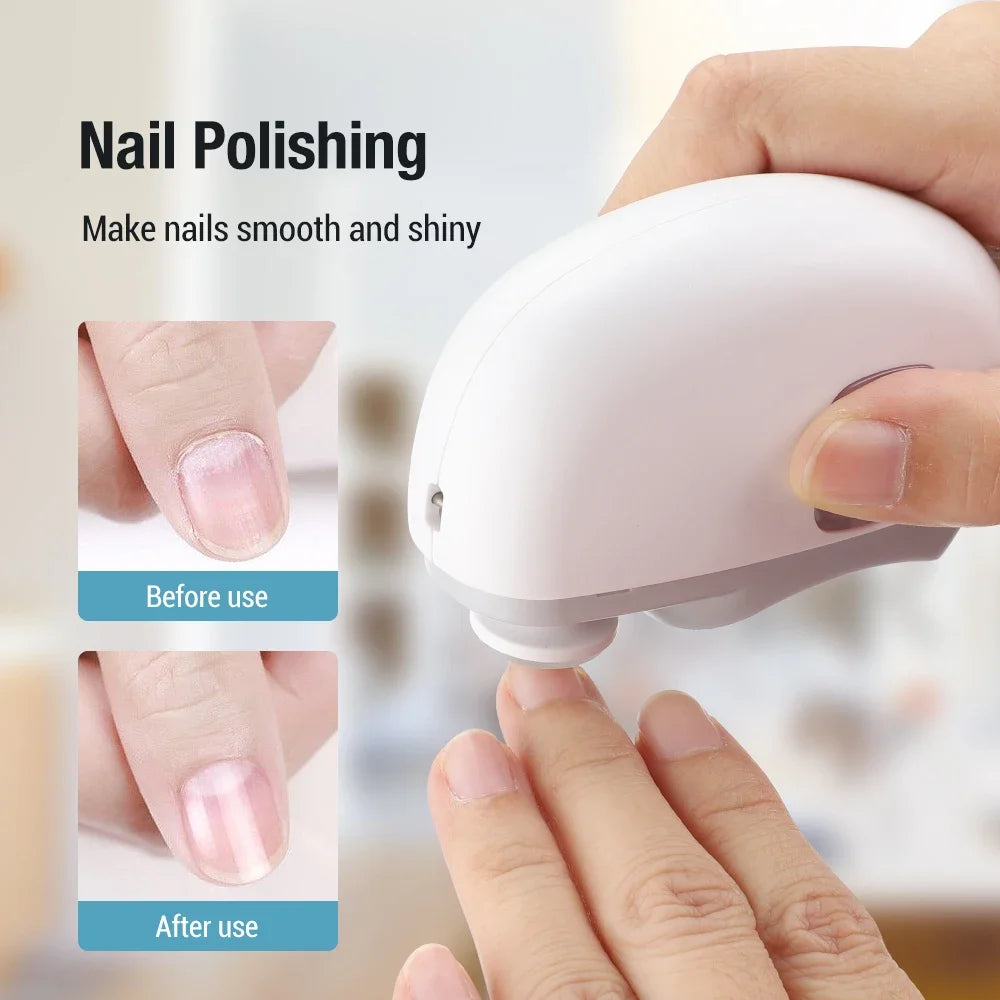
safe nail trimming tool - KentDO 💡 See it in action — calm, confident trimming for the whole family.
Mini FAQ (schema-ready)
How does a safe nail trimming tool prevent cutting the quick?
Most tools use a depth guard or adjustable stop that physically blocks the blade from cutting past a set point, while LED lighting and low-speed motors improve visibility and control to avoid accidental quick trims.
Is an electric nail trimmer noisy for pets and children?
Many modern electric trimmers prioritize low-noise motors and vibration damping. Models designed for families advertise quiet operation and often include multiple speed settings to reduce alarm for sensitive users.
How often should I replace the trimming head?
Replaceable heads typically last 6–12 months with regular use; replace sooner if you notice tugging, nicking, or reduced cutting performance. Follow your model’s maintenance guide.
Related collections: Baby Nail Care Tools | Body Care and Health Devices | Beauty & Self-Care Blog
Related Articles:
- Clipper Nail Cutter Technology Explained: Sharper, Cleaner, Faster Cuts
- Electric Buffer for Nails: Why Smoother, Shinier Results Take Less Effort
Pillar Articles:





