

Ergonomic pillow best: Key design features that enhance infant alignment
⏱ 8 min read
Does an ergonomic pillow best improve infant neck alignment?
Yes — an ergonomic pillow best can help support a baby's head and neck in a more neutral position during supervised rest by using gentle contours and breathable materials. A well-designed ergonomic baby pillow distributes pressure more evenly, promotes comfort, and may reduce neck tension when used according to the manufacturer's instructions. However, it should never replace evidence-based safe sleep practices for unsupervised sleep.
Choosing an ergonomic baby pillow involves more than finding a soft cushion. The shape, materials, breathability, and intended use all influence how well it supports infant alignment while maintaining comfort. Understanding these features can help parents make informed decisions and avoid products that prioritize marketing claims over practical design.
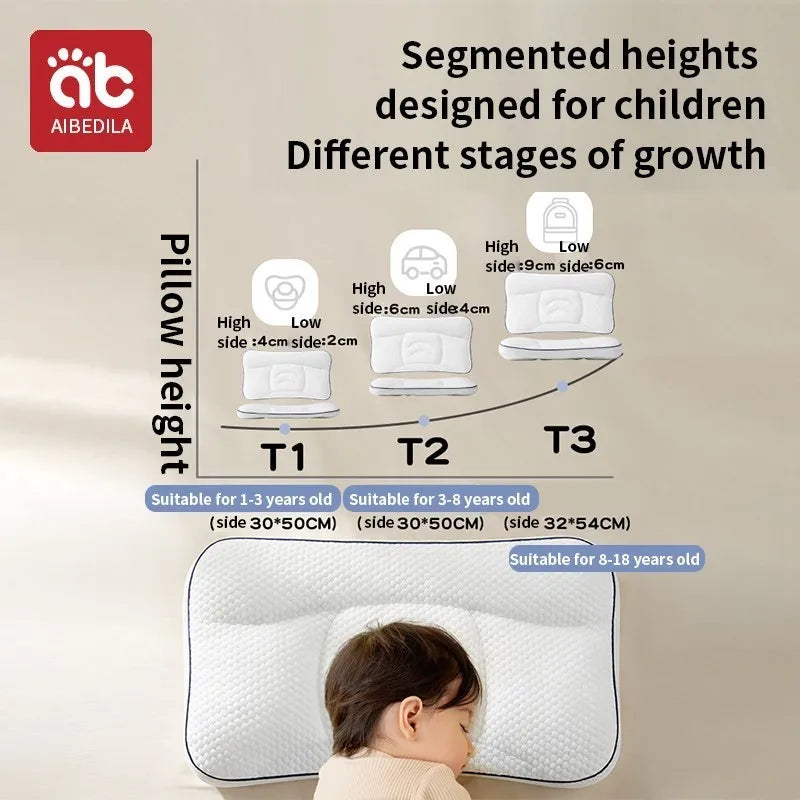
ergonomic pillow best, ergonomic sleep pillow — See it in action
Why choose an ergonomic pillow best for infant alignment?
An ergonomic baby pillow is designed to support the natural relationship between the head, neck, and upper spine while minimizing unnecessary pressure on developing muscles. Unlike standard cushions, ergonomic designs use carefully shaped contours to help keep the head centered during supervised use without forcing unnatural positioning.
Quick answer
An ergonomic pillow best combines gentle contouring, balanced support, and breathable materials to encourage a neutral head and neck position during supervised rest. The goal is improved comfort and even pressure distribution—not restricting movement or replacing safe sleep recommendations.
Parents often choose ergonomic pillows because they want:
- Balanced support that helps reduce pressure on one area of the head.
- Comfortable positioning during supervised naps, stroller use, or tummy-time breaks when appropriate.
- Breathable materials that help limit heat buildup.
- Easy-to-clean covers for everyday hygiene.
Material choices and breathability
Material selection plays a major role in comfort, durability, and airflow. A quality ergonomic pillow should provide gentle support while allowing heat and moisture to escape.
- Memory foam: Offers excellent contouring but should include ventilation channels or perforations to improve airflow.
- Natural latex: Provides resilient support with naturally better breathability than many traditional foams.
- Mesh or ventilated foam: Helps maximize airflow while maintaining consistent support.
- Cotton covers: Soft, breathable, and typically easier to remove and machine wash.
- Hypoallergenic fabrics: Useful for babies with sensitive skin or allergy concerns.
Regardless of the filling material, look for a pillow with a removable, washable cover and a supportive core that maintains its shape after repeated use. Breathability should never come at the expense of structural support or product quality.
How to position an infant with an ergonomic pillow
Correct positioning is just as important as choosing the right pillow. An ergonomic pillow should only be used according to the manufacturer's instructions and during appropriate, supervised situations. Always ensure your baby's face remains uncovered and breathing is unobstructed.
- Place the pillow on a stable surface. Position the pillow exactly as directed by the manufacturer so its contours support the head without forcing the neck into an unnatural angle.
- Center the baby's head. Gently place your baby's head within the pillow's contoured area while keeping the neck in a neutral position. The chin should never press toward the chest.
- Check airway alignment. Confirm that the nose and mouth remain completely clear and that nothing covers the face.
- Monitor continuously. Use the pillow only during supervised rest or other manufacturer-approved situations. If your baby appears uncomfortable, slumps forward, or begins rolling, discontinue use and reposition them on a firm, flat surface appropriate for safe sleep.
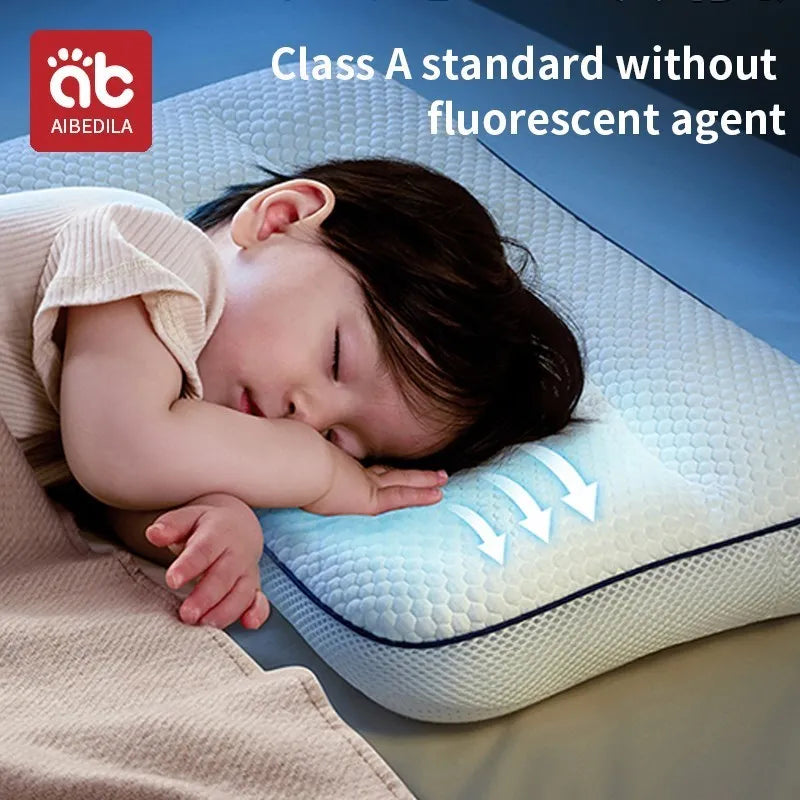
newborn neck support, infant neck tension — See it in action
Quick comparison: pillow styles
| Style | Best for | Advantages | Considerations |
|---|---|---|---|
| Shallow contoured foam | Infants needing gentle head support during supervised use | Even pressure distribution, stable shape, breathable versions available | Must be correctly sized and used only as intended |
| Adjustable shredded fill | Parents seeking customizable loft | Height can be adjusted, removable washable covers | Fill may shift over time without internal chambers |
| Thin support pad | Minimal contour preferences | Lightweight, portable, lower profile | Provides less targeted head and neck support |
Pros and limitations
- ✅ Helps distribute pressure more evenly during appropriate supervised use.
- ✅ Breathable materials may improve comfort by reducing heat buildup.
- ✅ Removable washable covers simplify everyday hygiene.
- ❌ Not intended for unsupervised crib or bassinet sleep.
- ❌ An incorrect size or poor positioning can reduce effectiveness.
- ❌ Should never replace current safe sleep recommendations.
Safety guidelines and when to avoid pillows
- Consult your pediatrician before using any positioning product if your baby has breathing difficulties, reflux, low muscle tone, or other medical conditions.
- Follow the latest safe sleep recommendations by keeping cribs and bassinets free from pillows, blankets, stuffed toys, and loose bedding during unsupervised sleep.
- Inspect the pillow regularly for worn seams, flattened filling, or damaged fabric that could affect performance.
- Stop using the pillow if your baby exceeds the manufacturer's recommended age, weight, or developmental stage.
- Always supervise your baby whenever an ergonomic pillow is being used.
Where to find complementary items: For breathable swaddles, sleep sacks, and related accessories, check Sleep & Comfort , and for monitoring or health items explore Monitoring Devices .
Which infant needs this pillow?
An ergonomic baby pillow may be helpful in specific situations when used exactly as intended by the manufacturer and alongside current safe sleep recommendations. Consider your baby's developmental stage, individual needs, and your pediatrician's advice before choosing a pillow.
- Babies with a preferred head position: A thoughtfully designed contour may provide more even support during appropriate supervised use while encouraging balanced positioning.
- Parents concerned about heat buildup: Choose breathable materials, ventilated cores, and moisture-wicking covers to improve comfort.
- Families seeking easy maintenance: Prioritize removable, machine-washable covers and durable construction for everyday use.
- Parents looking for adjustable support: Select a model available in the correct size for your baby's age and recommended use rather than relying on a one-size-fits-all design.
For convenience and complementary support products, browse Baby Care Essentials or soothing tools in Massage & Relaxation .
How to choose the right ergonomic pillow — quick checklist
- Choose a pillow designed specifically for your baby's recommended age and size.
- Look for supportive contouring that keeps the head comfortably centered without excessive elevation.
- Select breathable materials such as ventilated foam or moisture-wicking fabrics.
- Ensure the cover is removable and machine washable for easy hygiene.
- Review the manufacturer's safety instructions and intended use before every use.
- Replace the pillow if it becomes misshapen, damaged, or no longer provides consistent support.
Recommended ergonomic baby neck support features
When evaluating an ergonomic baby pillow, focus on practical design rather than marketing claims. The most effective models combine gentle contouring, breathable construction, and easy maintenance while supporting comfortable positioning during appropriate supervised use.
- Shallow ergonomic contour that supports natural head positioning.
- Breathable foam or ventilated core to improve airflow.
- Soft hypoallergenic cover that's removable and machine washable.
- Durable construction that maintains its shape after repeated use.
- Clear sizing and age recommendations from the manufacturer.
If you're looking for these features in one product, see the Baby Neck Pillow — Orthopedic Support for complete specifications and care instructions.
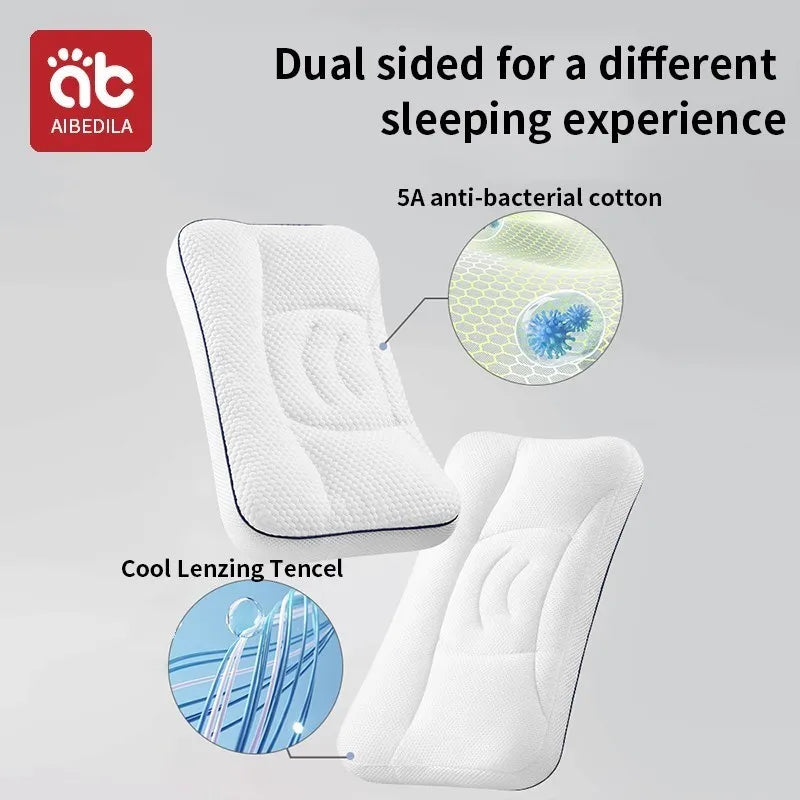
newborn neck support, ways to sleep for better posture — See it in action
Related resources: Baby Care Tips & Advice , Feeding & Nursing , Baby Growth & Learning .
Key features to look for before buying
Support and alignment
A quality baby pillow for proper alignment should provide gentle support that helps keep the head, neck, and upper spine in a neutral position during approved supervised use. The center should cradle the head without allowing the chin to tuck toward the chest or forcing the neck into extension.
Breathable materials
Choose breathable, hypoallergenic fabrics with ventilated foam or other airflow-promoting materials. Good ventilation helps reduce heat buildup, while removable moisture-wicking covers make everyday use more comfortable and hygienic.
Size and fit
A baby neck support pillow should match your baby's age and size recommendations from the manufacturer. An oversized pillow may reduce stability, while one that is too small may not provide consistent support. Always review the intended age range before purchasing.
Easy cleaning
Infant products require frequent cleaning. Look for removable, machine-washable covers and durable materials that retain their shape after repeated washing. Clear care instructions and replacement cover availability are additional advantages for long-term use.
Do babies need ergonomic pillows?
Most healthy babies do not require a pillow for routine sleep. Ergonomic baby pillows are generally intended for specific supervised situations rather than replacing a firm, flat sleep surface.
Is an ergonomic pillow safe for newborns?
For unsupervised sleep, pediatric safe sleep guidance recommends a flat mattress without pillows or loose bedding. If an ergonomic pillow is used, it should only be according to the manufacturer's instructions and any guidance from your child's healthcare provider.
Can an ergonomic baby pillow prevent flat head syndrome?
No pillow can guarantee prevention of positional plagiocephaly. Frequent repositioning, supervised tummy time, and following pediatric recommendations remain the primary strategies for reducing prolonged pressure on one area of the head.
Can babies sleep overnight on an ergonomic pillow?
In general, no. Babies should sleep overnight on a firm, flat mattress without pillows unless a healthcare professional provides individualized medical guidance.
At what age can a baby use an ergonomic pillow?
The appropriate age varies by product design and manufacturer recommendations. Always follow the stated age range and discontinue use once your baby reaches developmental milestones that make the product inappropriate, such as reliable rolling.
How do I clean an ergonomic baby pillow?
Wash the removable cover according to the care label. Spot-clean or hand-clean the inner core only if the manufacturer specifically allows it, and let all components dry completely before reuse.
What material is best for an infant ergonomic pillow?
Breathable, hypoallergenic materials with good airflow and supportive construction are generally preferred. Ventilated foam, mesh panels, and soft cotton covers are common options that balance comfort and breathability.
When should I stop using an ergonomic baby pillow?
Stop using the pillow once your baby can roll independently, exceeds the recommended age or weight limit, or your pediatrician recommends transitioning to a standard flat sleep environment.
Pillar Article: How to prevent infant flat head: Best-use cases for safer positioning
Other Related Articles:
Explore More:





