

Infant neck discomfort during sleep: When targeted supports make a difference
⏱ 7 min read
Does targeted neck support help infants sleep better?
Yes—infant neck discomfort during sleep can sometimes improve when the underlying cause is identified and gentle, safe positioning strategies are used. Babies who wake frequently, tilt their head to one side, or seem uncomfortable during sleep may simply have temporary muscle tightness from daily positioning, feeding, or carrying. While maintaining safe sleep practices is always the priority, reducing unnecessary strain during awake time and using age-appropriate, supervised comfort measures may help babies settle more comfortably.
- Encourages balanced head and neck positioning during daily care routines.
- Helps reduce uneven muscle use when babies consistently favor one side.
- Supports comfort after mild position-related stiffness from feeding or carrying.
- Works best alongside tummy time, repositioning, and guidance from your pediatrician when needed.
Infant neck discomfort during sleep can leave both babies and parents exhausted. A baby stiff neck at night may be caused by temporary muscle tension, sleeping position, or a preference for turning the head in one direction. Fortunately, many mild cases improve with simple home care, careful observation, and consistent daytime positioning. In this guide, you'll learn how to recognize common signs, practical ways to ease mild stiffness, and when professional medical evaluation is the safest next step.

infant neck discomfort during sleep • baby stiff neck at night • See it in action
Why babies get neck discomfort (and what it looks like)
Because newborn muscles, ligaments, and joints are still developing, mild neck discomfort is relatively common. Many babies temporarily favor one side after spending extended periods in the same position, during growth spurts, or after repeated feeding and carrying on one side. In most cases, these habits—not injury—are responsible for mild stiffness.
Watch for these common signs of infant neck discomfort during sleep:
- Frequent waking accompanied by fussiness when the head is moved.
- Consistently turning or tilting the head toward one preferred side.
- Difficulty comfortably rotating the head during sleep or feeding.
- Flattening on one side of the back of the head from prolonged positioning.
- Brief resistance to neck movement that improves once fully awake.
Although temporary stiffness is often harmless, persistent limitation of neck movement, increasing discomfort, fever, swelling, or feeding problems should always be discussed with your pediatrician.
Quick, at-home fixes that ease tension
If your baby appears comfortable otherwise and has no warning signs, these gentle strategies may help reduce mild position-related neck stiffness:
- Alternate feeding positions: Switch sides regularly during breastfeeding or bottle-feeding to encourage balanced muscle development.
- Increase supervised tummy time: Several short sessions throughout the day strengthen neck, shoulder, and upper back muscles while reducing prolonged pressure on one area.
- Vary carrying positions: Hold your baby facing different directions throughout the day so both sides of the neck are used naturally.
- Use gentle soothing touch: Light massage around the shoulders and upper back may help babies relax before sleep. Never force neck stretching or rotate the head beyond your baby's natural comfort.
- Maintain a firm sleep surface: Always place your baby on a firm, flat mattress following current safe sleep recommendations while continuing to monitor for improving head movement during daily routines.
How to use targeted neck support safely
If your pediatrician recommends supportive positioning for mild, position-related neck discomfort, always make safety your first priority. Newborns should continue to sleep on a firm, flat mattress with an unobstructed airway. Any positioning aid should never interfere with normal breathing or safe sleep practices.
- Always place your baby on their back for sleep unless your healthcare provider gives different medical instructions.
- Keep the sleep area free of loose blankets, bulky cushions, toys, and other soft objects.
- If using a specially designed newborn support, reserve it for supervised situations and discontinue use immediately if your baby appears uncomfortable or breathing changes.
- Check that your baby's chin remains away from the chest and the neck stays in a comfortable, neutral position.
Practical how-to (step-by-step)
- Prepare a firm, flat sleep surface before placing your baby down.
- Position your baby's head gently without forcing it toward either side.
- Watch closely during initial use to ensure comfortable breathing, normal skin color, and relaxed movement.
- Continue alternating feeding positions, carrying techniques, and supervised tummy time throughout the day to encourage balanced muscle development.
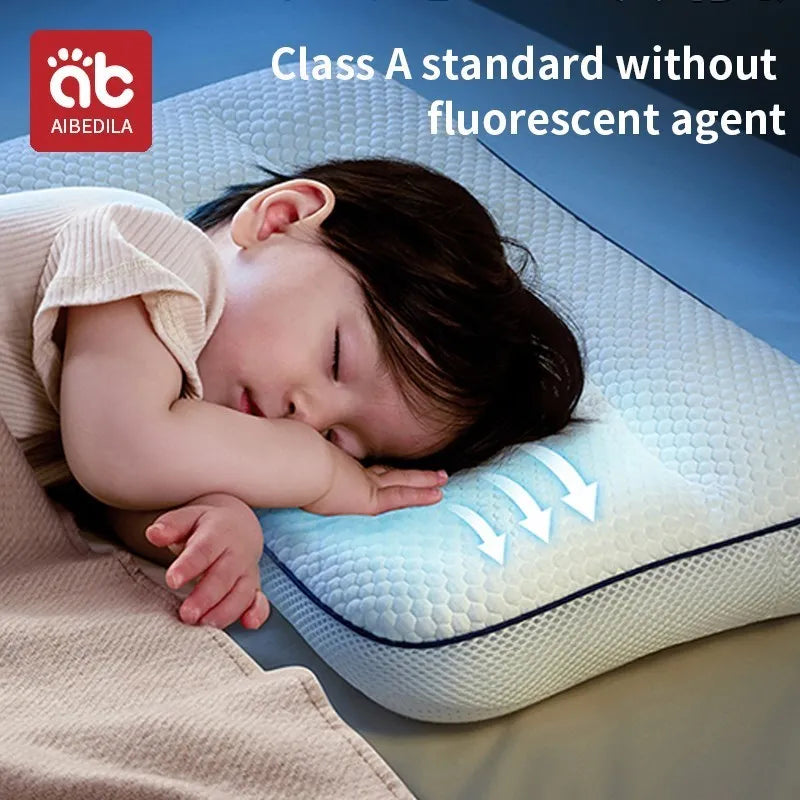
baby stiff neck at night • support newborn neck • See it in action
When to contact your pediatrician or a specialist
Most cases of mild infant neck discomfort during sleep improve with time, repositioning, and regular tummy time. However, some symptoms require prompt medical evaluation to rule out conditions such as congenital muscular torticollis, infection, injury, or other underlying problems.
Schedule an appointment with your pediatrician if your baby:
- Continues to have difficulty turning the head after several days of gentle repositioning.
- Always tilts the head to one side or consistently looks in one direction.
- Develops increasing flattening of one side of the head.
- Has feeding difficulties related to limited neck movement.
- Cries consistently when the neck is moved or touched.
- Has swelling, a noticeable lump, or persistent muscle tightness in the neck.
Seek urgent medical care immediately if your baby develops fever, severe lethargy, difficulty breathing, repeated vomiting, weakness, unusual sleepiness, or neck stiffness accompanied by signs of serious illness.
Early evaluation allows your pediatrician to determine whether simple home care is appropriate or whether referral to a pediatric physical therapist is recommended. Early treatment for conditions such as torticollis is often highly effective and may help prevent longer-term movement limitations.

support newborn neck • uncomfortable neck when sleeping • See it in action
If your pediatrician recommends supervised supportive positioning as part of your baby's care plan, you can explore our baby neck pillow (orthopedic support) . Continue following your healthcare provider's advice and current safe sleep recommendations.
For additional products that support comfortable daily routines, browse our Sleep & Comfort and Baby Care Essentials collections.
Mini FAQ
- 1. Can a neck support pillow harm my baby?
- Any sleep product should be used only according to its intended instructions and your pediatrician's guidance. Maintain a clear airway, avoid bulky pillows or soft bedding, and always prioritize established safe sleep recommendations.
- 2. How long before I see improvement in neck stiffness?
- Temporary position-related stiffness often improves within several days to a few weeks when combined with repositioning, tummy time, and balanced carrying. If symptoms worsen or fail to improve, schedule a pediatric evaluation.
- 3. Should I try tummy time instead?
- Yes. Supervised tummy time is one of the most effective ways to strengthen neck and shoulder muscles, improve head control, and reduce position-related stiffness during everyday development.
FAQ (quick)
Q:
Is it normal for a baby to have a stiff neck at night?
A:
Mild neck stiffness caused by temporary muscle tightness or spending time in one position can occur in infants. If your baby consistently favors one side, has difficulty turning the head, or symptoms continue for more than a few days, contact your pediatrician.
Q:
Why does my baby wake up with a stiff neck?
A:
A baby may wake with temporary neck discomfort after prolonged positioning, muscle tightness, or developing a preference for looking to one side. Persistent symptoms should be evaluated to rule out torticollis or other medical conditions.
Q:
How can I help my baby with a stiff neck while sleeping?
A:
Continue following safe sleep guidelines, vary feeding and carrying positions during the day, encourage supervised tummy time, and seek medical advice if neck movement remains limited or painful.
Q:
Can sleeping position cause neck pain in babies?
A:
Yes. Spending long periods with the head turned in one direction may contribute to temporary muscle tightness and positional preference. Regular repositioning during awake time helps promote balanced muscle development.
Q:
How do I know if my baby has torticollis?
A:
Common signs include persistent head tilt, difficulty turning the head equally in both directions, and a strong preference for looking to one side. Your pediatrician can confirm the diagnosis and recommend appropriate treatment.
Q:
Should I massage my baby's stiff neck?
A:
Gentle soothing touch around the shoulders may help your baby relax, but never force neck stretches or manipulate the neck. If movement causes pain or resistance, seek professional medical guidance.
Q:
Can I use a pillow for newborn neck support?
A:
Always follow current safe sleep recommendations. If your healthcare provider recommends a support product for supervised use, use only products designed specifically for infants, such as the
baby neck pillow (orthopedic support)
, and carefully follow all manufacturer instructions.
Q:
When should I take my baby to the doctor for a stiff neck?
A:
Seek medical care if your baby has persistent neck stiffness, worsening head tilt, feeding difficulties, swelling, fever, unusual sleepiness, severe pain, or trouble moving the neck.
Pillar Article: How to prevent infant flat head: Best-use cases for safer positioning
Other Related Articles:
Explore More:





