

Does repositioning therapy prevent flat head syndrome in newborns?
Answer: Yes, repositioning therapy can help prevent and improve mild cases of positional plagiocephaly when started early. Repositioning techniques for flat head in newborns work by reducing repeated pressure on one area of the skull, encouraging balanced head movement, and supporting natural skull growth. The most effective approach combines safe sleep practices, supervised tummy time, and daily position changes rather than relying on a single solution.
⏱ 12 min read
How to prevent infant flat head: Best-use cases for safer positioning
Worried because your newborn’s head looks slightly flatter on one side or your baby keeps turning their head in only one direction? You are not alone. Many parents notice early signs of an uneven head shape during the first months after birth and look for safe ways to support healthy development. This guide explains how to prevent infant flat head with practical repositioning habits, tummy time routines, and newborn positioning strategies that encourage stronger neck muscles and more balanced head movement.
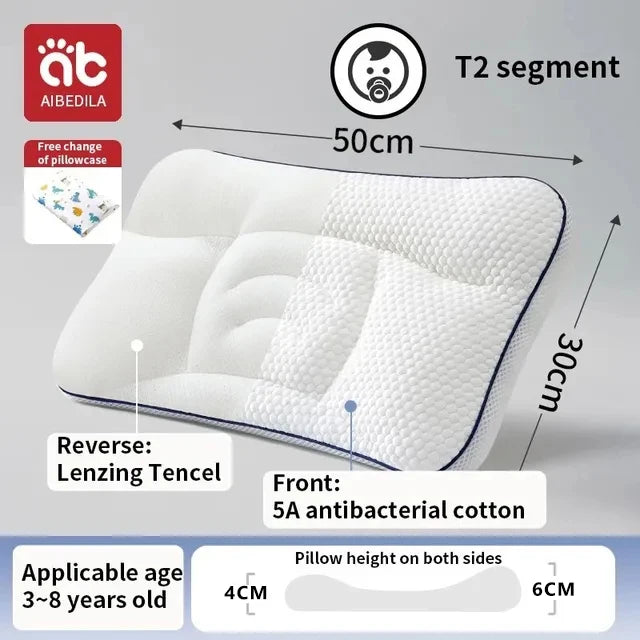
how to prevent infant flat head • infant head tilted to one side • See it in action
Why flat head develops and common signs
Newborn skull bones are soft and flexible, allowing rapid brain growth during early development. This flexibility also means repeated pressure on the same area can gradually change the shape of the skull. Most cases of infant flat head are related to positioning and are known as positional plagiocephaly or positional brachycephaly.
- Positional plagiocephaly: Flattening that usually occurs on one side of the head. Parents may notice one ear appearing slightly farther forward or mild facial asymmetry on the same side.
- Brachycephaly: Flattening across the back of the head that can make the head appear wider from above.
Common signs that parents may notice include an infant head tilted to one side, a preference for looking in only one direction, difficulty turning the head equally left and right, or a visible flat area on the skull. Early identification matters because infant uneven head shape correction is usually easier when healthy movement habits begin early.
Common causes and risk factors
- Spending long periods with pressure on the same part of the skull.
- Limited tummy time because a baby dislikes the position.
- Neck tightness that makes turning toward one side easier than the other.
- Extended time in swings, loungers, or other baby containers when awake.
- Premature birth, which may involve softer skull bones for a longer period.
Positional plagiocephaly vs. craniosynostosis
While most flat spots are positional, parents should understand the difference between common flattening and less common medical conditions.
Positional plagiocephaly develops from external pressure and often improves with repositioning, tummy time, and increased movement. Craniosynostosis occurs when skull bones fuse earlier than expected and requires medical assessment.
Contact your pediatrician if your baby has unusual skull ridges, significant head shape changes that worsen quickly, poor head growth, or concerns that the shape does not improve with regular positioning efforts.
Does repositioning therapy prevent flat head syndrome in newborns?
Repositioning therapy is one of the most commonly recommended conservative approaches for mild positional flat head concerns. The goal is not to force the skull into a different shape, but to reduce repeated pressure points so the growing skull can naturally remodel over time.
Repositioning techniques for flat head in newborns include changing head direction during supervised awake periods, encouraging movement toward both sides, adjusting feeding positions, and creating more opportunities for upright holding and active play.
For many babies, early prevention strategies work best during the first weeks and months after birth because the skull is still growing quickly and babies are developing important neck control skills. Consistency is more important than making large changes all at once.
Daily routines that prevent flat spots
A simple daily routine can support healthier head positioning without making baby care complicated. The goal is to create more variety throughout the day while keeping all sleep practices safe.
- Change head orientation: When placing your baby down for sleep, continue following safe sleep recommendations while encouraging your baby to naturally look in different directions.
- Practice supervised tummy time: Add short tummy time sessions several times throughout the day and gradually increase duration as your baby becomes stronger.
- Alternate feeding sides: Switching breastfeeding or bottle-feeding positions encourages balanced neck movement.
- Add upright time: Hold your baby upright after feeds and during awake periods to reduce constant pressure on the back of the skull.
These infant flat head prevention methods work together by reducing pressure, strengthening neck muscles, and encouraging babies to explore movement naturally.
Tummy time for flat head prevention
Tummy time for flat head prevention is one of the most important daily activities because it helps strengthen the neck, shoulders, and upper body while reducing time spent with pressure on the back of the head.
How to make tummy time easier
- Start with short sessions when your baby is awake and alert.
- Place your baby on your chest if floor tummy time feels challenging.
- Use toys, sounds, or your face to encourage head turning in both directions.
- Increase time gradually instead of pushing through frustration.
If your baby strongly resists tummy time or consistently avoids turning one way, discuss this with your pediatrician because limited neck movement can sometimes contribute to an infant head tilted to one side.
Safe sleep tips that still support posture
Safe repositioning for babies always begins with safe sleep. Babies should sleep on their backs on a firm, flat surface with no pillows, loose blankets, or positioning devices in the crib.
- Rotate which end of the crib your baby faces so they may naturally turn toward different sounds, lights, or caregiver activity.
- Use supervised awake time for movement practice instead of changing safe sleep positions.
- Avoid products designed to hold a baby in a specific sleep position unless specifically recommended by a healthcare professional.
Safe sleep and healthy head positioning can work together. The focus should be on increasing movement opportunities during awake periods while maintaining recommended sleep safety practices.
Safe sleep guidance while repositioning
Safe repositioning for babies should always work alongside recommended sleep practices. Never place pillows, loose bedding, positioners, or soft supports under a sleeping baby to try to improve head shape. Babies should continue sleeping on their backs on a firm, flat sleep surface.
AAP safe sleep recommendations
Back sleeping remains the safest position for every nap and nighttime sleep. Parents can support healthy head movement without changing sleep position by creating more opportunities for balanced turning during awake periods.
- Rotate which end of the crib your baby’s head is placed toward so they naturally look toward different areas of the room.
- Place interesting sounds, toys, or caregiver interaction on different sides during supervised awake time to encourage comfortable head movement.
- Use feeding, holding, and play routines to reduce long periods of pressure on the same part of the skull.
What never to place in the crib
- Baby pillows or head-shaping cushions for unsupervised sleep.
- Loose blankets, stuffed toys, or soft bedding.
- Sleep positioners designed to keep a baby on their side or in a specific posture.
Products such as an ergonomic newborn neck support should only be used during awake, supervised activities. They are not a replacement for safe sleep practices and should never be used to hold a baby in a fixed sleep position.
Monitoring improvement and expected timelines
Tracking changes over time helps parents understand whether repositioning routines are supporting infant uneven head shape correction. Because every baby develops at a different pace, progress should be measured gradually rather than day by day.
How to track head shape
- Take photos of your baby’s head shape from the back, side, and top views every few weeks.
- Notice whether your baby turns their head equally toward both directions during play.
- Record tummy time duration, preferred head positions, and any changes in neck movement.
When improvement should occur
Mild positional flattening often improves as babies gain stronger neck muscles, spend more time moving independently, and experience less constant pressure on one area of the skull. Newborn head shaping techniques are most effective when they become consistent daily habits.
If progress slows or your baby continues favoring one side, it may indicate a need for additional guidance from a pediatrician or physical therapist, especially if neck mobility appears limited.
Common repositioning mistakes to avoid
Many parents want to help quickly, but some common approaches can reduce effectiveness or create safety concerns. Safe repositioning for babies focuses on gentle daily changes rather than forcing positions.
- Changing safe sleep habits: Do not place babies on their side or stomach during unsupervised sleep to correct a flat spot.
- Using inconsistent routines: Repositioning works best when small changes are repeated throughout every day.
- Ignoring neck tightness: An infant head tilted to one side may be linked to torticollis and should be evaluated if persistent.
- Overusing baby containers: Reduce unnecessary time in swings, loungers, and seats that keep the head in one position for extended periods.
Using supervised newborn neck support correctly
Some families choose a gentle support product as part of awake positioning routines. The purpose is to provide comfort during supervised activities while encouraging balanced posture, not to replace movement, tummy time, or professional guidance.
For parents using the baby-neck-pillow-orthopedic-support , follow these safety-focused steps:
- Use only during awake, supervised play or holding sessions.
- Begin with short sessions and increase gradually based on your baby’s comfort.
- Combine support use with interaction, such as talking, singing, and encouraging gentle head movement.
- Continue daily tummy time and repositioning habits rather than relying on support alone.
How to prevent infant flat head — step-by-step plan
Below is an ordered routine parents can follow to support healthy head positioning, encourage neck movement, and reduce prolonged pressure on one area of the skull. These infant flat head prevention methods work best when they become part of everyday care rather than a single activity.
- Week 1: Build awareness of positioning habits. Begin short supervised tummy time sessions several times each day and gently vary which direction your baby turns their head during awake periods. During sleep, always place your baby on their back while keeping the crib free of pillows or positioners.
- Week 2: Increase movement opportunities. Gradually extend tummy time as your baby becomes more comfortable. Add more upright holding, babywearing while awake and supervised, and interactive play that encourages your infant to look left and right.
- Week 3–4: Strengthen balanced movement. Continue alternating feeding positions, carrying sides, and play locations. If your pediatrician recommends it, supervised use of a gentle newborn neck support during awake activities may help make positioning practice more comfortable.
- After the first month: Track changes. Take occasional photos from the top and side views under similar lighting conditions. If head shape does not improve, asymmetry increases, or your baby consistently favors one direction, discuss next steps with a pediatrician or physical therapist.
When to see a pediatrician or physical therapist
Most mild cases of positional plagiocephaly improve with early repositioning techniques for flat head in newborns, tummy time, and daily movement changes. However, professional guidance is important when head shape differences or neck movement limitations continue.
Seek an evaluation if you notice:
- Persistent infant head tilted to one side: A consistent preference for looking in one direction may indicate torticollis, where neck muscles are tighter on one side.
- Limited neck mobility: Your baby struggles to turn their head both ways during feeding, play, or tummy time.
- Worsening infant uneven head shape: Flattening becomes more noticeable despite several weeks of consistent repositioning.
- Possible craniosynostosis signs: An unusual skull shape, raised ridges along skull sutures, or head growth concerns require medical assessment because this condition differs from positional flattening.
Signs of torticollis that may need attention
Torticollis can contribute to flat spots because a baby may spend more time resting on one side. Early physical therapy and guided stretching can improve neck range of motion and help babies develop more balanced head movement. Parents should avoid forcing a baby's head into a position that causes discomfort and instead seek professional advice for safe exercises.
When helmet therapy is considered
Helmet therapy is not the first step for most infants with mild flattening. A pediatric specialist may recommend cranial orthotic treatment when moderate to severe asymmetry remains despite repositioning, especially during periods when the skull is still growing rapidly. Evaluation timing depends on your baby's age, head shape severity, and response to conservative care.
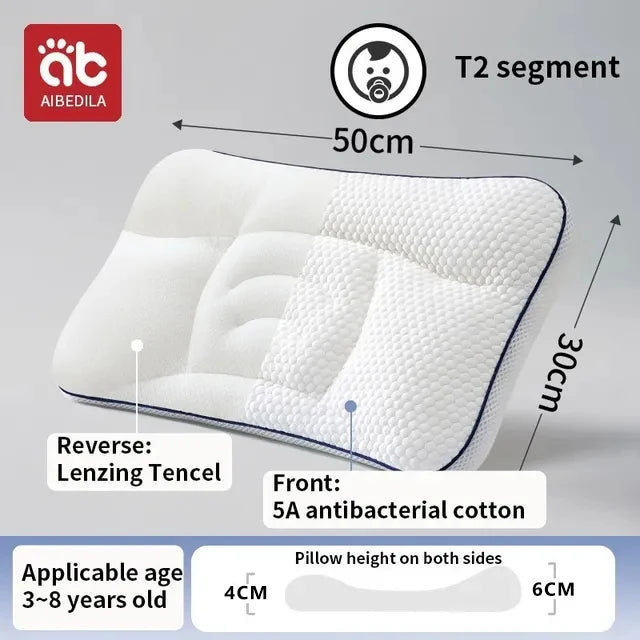
how to prevent infant flat head • infant uneven head shape • See it in action
Evidence-based recommendations from pediatric experts
Clinical guidance supports starting with conservative approaches when addressing positional flattening. Parents looking for ways to prevent flat head syndrome with repositioning therapy should focus on reducing prolonged pressure in one area of the skull while encouraging balanced neck movement and development.
Research and pediatric recommendations consistently highlight several important practices:
- Supervised tummy time: Regular tummy time while awake helps strengthen neck, shoulder, and upper-body muscles, allowing babies to develop better head control and spend less time with pressure on the back of the skull.
- Repositioning routines: Changing head orientation during awake periods, alternating feeding sides, and encouraging babies to look in both directions can support natural skull remodeling in mild positional plagiocephaly.
- Early identification of neck restrictions: Babies with torticollis may benefit from evaluation and targeted physical therapy to improve range of motion and reduce repeated pressure on one side.
- Safe sleep practices: Experts recommend always placing babies on their backs for sleep while using awake-time positioning strategies to support healthy posture.
Expected outcomes vary depending on age, severity, and consistency of care. Many mild cases improve as babies gain stronger neck control and become more mobile. More significant asymmetry may require additional evaluation from a pediatrician or specialist.
Frequently asked questions
-
How early should repositioning techniques for flat head in newborns begin?
Repositioning can begin from the earliest weeks after birth. Small daily adjustments, supervised tummy time, and varied holding positions help reduce repeated pressure before flat spots become more noticeable.
-
Can you prevent flat head syndrome with repositioning therapy alone?
Repositioning is often effective for mild positional flattening, but results depend on the cause and severity. Some babies may need physical therapy, especially when tight neck muscles limit movement.
-
How much tummy time does a newborn need each day?
Start with short supervised sessions that your baby tolerates and gradually increase the total daily time. Frequent shorter sessions are often easier for newborns than one long session.
-
Can babies sleep on their side to correct a flat head?
No. Side sleeping is not recommended as a flat head correction method unless specifically instructed by a healthcare professional. Babies should sleep on their backs on a firm, flat sleep surface.
-
How long does it take for repositioning to improve head shape?
Improvement timelines vary. Some parents notice changes after several weeks of consistent routines, while others may need longer monitoring depending on head shape and development.
-
What if my baby's head is tilted to one side?
A persistent tilt may be related to torticollis or limited neck movement. Discuss this with a pediatrician, who may recommend evaluation or exercises to improve mobility.
-
When is helmet therapy recommended instead of repositioning?
Helmet therapy is generally considered for moderate to severe asymmetry that does not improve enough with conservative methods. A specialist should evaluate whether it is appropriate.
-
How can I tell the difference between positional plagiocephaly and craniosynostosis?
Positional plagiocephaly usually develops from repeated pressure and often changes with repositioning. Craniosynostosis involves early fusion of skull sutures and requires medical assessment for diagnosis.
Use during supervised play only. If you have concerns, consult your pediatrician.
Key takeaways and daily caregiver checklist
Learning how to prevent infant flat head starts with consistent daily habits rather than relying on one solution. A simple routine can help support healthy head shape, stronger neck muscles, and balanced movement as your baby grows.
- Daily positioning: Encourage your baby to turn their head in both directions during awake play, feeding, and interaction.
- Safe sleep reminder: Always follow back-sleeping guidance and keep the sleep area free from pillows, loose blankets, and positioning devices.
- Tummy time progress: Add supervised tummy time throughout the day and increase duration gradually as your baby becomes stronger.
- Monitor changes: Take occasional photos, observe head movement, and note whether your baby prefers one side consistently.
- Follow up when needed: Contact a pediatrician if flattening worsens, your baby has limited neck movement, or progress stops despite regular repositioning.
For additional guidance, explore related resources on Health & Safety , including safe baby sleep guidance, tummy time by age, newborn safe sleep checklist information, and signs of torticollis that may help parents recognize when professional support is needed.
Product reference used in this article: baby-neck-pillow-orthopedic-support . Always follow safe sleep guidance and consult a healthcare professional when unsure.
Related Articles:
- Infant neck discomfort during sleep: When targeted supports make a difference
- Ergonomic pillow best: Key design features that enhance infant alignment
Pillar Articles:





