

Does learning how to feed baby traveling really make mealtime stress-free?
Yes — learning how to feed baby traveling can make outings much easier when parents combine a predictable feeding routine, portable supplies, and safe travel gear for infants. A simple plan for meals, cleanup, and seating helps reduce spills, delays, and stress while keeping your baby comfortable during trips.
How to Feed Baby Traveling: Step-by-Step Tips for Easy Meals
Travel mealtimes do not need to feel overwhelming. Many parents worry about where their baby will eat, how to keep food safe, and what supplies are necessary when away from home. This guide shares practical tips for feeding baby while traveling, including preparation steps, packing advice, and routines that work for road trips, flights, restaurants, and everyday adventures.
⏱ 12 min read
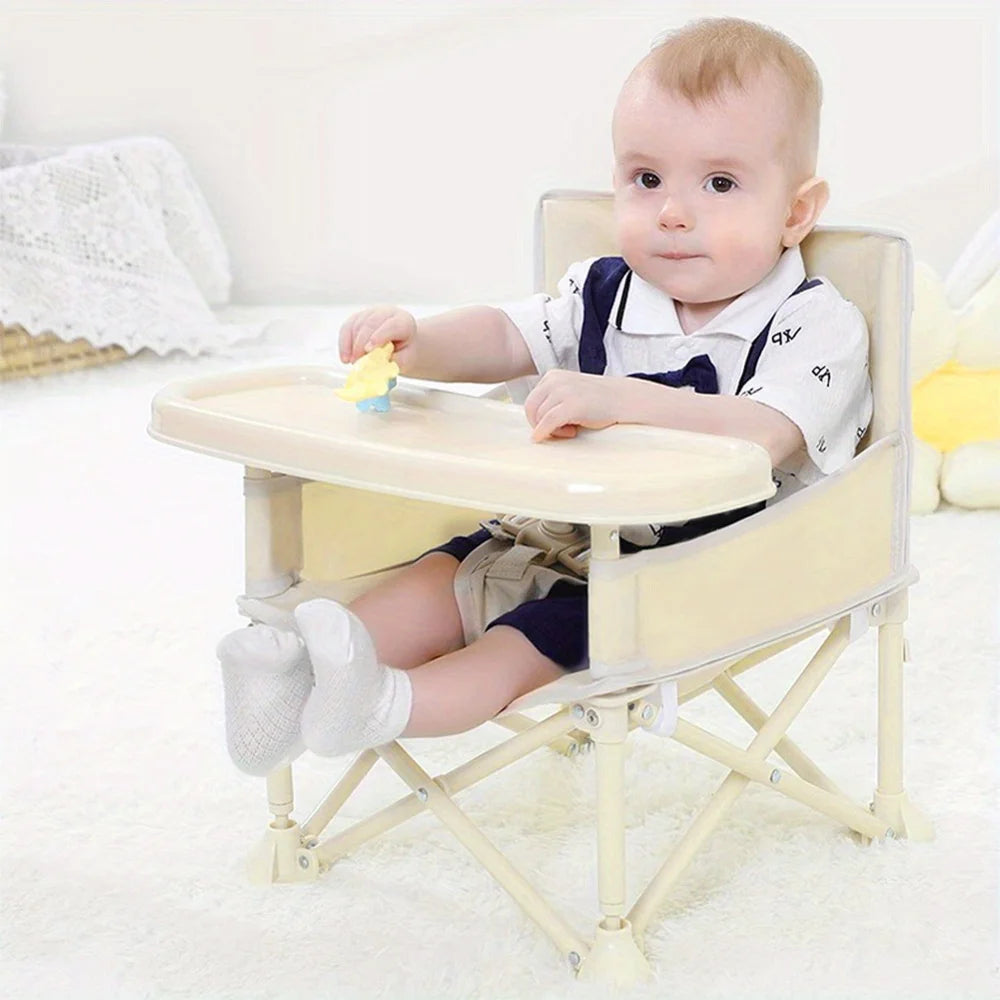
how to feed baby traveling + travel gear for infants — See it in action
How to feed baby while traveling: the safest step-by-step approach
Direct answer: The best way to feed baby while traveling is to prepare before leaving, bring only essential portable supplies, maintain familiar feeding habits, and create a clean feeding space wherever you stop. A simple workflow helps parents spend less time managing problems and more time enjoying the trip.
Plan feeds before departure
Before traveling, think about your baby's normal feeding pattern and adjust your schedule around realistic travel stops. Planning ahead helps prevent rushed meals, skipped feeds, and unnecessary stress.
- Check how long you will be away and estimate how many feeds your baby may need.
- Plan feeding breaks around naps, rest stops, and transportation schedules.
- Prepare familiar foods and feeding tools so your baby has a comfortable routine.
- Keep emergency supplies available for unexpected delays.
Pack feeding essentials
Portable baby feeding tips often come down to organization. Instead of packing everything you own, create a dedicated feeding pouch with items you use at every meal.
- Keep bottles, spoons, bowls, bibs, and wipes together for quick access.
- Pack extra clothing and cleaning supplies because spills are common during travel.
- Use compact feeding tools that are easy to carry and wash.
- Bring backup snacks or feeding options for longer journeys.
Follow safe feeding routines during travel
Consistency helps babies feel comfortable in unfamiliar places. Try to recreate your normal mealtime routine by keeping the same feeding pace, using familiar utensils, and choosing safe locations for meals.
- Always stop vehicles before feeding your baby.
- Use a stable feeding seat or safe surface rather than feeding in unsafe positions.
- Clean hands, bottles, and utensils before preparing food.
- Allow enough time for calm feeding instead of rushing between activities.
Smart packing list: what to bring
When feeding baby on the go, the right packing system makes every trip smoother. Organize supplies based on feeding method, trip length, and your baby's age. A small travel feeding bag can save time because everything needed for meals stays in one place.
Feeding essentials
- Bottles or cups: Bring enough bottles, sippy cups, or training cups for the planned travel period.
- Soft feeding tools: Pack silicone spoons, suction bowls, and baby-safe utensils that are lightweight and easy to clean.
- Bibs and wipes: Carry extra bibs, travel wipes, and a small towel for quick cleanup after messy meals.
- Portable seating: A portable travel booster seat or foldable booster seat for travel can create a safer and more familiar feeding space when eating away from home.
Food storage items
- Insulated bottle bag: Helps maintain appropriate temperatures for milk or prepared feeds.
- Food containers: Use leak-resistant containers for snacks, purees, and prepared solids.
- Cooler with ice packs: Useful for longer trips when transporting breast milk or temperature-sensitive foods.
- Snack containers: Small reusable containers keep finger foods organized and prevent crushing.
Cleaning supplies
- Travel bottle brush: Makes cleaning bottles easier when away from home.
- Sanitizing wipes: Useful for cleaning tables, high chairs, and feeding surfaces.
- Disposable bags: Store dirty utensils, wet bibs, or used items until they can be washed.
- Portable sanitizer: Helps maintain hygiene during travel when soap and water are unavailable.
Pro tip: Create a dedicated "travel mealtime" pouch with one complete feeding setup per outing. This makes spontaneous trips easier because you can grab the bag and leave without repacking everything.
Breastfeeding, formula, and solid food travel tips
Feeding baby when traveling depends on your baby's feeding stage. Whether breastfeeding, using formula, or offering solids, the goal is to maintain safety while keeping meals familiar and manageable.
Breastfeeding away from home
Breastfeeding while traveling can be flexible because it requires fewer supplies. Many parents prepare by choosing comfortable feeding locations and carrying essentials that make nursing easier.
- Bring a nursing cover or lightweight blanket if you prefer additional privacy.
- Stay hydrated and keep snacks available for yourself during longer outings.
- Plan comfortable stops during road trips or long activities.
Preparing formula safely
Formula feeding during travel requires extra attention to preparation and storage. Pack measured portions, clean bottles, and safe water options to simplify each feeding session.
- Prepare bottles according to manufacturer instructions.
- Carry pre-measured formula powder in clean containers.
- Use safe water sources and avoid unfamiliar water when traveling internationally.
Packing and serving solids
For babies starting solids, choose foods that travel well and are easy to serve. Familiar options can help babies adjust to eating in new environments.
- Pack soft finger foods, purees, or familiar snacks.
- Use sealed containers to prevent leaks and keep food fresh.
- Bring easy-clean utensils and a portable feeding surface.
How to Choose the Right Set: Features to Prioritize
The best baby tableware set combines safe materials, dependable suction, and practical features that support self-feeding from around 6 months through the toddler years. Rather than focusing on appearance alone, prioritize products that improve safety, simplify cleanup, and encourage independent eating.
Must-have features
- Food-grade silicone: Choose BPA-free, PVC-free, and phthalate-free silicone that feels durable yet flexible enough for everyday use.
- Reliable suction base: A strong suction cup helps keep plates securely attached to smooth highchair trays and tables, reducing accidental spills.
- Divided compartments: Separate sections make it easier to portion balanced meals while allowing babies to explore different textures and flavors individually.
- Easy cleaning: Dishwasher-safe tableware saves time and helps maintain good hygiene after every meal.
- Heat resistance: Microwave-safe and heat-resistant materials simplify serving warm foods while maintaining their shape.
- Long-term versatility: Multi-piece sets that include plates, bowls, cups, and utensils continue to meet your child's changing feeding needs.
Want to see coordinating feeding tools? Check Feeding Tools for utensils and suction bowls that complement many sets.
Comparison: Silicone vs. Other Materials
Different materials offer distinct advantages depending on your family's priorities. Comparing durability, maintenance, and safety can help you select the most practical option.
| Material | Grip & Durability | Cleaning | Eco / Safety |
|---|---|---|---|
| Food-grade silicone | Excellent suction, flexible, highly durable | Dishwasher-safe and generally stain-resistant | BPA-, PVC-, and phthalate-free; recyclable in some locations |
| Bamboo / wood composites | Good durability but limited natural grip | Usually hand-wash only | Renewable material; quality depends on adhesives and finishes |
| Hard plastic | Lightweight but may slide without suction | Often dishwasher-safe | Choose only high-quality BPA-free products |
| Stainless steel | Extremely durable but requires silicone bases for grip | Easy to sanitize | Long-lasting, recyclable, and resistant to stains |
Pros and Cons of Silicone Baby Tableware
- ✅ Advantages: Excellent suction, flexible construction, heat resistance, quiet on tabletops, gentle on developing gums, and easy daily cleaning.
- ❌ Considerations: Some highly pigmented foods may leave temporary stains, and lower-quality silicone products may lose suction or flexibility over time.
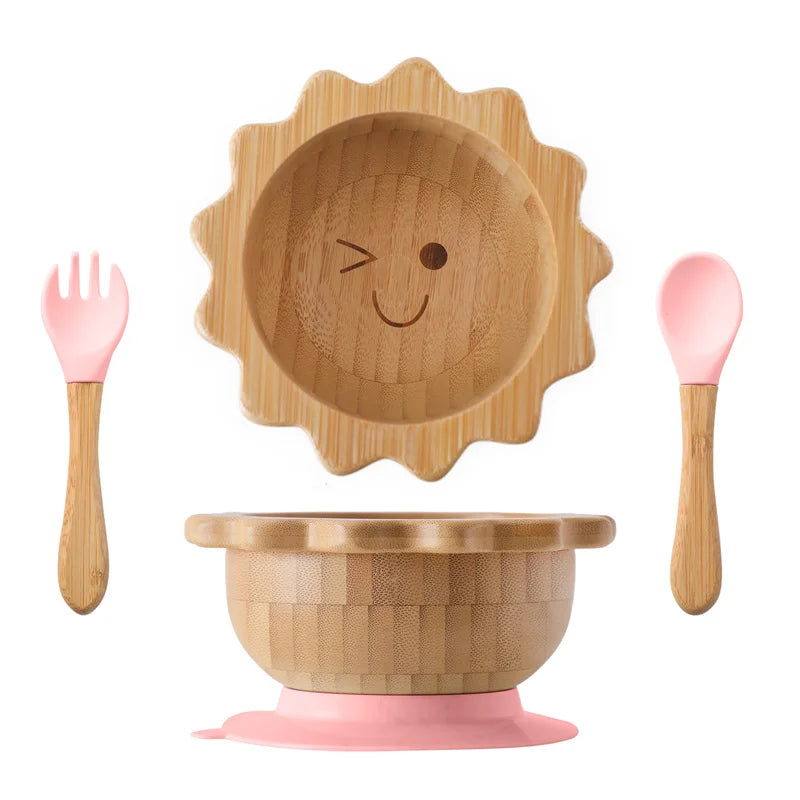
Eco-friendly baby dishes set paired with a silicone suction placemat for stable self-feeding.
Using Suction Tableware: Simple Steps to Success
- Clean and dry the highchair tray or table before placing the suction plate or silicone suction placemat.
- Press firmly in the center of the plate to remove trapped air and create the strongest possible seal.
- Offer small portions of soft finger foods that encourage grasping, scooping, and self-feeding practice.
- Demonstrate the scooping motion when needed, then allow your child to continue independently.
- Keep meals relaxed and positive, gradually reducing assistance as coordination improves.
Quick Tips to Reduce Frustration
- Serve manageable portions and refill as needed to avoid overwhelming young eaters.
- Use divided plates to separate foods with different textures and flavors.
- Keep a damp washcloth nearby for quick cleanup during meals.
- Rotate nutritious foods regularly to encourage curiosity and acceptance of new tastes.
- Always check that the suction base remains firmly attached before serving food.
Care, Safety & Cleaning — Keep the Set Working
- Wash baby tableware after every meal following the manufacturer's cleaning recommendations.
- Inspect suction cups and rims regularly to remove trapped food that may weaken suction performance.
- Avoid using abrasive scrubbers that can damage the surface of silicone products.
- Follow manufacturer guidelines for microwave, freezer, and dishwasher use.
- Replace tableware if suction performance declines significantly, deep cracks appear, or materials become damaged through extended use.
Product Comparison & Buying Guide
Choosing the right baby tableware depends on your child's age, feeding style, and where meals usually happen. The comparison below highlights common use cases to help you identify the features that provide the best long-term value.
| Best For | Recommended Features | Benefits |
|---|---|---|
| Travel | Compact suction plate with lightweight design | Easy to pack and works on most smooth surfaces. |
| Everyday family meals | Complete baby tableware set with plate, bowl, cup, and utensils | Supports daily self-feeding from infancy through toddlerhood. |
| Baby-led weaning (BLW) | Divided silicone plate with strong suction | Keeps foods separated while minimizing spills. |
| Eco-conscious families | Bamboo or wooden tableware paired with removable silicone suction bases | Balances sustainability with practical everyday use. |
| Mess-prone eaters | High-wall plate and reinforced suction base | Reduces plate movement and helps contain food. |
Quick Buying Recommendations
- Best overall: A complete silicone baby feeding set with divided plate, bowl, training utensils, and dependable suction.
- Best budget: A single high-quality suction plate that can be paired with existing baby utensils.
- Best for BLW: A divided silicone plate with deep sections that encourages independent food exploration.
- Best eco-friendly: Sustainably sourced wooden or bamboo tableware combined with food-grade silicone components.
- Best for long-term value: A multi-piece feeding set designed to grow with your child through multiple developmental stages.
If you're looking for a durable option that combines natural materials with everyday functionality, explore the /products/baby-wooden-tableware-set , which pairs well with silicone suction mats for improved stability.
Complementary Items to Complete the Mealtime Kit
- Feeding Tools — soft-tipped spoons, training forks, suction bowls, and ergonomic utensils that encourage self-feeding.
- Feeding & Nursing — practical resources for organizing meals at home and while traveling.
- Baby Growth & Learning — activities and developmental guidance that complement emerging fine motor skills.
When to Upgrade: Growth Stages and Signals
As children become more skilled eaters, their tableware needs evolve. Choosing age-appropriate feeding equipment helps maintain comfort, independence, and safety throughout each stage.
6–9 months
- Introduce suction plates or bowls with soft finger foods.
- Use easy-to-grip training utensils designed for beginner self-feeding.
- Prioritize lightweight, stable tableware.
9–12 months
- Offer divided plates with larger food portions.
- Introduce open cups or beginner straw cups as drinking skills improve.
- Choose tableware that withstands increasingly active mealtimes.
12–24 months
- Transition toward larger plates and bowls as portion sizes increase.
- Consider microwave-safe options for serving family meals.
- Upgrade if suction performance declines or your child consistently overcomes the existing suction base.
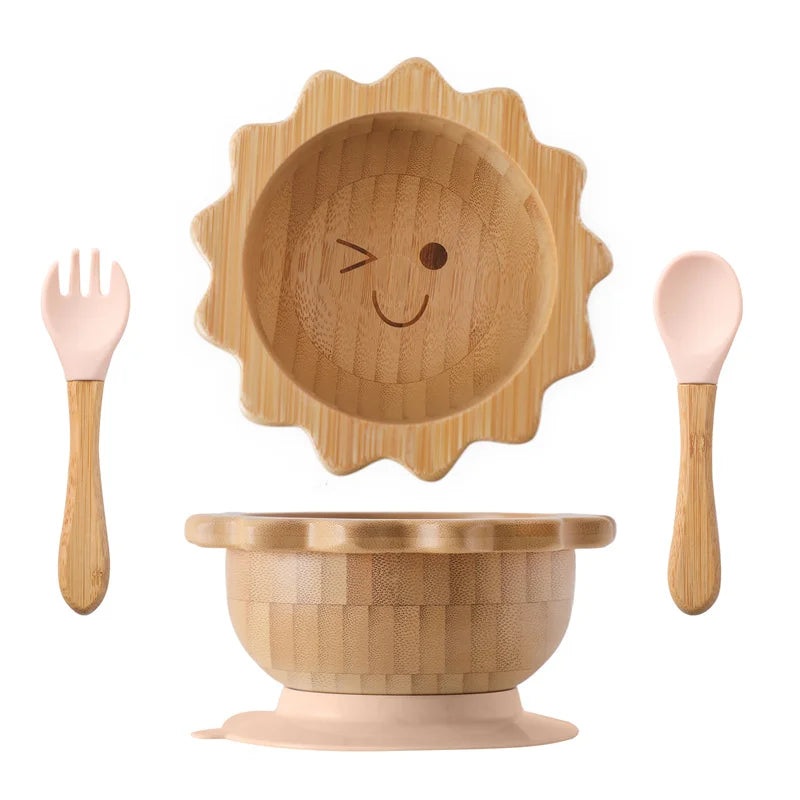
Baby tableware designed to support cleaner, more confident self-feeding throughout early childhood.
Frequently Asked Questions
-
What is the best baby tableware for self feeding?
The best baby tableware for self feeding includes food-grade materials, a reliable suction base, easy-to-grip utensils, and dishwasher-safe construction. A complete baby tableware set with a divided plate, bowl, cup, and training utensils offers the most versatility from around 6 months through the toddler years.
-
When should babies start using suction plates?
Most babies are ready for suction plates when they begin eating solid foods, typically around 6 months of age. Pair the plate with soft finger foods and always supervise meals while your child develops self-feeding skills.
-
Is silicone baby tableware safe for everyday use?
Yes. High-quality food-grade silicone that is free from BPA, PVC, and phthalates is widely used for baby feeding products because it is durable, flexible, and resistant to cracking. Always purchase from reputable manufacturers and follow the care instructions provided.
-
Silicone vs. bamboo baby tableware: which is better?
Silicone generally offers stronger grip, better suction compatibility, and easier cleaning, making it ideal for babies learning to self-feed. Bamboo provides a more natural appearance and can be an eco-friendly choice but often requires hand washing and typically relies on silicone suction bases for stability.
-
Are suction plates worth it for messy eaters?
For many families, yes. A well-designed suction plate reduces accidental sliding and plate tossing, giving babies more uninterrupted opportunities to practice feeding while reducing everyday cleanup.
-
Can baby silicone tableware go in the microwave and dishwasher?
Many food-grade silicone products are both microwave-safe and dishwasher-safe, but individual products vary. Always confirm the manufacturer's recommendations before heating food or placing tableware in the dishwasher.
-
What should a complete baby tableware set include?
A practical baby tableware set typically includes a suction plate or bowl, a training cup, child-sized spoon and fork, and, if needed, a silicone placemat or bib to help create a complete self-feeding setup.
-
How do I keep suction plates from sliding?
Place the plate on a clean, dry, smooth surface and press firmly to remove trapped air beneath the suction base. Avoid textured or uneven trays, as they can reduce suction performance.
Final Verdict
The right baby tableware for self feeding does more than reduce mess—it creates a stable environment where babies can practice important feeding skills with greater confidence. Prioritize food-grade materials, dependable suction, easy cleaning, and designs that continue to support your child's development as eating abilities grow.
Whether you choose an eco friendly baby dishes set, a silicone suction placemat, or a complete baby tableware set, investing in durable, thoughtfully designed feeding products can make daily meals more enjoyable while encouraging independence from the very beginning.
Related resources: explore Baby Care Essentials or find practical tips in Baby Care Tips & Advice .
Pillar Article: Not Found
Other Related Articles:
- Eco Friendly Baby Dishes Set Use Cases for Sensitive, Mess-Prone Eaters
- Silicone Suction Plate Set Advantages: Why Multi-Piece Sets Make Mealtime Easier
Explore More:





