

What Are the Benefits of Using Suction Plates for Babies and Toddlers?
⏱ 8 min read
What are the benefits of using suction plates for babies and toddlers?
Suction plates help reduce sliding and accidental tipping while encouraging babies and toddlers to practice self-feeding with greater confidence. A stable plate allows children to focus on reaching, grasping, scooping, and picking up food instead of chasing dishes around the tray. The overall benefits depend on the plate's suction design, the smoothness of the eating surface, and the child's developmental stage, but they can make everyday mealtimes easier without eliminating normal learning messes.
Learning to eat independently is an exciting milestone, but it often comes with spilled food, overturned plates, and frequent cleanup. Many parents wonder whether suction plates are worth adding to their feeding routine. This guide explains how silicone suction plates, bamboo melamine plates with stable bases, and vacuum suction plate designs work, when they are most useful, and how they can support safer, more confident self-feeding for babies and toddlers.
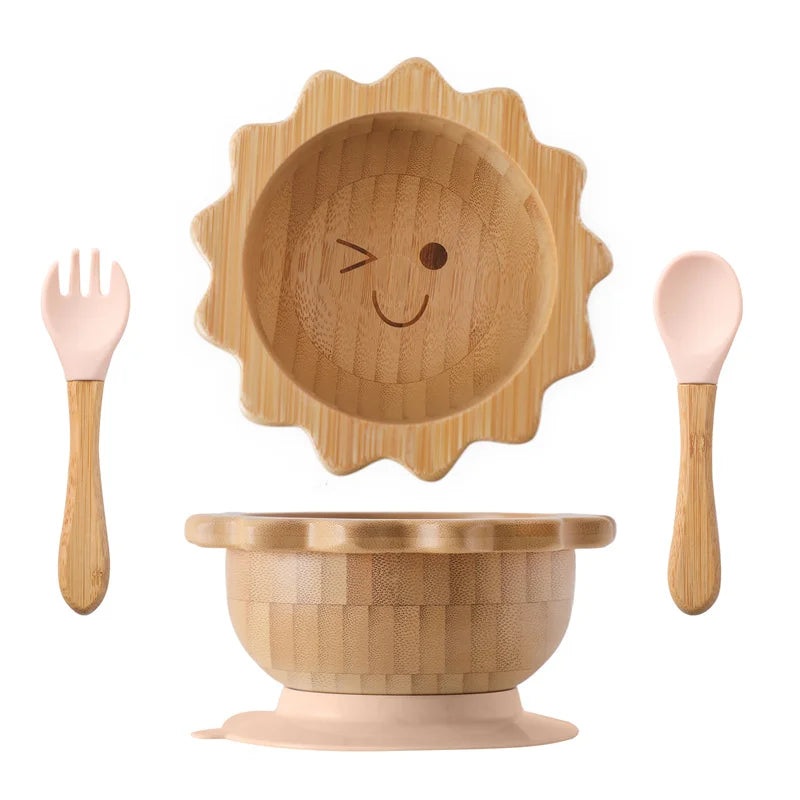
Silicone suction plates and bamboo-style feeding plates can help create a more stable eating experience during self-feeding.
Why mealtime mess happens during early self-feeding
As babies begin feeding themselves, they naturally explore food with their hands, test cause and effect, and develop fine motor skills. Reaching, grasping, pushing, and dropping objects are all normal parts of learning. Because coordination is still developing, ordinary plates often slide across the highchair tray or tip over before babies can successfully scoop food.
Whether your child is around 6 months and beginning solids or closer to toddler age, these challenges are common. A more stable plate cannot prevent every spill, but it can remove one source of frustration by keeping the dish in place while your child practices eating.
Common mealtime challenges
- Plates slide across smooth highchair trays during reaching and scooping.
- Bowls tip over when babies lean on the edge or grab the rim.
- Food scatters after accidental plate movement rather than intentional throwing.
- Frequent spills increase cleanup time and interrupt self-feeding practice.
- Some feeding plates provide little stability because they lack an effective suction base.
What are the benefits of using suction plates for babies and toddlers?
The benefits of suction plates for babies extend beyond reducing spills. By creating a more stable eating surface, they help children focus on developing feeding skills instead of constantly repositioning their dishes. While results vary depending on the surface and plate design, many families find suction plates especially helpful during baby-led weaning and the transition to independent eating.
- Reduce plate sliding, tipping, and spills: A secure suction base helps keep the plate in place on compatible smooth surfaces.
- Support self-feeding development: Babies can practice grasping finger foods and scooping with utensils without the plate moving away.
- Encourage independence: Stable dishes allow children to explore eating with less caregiver intervention.
- Simplify serving: Many suction plates include divided sections that separate foods and help with portion organization.
- Reduce everyday cleanup: Although spills still happen during normal development, fewer accidental plate movements often mean less food ends up on the floor.
What are suction plates and how does the suction base work?
A suction plate combines a feeding plate with a flexible suction base that presses against a smooth, flat surface. When air is pushed out beneath the base, a partial vacuum forms, helping the plate stay in place until an adult intentionally releases it.
How vacuum suction helps keep plates in place
Most silicone suction plates work best on clean, dry, non-porous surfaces such as plastic highchair trays, glass tables, or sealed countertops. Dust, food residue, textured finishes, or uneven surfaces can reduce suction performance.
Suction plates vs non-slip and standard plates
- Standard plates: Lightweight and easy to move but prone to sliding.
- Non-slip plates: Add friction underneath but do not create true suction.
- Suction plates: Use a suction base to improve stability when used on compatible surfaces.
- Silicone plates: Silicone alone does not guarantee suction—the base design determines how well the plate stays attached.
Suction plates vs standard, non-slip, and divided plates
| Feature | Silicone suction plates | Bamboo melamine plate | Standard or non-slip plate |
|---|---|---|---|
| Stability | Excellent on clean, smooth surfaces when the suction base is properly attached. | Moderate stability; may include a non-slip base but does not create suction. | Depends mainly on weight and surface friction. |
| Spill resistance | Helps reduce accidental sliding and tipping. | Can reduce movement slightly but may still slide. | Most likely to move during active self-feeding. |
| Cleaning | Often dishwasher-safe; clean the suction base thoroughly. | Usually hand-wash according to manufacturer instructions. | Varies by material. |
| Best for | Babies and toddlers learning self-feeding and baby-led weaning. | Families who prefer a lightweight, rigid plate with a natural appearance. | Older children with more developed feeding skills. |
Which plate type suits different mealtime needs?
- Choose a silicone suction plate if your baby frequently pushes, lifts, or accidentally slides dishes while learning to eat independently.
- Choose a bamboo melamine plate if stability is helpful but maximum suction is not essential and you prefer a firmer plate.
- Choose a standard or non-slip plate once your child has developed better coordination and no longer relies on extra plate stability.
Remember that silicone material alone does not guarantee strong suction. The design of the suction base, the condition of the eating surface, and proper placement all influence how well a plate stays in position during meals.
How to use a suction plate effectively at mealtime
Choose a suitable surface
For the strongest suction, place the plate on a clean, smooth, flat surface such as a plastic highchair tray, sealed tabletop, or glass table. Textured wood, fabric placemats, uneven finishes, and surfaces with food residue may reduce how well the suction base adheres.
Press the base firmly before serving
- Wash and dry both the suction base and the eating surface.
- Position the plate where your child can comfortably reach it.
- Press firmly in the center of the plate to remove trapped air and create a secure seal.
- Add age-appropriate portions of finger foods or soft foods after the plate is attached.
- Check the seal briefly before handing the meal to your child.
Teach toddlers how to remove the plate safely
As children grow, they become curious about how suction works. Instead of encouraging them to pull forcefully on the plate, show older toddlers how an adult releases the suction tab or edge when mealtime is finished. This helps reduce unnecessary pulling that could spill food or damage the suction base.
Pros and cons of suction plates for babies and toddlers
- ✅ Advantages: Reduce accidental sliding and tipping, support self-feeding practice, encourage independence, improve stability during baby-led weaning, and simplify everyday cleanup.
- ❌ Limitations: Suction performance depends on a smooth surface, the base requires regular cleaning to maintain grip, some plates can be difficult for adults to remove when firmly attached, and suction strength may decrease if the base becomes worn or damaged.
Get yours now — limited stock!
Complementary collection picks:
- Feeding & Nursing — feeding tools and cups that pair well with suction plates.
- Baby Care Essentials — additional mealtime essentials and everyday feeding accessories.
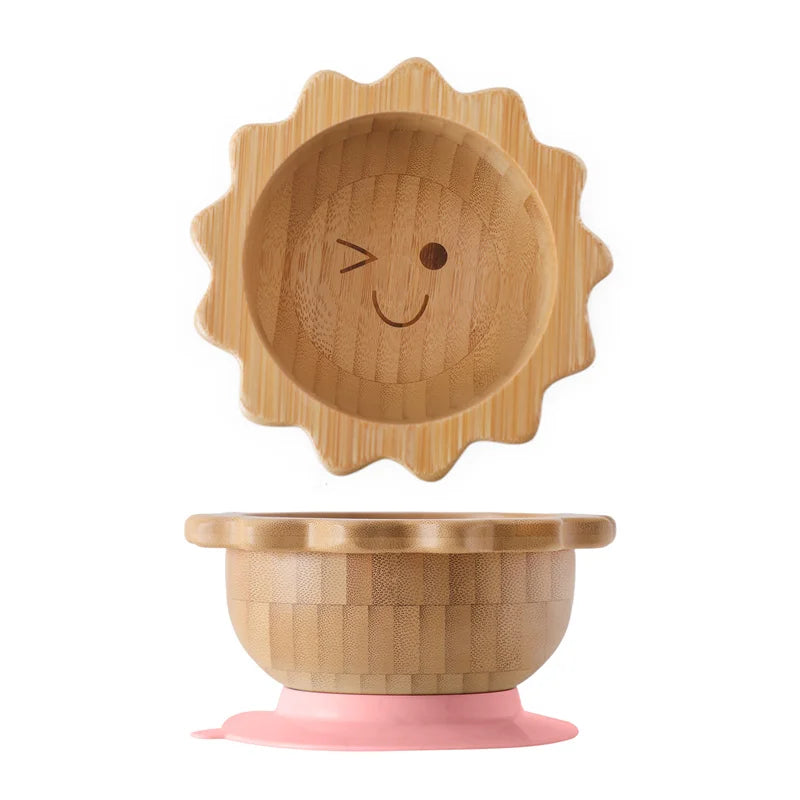
Comparison of feeding plate styles designed to support stable self-feeding during everyday meals.
Cleaning and hygiene tips for silicone suction plates
Keeping feeding equipment clean helps maintain both hygiene and suction performance. Always follow the manufacturer's care instructions, since cleaning recommendations vary by material and construction.
- Wash the plate and suction base thoroughly after every meal to remove food residue.
- If the plate is labeled dishwasher-safe, place it according to the manufacturer's guidance.
- Hand-wash bamboo melamine plates if recommended and avoid prolonged soaking unless approved by the manufacturer.
- Dry all components completely before storage to reduce moisture buildup around the suction base.
- Inspect plates regularly for cracks, peeling, discoloration, lingering odors, or worn suction components, and replace damaged products promptly.
Frequently asked questions about baby suction plates
-
Will suction plates prevent all spills?
No. Suction plates help reduce accidental sliding and tipping, but they cannot prevent every spill. Babies and toddlers may still intentionally throw food or eventually learn to remove the plate. -
Are suction plates safe for babies?
When made from food-contact-safe materials and used according to the manufacturer's age recommendations, suction plates are generally suitable for infant feeding. Adult supervision is still essential during every meal. -
What age can a baby use a suction plate?
Many families begin using suction plates when babies are developmentally ready to start solids. Always follow the manufacturer's recommended age and feeding-stage guidance. -
Is a suction plate suitable for a 6 month old?
Yes, a suction plate can be appropriate for many 6-month-olds who have started complementary feeding and are showing signs of readiness, provided the product matches the manufacturer's recommendations. -
Do suction plates help babies learn to self-feed?
A stable plate allows babies to practice reaching, grasping, and scooping with fewer interruptions caused by sliding dishes, making self-feeding practice easier. -
Are silicone suction plates better than regular plates?
For babies learning independent eating, silicone suction plates often provide greater stability. Older children who no longer move their dishes frequently may do well with standard plates. -
Do suction plates work on every table surface?
No. They typically perform best on smooth, clean, flat, non-porous surfaces. Textured, uneven, or dirty surfaces may reduce suction strength. -
What are the disadvantages of baby suction plates?
Performance varies depending on the surface, the suction base requires regular cleaning, and some toddlers eventually learn to release or lift the plate. -
How should silicone suction plates be cleaned?
Wash them after every meal, clean around the suction rim carefully, and follow the manufacturer's dishwasher or hand-washing instructions. -
Are suction plates useful for toddlers?
Yes. Many toddlers still benefit from added plate stability while refining spoon skills and eating more independently.
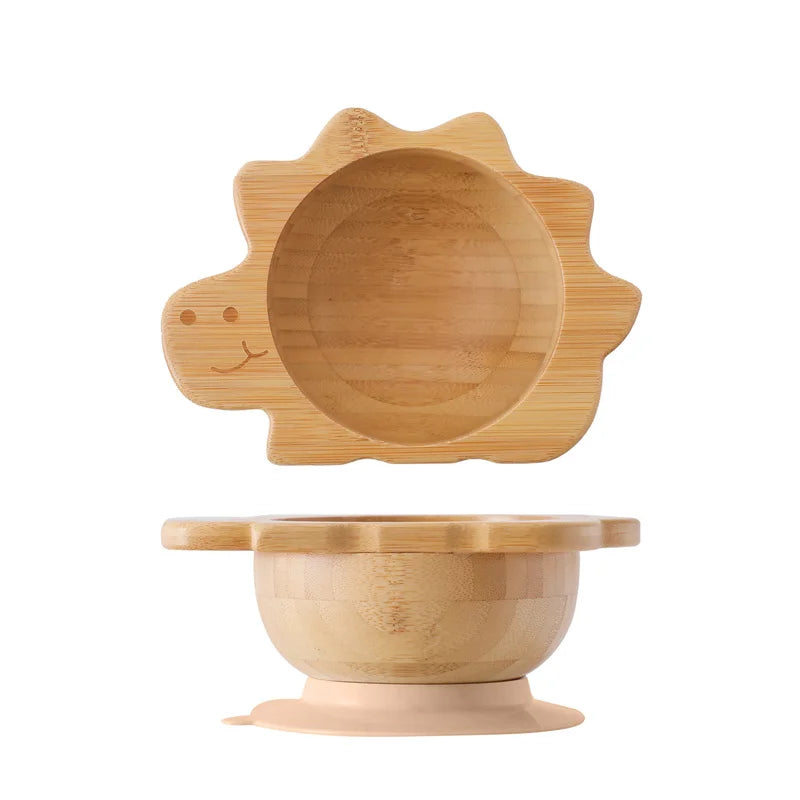
Silicone suction plates and bamboo-style feeding plates designed to support safer, more stable self-feeding.
Final verdict: are suction plates worth using for babies and toddlers?
The benefits of suction plates for babies are most noticeable during the early stages of self-feeding, when children are still developing coordination and learning how to scoop, grasp, and pick up food independently. A well-designed suction plate provides greater stability than many standard plates, helping reduce accidental sliding while giving babies more opportunities to practice essential feeding skills.
Although no suction plate can eliminate every spill or replace active supervision, it can be a practical mealtime tool when matched with your child's age, developmental stage, eating habits, and the type of surface you use. Families practicing baby-led weaning or encouraging independent eating often benefit most from a durable, food-contact-safe suction plate that is easy to clean and compatible with their highchair or dining table.
- Choose food-contact-safe materials from a trusted manufacturer.
- Confirm the suction base works on your highchair tray or table surface.
- Select divided sections if you regularly serve multiple foods.
- Inspect the plate regularly for wear, cracks, or damaged suction components.
- Follow the manufacturer's cleaning and age recommendations.
Pillar Article: Not Found
Other Related Articles:
- Eco Friendly Baby Dishes Set Use Cases for Sensitive, Mess-Prone Eaters
- Guide to Baby Tableware for Kids Who Need More Grip and Less Mealtime Mess
Explore More:





