

Does a vacuum suction plate really keep food on the table?
Answer: Yes, a vacuum suction plate can significantly reduce food spills by creating a low-pressure seal between the plate base and a smooth tabletop or high-chair tray. The best suction plates for toddlers work by resisting sliding, lifting, and flipping attempts, making them especially useful during early self-feeding stages. However, performance depends on the plate design, surface type, seal quality, and how correctly it is placed.
For toddlers who are learning independence, a toddler suction plate can make meals less frustrating by keeping food accessible while reducing the number of dropped bowls and overturned dishes. A strong suction baby plate is most effective when used on clean, flat, non-porous surfaces where the silicone base can form a complete seal.
⏱ 8 min read
Vacuum Suction Plate Comparison: Which Plates Truly Hold Up Against Tugging Toddlers?
Choosing the right baby feeding dish can make a noticeable difference during messy self-feeding stages. Parents comparing bamboo melamine dinnerware, silicone suction plates for babies, and other eco friendly baby dishes set options often want the same thing: a safer, more stable solution that supports growing 9 month old eating habits without constant spills. But do suction plates work equally well, or does the material and design determine whether a plate stays put?
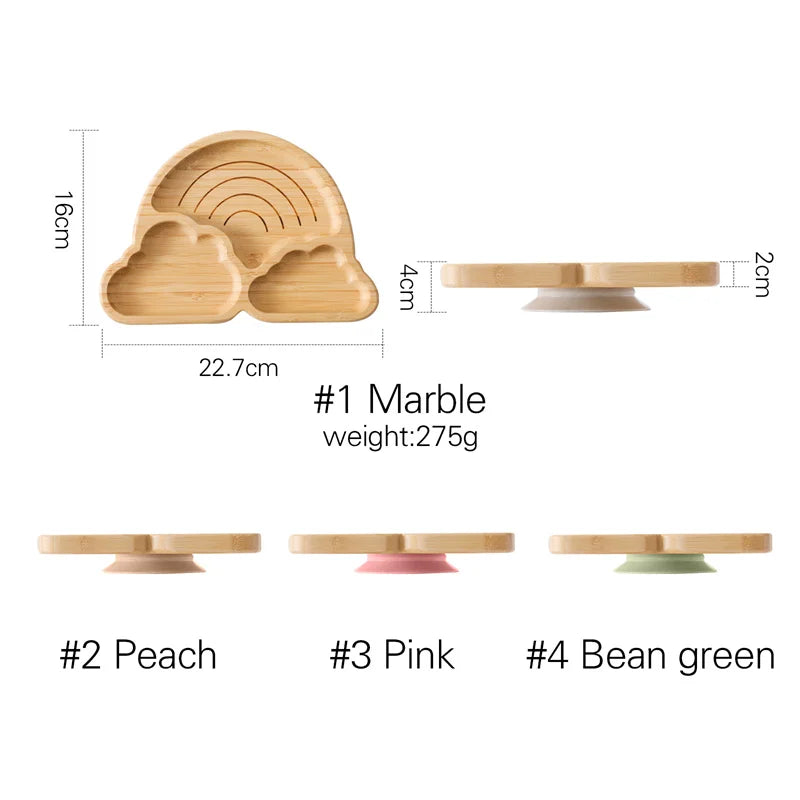
vacuum suction plate - silicone suction plate set - See it in action
Why suction plates work (and when they don't)
Active toddlers often test their independence by pushing, pulling, and lifting everything within reach—including their dinner plates. A vacuum suction plate helps prevent these common mealtime accidents by attaching securely to the eating surface instead of relying only on the plate’s weight.
The reason these plates work is simple: the flexible suction base presses against the surface and removes trapped air, creating resistance against movement. This allows children to practice self-feeding with fewer interruptions while caregivers spend less time cleaning food from the floor.
However, even the best suction plates for toddlers are not completely impossible to remove. A determined toddler may eventually discover how to lift an edge and release the seal. The strongest results come from combining a quality plate design with the correct surface, placement, and cleaning routine.
What is a vacuum suction plate?
A vacuum suction plate is a baby feeding dish designed with a flexible base, usually made from food-grade silicone, that creates a partial vacuum between the plate and a flat surface. When pressed firmly into place, the suction area grips the table or tray and helps prevent sliding, spinning, and tipping.
Unlike traditional plates that move easily when pushed by small hands, a toddler suction plate provides stability during important developmental stages such as baby-led weaning and independent eating practice.
A well-designed strong suction baby plate can help reduce everyday messes, but its performance depends on factors such as:
- Seal quality: A wider, softer silicone base usually creates a stronger grip.
- Surface compatibility: Smooth surfaces allow better suction than textured or uneven materials.
- Plate construction: One-piece silicone designs often maintain suction better than separate parts.
- Cleaning condition: Crumbs, moisture, or food residue can prevent a proper seal.
Side-by-side comparison: vacuum suction plates
This comparison shows how different materials perform when parents look for the best suction plates for toddlers. Silicone suction plates, bamboo melamine options, and traditional plates each have different strengths depending on daily feeding needs.
| Feature | Silicone suction plate | Bamboo melamine with suction base | Classic melamine/no-suction |
|---|---|---|---|
| Grip on flat surfaces | Excellent (flexible silicone seal creates strong hold) | Very good (rigid plate combined with silicone suction ring) | Poor (depends mainly on plate weight) |
| Durability | High (many designs are dishwasher-safe and flexible) | High (lightweight and sturdy for daily meals) | Medium |
| Safety / materials | Food-grade BPA-free silicone options are widely available | Often chosen for natural appearance and lightweight design | Varies by manufacturer |
| Portability | Flexible but may take more storage space | Lightweight and convenient for travel | Lightweight |
| Best for | Strong-willed toddlers who push or flip dishes | Parents wanting style plus moderate suction performance | Older toddlers who no longer throw plates |
Quick takeaways
- Silicone suction plates for babies usually provide the strongest one-piece seal because the flexible base adapts closely to smooth surfaces.
- Bamboo melamine dishes with suction features offer a balance between appearance, lightweight handling, and everyday practicality.
- Traditional plates without suction are better suited for children who have already developed stable table manners.
Which material fits your family?
The right toddler suction plate depends on your child’s age, eating habits, and where meals usually happen. Instead of choosing only by appearance, consider how much grip, flexibility, portability, and cleaning convenience your family needs.
Best when you need maximum grip for active toddlers
- Situation: A 12–24 month old who frequently pushes, lifts, or flips plates during self-feeding.
- Recommendation: A full silicone suction plate is usually the strongest option because the flexible base creates a wider seal and makes the plate harder to move or peel away.
For toddlers who are still exploring boundaries at mealtime, silicone suction plates for babies provide the stability needed for practicing independent eating while reducing accidental spills.
Best for a stylish design with everyday suction support
- Situation: You prefer the natural look of bamboo melamine dishes but still want better stability than a standard plate.
- Recommendation: Choose bamboo melamine dishes with an integrated silicone suction ring or pair them with a separate silicone suction pad designed for flat surfaces.
This option works well for families who want lightweight dinnerware that looks suitable for family meals while still offering extra protection against sliding.
Best for travel or older children
- Situation: Meals happen outside the home where tables may be uneven, textured, or unsuitable for suction.
- Recommendation: A lightweight toddler plate with raised edges or divided sections may be more practical. Pairing it with a non-slip placemat can provide extra stability when suction is unreliable.
How to use suction plates correctly
Knowing how to use suction plates for toddlers correctly can make the difference between a plate that stays firmly in place and one that slides across the table. Most problems happen because the surface, seal, or placement is not prepared properly.
Step-by-step setup for maximum hold
- Clean the surface first: Wipe away crumbs, grease, moisture, and food residue before placing the plate. Even a small particle can prevent a complete seal.
- Place the plate on a smooth surface: Position the suction base on a flat, non-porous tabletop or high-chair tray where air can be removed effectively.
- Press firmly to remove trapped air: Push the plate downward evenly until the silicone base makes full contact and creates suction resistance.
- Check the seal before serving: Gently pull the edge and move the plate sideways. A properly attached plate should resist lifting and sliding.
- Introduce gradually: Some toddlers need time to adjust to a plate that no longer moves freely. Supervised practice helps them develop better self-feeding habits.
Quick suction checklist
- Use suction plates only on clean, flat, non-porous surfaces.
- Avoid textured trays, unfinished wood, or uneven tables that allow air leaks.
- If your suction plate is not sticking, check for crumbs, moisture, scratches, or a damaged silicone seal.
- Dry the suction area completely after washing to help restore grip.
- Replace plates or suction components when the silicone becomes stretched, cracked, or permanently warped.
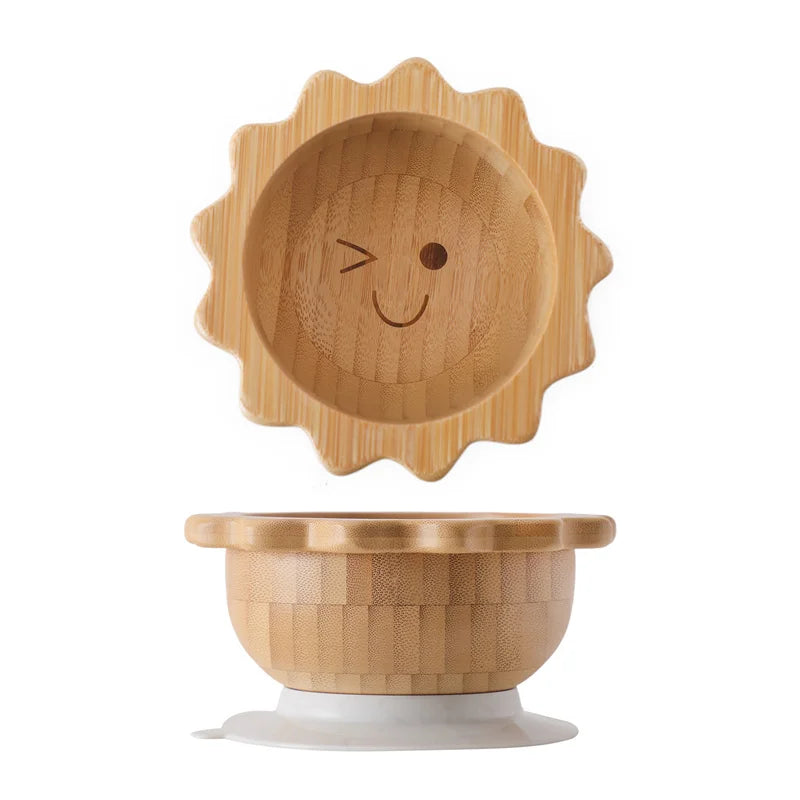
vacuum suction plate - silicone suction plate set - See it in action
Best-practices & cleaning tips
Proper cleaning and maintenance help silicone suction plates for babies maintain their grip, appearance, and durability over time. Since the suction base is responsible for creating the seal, keeping that area clean and undamaged is essential for reliable performance.
- Wash the plate and suction base before first use to remove manufacturing residue and surface dust.
- Clean the silicone sealing area after every meal to prevent food particles from weakening suction performance.
- Allow the suction base to dry completely after washing, as moisture can reduce the strength of the seal.
- Use a soft sponge or non-abrasive cloth to protect the silicone surface from scratches.
- Store plates carefully and avoid placing heavy objects on top of the suction area, which may affect the shape of the seal.
Buying guide: how to choose the right suction plate
Choosing the best suction plates for toddlers involves more than finding a plate that looks attractive. The right design should match your child’s age, feeding stage, cleaning preferences, and daily routine.
Best by age and feeding stage
- 6–12 months: Look for lightweight plates with stable suction support that help babies explore self-feeding during baby-led weaning.
- 12–24 months: Strong silicone suction plates are ideal for toddlers who are learning independence and testing boundaries by pushing dishes.
- 2+ years: Divided plates or larger toddler dishes may work better as children begin managing more complex meals.
Compartment layouts and plate design
Plate shape can affect how easily children learn to serve themselves. Divided suction plates help separate foods, making them useful for toddlers who prefer clear portions or are exploring different textures.
- Divided sections: Helpful for picky eaters who prefer foods separated.
- Deep edges: Make scooping easier for children using spoons and forks.
- One-piece silicone construction: Reduces gaps where food and moisture can collect.
Safety certifications and material quality
When comparing silicone suction plates for babies, prioritize products made from food-grade materials designed for repeated daily use. Look for clear information about material safety, BPA-free construction, and temperature limits.
- Seal type: A one-piece silicone suction base often provides a stronger and more reliable hold than a separate glued-on ring.
- Materials: Choose food-grade silicone or toddler-safe materials with clear safety information.
- Dishwasher and microwave compatibility: Check manufacturer instructions before using high heat settings.
- Replacement options: Removable suction components can extend the useful life of the plate.
- Surface performance: Look for designs specifically tested for flat, non-porous surfaces.
Want a quick pick? Consider a silicone vacuum suction plate if your toddler frequently pushes or lifts dishes, or choose a bamboo melamine dinnerware set with a quality suction base if you prefer a balance of style and everyday function. Check our Feeding Tools for compatible accessories and placemats.
Testing results by surface
A strong suction baby plate does not perform the same on every table or high-chair tray. Surface texture, material, and cleanliness all affect whether the seal forms correctly. Understanding these differences helps explain why a suction plate may work perfectly in one location but appear to stop sticking somewhere else.
Glass surfaces
Performance: Excellent.
Glass is one of the best surfaces for suction plates because it is smooth, flat, and non-porous. Silicone suction bases can create a stronger seal with fewer air leaks, making glass dining tables and glass feeding surfaces ideal for maximum grip.
- Best performers: One-piece silicone suction plates with wide sealing edges.
- Common issues: Dust, fingerprints, or food residue can still weaken suction.
- Recommendation: Wipe glass surfaces before every meal for the strongest hold.
Plastic trays
Performance: Good to moderate, depending on the tray design.
Many high-chair trays work well with suction plates, but results vary because some plastic surfaces contain slight textures or curved areas that prevent a complete seal.
- Best performers: Soft silicone suction plates that adapt to small surface variations.
- Common issues: Raised patterns, scratches, or textured plastic can cause a suction plate not sticking properly.
- Recommendation: Test the tray before mealtime and place the plate on the flattest area available.
Wood tables
Performance: Varies widely.
Finished wood tables with smooth, sealed surfaces may support suction, but unfinished wood, natural grain patterns, and uneven finishes can allow air to escape. This makes wood less predictable than glass or smooth plastic.
- Best performers: Silicone bases with flexible edges that create a wider contact area.
- Common issues: Porous wood absorbs air pressure and reduces the strength of the seal.
- Recommendation: Use a smooth placemat or feeding mat if suction performance is inconsistent.
Textured high-chair trays
Performance: Limited.
Many textured high-chair trays are designed for durability rather than suction compatibility. Small ridges, patterns, or uneven surfaces make it difficult for a toddler suction plate to create a complete vacuum seal.
- Best performers: Plates paired with smooth removable tray covers or silicone mats.
- Common issues: Air leaks under the suction edge cause plates to slide or lift easily.
- Recommendation: If your suction plate is not sticking, check whether the tray texture is the main cause before replacing the plate.
Frequently asked questions
Do suction plates work on wooden tables?
Yes, suction plates can work on smooth, sealed wooden tables, but results depend on the finish. Highly textured, unfinished, or porous wood surfaces may prevent a complete seal. For the best grip, use a clean, flat area or add a compatible smooth placemat.
Why is my suction plate not sticking?
A suction plate may stop sticking because of crumbs, moisture, damaged silicone, or an unsuitable surface. Clean both the plate base and table, press firmly to remove trapped air, and check whether the surface is smooth enough for suction.
Are silicone suction plates safe for babies?
High-quality silicone suction plates for babies made from food-grade materials are commonly designed for infant and toddler feeding. Look for clear material information, BPA-free claims, and manufacturer guidance for temperature and cleaning limits.
Can suction plates go in the microwave and dishwasher?
Some suction plates are dishwasher-safe and microwave-safe, but compatibility depends on the material and manufacturer instructions. Always check the product guidelines before using high temperatures, especially with plates that include multiple materials.
What age should toddlers start using suction plates?
Many children begin using suction plates during the self-feeding stage around 6 months and continue through the toddler years. The ideal time depends on developmental readiness, feeding skills, and whether the child benefits from a more stable dish.
Do suction bowls or suction plates work better?
Both can be useful depending on the meal. Suction bowls are often better for foods with liquids, purees, or small portions, while suction plates are usually more versatile for divided meals, finger foods, and toddler-sized portions.
How long do silicone suction plates last?
With proper cleaning and storage, quality silicone suction plates can last for years. Regularly inspect the suction base for cracks, stretching, or permanent deformation that could reduce grip.
Can toddlers eventually remove suction plates?
Yes, some toddlers eventually learn how to lift the edge and break the seal. A strong suction design increases the effort required, but supervision remains important as children develop problem-solving skills.
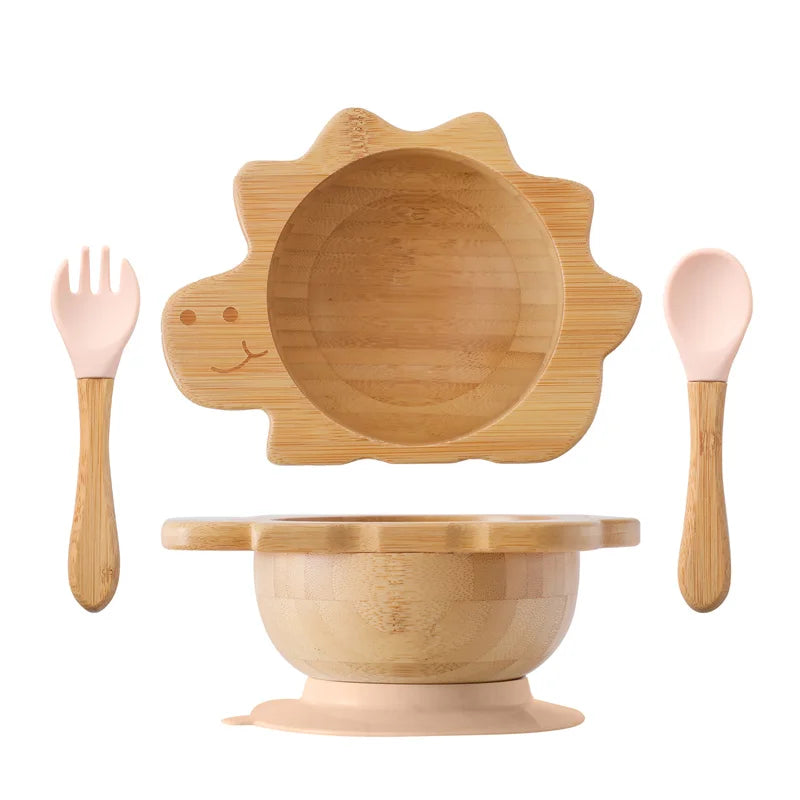
vacuum suction plate - baby plates - See it in action
Pillar Article: Silicone Suction Plate Reviews: Top Picks That Actually Stay Put
Other Related Articles:
- Silicone Suction Placemat Showdown: Which Ones Keep Bowls and Plates from Sliding?
- Toddler Bamboo Feeding Set Reviews: The Best Lightweight Picks for Daily Use
- Bamboo Melamine Dinnerware Compared: The Safest, Sturdiest Options for Toddlers
- Baby Wooden Tableware Set Review: Which Styles Work Best for Messy Meals?
Explore More:





