

Does using the right bibs and burp cloths really keep my baby drier?
Answer: How to keep baby dry starts with using the right combination of absorbent bibs, soft burp cloths, and good feeding habits. Choose a water-resistant bib during meals, keep a cotton or bamboo burp cloth on your shoulder for spit-up, replace damp fabrics promptly, and burp your baby regularly. These simple steps reduce outfit changes, help protect delicate skin, and keep your baby more comfortable throughout the day.
⏱ 7 min read
How to Keep Baby Dry: Using Bibs and Burp Cloths Effectively
Keeping a newborn dry can feel like a full-time job. Between milk dribbles, spit-up, drooling, and messy feedings, it's easy to go through multiple outfits in a single day. Fortunately, learning how to keep baby dry doesn't require complicated products. Choosing the right bibs and burp cloths, using them at the right time, and following a simple feeding routine can significantly reduce moisture, protect sensitive skin, and make everyday care much easier.
This guide explains how different bibs and burp cloths work, when to use each one, and practical habits that help minimize laundry while keeping your baby clean, comfortable, and dry.
Quick answer: What actually keeps a baby dry?
How to keep baby dry is all about preventing moisture from staying against your baby's skin. Use absorbent cotton, muslin, or bamboo bibs for drooling, waterproof bibs during messy meals, and soft burp cloths to catch spit-up before it reaches clothing. Replacing damp bibs quickly and burping your baby during feeds also helps reduce leaks, laundry, and skin irritation.
Why keeping baby dry matters for comfort and health
Keeping your baby's clothing and skin dry is about more than convenience. Moisture trapped against delicate skin can contribute to redness, irritation, heat rash, and discomfort, especially around the neck, chest, and chin where drool and milk often collect. Damp clothing can also make babies feel cold because they lose body heat more quickly than adults.
Using clean, absorbent bibs and burp cloths consistently helps protect sensitive skin, keeps feeding sessions more comfortable, and reduces the number of full outfit changes needed throughout the day.
How to choose the right bibs & burp cloths (benefit-first)
Select bibs and burp cloths based on your baby's feeding stage and the type of mess you want to manage. The best combination usually includes absorbent fabrics for everyday drooling and waterproof protection for mealtimes. Material quality, coverage, and ease of cleaning have a much greater impact than appearance alone.
- For drooling: Choose soft cotton, muslin, or bamboo-cotton bibs that absorb moisture quickly while remaining breathable against sensitive skin.
- For bottle and solid feeding: Waterproof bibs with an absorbent inner layer help prevent milk, puree, and liquids from soaking through clothing.
- For burping: Long, wide burp cloths provide better shoulder and chest coverage, catching spit-up before it reaches your clothes or baby's outfit.
- For everyday durability: Snap closures generally last longer than hook-and-loop fasteners and are less likely to snag other laundry during washing.
Try bamboo-cotton bibs for a versatile everyday solution that combines a gentle, highly absorbent inner layer with a spill-resistant outer surface, making them suitable for drooling, bottle feeding, and daily use.
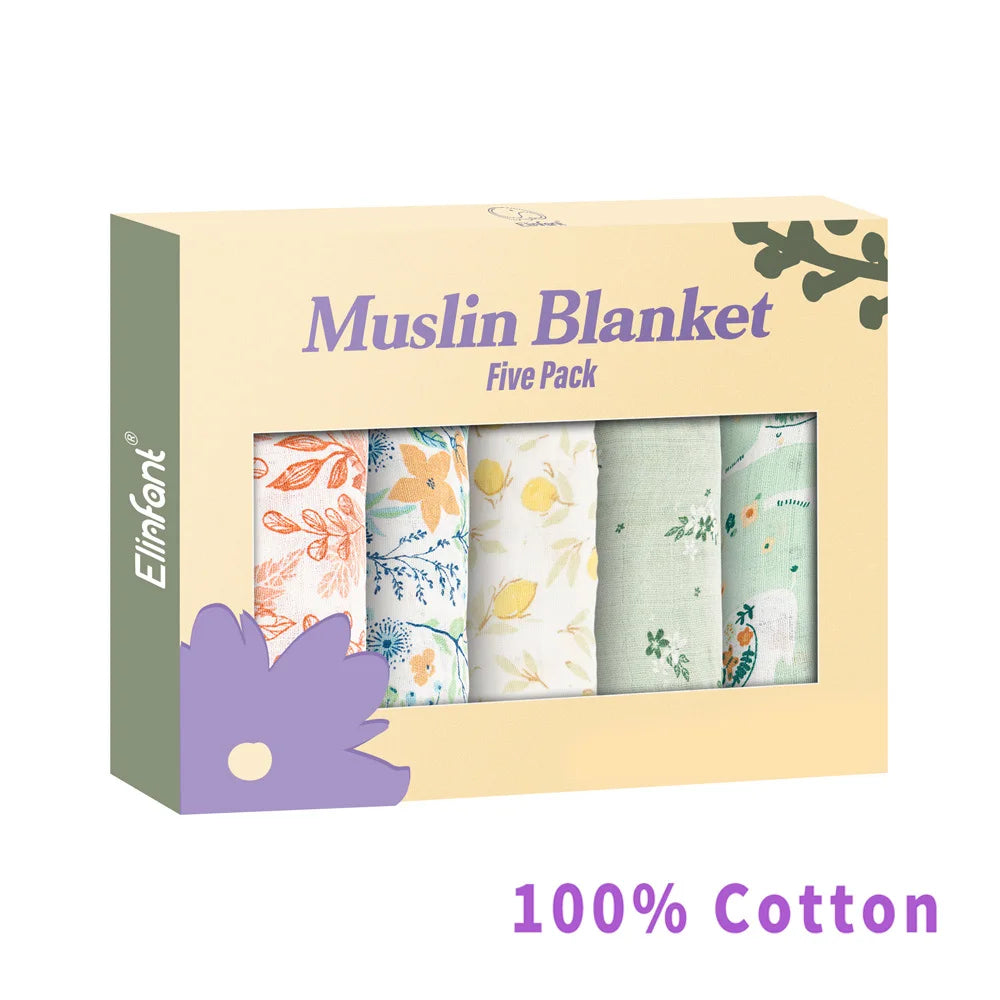
How to keep baby dry - KentDO Mom & Baby. See it in action.
Material guide at a glance
| Material | Best for | Care |
|---|---|---|
| Bamboo cotton | Daily feeding, drooling, and sensitive skin | Machine wash with gentle detergent and tumble dry on low or air dry |
| Muslin | Light drool, spit-up, and warm-weather use | Quick drying, becomes softer after repeated washing |
| Laminated cotton / water-resistant | Messy meals and liquids | Wipe clean after use or machine wash according to the manufacturer's instructions |
Feeding & positioning tips to reduce leaks
Proper positioning during feeding often prevents more mess than changing bib styles alone. A few simple adjustments can reduce swallowed air, limit spit-up, and help keep both your baby and clothing dry.
- Place a clean burp cloth over your shoulder before beginning each feeding.
- When bottle feeding, keep the nipple filled with milk to reduce air intake.
- If your baby frequently spits up, feed in a slightly upright position whenever appropriate.
- Pause halfway through the feeding for a gentle burp instead of waiting until the end.
- Hold your baby upright for several minutes after feeding to help reduce reflux-related spit-up.
A simple drying routine (step-by-step)
A consistent routine keeps moisture from building up on clothing and helps reduce unnecessary outfit changes throughout the day.
- Prepare: Keep a fresh burp cloth within reach before every feeding session.
- Protect: Use a soft absorbent bib for drooling and switch to a waterproof bib whenever feeding milk or solids.
- Burp regularly: Burp your baby midway through the feed and once again after finishing.
- Replace damp items promptly: Change wet bibs, burp cloths, or clothing as soon as they become damp to protect sensitive skin.
- Treat stains early: Rinse milk or food spills soon after use to make washing easier later.
- Prepare for nighttime: Keep spare bibs, burp cloths, and a clean onesie beside the feeding area for quick changes with minimal disruption.
Wash care & maintenance that prolongs absorbency
Proper care helps bibs and burp cloths stay soft, absorbent, and comfortable for longer. Regular washing removes milk residue, saliva, and food particles that can reduce absorbency or cause lingering odors.
- Wash new cotton, bamboo, or muslin bibs before first use to improve softness and absorbency.
- Use a fragrance-free, gentle detergent that is suitable for baby laundry whenever possible.
- Avoid fabric softener because it coats absorbent fibers and reduces their ability to wick away moisture.
- Warm water is suitable for routine washing, while an occasional hotter wash can help remove stubborn milk and food residue if recommended by the care label.
- Air drying or tumble drying on a low heat setting helps preserve fabric quality and waterproof backings.
- Replace bibs and burp cloths that remain stained, develop persistent odors, or lose their absorbency after repeated washing.
Quick comparison: bib styles and when to use each
Different bib styles solve different feeding challenges. Keeping a few options available allows you to match the bib to your baby's age and daily routine.
| Style | Best use | Why it helps |
|---|---|---|
| Bandana bib | Teething and everyday drooling | Comfortable for extended wear while absorbing light moisture. |
| Classic bib with pocket | Self-feeding and solid foods | Catches crumbs and small spills to reduce clothing changes. |
| Waterproof bib (full coverage) | Purees, soups, and messy meals | Blocks liquids from soaking through to clothing. |
| Long burp cloth | Burping after breast or bottle feeding | Protects the caregiver's shoulder and baby's clothing from spit-up. |
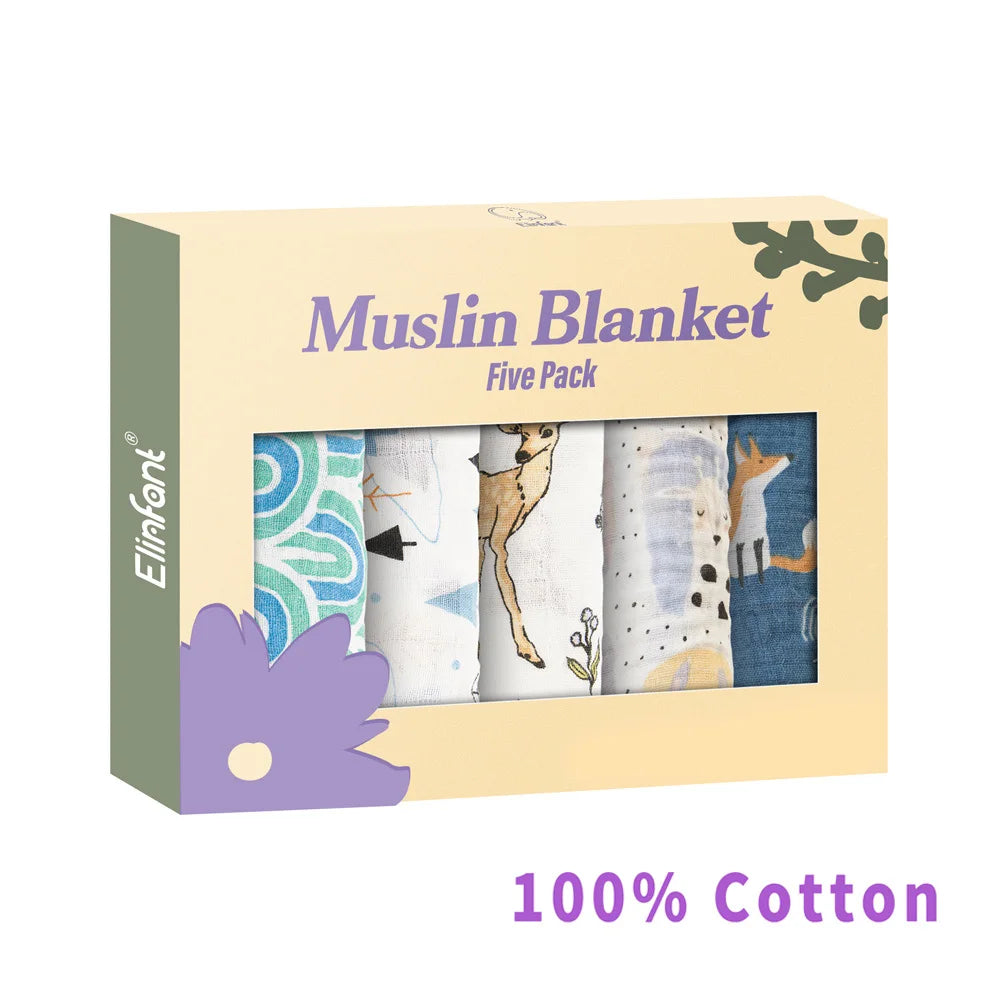
How to keep baby dry - KentDO Mom & Baby. See it in action.
A practical feeding kit often includes several absorbent bibs for everyday use, one or two waterproof bibs for meals, and multiple burp cloths that can be rotated throughout the day. Rotating clean items not only keeps your baby drier but also extends the lifespan of each bib by reducing continuous wear.
Store a small set of clean essentials in frequently used locations such as the nursery, diaper bag, stroller, or car. Having replacements within easy reach makes it much easier to change damp items immediately and helps prevent moisture from remaining against your baby's skin.
Related resources: Feeding & Nursing and Baby Care Essentials for curated accessories that simplify the routine.
Care schedule and printable checklist
Following a simple care routine helps keep bibs and burp cloths clean, absorbent, and ready for every feeding. This schedule also extends the life of your baby essentials while reducing odors and stains.
- After every use: Replace damp bibs and burp cloths, rinse away milk or food residue, and allow heavily soiled items to air out until washing.
- Daily: Wash all used bibs and burp cloths with a gentle baby-safe detergent and ensure they are completely dry before storing.
- Weekly: Check for lingering stains, sour odors, worn stitching, or reduced absorbency, and deep clean as needed.
- Monthly: Inspect waterproof backings, snaps, seams, and fabric condition. Replace any items that no longer absorb moisture effectively or show signs of damage.
Frequently asked questions
-
How long do babies typically use bibs and burp cloths?
Most babies use burp cloths throughout the first year, while bib use often continues well into the toddler years as drooling, self-feeding, and messy meals become part of daily life.
-
Can bibs be used as burp cloths?
Bibs and burp cloths serve different purposes. A bib protects your baby's clothing, while a burp cloth is designed to cover the caregiver's shoulder and absorb larger amounts of spit-up. In a pinch a bib can help, but a dedicated burp cloth offers better coverage.
-
Should I wash bibs after every feeding?
Yes. Bibs that become wet with milk, formula, drool, or food should be washed before being reused to help prevent odors, bacteria buildup, and skin irritation.
-
Can I use bleach on baby bibs?
Routine bleach use is generally unnecessary and may shorten fabric life. Follow the manufacturer's care instructions and choose baby-safe cleaning products whenever possible.
-
Does fabric softener reduce absorbency?
Yes. Fabric softener leaves a coating on absorbent fibers, making bibs and burp cloths less effective at soaking up moisture.
-
What water temperature is best for baby bibs and burp cloths?
Warm water is suitable for most routine washing, while hotter washes may occasionally be used for heavily soiled items if permitted by the care label.
-
How do I stop bibs from smelling sour?
Wash damp bibs promptly, avoid leaving them in closed bags for extended periods, and dry them completely before storing to prevent odor-causing bacteria and mildew.
-
How can I prevent cotton bibs from shrinking?
Wash according to the care label using moderate temperatures and dry on low heat or air dry whenever practical.
Final checklist: keep baby dry with confidence
- Keep multiple clean bibs and burp cloths within easy reach at every feeding station.
- Match the bib type to the activity, using absorbent fabrics for drooling and waterproof protection during meals.
- Replace damp bibs promptly to help protect delicate skin.
- Wash bibs and burp cloths regularly without fabric softener to maintain absorbency.
- Inspect feeding essentials regularly and replace worn items when they no longer perform well.
Looking for an everyday solution? Explore the bamboo-cotton baby bib set and browse Feeding & Nursing or Baby Care Essentials for additional products that simplify feeding and cleanup.
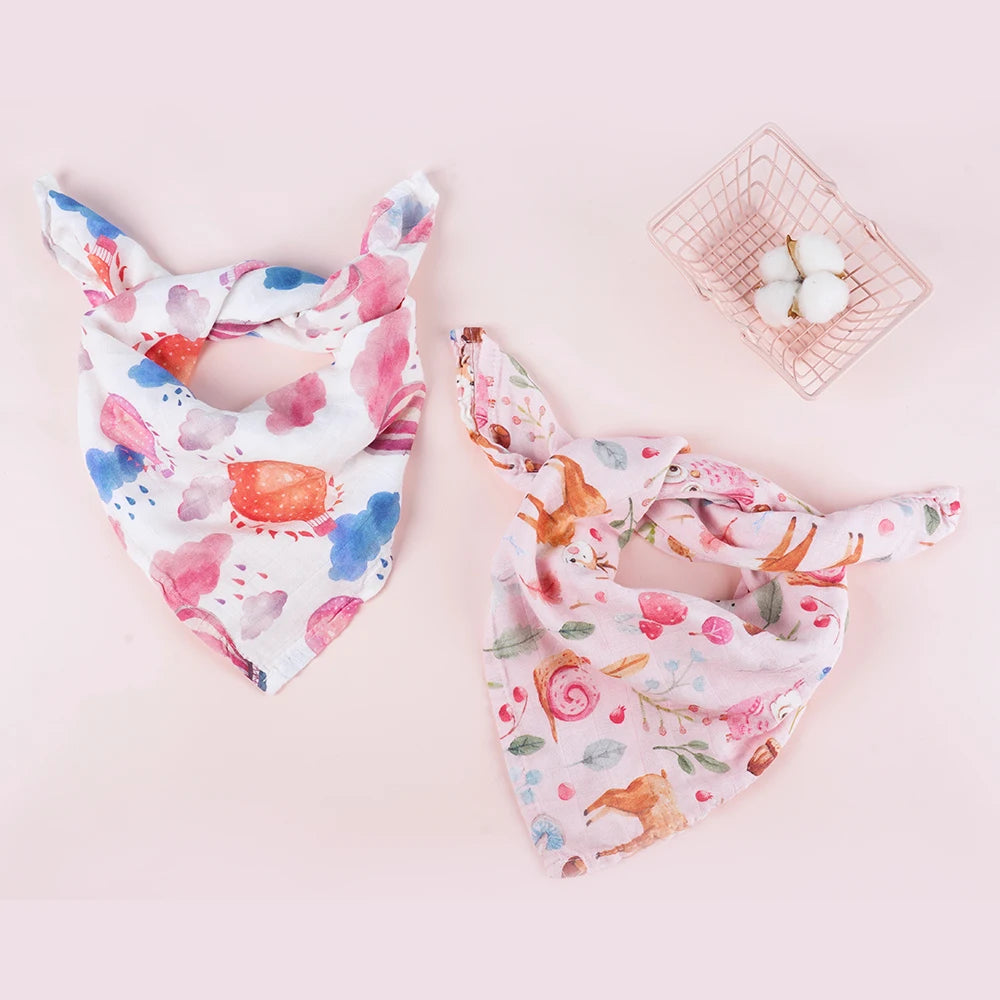
How to keep baby dry - KentDO Mom & Baby. See it in action.
Consistent routines, absorbent fabrics, and prompt cleaning help keep your baby dry, comfortable, and ready for every feeding while reducing unnecessary laundry and clothing changes.
Pillar Article: Tips for Feeding Newborn: Step-by-Step Guide for Stress-Free Meals
Other Related Articles:
- Infant Feeding Problems: How to Solve Common Feeding Challenges
- Tips for Bottle Feeding Newborn: Techniques Every Parent Should Know
- Prevent Baby Skin Irritation: Best Practices for Sensitive Skin
Explore More:





