

Does using soft breathable baby bibs help prevent baby skin irritation?
Yes — soft breathable baby bibs reduce moisture buildup and friction that commonly cause rashes. Using breathable, gentle fabrics and correct fit can prevent baby skin irritation by keeping skin dry, lowering microbial growth, and minimizing rubbing during feedings and drooling. Learn practical steps below to make everyday care gentler and safer.
⏱ 7 min readPrevent Baby Skin Irritation: Best Practices for Sensitive Skin
Every parent knows the small things add up: a damp bib, chafed neck folds, or persistent drool can lead to angry red patches on delicate newborn skin. If you worry about rashes, redness, or frequent irritation during feedings, this guide gives step-by-step routines, fabric tips, and quick fixes that prevent baby skin irritation—so feedings stay calm and comfortable. Which small switch will change your day? Read on.
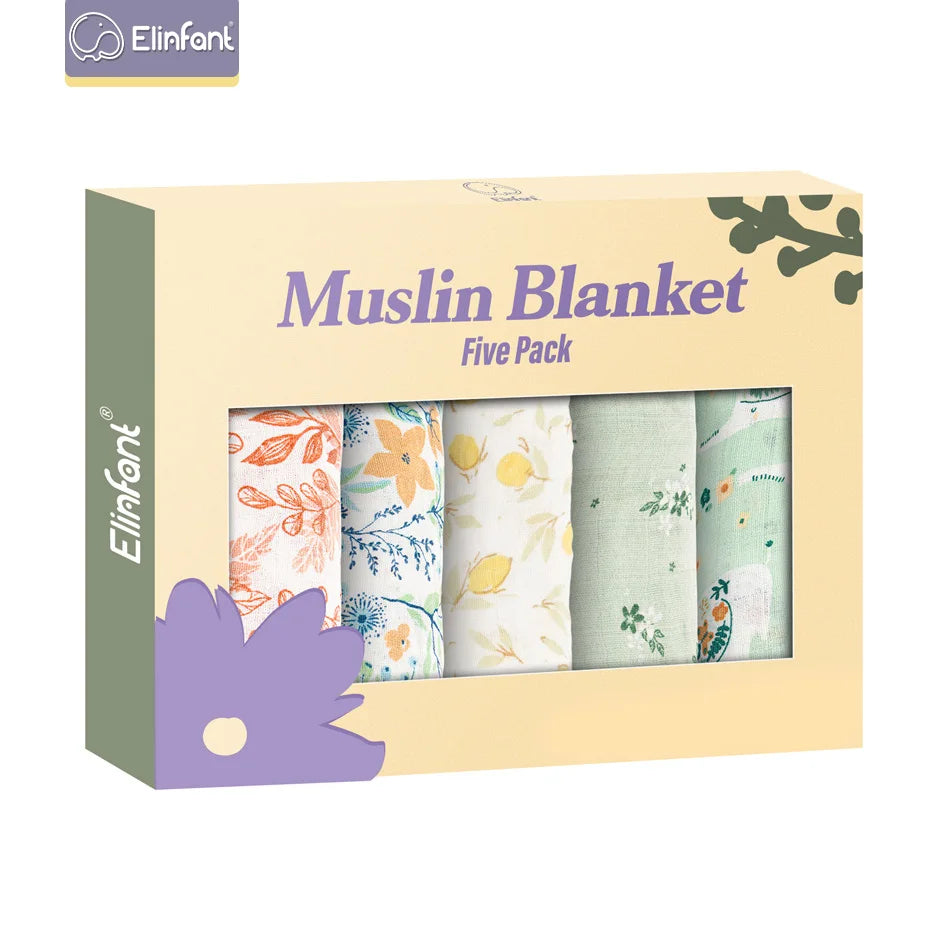
prevent baby skin irritation + nan — See it in action
Why breathable bibs matter (and how they stop rashes)
Breathable baby bibs reduce trapped moisture and heat—two main causes of dermatitis. When fabric wicks drool away from the skin, the neck and chin stay drier, lowering irritation, yeast overgrowth, and chafing. The primary goal: keep skin clean, dry, and free from friction.
Key benefits parents see immediately
- Less red, raw skin in neck folds and behind ears.
- Fewer wardrobe changes and less laundry at midnight.
- Improved comfort during long feeding or teething days.
- Simple prevention that avoids medicated creams whenever possible.
Quick daily checklist to prevent irritation
- Use one dry, breathable bib per feeding and swap if soaked.
- Pat skin dry and air for a minute after feeding—don’t rub.
- Choose soft, natural or high-quality knit fabrics with gentle seams.
- Loosen clothing layers around the neck to reduce friction.
How to fit a bib for comfort and protection
A correctly fitted bib prevents rubbing while catching drips. Follow these steps:
- Place bib on chest, center under chin so it catches drool before it reaches the neck folds.
- Use adjustable snaps or soft velcro; avoid tight ties that press into soft skin.
- Check that the bib clears the collarbone—if it bunches, it will chafe.
- Observe baby with bib on—if redness appears, remove and check fabric or fit.
Materials compared: what gentle fabrics do
Choosing the right material is one of the easiest ways to prevent baby skin irritation.
| Material | Why parents like it | Skin-safety notes |
|---|---|---|
| Bamboo-cotton blend | Soft, breathable, naturally absorbent. | Low irritation; washes well; ideal for frequent use. |
| Organic cotton | Hypoallergenic, fewer chemicals. | Good for sensitive newborns; slower to wick than blends. |
| Silicone (catch-all bibs) | Waterproof pocket for solids; easy wipe-clean. | Use when needed; may trap sweat against skin if worn too long. |
Pro tip
Rotate bib types: use breathable fabrics for drooling and a silicone catch-all for messy solid meals. This mix reduces moisture contact time with skin.
Step-by-step cleaning & care to protect delicate skin
Residues from detergent, fabric softener, or soap can irritate. Follow this cleaning routine:
- Wash bibs after each heavy use; for light drool, a daily rinse helps.
- Use a mild, fragrance-free detergent and rinse thoroughly.
- Avoid fabric softeners—these leave residues that decrease absorbency.
- Dry flat or tumble on low; reshape so seams lie flat against skin.
Product guide & where to start
Look for bibs that combine soft tops with fast-wicking layers and secure but gentle closures. For busy days, a set that includes a waterproof back layer with a breathable front layer is ideal.
- Start gentle: one breathable bib per feeding to keep baby dry.
- Backup: keep an extra in the diaper bag—wet bibs are the most common trigger for redness.
- Try a set: parents save time when they have coordinated bibs for overnight, daytime, and solids.
Shop related essentials: Feeding & Nursing and Baby Care Essentials for coordinating gear and gentle cleaning supplies.
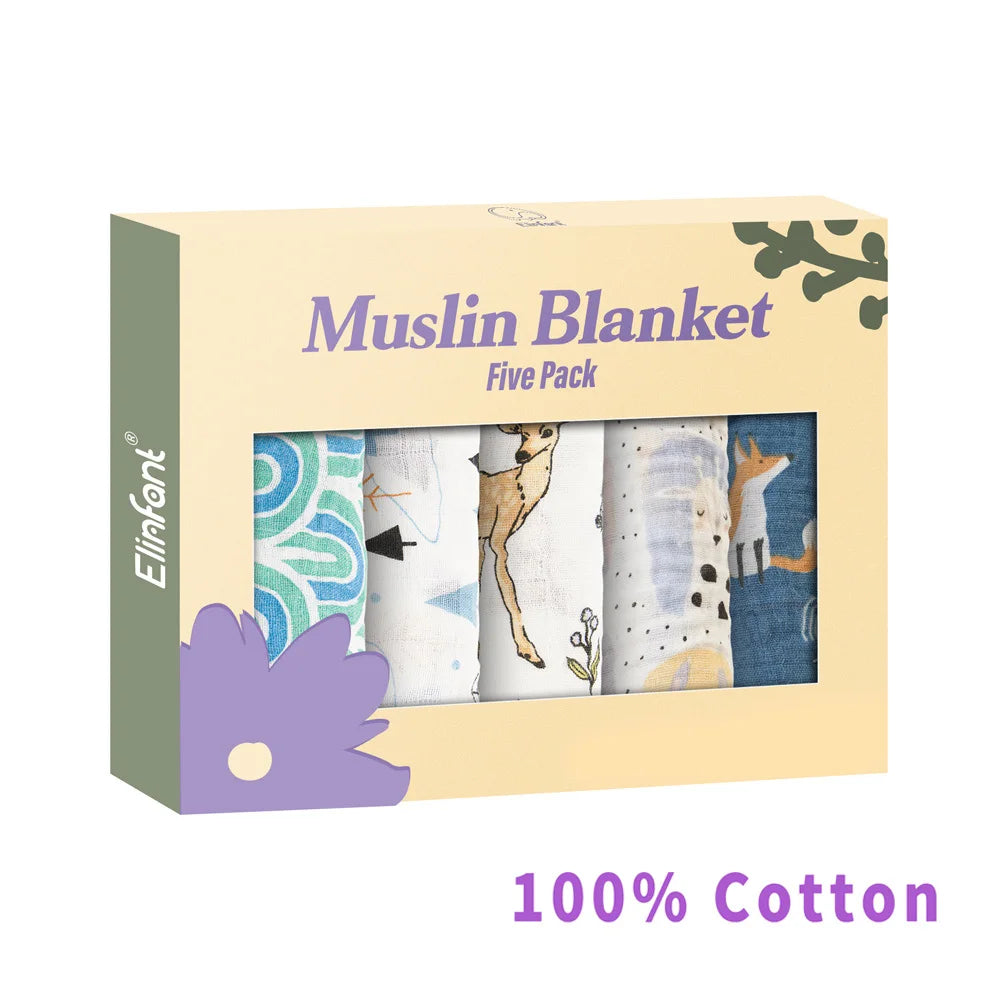
prevent baby skin irritation + nan — See it in action
Pros & cons of common bib types
- Cloth bibs (breathable): Pros—soft, absorbent, low irritation. Cons—need frequent changes.
- Waterproof bibs (silicone-backed): Pros—protect clothing; easy to clean. Cons—can trap heat if left on too long.
- Layered bibs: Pros—best of both (wicking front + waterproof back). Cons—may cost more upfront.
Real parent tips & small wins
Social proof helps — here are quick wins parents shared:
- "Swapping to bamboo-cotton stopped my daughter's nightly neck rash in a week."
- "I keep one bib folded under the highchair strap to catch leaks — tiny trick, huge difference."
- "No more lotions: dryness improved after we started changing bibs more often."
Simple comparison — what to pick by age
- 0–6 months: soft, single-layer breathable bibs for drooling and spit-up.
- 6–12 months: layered bibs with waterproof backs for daytime solids.
- 12+ months: silicone catch-all for messy meals plus a soft liner for comfort.
How to prevent baby skin irritation: quick daily routine
Prevent baby skin irritation with a short routine—wash hands, change bibs when damp, air-dry skin after meals, and use breathable fabrics. If irritation appears, stop using the suspect item and review detergents and fit.
Routine (30–60 seconds after feeding)
- Wipe food/drool from skin with a damp, soft cloth.
- Pat the area dry; let air for 30 seconds.
- Replace with a fresh bib before the next feed.
- If redness persists >48 hours, consult your pediatrician.
Before & after: expected results
Parents typically see reduced redness within 3–7 days after switching to a breathable routine and proper bib rotation. Consistency matters—keeping skin dry is the simplest prevention tactic.
Where to buy and product note
Try a balanced set like a bamboo-cotton option combined with one silicone catch-all for solids. Our recommended starter: Bamboo-cotton baby bib set —it blends softness with practical protection and plays well with daily routines.
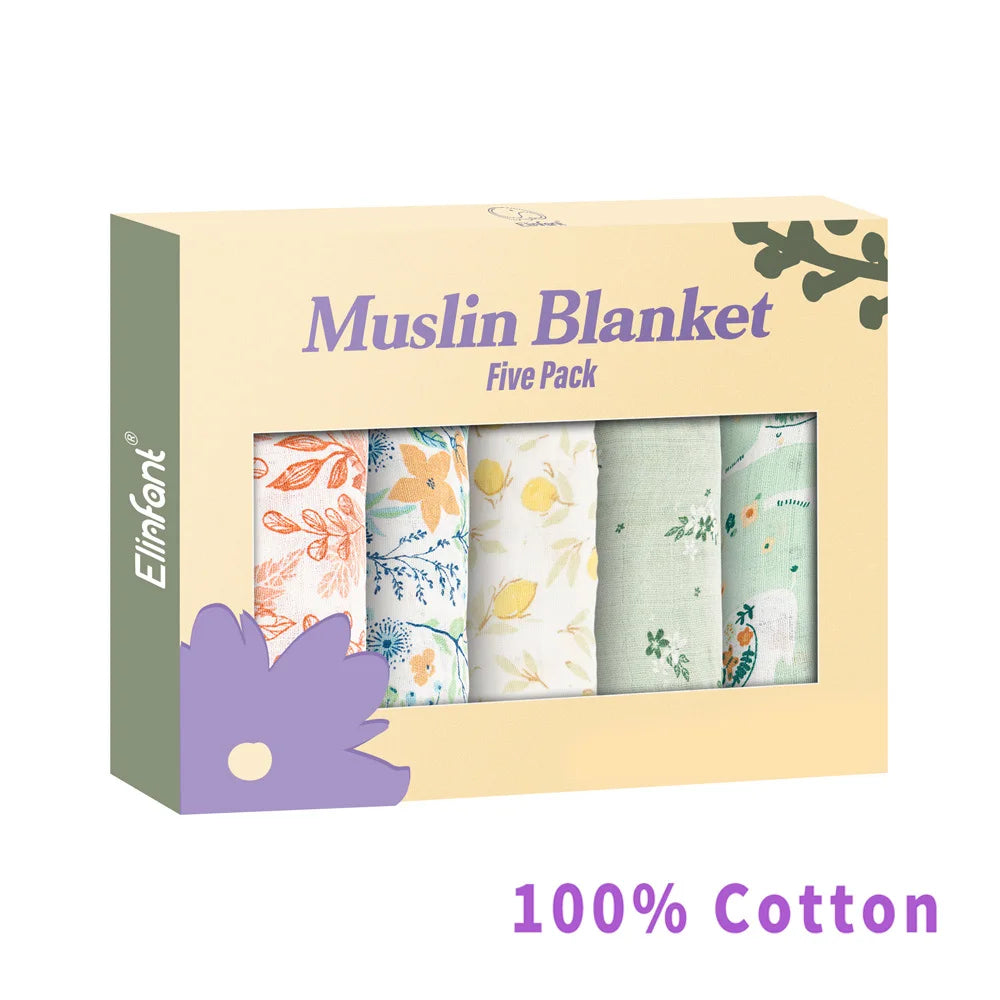
prevent baby skin irritation + nan — See it in action
Mini-FAQ
1. How often should I change my baby's bib?
Change a bib as soon as it becomes damp. For heavy drool or after a feeding, swap immediately to keep skin dry and lower irritation risk.
2. What detergent is safest for sensitive baby skin?
Use a fragrance-free, mild detergent formulated for sensitive skin. Rinse bibs thoroughly and avoid fabric softeners or dryer sheets that leave residues.
3. When should I see a pediatrician about a rash?
If redness does not improve after 48–72 hours of dryness and gentle care, or if the rash spreads, shows blisters, or the baby seems uncomfortable, consult your pediatrician promptly.
Related reading: find tips and coordinating gear in Feeding & Nursing , Baby Care Essentials , and Health & Safety .
Pillar Article: Tips for Feeding Newborn: Step-by-Step Guide for Stress-Free Meals
Other Related Articles:
- Infant Feeding Problems: How to Solve Common Feeding Challenges
- Tips for Bottle Feeding Newborn: Techniques Every Parent Should Know
- How to Keep Baby Dry: Using Bibs and Burp Cloths Effectively
Explore More:
UPGRADE PLAN { "outline": [ { "action": "MODIFY", "h2": "What causes baby skin irritation and how can you prevent it?", "h3": [ "Common irritation triggers", "Early warning signs parents should watch for" ], "focus": [ "Explain the most common causes", "Differentiate temporary irritation from persistent rash", "Identify high-risk situations", "Introduce prevention-first approach" ], "keywords": [ "baby skin irritation causes", "what causes baby skin irritation", "prevent baby skin irritation" ] }, { "action": "REMOVE", "h2": "Does using soft breathable baby bibs help prevent baby skin irritation?", "h3": [], "focus": [], "keywords": [] }, { "action": "MODIFY", "h2": "Build a daily baby skincare routine for sensitive skin", "h3": [ "Bathing frequency", "Moisturizing after bath", "Morning and bedtime routine" ], "focus": [ "Bathing habits", "Moisturizing timing", "Gentle cleansing", "Consistent routine" ], "keywords": [ "baby skincare routine for sensitive skin", "baby sensitive skin care tips", "prevent baby skin irritation" ] }, { "action": "ADD", "h2": "Step-by-step guide to prevent baby skin irritation every day", "h3": [ "Keep skin clean and dry", "Choose breathable clothing", "Protect skin during feeding and drooling", "Reduce friction and overheating" ], "focus": [ "Daily prevention habits", "Clothing choices", "Moisture control", "Environmental protection" ], "keywords": [ "how to prevent baby skin irritation", "prevent baby skin irritation", "baby rash prevention tips" ] }, { "action": "ADD", "h2": "Prevent diaper rash before it starts", "h3": [ "Diaper changing routine", "Barrier creams", "Choosing diapers and wipes" ], "focus": [ "Frequent diaper changes", "Gentle cleaning", "Skin barrier protection", "Prevent moisture buildup" ], "keywords": [ "prevent diaper rash baby", "baby rash prevention tips" ] }, { "action": "MODIFY", "h2": "Choose gentle baby skincare products and avoid common irritants", "h3": [ "Ingredients to avoid", "How to test new products" ], "focus": [ "Fragrance-free products", "Hypoallergenic options", "Detergents and wipes", "Safe product selection" ], "keywords": [ "best products for baby sensitive skin", "baby sensitive skin care tips" ] }, { "action": "ADD", "h2": "How to soothe irritated baby skin safely", "h3": [ "Home care", "When not to use home remedies" ], "focus": [ "Calm mild irritation", "Support skin healing", "Natural soothing methods", "Avoid further irritation" ], "keywords": [ "how to soothe irritated baby skin", "how to treat baby rash naturally", "newborn skin irritation treatment" ] }, { "action": "ADD", "h2": "Baby skin irritation prevention checklist for every situation", "h3": [ "Newborn care", "Hot weather", "Cold weather", "Travel and daycare" ], "focus": [ "Situation-specific prevention", "Packing essentials", "Routine adjustments", "Quick reminders" ], "keywords": [ "prevent baby skin irritation", "baby sensitive skin care tips" ] }, { "action": "REMOVE", "h2": "Product guide & where to start", "h3": [], "focus": [], "keywords": [] }, { "action": "REMOVE", "h2": "Pros & cons of common bib types", "h3": [], "focus": [], "keywords": [] }, { "action": "REMOVE", "h2": "Real parent tips & small wins", "h3": [], "focus": [], "keywords": [] }, { "action": "REMOVE", "h2": "Simple comparison — what to pick by age", "h3": [], "focus": [], "keywords": [] }, { "action": "REMOVE", "h2": "Before & after: expected results", "h3": [], "focus": [], "keywords": [] }, { "action": "REMOVE", "h2": "Where to buy and product note", "h3": [], "focus": [], "keywords": [] }, { "action": "MODIFY", "h2": "Frequently asked questions", "h3": [ "How often should I bathe a baby with sensitive skin?", "Can baby wipes cause skin irritation?", "How can I tell if a rash is an allergic reaction?", "When should I contact a pediatrician about a rash?" ], "focus": [ "Answer common prevention questions", "Clarify misconceptions", "Support safe home care", "Explain when medical advice is needed" ], "keywords": [ "baby sensitive skin care tips", "baby rash prevention tips" ] } ], "internal_links": [ "/collections/baby-care-essentials", "/collections/baby-bath-accessories", "/blogs/news/how-to-keep-baby-wipes-warm", "/blogs/news/are-wipe-warmers-worth-it" ], "faq": [ "How often should I bathe a baby with sensitive skin?", "Can baby wipes cause skin irritation?", "What ingredients should I avoid in baby skincare products?", "How can I prevent diaper rash naturally?", "What are the first signs of baby skin irritation?", "When should I contact a pediatrician about my baby's rash?" ], "trim": [ "Why breathable bibs matter (and how they stop rashes)", "Quick daily checklist to prevent irritation", "How to fit a bib for comfort and protection", "Materials compared: what gentle fabrics do", "Step-by-step cleaning & care to protect delicate skin", "How to prevent baby skin irritation: quick daily routine" ] } Approved linked products: - Bamboo-cotton baby bib set (/products/bamboo-cotton-baby-bib-set) - Get yours now — limited stock! (/products/bamboo-cotton-baby-bib-set) Product Rules - Keep all approved products. - Only approved products may contain affiliate links. - You may add real competitor products when useful. - Competitor products must not contain links unless already present. - Only create comparison tables when they genuinely improve the article. RULES - Apply every instruction in the Upgrade Plan. - Keep all existing affiliate links unchanged. - Keep all existing internal links unchanged. - Keep all existing image URLs unchanged. - Preserve sections such as Related Articles, Related Posts and Recommended Reading. - Avoid duplicate headings. - Insert new sections only where specified. - Improve clarity, topical coverage, EEAT and readability. - Expand weak sections only when required. - Use natural keyword placement. - Keep semantic HTML clean. YEAR UPDATE If visible article text contains "2005", replace it with "2026". Do not modify years inside: - URLs - href attributes - image filenames OUTPUT REQUIREMENTS Return ONLY the final upgraded HTML article. The output must be valid HTML and ready to publish. Do NOT return: - Markdown - Explanations - Notes - Code fences - JSON - XML Return the HTML beginning with the first HTML element and ending with the last HTML element.





