

Are burp cloths necessary for newborns and babies?
Are burp cloths necessary? Not for every baby, but they are a practical feeding essential for many families. Newborns and young babies commonly spit up or dribble milk during and after feeds, and an absorbent cloth can protect clothing, furniture, and caregivers from small messes. If your baby rarely spits up, you can often use a clean muslin cloth, receiving blanket, or small towel instead of buying dedicated burp cloths.
Are Burp Cloths Necessary? What New Parents Really Need to Know
⏱ 7 min read
Newborn shopping lists can quickly become overwhelming, especially when every baby product seems essential. Burp cloths are a good example: do you need burp cloths , or can you simply use something you already have at home? The answer depends largely on how often your baby spits up, how frequently you do laundry, and how much convenience you value during feeding. This guide explains what burp cloths are used for, when they are genuinely helpful, how many you may need, and what practical alternatives can work just as well.
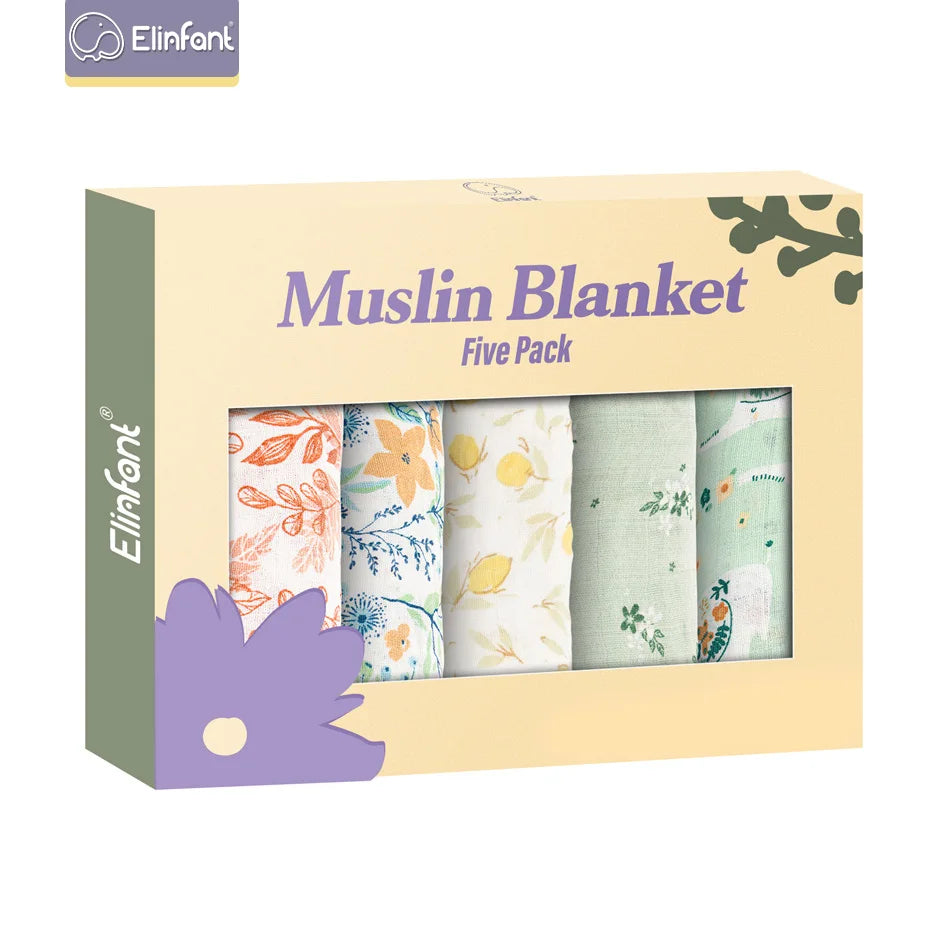
premium baby burp cloth set - KentDO See it in action
The best baby gear is not always the item with the most features. Start with products that solve real daily problems, then choose what fits your family's feeding routine.
Are burp cloths necessary for newborns and babies?
Burp cloths are useful but not strictly necessary for every newborn or baby. Their main purpose is convenience: they provide a clean, absorbent surface for catching spit-up, milk dribbles, and small feeding messes before those fluids reach your clothes, furniture, or other surfaces.
Babies can spit up during or after feeding for many ordinary reasons, and some babies are noticeably messier than others. A dedicated burp cloth is particularly convenient when you are holding a baby against your shoulder, feeding in a chair, traveling, or trying to minimize outfit changes. However, a suitable clean muslin cloth, receiving blanket, or small towel can perform a similar job.
Quick answer: Do you need burp cloths?
You do not have to buy burp cloths, but many parents find them worth having. If your baby frequently spits up or dribbles milk, a stack of absorbent cloths can make feeding cleanup easier. If your baby rarely makes a mess, you may only need a few—or none at all if you already have suitable cloths at home.
When burp cloths are especially useful
- Frequent spit-up: More absorbent cloths can help catch repeated small messes during and after feeds.
- Multiple daily feeds: Keeping clean cloths near feeding areas means you are less likely to search for a towel at the last minute.
- Nighttime feeding: A cloth within reach can help limit clothing and bedding changes when you are trying to settle everyone back to sleep.
- Travel: A few compact cloths are easy to keep in a diaper bag for unexpected dribbles and spills.
- Protecting clothing: Placing a cloth over your shoulder or across your lap can reduce the amount of milk and spit-up that reaches your clothes.
When you can skip them
You can comfortably skip dedicated burp cloths if your baby rarely spits up, you already have absorbent household cloths available, or you prefer to keep your baby gear minimal. The important factors are cleanliness, absorbency, softness, and convenience—not whether the item is specifically labeled a "burp cloth."
What are burp cloths used for?
What is a burp cloth?
A burp cloth is a small, absorbent cloth used during and after infant feeding. It is typically placed over a caregiver's shoulder, across the lap, or near the baby's mouth and neck to catch spit-up, milk dribbles, drool, and other minor messes.
What are burp cloths used for? Primarily, they make everyday feeding cleanup faster and more convenient. They are not medical devices and are not required for healthy feeding, but they can be a simple way to protect clothing and reduce the number of surfaces that need cleaning.
What is burp cloth used for during feeding?
During feeding, a burp cloth can catch milk that escapes from the baby's mouth, absorb drool, or provide a clean layer between the baby's face and a caregiver's clothing. After feeding, it can be placed over the shoulder while burping to catch small amounts of spit-up.
The best placement depends on the feeding position. The cloth should cover the area most likely to get messy without interfering with the baby's breathing, feeding, or comfortable positioning.
Why babies spit up after feeding
Spit-up is common in young babies because their digestive systems are still developing, and small amounts of milk can come back up after feeding. Some babies spit up occasionally, while others do so more frequently. A burp cloth simply provides a convenient way to catch these everyday messes.
Frequent or forceful vomiting, poor weight gain, signs of dehydration, breathing difficulties, blood or unusual color in vomit, or other concerning symptoms should be discussed with a pediatrician rather than managed with a burp cloth alone.
When are burp cloths actually necessary?
There is no universal point at which every baby "needs" burp cloths. Instead, their usefulness increases as feeding messes become more frequent or difficult to manage with the supplies you already have.
For babies who spit up frequently
If your baby regularly spits up after feeds, having several clean cloths available can make daily routines easier. A larger, absorbent cloth may reduce the need to change your shirt after every feeding, while keeping extras nearby means you do not have to reuse a damp cloth.
Frequent spit-up does not automatically mean something is wrong, but parents should seek medical advice if the baby's symptoms seem unusual, severe, or are accompanied by other signs of illness.
For bottle-fed and breastfed babies
Both breastfed and bottle-fed babies can benefit from having a burp cloth nearby. The feeding method alone does not determine whether you need one. A baby's individual tendency to dribble, spit up, or need frequent burping is usually more relevant.
For bottle feeding, a cloth can catch milk that leaks around the nipple or escapes during pauses. During breastfeeding, it may help with milk dribbles or spit-up after a feed. In either case, the goal is practical cleanup rather than preventing the underlying cause of spit-up.
For travel, nighttime, and on-the-go feedings
Burp cloths can be particularly convenient when you are away from home. Keeping one or two in the diaper bag provides a dedicated clean surface when a baby spits up unexpectedly. At night, placing a clean cloth near the usual feeding area can save time when a feeding becomes messy.
A simple decision framework is useful: if feeding messes regularly lead to clothing changes, laundry, or difficult cleanup, burp cloths are probably worth having. If messes are rare and you already have suitable absorbent cloths, you may not need dedicated ones.
When can parents skip burp cloths?
If your baby rarely spits up
If your baby usually finishes feeds with little or no spit-up, you may not need a large supply of dedicated burp cloths. Keeping a couple nearby for occasional messes may be enough, or you may be able to rely on another clean cloth already in your home.
If you already use another absorbent cloth
Clean muslin cloths, receiving blankets, and appropriately sized towels can often serve the same basic purpose. What matters most is that the fabric is clean, absorbent, comfortable, and easy to wash.
If you prefer minimal baby gear
There is no requirement to buy every item marketed as a newborn essential. If a household item works well for your feeding routine, using it can be a practical choice. Dedicated burp cloths may offer convenient sizing or portability, but those advantages are optional rather than essential.
Burp cloths vs. bibs, muslin cloths, receiving blankets, and towels
Understanding the difference between these items can help parents avoid buying duplicates. Although they can overlap in function, their typical designs serve different purposes.
| Item | Main purpose | Absorbency and coverage | Best use |
|---|---|---|---|
| Burp cloth | Catch spit-up and feeding messes | Usually compact with moderate to high absorbency | Over the shoulder, lap, or near the baby's mouth during feeding |
| Bib | Protect the baby's clothing | Usually smaller and designed to sit around the neck or chest | Milk dribbles, drool, and later feeding messes |
| Muslin cloth | General-purpose baby care | Lightweight, breathable, and easy to fold | Burping, wiping, light spills, and other everyday uses |
| Receiving blanket | Swaddling and general baby care | Larger coverage area, depending on fabric | Can substitute for a burp cloth when a larger absorbent layer is useful |
| Small towel | General cleaning and drying | Often highly absorbent but potentially bulkier | Useful at home, though less convenient for carrying in a diaper bag |
What are burp cloths compared with bibs? A burp cloth is generally held or placed by the caregiver to catch messes during and after feeding, while a bib is worn by the baby to protect clothing. A bib may help with dribbles, but it does not always provide the shoulder and lap coverage needed when a baby spits up.
How many burp cloths do you really need?
There is no single correct number of burp cloths. The right quantity depends on how often your baby spits up, how many feeds you have each day, whether you use cloths for other messes, and how frequently you do laundry.
Minimal setup for occasional spit-up
If your baby rarely spits up, starting with 2–4 burp cloths may be enough. You can keep one or two in your main feeding area and place another in the diaper bag. If that proves insufficient, you can always add more later.
A practical quantity for frequent feeding messes
For babies who spit up frequently or for parents who prefer having a fresh cloth available throughout the day, 6–12 cloths can provide a more convenient rotation. This is a practical starting range rather than a requirement.
Adjusting the number for laundry frequency
If you wash baby items every day, you may need fewer cloths than a family that does laundry once or twice a week. Consider your actual routine: number of messy feeds between washes + a few backup cloths is often a better guide than buying a fixed number simply because it appears on a newborn checklist.
What makes a burp cloth practical and comfortable?
The most useful burp cloth is not necessarily the most expensive one. When choosing a set, focus on performance characteristics that match your feeding routine rather than premium branding alone.
Absorbent fabric
Absorbency is one of the most important features. Cotton, muslin, bamboo-cotton blends, and other washable fabrics can all work well, although their texture, thickness, drying time, and absorbency vary. If your baby frequently spits up, a thicker or more absorbent cloth may be more practical than a very thin fabric.
Softness and skin comfort
Because burp cloths may touch a baby's cheeks, neck, or face, soft fabric is preferable. Cotton and cotton blends are common choices, while bamboo blends are often selected for their soft feel. Wash new cloths according to the manufacturer's care instructions before first use, and avoid fabrics that feel rough or irritating.
Size, shape, and coverage
A good burp cloth should provide enough coverage for the area you intend to protect without becoming awkward to handle. Contoured or shoulder-shaped designs may stay in place more easily, while larger rectangular cloths can provide more flexible coverage. Consider whether you need something compact for travel or larger coverage for frequent spit-up at home.
Durability and easy washing also matter. Reinforced edges can help reduce fraying, while fabrics that wash and dry easily may be more convenient for daily use. A simple, washable cloth that fits your routine can be more useful than a highly specialized option.

premium baby burp cloth set - KentDO See it in action
Start with the amount of feeding mess you experience, then choose fabrics, sizes, and quantities that make cleanup easier without adding unnecessary clutter.
How to use and care for burp cloths safely
Using a burp cloth during and after feeding
- Place a clean cloth over your shoulder or across your lap where it can catch expected dribbles or spit-up.
- Keep the cloth positioned so it does not cover the baby's face or interfere with comfortable feeding or breathing.
- Use a fresh cloth when the current one becomes wet or soiled rather than repeatedly using a damp cloth.
- Keep several clean cloths in convenient locations, such as the feeding chair, nursery, and diaper bag.
- After feeding, use the cloth to catch small amounts of spit-up while holding or burping the baby.
A burp cloth can reduce cleanup, but it cannot prevent every spill. If a baby has a larger spit-up episode, clothing or bedding may still need to be changed.
Washing milk- and spit-up-stained cloths
- Wash used cloths promptly when practical, especially after they become heavily soiled.
- Follow the fabric manufacturer's washing instructions to protect the material and maintain absorbency.
- Avoid excessive fabric softener if it leaves a coating that reduces the fabric's ability to absorb moisture.
- Use an appropriate stain treatment for persistent milk or food stains, following the product and fabric instructions.
- Dry thoroughly before storing to reduce lingering odors and ensure the cloth is ready for the next use.
When to replace worn or damaged cloths
Replace burp cloths when they develop significant holes, unraveling edges, persistent odors that do not come out with normal washing, or fabric damage that makes them difficult to clean. If the material becomes rough or uncomfortable against the baby's skin, it may also be time for a replacement.
For a ready-to-buy option, consider this bamboo-cotton baby bib set if you also want a feeding accessory designed to help protect a baby's clothing from dribbles and everyday messes.
Pros and cons of using burp cloths
Pros
- Helps catch spit-up, milk dribbles, and small feeding messes.
- Can reduce clothing and bedding changes.
- Easy to keep near feeding areas or in a diaper bag.
- Washable and reusable for repeated daily use.
- Dedicated shapes and sizes can be convenient for shoulder coverage.
Cons
- Dedicated burp cloths are another baby item to purchase and wash.
- Some babies rarely spit up, making a large supply unnecessary.
- Thicker fabrics may take longer to dry.
- Suitable muslin cloths, receiving blankets, or small towels may already meet your needs.
Are burp cloths necessary? Final decision guide
Are burp cloths necessary? For most families, they are best viewed as a convenience rather than a requirement. Dedicated burp cloths are particularly useful if your baby spits up frequently, you want to reduce outfit changes, or you need compact feeding supplies for travel and nighttime routines.
You can probably buy fewer—or skip dedicated burp cloths altogether—if your baby rarely spits up, you do frequent laundry, or you already have clean muslin cloths, receiving blankets, or small towels that work well.
The simplest approach is to start with a small number and observe your actual routine. If you repeatedly find yourself wiping up milk with clothing, searching for towels, or doing extra laundry because of feeding messes, dedicated burp cloths may earn a permanent place in your baby-care supplies. If not, there is no need to buy more simply because they appear on a standard newborn checklist.
Frequently asked questions about burp cloths
What is a burp cloth used for?
A burp cloth is used to catch spit-up, milk dribbles, drool, and small messes during or after feeding. It is commonly placed over a caregiver's shoulder or across the lap to protect clothing and make cleanup easier.
Do you really need burp cloths for a newborn?
No. Burp cloths are helpful but not essential for every newborn. If your baby rarely spits up, you may use another clean absorbent cloth instead or keep only a few dedicated burp cloths available for occasional messes.
How many burp cloths do I need?
The number depends on spit-up frequency and laundry habits. A few may be enough for occasional messes, while families dealing with frequent spit-up may prefer around 6–12 for a convenient rotation. There is no universal required quantity.
Can I use a muslin cloth instead of a burp cloth?
Yes. A clean, absorbent muslin cloth can often be used instead of a dedicated burp cloth. Choose a size and fabric that provide enough coverage for your feeding position and wash it regularly.
Are burp cloths the same as bibs?
No. Burp cloths are generally used by the caregiver to catch spit-up and protect clothing during and after feeding. Bibs are worn by the baby and are primarily intended to protect the baby's clothing from dribbles, drool, and feeding messes.
What can I use instead of burp cloths?
Depending on the situation, you can use clean muslin cloths, receiving blankets, or small absorbent towels. The substitute should be clean, comfortable, appropriately sized, and easy to wash. Avoid using anything that could obstruct a baby's face or interfere with safe positioning.
When can you stop using burp cloths?
There is no fixed age when every family should stop. Many parents naturally use them less as spit-up decreases and feeding becomes less messy. You can stop keeping them readily available when they are no longer useful for your baby's feeding routine, or continue using them for drool and other everyday messes if convenient.
Pillar Article: Soft Breathable Baby Bibs: Features That Protect and Comfort
Other Related Articles:
Explore More:





