

How to Make Bath Fun: Top Features That Engage Toddlers Safely
⏱ 7 min read
Does making bath time fun really work?
Yes, making bath time fun can help toddlers feel more comfortable with water, build confidence, and create a smoother daily routine. Simple activities like pouring games, floating toys, gentle water play, and predictable bath rituals can turn a stressful task into an enjoyable learning experience. The goal is not to create a complicated setup, but to make bath time feel safe, playful, and familiar.
Wondering how to make bath time fun for toddlers without adding extra stress or cleanup? Many young children resist baths because of unfamiliar sensations, water fears, or difficulty with transitions. The right combination of playful activities, child-friendly choices, and a consistent toddler bath time routine can help children feel more relaxed while giving parents an easier way to manage this everyday moment.
This guide covers practical bath time tips for toddlers, including simple games, sensory activities, safe bath toys, and routines that encourage curiosity without forcing participation. Whether your toddler loves splashing or avoids the tub completely, small adjustments can make bath time a more positive experience.
Why bath play matters for toddlers
Direct answer: Making bath time fun helps toddlers develop comfort around water, practice coordination skills, improve communication, and build positive associations with their daily hygiene routine. When bath play includes simple choices and age-appropriate activities, toddlers are more likely to participate calmly.
Toddlers learn through hands-on experiences. Pouring water between cups supports hand-eye coordination, naming toys or colors encourages language development, and gentle water exploration helps children understand new sensations at their own pace.
A playful bath also creates an opportunity for connection. Singing songs, describing what is happening, and allowing toddlers to make small choices—such as choosing between two toys—can help them feel involved instead of feeling like bath time is something being done to them.
Common toddler bath challenges this can solve
- Fear of water: Gentle games and gradual exposure can help toddlers become more comfortable with splashing, rinsing, and getting wet.
- Difficulty with transitions: A consistent toddler bath time routine gives children predictable signals for when bath time begins and ends.
- Too much energy before bedtime: Calm sensory activities can help create a smoother transition into the bedtime routine.
- Refusal or frustration: Offering simple choices and playful activities can reduce power struggles.
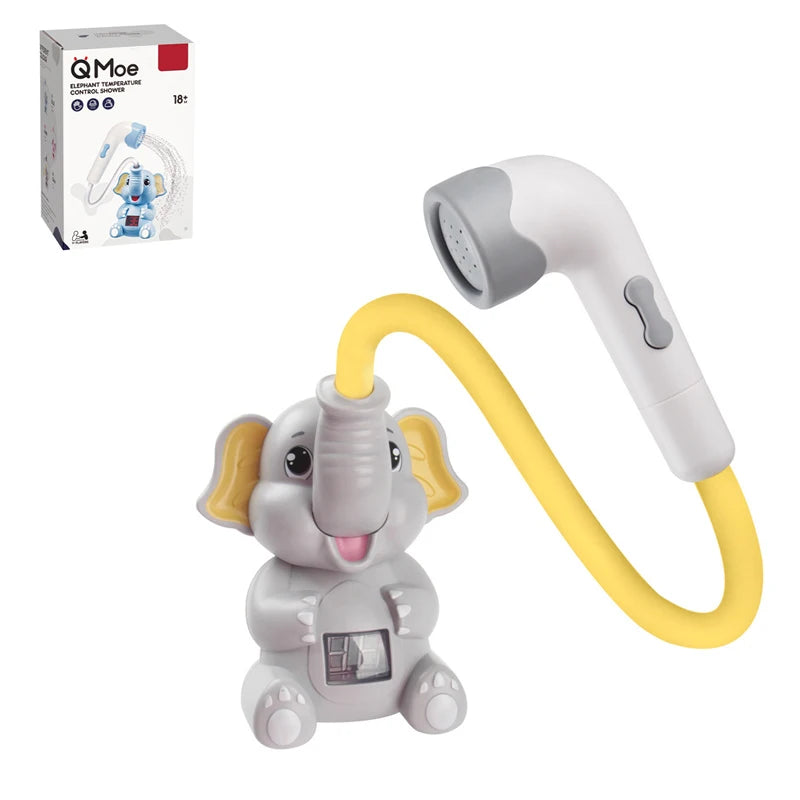
how to make bath fun + diy bath time fun — See it in action.
Easy DIY bath time fun ideas (low-mess, high-joy)
You do not need a large collection of toys to keep a toddler entertained in the bath. Many effective activities use everyday items and focus on exploration, imagination, and simple problem-solving.
- Colorful cups and water transfer: Give toddlers different-sized cups or scoops to pour, fill, and empty. This simple activity introduces concepts like full, empty, more, and less while practicing coordination.
- DIY water spray play: Use a clean, soft squeeze bottle to create gentle sprays. Let toddlers control the direction and distance to practice cause-and-effect learning.
- Floating and sinking experiments: Test bath-safe objects and ask simple questions such as “Will it float?” or “Will it sink?” to encourage curiosity.
- Bath toy rescue games: Hide floating toys under bubbles or behind cups and let toddlers find them. This creates a simple pretend-play adventure.
- Color mixing fun: Use toddler-safe bath crayons or washable bath colors to explore different shades while practicing creativity.
- Bubble counting: Count bubbles together, compare sizes, or pop them during a short sensory game.
- Animal adventures: Turn floating toys into characters with simple stories, such as a boat trip, animal rescue, or underwater exploration.
- Song and movement games: Use a familiar bath song as a cue for washing, rinsing, and finishing the routine.
Benefits of simple DIY bath activities
- Encourage creativity: Open-ended activities allow toddlers to explore instead of following only one way to play.
- Support development: Pouring, sorting, and reaching activities strengthen coordination and problem-solving skills.
- Reduce preparation: Simple activities require fewer supplies and are easier to clean afterward.
- Create connection: Parent-guided play encourages conversation and bonding during the routine.
Best toy features for safe engagement (what to look for)
Direct answer: The best toddler bath toys are easy to clean, made from safe materials, designed without unnecessary small parts, and simple enough for children to use independently with supervision. Features like drainage, secure construction, and soft edges help make bath play safer and more practical.
Feature checklist for safe bath toys for toddlers
- Non-toxic, child-safe materials: Choose toys made from durable materials designed for regular water exposure.
- Easy-drain designs: Toys that allow water to escape are easier to dry and help reduce trapped moisture.
- Secure construction: Avoid toys with loose parts, sharp edges, or components that can separate easily.
- Sealed battery compartments: For electronic toys, battery areas should remain inaccessible and protected from water.
- Simple cleaning: Toys with fewer hidden cavities are easier to maintain between baths.
- Age-appropriate features: Choose toys that match your toddler’s abilities and always supervise water play.
Quick guide: simple vs. interactive bath toys
| Type | Benefits | Considerations |
|---|---|---|
| Cups and scoops | Easy to clean, supports pouring skills, encourages independent play | May need new games to maintain interest |
| Water spray toys | Encourages cause-and-effect learning and active engagement | Choose gentle spray options suitable for toddlers |
| Interactive bath toys | Can add movement and excitement to bath play | Require careful cleaning and safety checks |

how to make bath fun + bathtub play ideas for toddlers — See it in action.
How to build a simple toddler bath time routine
A predictable routine helps toddlers understand what happens before, during, and after bath time. Instead of making the bath only about washing, create a balanced sequence that includes preparation, play, cleaning, and winding down. Consistency can make transitions easier and help children feel more in control.
Before the bath: prepare everything first
- Gather essentials before starting: Place towels, pajamas, toiletries, and bath toys within reach so you do not need to step away once your toddler is in the tub.
- Create a comfortable environment: Keep the bathroom warm, remove unnecessary distractions, and make sure the floor area around the tub is dry to reduce slipping risks.
- Choose the bath activity ahead of time: Offer one or two options, such as pouring games, floating toys, or a water spray toy, so your toddler feels involved in the plan.
During the bath: play, wash, and rinse
- Start with a familiar cue: Use the same short song, phrase, or routine each time to signal that bath time is beginning.
- Allow a few minutes of play first: Let toddlers explore toys or simple activities before washing to help them relax and become comfortable in the water.
- Keep washing separate from play: Explain each step before shampooing, rinsing, or washing to make the process feel predictable instead of surprising.
- Follow your toddler’s comfort level: If your child seems overwhelmed, slow down, offer reassurance, and return to a familiar activity before continuing.
After the bath: dry, dress, and wind down
- Use a consistent ending routine: A warm towel, pajamas, and the same bedtime cue help toddlers recognize that bath time is finished.
- Praise participation: Celebrate small successes, such as getting into the tub, rinsing hair, or trying a new activity.
- Clean and dry toys: Remove excess water from bath toys and allow them to air dry between uses to keep them fresh.
Temperature tools and monitoring
Checking water temperature before every bath helps create a safer and more comfortable experience. A bath thermometer can provide an easy reference, while active supervision remains the most important safety step.
For additional baby care tools, browse Temperature Tools and Monitoring Devices .
Toddler bath safety checklist
Making bath fun and safe for kids requires active supervision, a prepared environment, and age-appropriate toys. Use this checklist before every bath:
- Stay within arm’s reach: Never leave a toddler unattended in the tub, even for a short time.
- Check water temperature first: Water should feel comfortably warm and should be checked before placing your child in the bath.
- Use a non-slip surface: A secure bath mat or non-slip support can help reduce slipping risks.
- Remove choking hazards: Avoid toys with small detachable parts that could be unsafe for young children.
- Inspect bath toys regularly: Check for cracks, damage, trapped water, or areas that are difficult to clean.
- Keep supplies nearby: Have towels, clothing, and toiletries ready before bath time begins.
Frequently asked questions about making bath time fun
- How do I get my toddler to take a bath?
- Make bath time predictable by using the same routine each time, offering small choices, and introducing enjoyable activities. Let your toddler choose between two toys, a song, or a simple game to create a sense of control. Avoid rushing or forcing participation, especially if your child is nervous about the water.
- How can I make bath time fun for toddlers?
- Use simple activities that encourage exploration, such as pouring water between cups, floating toys, pretend play, gentle sprays, or counting games. The most effective bath time tips for toddlers focus on connection, consistency, and age-appropriate play rather than having many toys.
- How long should bath time last for a toddler?
- Many toddler baths can be completed in about 5 to 15 minutes, depending on your child’s needs and comfort level. A shorter, positive experience is often better than extending bath time until your toddler becomes tired or frustrated.
- What can I do if my toddler is afraid of bath water?
- Start with gradual exposure and avoid forcing your child into activities that feel overwhelming. Let your toddler touch the water, play with a cup, or watch a toy float before expecting them to fully participate. Calm reassurance and repeated positive experiences can help build confidence.
- How do I make hair washing easier for a toddler?
- Explain what will happen before washing, use gentle movements, and create a consistent hair-washing routine. Some toddlers prefer holding a towel, looking upward, or using a cup for controlled rinsing instead of having water poured directly over their head.
- What are the safest bath toys for toddlers?
- Safe bath toys for toddlers should be made from child-friendly materials, have no small detachable parts, and be easy to clean and dry. Toys with simple designs, secure construction, and drainage features are generally easier to maintain.
- How often should toddler bath toys be cleaned?
- Bath toys should be rinsed after use and allowed to dry completely between baths. Clean them regularly according to the manufacturer’s instructions, especially toys that can trap water or have hard-to-reach areas.
- What should I do if my toddler refuses to get out of the bath?
- Use a consistent ending routine to make transitions easier. Give a warning before bath time ends, offer a final activity such as putting toys away together, and use the same goodbye phrase each time so your toddler knows what to expect.
Final thoughts — make bath time playful, predictable, and safe
Learning how to make bath time fun for toddlers does not require complicated activities or a large collection of toys. The most effective approach combines simple games, a predictable toddler bath time routine, and safe choices that match your child’s comfort level.
From pouring and sensory play to gentle interactive toys, small moments of exploration can help children feel more confident during bath time. Keep supervision, cleanliness, and safety at the center of every activity, and focus on creating a calm routine that works for your family.
Pillar Article: Keeping Baby Calm Bath: Features That Make Bath Time Stress-Free
Other Related Articles:
Explore More:





