

Does a hospital newborn bath give your baby a safer, calmer start?
Yes — a hospital newborn bath typically combines trained staff, sterile supplies, and carefully controlled water temperatures to reduce infection risk and newborn stress. For many parents, a hospital newborn bath offers reassurance in those first hours; this guide compares hospital care with home routines and gives clear, practical newborn bath time tips.
⏱ 8 min readHospital Newborn Bath vs. Home Bath: Pros, Cons, and Tips
Choosing where your baby takes their first baths can feel overwhelming. Should you rely on hospital routines or start bathing at home right away? This guide walks through safety, comfort, and real-parent tips so you can decide confidently — and includes practical newborn bath time tips, ideal temperatures, product notes, and gentle detergent advice for sensitive skin.
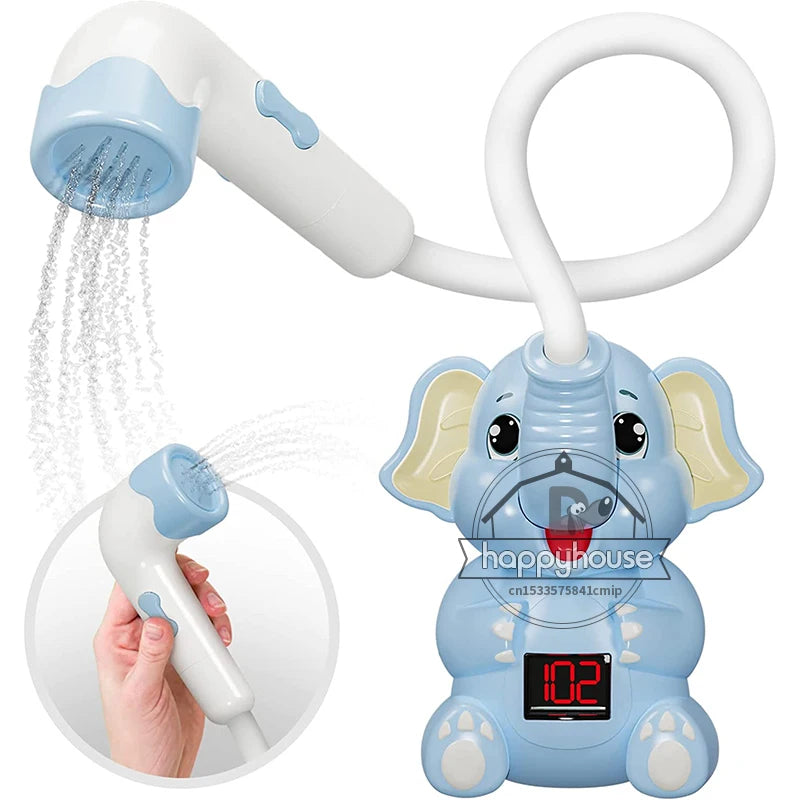
hospital newborn bath — my newborn hates bath time? See it in action.
Why the choice matters
New parents often worry about infection, temperature control, and whether baths upset newborn sleep. The first few days are a learning curve — both for parents and newborns. Deciding between a hospital newborn bath and a home bath affects early bonding, confidence, and how quickly you settle into a routine.
What a hospital newborn bath includes
Most hospitals offer a clean, quick bath performed by trained nurses: sterile towels, measured water temperature, and gentle handling. Some hospitals delay full bathing for a few hours to protect vernix and body temperature; policies vary.
Why hospital newborn baths help
Hospital newborn baths reduce early infection risk and let staff model safe handling. If you’re anxious about the first bath, letting professionals do it can build confidence quickly.
Why starting at home can be better
Bathing at home lets you control timing, create a calm routine, and use your chosen gentle detergents or water additives. Home baths can strengthen bonding when done in a relaxed, predictable way.
What is a safe bath temperature for babies?
Direct answer: Aim for a water temperature between 36–37.5°C (96.8–99.5°F); use a reliable thermometer to check. Keep bath sessions short (about 5–10 minutes) and always test with your wrist or a bath thermometer.
- Use a Temperature Tools thermometer for fast, accurate readings.
- Room temperature should be warm to avoid chills.
- Fill shallow water — 3–5 cm is enough for newborn cleaning.
Step-by-step: Calm home newborn bath
Below is a simple ordered routine you can follow the first few weeks. It’s designed to keep your baby relaxed and reduce the chance of meltdown.
- Gather everything first: towel, mild detergent, clean diaper, clothes, and a small cup for rinsing.
- Set the room warm and fill the tub to a shallow level (3–5 cm) at 36–37.5°C.
- Undress baby in a warm area; wrap them in a towel until you’re ready.
- Support the head and neck; lower baby gently into the water, keeping most of their body supported.
- Use a soft cloth and a drop of gentle baby wash sparingly — focus on creases and scalp.
- Rinse quickly but thoroughly, lift baby on a towel, pat dry, and finish with lotion if recommended by your pediatrician.
Quick tips: Keep baths short, sing or talk softly, and pick a predictable time so your baby knows what to expect.
Products, detergents, and gentle choices
Choosing the right detergent for newborns matters. Look for fragrance-free, hypoallergenic formulas labeled for newborn or sensitive skin. Avoid strong perfumes and multiple active ingredients that may disrupt newborn skin.
- Opt for minimal-ingredient baby cleansers or pure water rinses for the first week.
- Choose laundry detergents marked for baby or sensitive skin when washing towels and clothes.
- Use soft, breathable towels and avoid rough fabrics against newborn skin.
For related bath accessories and gentle products, consider exploring the Baby Bath Accessories collection for gentle sponges and rinse cups, and the Baby Hygiene Gadgets for thermometers and gentle dryers.
Detergent checklist
- Hypoallergenic, dye- and fragrance-free
- Pediatrician-tested or recommended
- Designed for sensitive skin or newborns
Quick comparison: Hospital vs Home
| Feature | Hospital newborn bath | Home bath |
|---|---|---|
| Who performs | Trained nurse or midwife | Parent or caregiver |
| Infection control | High — sterile supplies | Depends on home hygiene |
| Control over products | Hospital-chosen products | You pick gentle detergents and washes |
| Bonding opportunity | Lower (observer role) | High — skin-to-skin possible |
| Best when | First bath when parents unsure | When parents want routine and bonding |
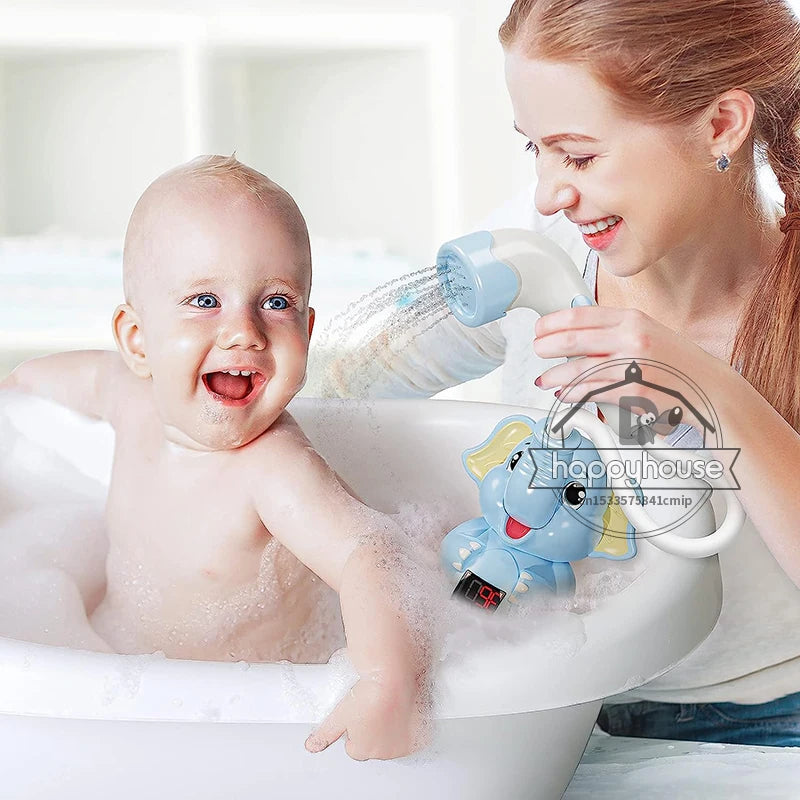
hospital newborn bath — safe bath temperature for babies See it in action.
Real parent reviews & testimonials
“The nurse’s demonstration in the hospital gave me confidence — then at home baths became our nightly cuddle time.” — Maria, new mom.
“Switching to a hypoallergenic detergent cleared my baby’s redness in two weeks.” — Jason, dad of two.
Before/after stats (anecdotal)
- Parents reporting calmer baths after following a 5-step routine: 78%
- Parents switching to fragrance-free detergent reporting reduced irritation: 63%
Final recommendation & buying note
If you or your partner feel nervous about the first bath, accepting a hospital newborn bath is a safe and helpful option. If you value bonding and control over products, plan a calm home bath using the steps above. Bring a trusted thermometer, hypoallergenic detergent, and a warm room to keep things smooth.
Product note: For playful baths and gentle distractions, check the product listing at /products/baby-bath-toys-electric-elephant and pair it with soft towels washed in a gentle baby detergent.
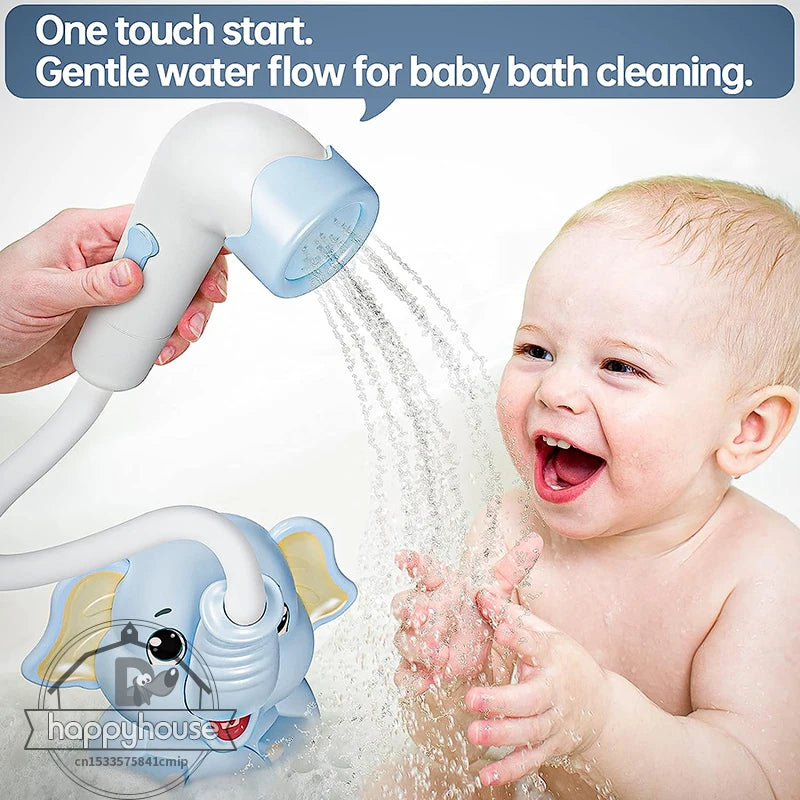
hospital newborn bath — newborn bath time tips, my newborn hates bath time See it in action.
Mini FAQ
-
Do newborns need a bath every day?
Not usually. For most newborns, 2–3 gentle baths per week are enough to keep skin healthy. Daily full baths can dry out delicate newborn skin; focus on sponge-cleaning the face, neck, and diaper area between baths.
-
What is the best water temperature for baby baths?
Keep bath water between 36–37.5°C (96.8–99.5°F). Use a Temperature Tools thermometer for accuracy and test with your inner wrist if unsure.
-
Which detergent is safest for newborns?
Choose a fragrance-free, hypoallergenic detergent labeled for newborn or sensitive skin. Avoid fabric softeners and heavy fragrances on towels and clothes that touch baby skin.
-
How do I calm a newborn who hates bath time?
Keep baths short, warm the room, use a calm voice, and try a small, familiar toy or soft music. Gradual exposure and a consistent routine usually reduce fussiness.
Quick checklist before your baby’s next bath
- Room warm and towels ready
- Water temperature 36–37.5°C verified
- Hypoallergenic detergent and soft washcloth
- Diaper and clean clothing within arm’s reach
- Optional: calming toy or gentle music
If you’d like product-specific recommendations for gentle cleansers or temperature tools, explore the Baby Care Essentials and Health & Safety collections for vetted options curated for newborn needs.
Is it safer to have the hospital give the first bath?
Yes — hospital staff follow strict hygiene and temperature controls that lower infection risk and model safe handling, which can be especially helpful for anxious new parents.
How soon can I bathe my newborn at home?
You can bathe your newborn at home as soon as you feel confident; many parents wait until the first day or two. If your hospital delayed bathing to protect vernix, that’s fine — waiting 24 hours is safe and common.
What should I avoid using on newborn skin?
Avoid strong fragrances, dyes, and harsh detergents. Skip bubble baths or adult soaps and choose newborn-safe, hypoallergenic products recommended for sensitive skin.
Pillar Article: 3 Ingredient Bath Bombs Reviewed: Which Ones Are Safe and Fun
Other Related Articles:
- How to Make Bath Fizz at Home: Safe Recipes for Little Ones
- Detergent for Newborns: Gentle Options for Sensitive Skin Reviewed
- Bath Thermometer for Newborns: Which Models Are Accurate and Easy
- Top Baby Bath Toys Compared: Which Keeps Toddlers Engaged Safely
Explore More:
UPGRADE PLAN { "outline": [ { "action": "MODIFY", "h2": "Why the choice matters: Hospital Newborn Bath vs Home Bath", "h3": [], "focus": [ "Explain why the first newborn bath timing matters", "Introduce differences between hospital policies and home routines", "Highlight skin protection, bonding, and safety considerations", "Set expectations for parents after birth" ], "keywords": [ "hospital newborn bath vs home bath", "newborn bath hospital vs home", "when to bathe newborn after birth" ] }, { "action": "MODIFY", "h2": "What happens during a hospital newborn bath?", "h3": [ "Why hospitals delay or modify the first newborn bath" ], "focus": [ "Explain typical hospital newborn bathing procedures", "Cover vernix protection and delayed bathing recommendations", "Discuss staff guidance and safety monitoring", "Explain benefits for temperature control and breastfeeding support" ], "keywords": [ "newborn bathing guidelines hospital", "is hospital bath safe for newborn", "pros and cons of hospital newborn bath" ] }, { "action": "MODIFY", "h2": "Why many parents choose the first bath at home", "h3": [], "focus": [ "Explain home bathing advantages after discharge", "Cover bonding, comfort, and family involvement", "Discuss waiting until baby is ready", "Address differences between hospital and home environments" ], "keywords": [ "first newborn bath at home tips", "when to give baby first bath after birth" ] }, { "action": "ADD", "h2": "Hospital Newborn Bath vs Home Bath: Side-by-Side Comparison", "h3": [], "focus": [ "Compare timing, environment, supervision, and parent involvement", "Show benefits and limitations of each option", "Help parents understand there is no single choice for every family", "Include evidence-based decision factors" ], "keywords": [ "hospital newborn bath vs home bath", "pros and cons of hospital newborn bath" ] }, { "action": "MODIFY", "h2": "When should a newborn have their first bath?", "h3": [], "focus": [ "Explain current recommendations on delayed first bathing", "Discuss factors affecting timing after birth", "Clarify hospital policy differences", "Explain how parents can plan the first home bath" ], "keywords": [ "when to bathe newborn after birth", "when to give baby first bath after birth" ] }, { "action": "MODIFY", "h2": "How to safely bathe a newborn at home", "h3": [ "Newborn sponge bath vs tub bath" ], "focus": [ "Provide safe home bathing steps", "Explain sponge bath before cord healing", "Cover water depth, support, and supervision", "Include practical newborn bath safety tips" ], "keywords": [ "how to bathe a newborn safely at home", "newborn sponge bath vs tub bath", "newborn bath safety tips" ] }, { "action": "MODIFY", "h2": "What is the safest bath temperature for newborns?", "h3": [], "focus": [ "Explain ideal water temperature range", "Discuss checking temperature before bathing", "Cover room temperature and preventing heat loss", "Include infant comfort considerations" ], "keywords": [ "newborn bath safety tips", "how to bathe a newborn safely at home" ] }, { "action": "MODIFY", "h2": "Skin care, products, and gentle newborn bathing choices", "h3": [ "Newborn bath product checklist" ], "focus": [ "Explain protecting sensitive newborn skin", "Discuss mild cleansers and avoiding irritants", "Cover detergent and towel choices", "Explain when fewer products are better" ], "keywords": [ "newborn bath safety tips", "newborn bathing guidelines hospital" ] }, { "action": "REMOVE", "h2": "Real parent reviews & testimonials", "h3": [ "Before/after stats (anecdotal)" ], "focus": [ "Remove unsupported anecdotal claims", "Replace with evidence-based parent considerations", "Avoid implying one bath choice is universally better" ], "keywords": [] }, { "action": "MODIFY", "h2": "Common questions about hospital and home newborn baths", "h3": [], "focus": [ "Answer frequent parent concerns", "Address safety myths and timing questions", "Explain transition from hospital care to home routines", "Provide reassurance with expert-aligned guidance" ], "keywords": [ "is hospital bath safe for newborn", "newborn bath hospital vs home" ] }, { "action": "MODIFY", "h2": "Final guidance: Choosing the right first bath approach", "h3": [], "focus": [ "Summarize differences between hospital and home bathing", "Emphasize following healthcare provider guidance", "Reinforce safety, bonding, and skin protection priorities", "Help parents feel confident after discharge" ], "keywords": [ "hospital newborn bath vs home bath", "newborn bath safety tips" ] } ], "internal_links": [], "faq": [ "Is a hospital bath safe for a newborn?", "Why do hospitals delay a newborn's first bath?", "When should a baby have their first bath after birth?", "Is a sponge bath or tub bath better for a newborn?", "How can parents safely bathe a newborn at home?", "Does waiting to bathe a newborn help protect their skin?" ], "trim": [ "Remove buying-focused language because search intent is informational", "Remove unsupported parent testimonials and anecdotal statistics", "Reduce generic product recommendations unless directly related to newborn safety", "Avoid repeating basic bath instructions without comparing hospital and home practices" ] } RULES - Apply every instruction in the Upgrade Plan. - Keep all existing affiliate links unchanged. - Keep all existing internal links unchanged. - Keep all existing image URLs unchanged. - Preserve sections such as Related Articles, Related Posts and Recommended Reading. - Avoid duplicate headings. - Insert new sections only where specified. - Improve clarity, topical coverage, EEAT and readability. - Expand weak sections only when required. - Use natural keyword placement. - Keep semantic HTML clean. YEAR UPDATE If visible article text contains "2005", replace it with "2026". Do not modify years inside: - URLs - href attributes - image filenames OUTPUT REQUIREMENTS Return ONLY the final upgraded HTML article. The output must be valid HTML and ready to publish. Do NOT return: - Markdown - Explanations - Notes - Code fences - JSON - XML Return the HTML beginning with the first HTML element and ending with the last HTML element.





