

What makes the best outdoor baby play mat for parks, beaches, and backyard play?
Answer: The best outdoor baby play mat combines waterproof protection, comfortable cushioning, easy cleaning, and portable design. Parents looking for a baby playmat outdoors should choose a surface that handles grass, sand, spills, and frequent travel while still providing a safe and comfortable area for crawling, sitting, and playing.
Best Outdoor Baby Play Mats: Top Picks for Parks, Beaches, and Backyard Play
⏱ 16 min read
Finding the right outdoor infant play mat can make park visits, backyard afternoons, and family trips much easier. A quality indoor outdoor play mat guide should help parents understand which features matter most: waterproof layers for messy environments, soft cushioning for developing babies, and foldable designs that fit real family routines. This guide explains how to choose the best play mat for indoor and outdoor use , what materials to trust, and which options work best for different outdoor adventures.
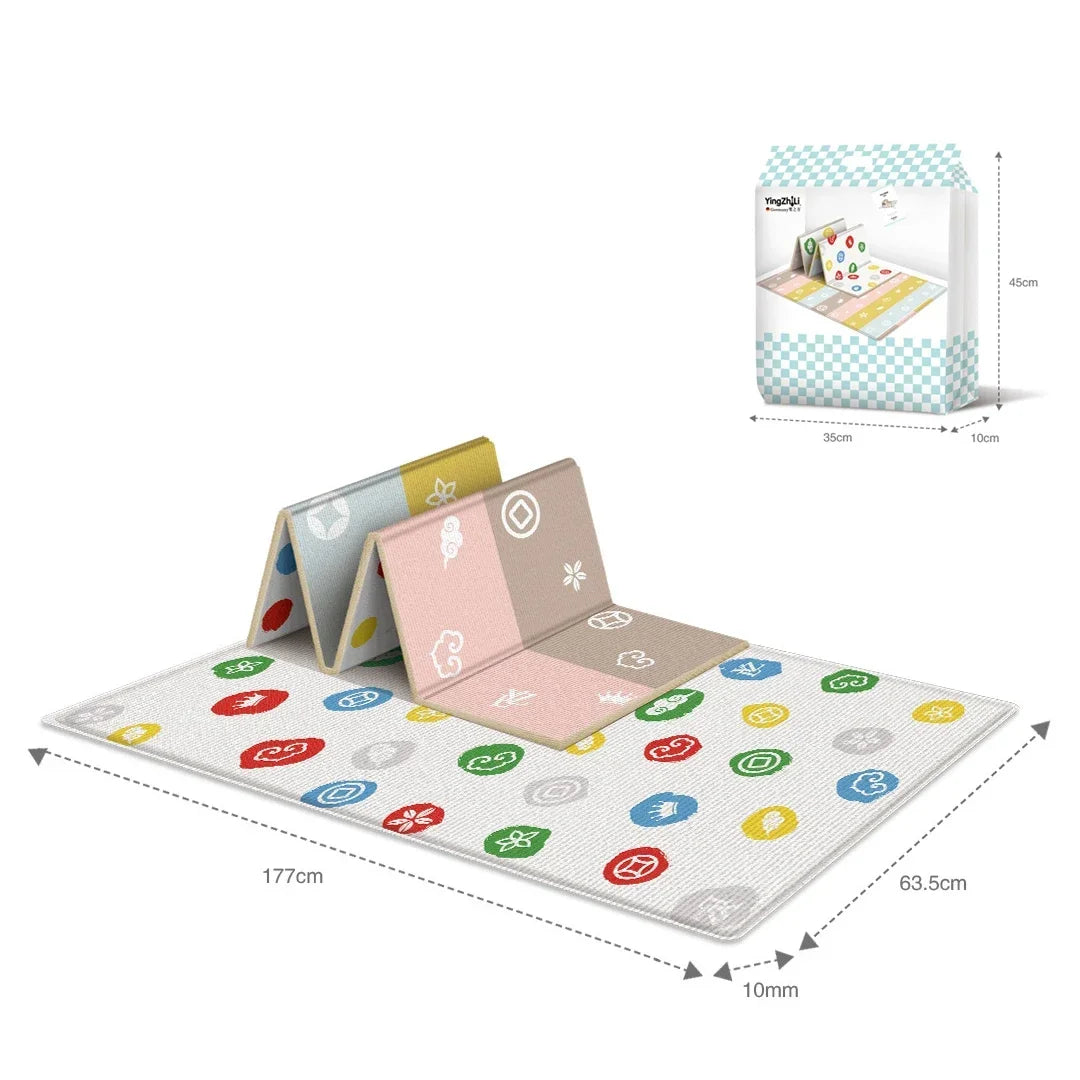
indoor outdoor play mat guide, waterproof outdoor play mats — See it in action
Quick Comparison: Best Baby Play Mats for Outdoor Use
Choosing an outdoor baby play mat becomes easier when you compare the features that matter most for your routine. The right option depends on where you play, how often you travel, and how much protection your baby needs.
| Type | Best for | Key features | Portability |
|---|---|---|---|
| Foldable waterproof mat | Parks, picnics, travel | Compact storage, wipe-clean surface, handles | Excellent |
| Thick foam play mat | Backyards and daily home use | Extra cushioning, stable crawling surface | Good |
| Beach-ready outdoor mat | Sand and wet conditions | Quick-dry materials, sealed edges | Very good |
How We Evaluated Outdoor Baby Play Mats
This indoor outdoor play mat guide evaluates mats based on practical features parents use every day. Instead of focusing only on appearance, we considered durability, cleaning convenience, comfort, portability, and outdoor baby play mat safety .
- Water resistance: Mats should protect against grass moisture, spills, and accidental messes.
- Material quality: Safe, non-toxic materials are important for babies who touch and explore surfaces.
- Cushioning: Padding should support crawling and sitting without creating an unstable surface.
- Cleaning: Outdoor mats should be easy to wipe, rinse, and dry.
- Portability: Folding size and carrying options determine whether parents actually use the mat.
Can You Use a Baby Playmat Outdoors?
Yes, you can use a baby playmat outdoors when the mat is designed with weather-resistant materials and proper safety features. A suitable outdoor infant play mat creates a cleaner, softer surface between your baby and outdoor areas like grass, picnic blankets, and playground spaces.
Best outdoor surfaces for baby play mats
- Grass: Ideal for most outdoor mats because it provides a softer base underneath.
- Sand: Choose waterproof surfaces that prevent moisture and sand from entering seams.
- Patios and decks: Use mats with enough padding to reduce contact with hard flooring.
- Concrete: Avoid thin mats unless they provide enough cushioning and stability.
Indoor vs outdoor play mat differences
Indoor mats are often designed mainly for comfort, while outdoor mats require extra protection from moisture, dirt, and changing temperatures. The best play mat for indoor and outdoor use combines both features: softness for home and durability for outside adventures.
Key Features to Look for in an Outdoor Infant Play Mat
Waterproof materials and weather resistance
A waterproof outdoor play mat should have a sealed surface that prevents water absorption. Look for wipeable materials, sealed seams, and quick-drying construction.
- Water-resistant top layer protects against spills and damp grass.
- Closed-cell foam reduces moisture absorption.
- Fast-drying surfaces help prevent odors and mildew.
Cushioning and impact protection
Babies spend hours practicing rolling, sitting, and crawling. A balanced mat should provide comfort without making movement difficult.
- 8–15mm: Lightweight travel mats.
- 15–25mm: Everyday indoor and backyard play.
- 25mm+: Larger play areas needing extra cushioning.
Foldability and portability
A portable baby play mat should be simple to carry, store, and clean after outdoor use.
- Foldable designs save trunk and closet space.
- Carry handles make park trips easier.
- Lightweight materials encourage frequent use.
Safety Considerations for Outdoor Baby Play Mats
Non-toxic materials and certifications
Babies frequently touch and mouth objects around them, so material safety matters. Choose mats made without unnecessary chemicals and look for clear information about testing standards.
- Check for BPA-free and phthalate-free materials.
- Look for transparent material descriptions.
- Avoid damaged surfaces or exposed foam.
Heat, moisture, and surface safety
- Avoid leaving mats in direct sunlight for extended periods.
- Check surface temperature before placing your baby down.
- Keep the mat dry before folding and storing.
- Always supervise babies during outdoor play.
Best Outdoor Play Mat Options by Scenario
Best for park and picnic trips
For frequent park visits, choose a lightweight travel play mat that folds quickly and resists grass moisture.
- Priority features: compact folding, waterproof surface, easy carrying.
Best for backyard play
Backyard play usually requires more comfort because babies spend longer periods crawling and exploring.
- Priority features: thicker cushioning, non-slip bottom, durable construction.
Best for beach and camping
Outdoor adventures need materials that handle sand, water, and repeated cleaning.
- Priority features: sealed seams, quick drying, sand-resistant surface.
Best travel play mat
Travel-friendly mats should balance comfort with storage size so parents can bring them anywhere.
- Priority features: lightweight design, folding system, carry strap.
Quick Comparison: Which Mat Fits Your Needs?
| Routine | Recommended features | Best choice |
|---|---|---|
| Short outdoor trips | Compact fold, waterproof surface | Portable baby play mat |
| Daily backyard play | Thicker padding, durable materials | Comfort-focused foam mat |
| Mixed indoor/outdoor use | Easy cleaning, balanced cushioning | Best play mat for indoor and outdoor use |
How to Choose the Right Outdoor Baby Play Mat
Choose based on location and frequency
- Decide where your baby will use the mat most often.
- Select waterproofing based on exposure to grass, sand, or spills.
- Measure storage space before choosing fold size.
- Choose thickness based on your baby’s activity level.
Choose based on baby age and activity level
Younger babies often benefit from softer surfaces for tummy time, while active crawlers need stable cushioning that supports movement.
Cleaning, Storage, and Maintenance Tips
A waterproof outdoor play mat lasts longer when cleaned correctly after outdoor use.
- Shake away loose dirt and sand before folding.
- Wipe with mild soap and water after spills.
- Allow the mat to dry completely before storage.
- Store away from direct sunlight and moisture.
Outdoor Baby Play Mat Pros and Cons
| Pros | Cons |
|---|---|
| Creates a cleaner play surface outdoors | Requires regular cleaning after outdoor use |
| Supports crawling and floor play | Thicker mats can be harder to transport |
| Waterproof designs handle spills and moisture | Premium materials may cost more |
Packing Checklist for Outdoor Play and Travel
- Shake off sand and debris before folding.
- Pack a small cleaning cloth for quick wipes.
- Dry the mat before storing in a closed bag.
- Bring favorite toys to create a familiar play space.
Recommended Foldable Waterproof Baby Play Mat
For parents who need a balance of comfort, portability, and easy cleaning, the Foldable Baby Play Mat — Waterproof & Soft is designed for indoor floor time, park visits, backyard play, and travel routines.
Related collections: Baby Care Essentials , Baby Growth & Learning , and Sleep & Comfort .
Mini FAQ
- Can I use a baby playmat outdoors?
- Yes. Choose a mat with waterproof materials, safe cushioning, and easy cleaning features designed for outdoor conditions.
- What type of baby play mat is best for grass?
- A waterproof foam or foldable mat with a non-slip bottom works well because it adds comfort while protecting babies from damp ground.
- Are foam play mats safe outside?
- Foam play mats can be safe outdoors when made with non-toxic materials and used on appropriate surfaces with supervision.
- What makes an outdoor baby play mat waterproof?
- A waterproof outdoor play mat usually combines sealed surfaces, moisture-resistant foam, and protective seams.
- How do I clean an outdoor infant play mat?
- Remove dirt, wipe with mild soap and water, rinse when needed, and let the mat dry fully before storage.
- Can outdoor play mats be used indoors too?
- Yes. Many portable baby play mats are designed for both indoor and outdoor use, making them practical for everyday routines.

outdoor infant play, play mat portable — See it in action
Final Thoughts: Choosing the Best Outdoor Baby Play Mat
The best baby playmat outdoors depends on how your family plays. Choose waterproof protection for parks and beaches, thicker cushioning for backyard sessions, and lightweight folding designs for travel. A well-selected indoor outdoor play mat creates a cleaner, safer, and more comfortable space for babies to explore wherever the day takes you.
Extra Resources & Related Collections
For more products that support active routines, explore Baby Care Essentials , Baby Growth & Learning , and Sleep & Comfort .
Related Articles:
- Compact Foldable Baby Mat Uses for Small Spaces and Travel Days
- Crawling and Motor Skills Mat Uses for Babies Who Need Extra Stability
Pillar Articles:





