

Does creating a safe play area at home really make daily life easier for parents?
Answer: Creating a safe play area at home makes daily routines easier by reducing household hazards, supporting early development, and giving babies a consistent space for supervised exploration. A well-planned indoor play area for babies combines a safe floor, organized toys, clear supervision, and age-appropriate activities to help parents feel more confident during playtime.
How to Create Safe Play Area at Home: Step-by-Step Parent Guide
Learning how to create safe play area at home starts with more than placing toys on the floor. The best baby play spaces support movement, sensory learning, and independence while reducing common risks like falls, choking hazards, and unsafe surfaces. This guide explains how to design a baby-safe play space with practical steps for choosing the right location, preparing a tummy time safe surface, and building a setup that grows with your child.
⏱ 14 min read
Why a Safe Play Area for Baby at Home Matters
A dedicated safe play area for baby at home gives children a predictable environment where they can practice new skills while parents create safer daily routines. Instead of constantly moving hazards away or interrupting exploration, caregivers can prepare a space designed around the baby’s current abilities and changing developmental needs.
An effective indoor play area for babies supports physical growth, sensory discovery, and early independence. From newborn tummy time to toddler movement, the goal is not to restrict exploration—it is to create a safer environment where exploration can happen.
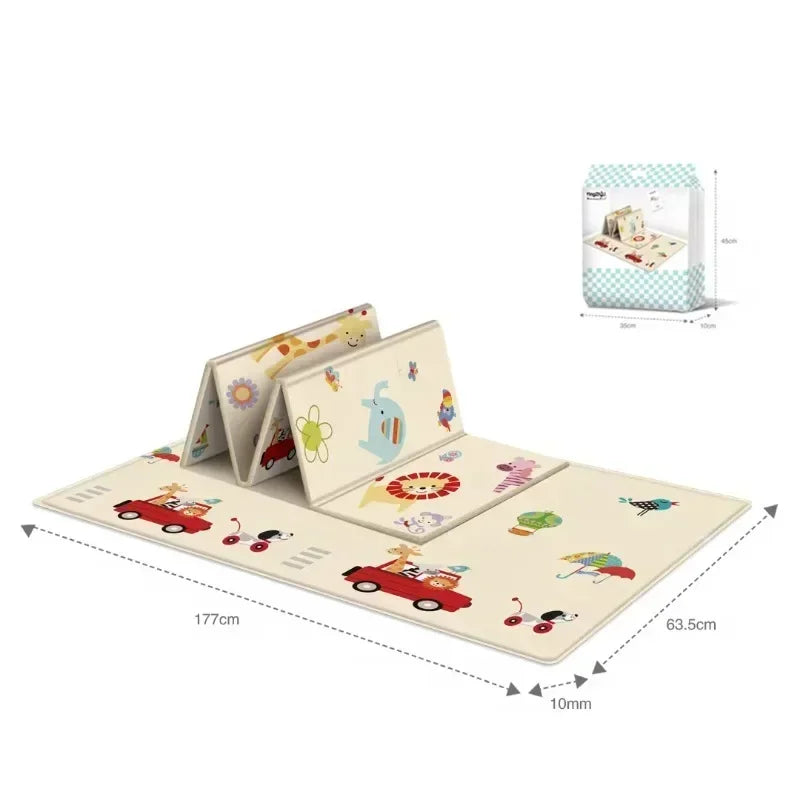
how to create safe play area + sensory surface, tummy time on hard or soft surface See it in action
Developmental benefits
- Encourages tummy time, rolling, crawling, and reaching practice.
- Provides different textures and surfaces for sensory exploration.
- Supports confidence as babies learn to move independently.
- Creates opportunities for age-appropriate play without unnecessary distractions.
Injury prevention
One of the most important baby play area safety tips is removing preventable risks before play begins. A properly prepared area helps reduce exposure to sharp corners, unstable furniture, loose cords, slippery floors, and small objects that may become hazards.
A safe setup does not replace supervision, but it gives parents more time to focus on interaction instead of constantly reacting to dangers.
Independent play and supervision
A defined play zone helps babies learn that certain areas are designed for discovery. For parents, a clear play boundary creates better visibility and makes it easier to stay nearby while completing everyday tasks.
Whether you are preparing a newborn corner, a crawling zone, or a toddler-friendly space, the safest approach is to adjust the environment as your child develops.
Common challenges a safe play space solves
Many families struggle with toys spreading throughout the home, unclear boundaries, difficult cleanups, and worries about everyday accidents. A thoughtfully designed play area solves these problems by combining safe flooring, organized storage, and simple routines.
How to Create a Safe Play Area at Home
Creating a baby-safe play space begins with choosing the right location and preparing the environment before adding toys. The best play areas are easy to supervise, comfortable for movement, and simple to maintain.
Choose the best location
Select an area where you can maintain a clear line of sight while your baby plays. Living rooms, open bedroom corners, and enclosed indoor spaces often work well because parents can stay close while handling daily activities.
- Choose a flat surface away from heavy foot traffic.
- Avoid areas near stairs, kitchens, heaters, or unstable furniture.
- Keep the play zone close enough for frequent supervision.
- Consider natural lighting and ventilation for comfort.
Measure and define the play zone
Before buying equipment or arranging toys, measure the available space and create separate areas for movement, storage, and caregiver access.
- Measure the floor area available for play.
- Create enough room for rolling, crawling, and reaching activities.
- Leave space around the edges for parents to sit or move safely.
- Use storage baskets or shelves to keep toys organized.
Baby-proof before adding toys
A common mistake is adding toys before checking the environment. A baby proof play area should be prepared first by removing hazards and securing anything within reach.
- Cover unused outlets and secure electrical cords.
- Remove small objects that could become choking hazards.
- Secure furniture that could tip over.
- Check that flooring does not slide or create trip risks.
Final safety inspection
Before each new developmental stage, review the space from your baby’s perspective. Get down to floor level and look for anything within crawling or reaching distance.
Quick inspection checklist:
- Are there loose parts, cords, or sharp edges nearby?
- Is the play surface clean, stable, and comfortable?
- Can you supervise the entire area easily?
- Does the setup match your baby’s current abilities?
Quick scenario: Small apartment solution
For smaller homes, a flexible setup works best. A foldable play mat and movable storage bins can create a temporary play zone that is easy to pack away. Using one dedicated corner helps babies recognize their play area while keeping shared living spaces organized.
Related collection: Baby Growth & Learning
Create a Sensory Play Area That Is Safe
Direct answer: A safe sensory play area setup combines comfortable surfaces, age-appropriate textures, and organized toys to encourage learning without creating unnecessary risks. Sensory experiences help babies explore touch, movement, and coordination while developing early motor skills.
A good sensory space does not need to be complicated. Simple changes, such as offering different textures on a clean play surface and rotating a few suitable toys, can create meaningful learning opportunities.
Sensory play area setup
- Choose a stable, clean surface that supports movement.
- Add a small selection of toys with different textures, shapes, and sounds.
- Keep the area open enough for rolling, stretching, and crawling.
- Place toys within reach to encourage safe exploration.
Safe textures and tummy time surface
During tummy time, babies need a surface that is supportive enough for pushing and lifting while still providing comfort. A tummy time safe surface should be firm, clean, and cushioned without allowing the baby to sink into it.
Practical tummy time how-to (steps)
- Choose a flat sensory surface with moderate cushioning.
- Start with short sessions several times throughout the day.
- Place toys nearby to encourage head lifting and reaching.
- Adjust positions as your baby gains strength.
- Always supervise tummy time closely.
Rotation without clutter
Too many toys can overwhelm babies and make cleaning difficult. Rotate a small number of toys regularly to keep the play area engaging while maintaining a safer, more organized environment.
- Do: Use clean textures and age-appropriate toys.
- Do: Inspect toys regularly for damage.
- Don't: Leave loose small items accessible to babies.
- Don't: Use soft objects that interfere with safe supervised play.
Choose the Best Safe Floor for Baby Play
Choosing a safe floor for baby play requires balancing cushioning, stability, hygiene, and your baby’s developmental stage. The right surface should support tummy time, crawling, and early movement while reducing the impact of small falls during supervised play.
Different flooring options work better for different homes. A newborn may need a comfortable tummy time safe surface, while an active toddler may benefit from a larger, more durable play zone.
| Surface | Best for | Advantages | Limitations |
|---|---|---|---|
| Foam interlocking tiles | Large indoor play areas and toddlers | Provides strong cushioning, covers large spaces, and allows customized layouts | Seams may collect dirt and some surfaces can become slippery |
| Foldable waterproof play mat | Infants, tummy time, crawling, and flexible spaces | Easy to move, wipe clean, store, and use across different rooms | Very thin versions may provide less protection during bigger falls |
| Hardwood or laminate flooring with a mat | Homes needing easy cleaning and simple maintenance | Durable, easy to sanitize, and works well with a protective play surface | Hard surfaces alone provide little cushioning for falls |
| Thick area rug with padding | Comfort-focused living spaces | Adds warmth, reduces noise, and creates a softer play zone | Can hold stains, dust, and allergens if not cleaned regularly |
Foam mats vs rugs vs hardwood
Foam mats are often useful for toddlers who move quickly and need more impact protection. Rugs can make a room feel comfortable but usually do not provide the same structured support for crawling and rolling. Hardwood and laminate floors are easy to clean but should be paired with a cushioned surface for babies.
For many families, a portable play mat for babies provides the best balance because it can move between rooms, support supervised activities, and simplify cleaning routines.
Tummy time safe surface
A tummy time safe surface should be firm enough for babies to push against while still providing comfort. Extremely soft surfaces may make it harder for infants to practice lifting their heads, shifting weight, and strengthening muscles.
- Choose a flat surface that does not sink under your baby’s weight.
- Use clean, non-slip materials that stay stable during movement.
- Provide enough space for stretching, rolling, and reaching.
- Always supervise tummy time and adjust the setup as skills develop.
Cleaning and slip resistance
Hygiene is an important part of baby play area safety tips. Babies frequently touch the floor, place toys in their mouths, and explore surfaces with their hands, so flooring should be easy to maintain.
- Select wipe-clean materials for areas used every day.
- Check regularly for loose edges, damaged surfaces, or slippery areas.
- Clean spills quickly to prevent slipping.
- Follow manufacturer cleaning instructions to protect materials.
Shopping hint: Prioritize baby-safe materials, durable construction, and surfaces that remain stable during active play.
Design a Safe Outdoor Infant Play Area
An outdoor infant play area gives babies opportunities to experience fresh air, natural sounds, and new textures. However, outdoor spaces require extra planning because weather, insects, uneven ground, and changing temperatures can create additional risks.
A safe outdoor setup should include protection from direct sunlight, a clean play surface, clear boundaries, and close supervision.
Sun and weather protection
- Choose shaded areas or use a canopy to reduce direct sun exposure.
- Dress babies appropriately for temperature and weather conditions.
- Avoid outdoor play surfaces that become excessively hot.
- Move indoor play equipment outside only when it is suitable for outdoor use.
Safe ground surfaces
The ground beneath an outdoor play area should be stable, clean, and comfortable for movement. Uneven grass, gravel, or hard pavement can make crawling and sitting practice more difficult.
- Use a waterproof outdoor mat or suitable play surface.
- Check the area for sticks, stones, insects, and debris before play.
- Create a boundary that separates the baby’s space from pets or high-traffic areas.
Portable outdoor setup
A flexible outdoor infant play area does not need to be complicated. A portable mat, a few age-appropriate toys, and a safe shaded location can create a simple environment for supervised exploration.
- Select a flat area close to your home.
- Place a clean, stable play surface on the ground.
- Add a portable boundary if needed for pets or siblings.
- Bring only a few safe toys to avoid clutter.
Related collection: Health & Safety
Baby-Proof the Play Area Checklist
Before adding toys or activities, complete a baby proof play area inspection. Babies explore by touching, pulling, crawling, and putting objects in their mouths, so hidden household hazards should be addressed early.
Furniture and tip-over risks
- Secure bookshelves, cabinets, and televisions to prevent tipping.
- Move unstable furniture away from the play zone.
- Use corner protection on sharp furniture edges.
- Keep heavy objects stored safely out of reach.
Electrical and cord safety
- Cover unused electrical outlets.
- Keep charging cables and cords away from crawling areas.
- Secure window blind cords and other hanging items.
- Remove electronic devices that can be pulled down.
Choking hazards
- Inspect toys regularly for loose pieces or damage.
- Avoid small objects that are unsafe for your child’s age.
- Store older children’s toys separately when necessary.
- Keep small household items away from the play surface.
Pet and sibling considerations
- Supervise interactions between babies, pets, and siblings.
- Create clear boundaries for toys and personal spaces.
- Keep pet food, water bowls, and litter areas away from baby play zones.
- Teach older children how to interact safely during playtime.
Quick toy-safety rules
- Check toys for broken parts before each rotation.
- Choose toys that match your baby’s developmental stage.
- Rotate toys to maintain interest while reducing clutter.
- Review safety needs as your child learns new skills.
Cleaning and Maintaining a Safe Play Space
A safe play area for baby at home stays effective when cleaning and safety checks become simple habits. Regular maintenance improves hygiene, helps prevent hidden hazards, and keeps the space ready for daily exploration as your baby grows.
Daily cleaning routine
- Wipe the play surface after spills, drooling, meals, or messy sensory activities.
- Return toys to designated storage areas to reduce clutter and choking risks.
- Scan the floor for small objects, loose parts, cords, or items that do not belong in the play zone.
- Check that frequently used toys remain intact without cracks, tears, or loose pieces.
Weekly safety inspection
- Deep-clean waterproof play mats using mild soap and water according to the manufacturer's instructions.
- Vacuum around the play area, under furniture, and along edges where dust and small items collect.
- Inspect baby gates, furniture anchors, storage bins, and floor surfaces for damage or movement.
- Rotate toys and remove items that no longer match your baby's developmental stage.
When to replace or update play area items
Replace worn mats, damaged toys, or unstable storage pieces before they become safety concerns. As babies move from tummy time to crawling and walking, the safest play space changes too. A layout that works for a newborn may need more open movement space and stronger boundaries for an active toddler.
Age-by-Age Safe Play Area Setup
Newborn (0–3 months)
- Create a calm indoor play area for babies with a firm, clean tummy time safe surface.
- Keep the setup simple with a few high-contrast toys and enough open space for supervised movement.
- Place essentials nearby so caregivers can stay close during floor play.
Rolling and sitting (4–6 months)
- Expand the play zone as your baby begins reaching, rolling, and exploring different directions.
- Add toys that encourage grasping, turning, and supported sitting practice.
- Check surrounding furniture and objects because increased movement creates new hazards.
Crawling (7–12 months)
- Increase floor space for crawling, pivoting, and pulling up.
- Secure furniture, cover outlets, and remove small objects from reachable areas.
- Use toy rotation to encourage exploration without overcrowding the play area.
Cruising and toddlers
- Adjust boundaries as mobility improves and your child begins standing or climbing.
- Choose durable flooring that supports active play while reducing impact from falls.
- Create safe independence by keeping approved toys accessible and unsafe items out of reach.
Create a Sensory Play Area That Is Safe
A well-designed sensory play area setup encourages learning through touch, movement, and exploration while keeping the environment organized. The goal is not to fill the space with toys, but to provide safe opportunities for babies to discover different textures, sounds, and movements.
Sensory play area setup
- Use a clean, stable play surface that supports rolling, reaching, and crawling.
- Add a small selection of age-appropriate sensory toys instead of placing everything on the floor at once.
- Create clear zones for active movement, quiet exploration, and toy storage.
Safe textures and toys
Choose toys with different textures, shapes, and sounds that encourage exploration without creating unnecessary hazards. Inspect toys regularly and follow age recommendations, especially for small parts that may become choking risks as babies begin putting objects in their mouths.
Rotation without clutter
Too many toys can overwhelm babies and make supervision harder. Rotate a few items every several days to keep the play area interesting while maintaining a clean, manageable environment.
Related resources: Sensory Play for 7 Month Old: Easy Activities for Everyday Learning and Motor Skills and Fine Motor Skills: How to Support Baby Play Sessions
Baby-Proof the Play Area Checklist
A baby proof play area requires more than a soft floor. Babies explore by reaching, grabbing, pulling, and putting objects in their mouths, so regular safety checks help remove hidden household hazards before they become problems. Use these baby play area safety tips to create a space that supports exploration while reducing avoidable risks.
Furniture and tip-over risks
- Anchor bookshelves, televisions, and tall furniture securely to walls.
- Keep unstable lightweight furniture, floor lamps, and decorative items outside the play zone.
- Place heavy items on lower shelves and keep climbing temptations away from active play areas.
- Inspect furniture anchors regularly as babies become stronger and more mobile.
Electrical and cord safety
- Cover unused electrical outlets with child-safe covers.
- Secure charging cables, lamp cords, and appliance cords out of reach.
- Position play areas away from heaters, fans, and accessible electrical devices.
- Check that baby monitors and other devices have safely managed cords.
Choking hazards
- Remove small objects that can fit through a toilet paper roll opening.
- Inspect toys regularly for loose parts, broken pieces, or damaged materials.
- Choose toys that match your baby's current developmental stage.
- Keep older siblings' small toys stored separately from the baby play area.
Pet and sibling considerations
- Create clear boundaries so pets cannot enter the play area without supervision.
- Teach siblings how to interact safely around babies during floor play.
- Never leave babies and pets together unattended, even if they are usually comfortable around each other.
- Keep pet food, water bowls, and toys outside the baby's reachable area.
For additional guidance, explore related resources on Baby Care Tips & Advice , safe tummy time practices, and age-appropriate baby activities.
Mini-FAQ
How do I create a safe play area for my baby at home?
Create a safe play area for your baby at home by choosing a supervised location, adding a firm cushioned play surface, removing hazards, organizing age-appropriate toys, and checking the space regularly as your baby develops new skills.
What is the safest floor for baby play?
The safest floor for baby play is typically a clean, firm, cushioned surface that supports movement while reducing the impact of small falls. A portable play mat for babies with a waterproof, non-slip surface can work well for many homes because it is easy to clean and move.
What should I avoid putting in a baby's play area?
Avoid small choking hazards, unstable furniture, loose cords, sharp objects, unsafe toys, and anything that could tip, break, or become accessible as your baby starts crawling and standing.
How often should I inspect and clean a baby play area?
Check the play area daily for visible hazards and clean frequently touched surfaces as needed. A deeper inspection of toys, flooring, furniture, and safety equipment should be done weekly or whenever your baby's abilities change.
When should I change my baby's play area as they grow?
Update your baby's play area whenever they reach a new milestone, such as rolling, crawling, pulling up, or walking. More mobility usually requires larger play zones, stronger boundaries, and additional childproofing.
Can babies safely play outside on a play mat?
Yes, babies can play outside on a suitable play mat when the area is shaded, clean, weather-appropriate, and fully supervised. Check the surface temperature, protect your baby from direct sun exposure, and bring the mat indoors if it becomes dirty or damaged.
Related Articles:
- Sensory Play for 7 Month Old: Easy Activities for Everyday Learning
- Floor Mats Cleaning Guide for Fast Daily Baby-Safe Refresh
- Motor Skills and Fine Motor Skills: How to Support Baby Play Sessions
- Portable Baby Mat for Travel Review: Lightweight Picks Compared
Pillar Articles:





