

Does the best indoor play mat for babies really make floor time safer and easier?
Yes. A high-quality indoor play mat for babies creates a safer, cleaner, and more comfortable space for tummy time, rolling, crawling, and early play. The best options combine supportive cushioning, a waterproof surface for quick cleanup, non-slip stability on hard floors, and durable materials that make everyday baby care easier while encouraging healthy motor development.
Best Indoor Play Mat for Babies: Top Picks for Safe Baby Floor Time
⏱ 7 min read
Finding the best indoor play mat for babies is about more than adding a soft surface to your living room. The right baby play mat indoor setup cushions growing joints during tummy time, protects little ones from hard floors, simplifies cleanup after everyday messes, and creates a dedicated play area that encourages independent exploration. In this guide, we'll compare the most popular indoor play mat styles, explain what features matter most, and help you choose the safest option for your family's needs.
Why Indoor Play Mats Make Baby Floor Time Safer and Easier
Direct answer: A quality indoor play mat protects babies from hard flooring, creates a dedicated play space, and supports important developmental milestones including tummy time, rolling, sitting, and crawling. Waterproof, cushioned designs also reduce cleanup time, making daily play more enjoyable for both parents and babies.
Many parents worry about hardwood, tile, or laminate floors that feel cold and unforgiving during early development. A purpose-built baby play mat indoor solution provides cushioning that helps absorb minor bumps while creating a stable surface for practicing new movement skills.
Beyond comfort, a defined play area helps keep toys organized, reduces distractions, and encourages supervised independent play. Choosing a waterproof, easy-to-clean surface also makes everyday spills, drool, and snack messes much easier to manage than traditional rugs or blankets.
Which baby gear suits your newborn best? Read on!
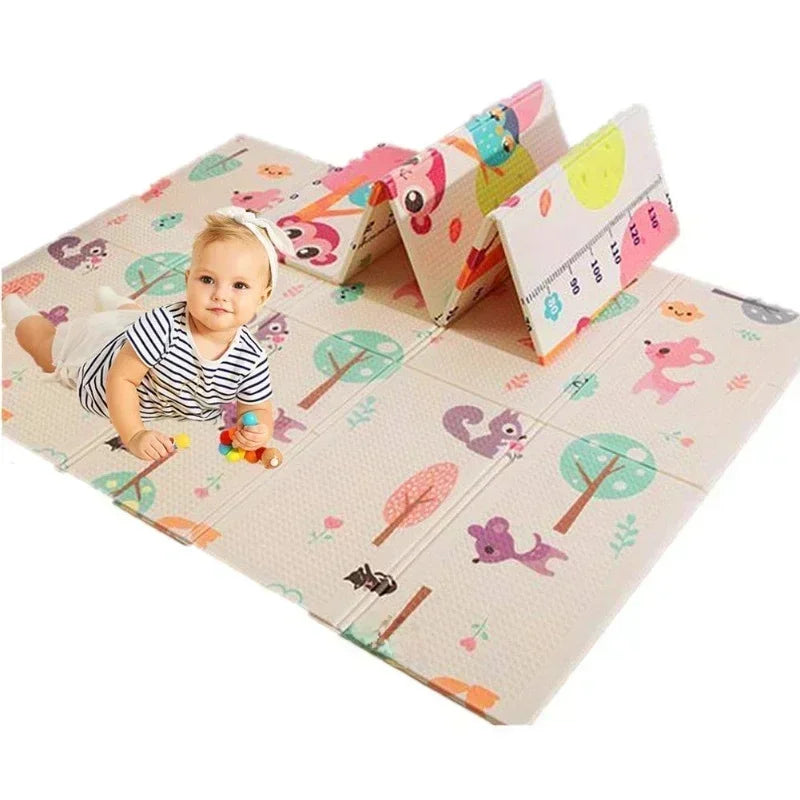
Indoor play mats provide supportive cushioning for comfortable tummy time and early movement.
Quick Comparison: Best Baby Play Mats for Different Needs
Different play mat designs suit different homes and parenting styles. Here's a quick buyer's guide to the most common options.
| Play Mat Type | Best For | Key Advantages | Things to Consider |
|---|---|---|---|
| Foam interlocking mats | Large dedicated playrooms | Excellent cushioning, expandable layout | Individual tiles require more maintenance |
| Foldable waterproof play mats | Everyday family use | Easy to clean, portable, folds away quickly | Usually available in fixed sizes |
| Padded playpen mats | Playpen setups | Fits enclosed spaces well | Limited flexibility outside the playpen |
| Quilted padded rugs | Light supervised play | Soft appearance, blends with home décor | Longer drying and cleaning time |
Does an indoor play mat really help with tummy time?
Yes. A supportive play mat creates a firm yet cushioned surface that helps babies lift their heads, strengthen neck and shoulder muscles, and practice rolling safely. The ideal tummy time mat offers enough padding to improve comfort without becoming overly soft, which could reduce stability during movement.
How to Choose the Right Baby Play Mat for Your Home
Selecting the right indoor play mat depends on your baby's age, your flooring, and how you plan to use the space each day. A quality mat should provide stable support for tummy time while remaining comfortable for rolling, crawling, and independent play.
Soft vs. firm surfaces for tummy time
The ideal tummy time mat offers a balance between cushioning and firmness. A surface that is too soft may make it harder for babies to push up on their arms, while a firm but lightly padded mat supports healthy movement and protects developing joints.
- At least 1/2-inch cushioning: Helps absorb pressure on elbows, knees, and hips without compromising stability.
- Non-slip backing: Keeps the mat securely in place on hardwood, tile, laminate, and other smooth flooring.
- Waterproof surface: Makes drool, spit-up, and snack messes easy to wipe away.
- Safe materials: Look for BPA-free, phthalate-free, and low-odor materials designed specifically for baby use.
- Age-appropriate size: Choose enough space for rolling and crawling as your child grows.
Choosing the right size and thickness
Newborns need a comfortable space for supervised tummy time, while older babies benefit from larger mats that allow unrestricted movement. Families with open living areas often prefer foldable mats that can be stored easily without sacrificing play space.
Quick setup steps for safe tummy time
- Place the mat on a clean, level floor away from stairs, furniture corners, and other hazards.
- Add one or two age-appropriate toys within easy reach to encourage lifting, reaching, and rolling.
- Stay within arm's reach and begin with short supervised sessions, gradually increasing the duration as your baby builds strength.
- Wipe the surface clean after each session to maintain a hygienic play environment.
How to Clean and Maintain a Baby Play Mat
Regular cleaning helps reduce bacteria, allergens, and odors while extending the life of your play mat. Waterproof baby play mats are especially popular because most everyday messes can be removed with a simple wipe rather than machine washing.
Daily cleaning routine
- Wipe spills promptly using a soft cloth with warm water and mild soap.
- Dry the surface completely before allowing your baby to play again.
- Avoid abrasive scrubbers or harsh chemical cleaners that may damage protective coatings.
Deep cleaning checklist
- Weekly: Clean the entire surface according to the manufacturer's instructions.
- Monthly: Inspect seams, folds, and edges for trapped dirt or signs of wear.
- Before storage: Ensure the mat is completely dry to help prevent mildew and unwanted odors.
- Replace the mat if deep cracks, peeling, or damaged surfaces develop.
Waterproof, seamless designs generally require the least maintenance, making them an excellent choice for busy families who use their indoor play mat every day.
Side-by-Side Comparison of Popular Baby Play Mat Types
| Play Mat Type | Comfort | Cleaning | Storage | Best For |
|---|---|---|---|---|
| Foam interlocking mats | Excellent cushioning | Spot clean individual tiles | Moderate | Large indoor play areas and dedicated playrooms |
| Foldable waterproof play mat | Excellent balance of support and comfort | Very easy — wipe clean | Excellent | Everyday family use, tummy time, and crawling |
| Padded playpen mat | High | Depends on removable cover | Low | Playpens and enclosed play spaces |
| Quilted padded rug | Moderate | Machine wash when permitted | Poor | Light supervised floor play |
Practical Baby Play Mat Setup Ideas for Everyday Use
Tummy time corner
Create a distraction-free area with your baby's favorite high-contrast toys, a soft mirror, and enough open space for stretching and rolling. Position the mat away from furniture edges and high-traffic walkways.
Crawling and exploration zone
As babies become more mobile, expand the play area with age-appropriate toys placed just beyond their reach. A larger mat helps encourage crawling while providing consistent cushioning across the entire space.
Easy-clean feeding area
A waterproof baby play mat can double as a practical surface beneath a high chair during self-feeding practice. Food spills are easy to wipe away, helping protect hardwood, laminate, and carpet from everyday messes.
Travel and visiting setup
Foldable play mats are convenient for visits to grandparents, hotel stays, or temporary indoor play spaces. Their compact design allows parents to create a familiar and hygienic play area almost anywhere indoors.
Parent Experience and Product Evaluation
When comparing indoor baby play mats, parents consistently prioritize four factors:
- Comfortable support for tummy time and crawling.
- Easy-to-clean waterproof surfaces.
- Stable, non-slip performance on hard flooring.
- Durability after months of daily use.
What stands out during everyday use
Families often report that waterproof foldable mats reduce weekly cleaning time compared with fabric rugs while creating a more comfortable space for supervised floor play. Non-slip backing also helps keep the play area securely in place as babies become increasingly active.
When evaluating different products, prioritize certified child-safe materials, durable construction, and practical everyday usability over decorative designs alone. These features generally provide the greatest long-term value for growing families.
Best Foldable Waterproof Baby Play Mat for Everyday Indoor Use
Direct answer: Families looking for the best balance of comfort, hygiene, and convenience should consider a foldable waterproof baby play mat. It provides supportive cushioning for tummy time, rolling, crawling, and independent play while making everyday cleanup quick and effortless.
If easy maintenance, compact storage, and daily indoor use are your priorities, the Foldable Baby Play Mat (waterproof, soft) is a practical choice. Its cushioned surface helps create a comfortable baby play area while the waterproof finish allows spills and drool to be wiped away in seconds.
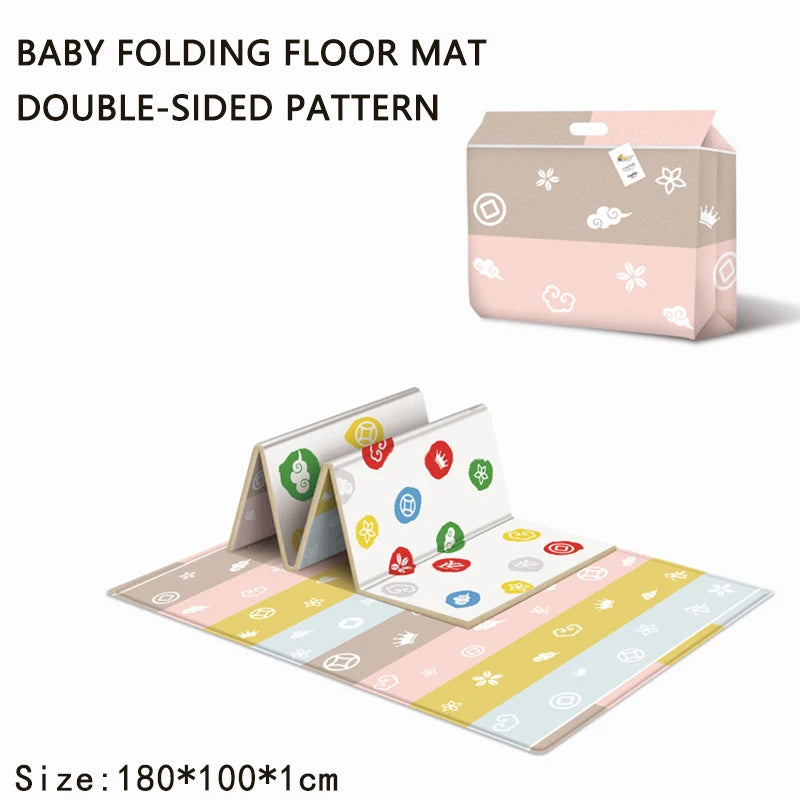
A foldable waterproof play mat provides comfortable support for tummy time, crawling, and everyday indoor play.
Pros and Cons: What Parents Should Consider Before Buying
Advantages
- Excellent cushioning: Supports tummy time, crawling, and early movement on hard floors.
- Easy maintenance: Waterproof surfaces simplify daily cleaning and help reduce odor buildup.
- Space-saving storage: Foldable designs store neatly when not in use.
- Stable play area: Non-slip backing helps keep the mat securely positioned during active play.
Considerations
- Foam play mats vary in thickness and overall durability.
- Decorative quilted rugs typically require more frequent washing.
- Larger mats provide additional play space but need more storage room.
- Always verify that materials meet your preferred child-safety standards before purchasing.
Best fit recommendations by lifestyle
Choose a foldable waterproof play mat if you want the easiest daily cleanup, compact storage, and an all-purpose indoor play surface. Foam interlocking mats are often better suited to permanent playrooms where maximum coverage is more important than portability, while padded playpen mats work best inside enclosed play spaces.
Frequently Asked Questions About Baby Play Mats
Are indoor play mats safe for babies?
Yes. Indoor play mats designed for infants are safe when made from child-safe materials and used on a flat surface under adult supervision. Look for non-slip construction, durable cushioning, and materials that meet applicable safety standards.
What is the best material for a baby play mat?
Waterproof foam and other BPA-free, phthalate-free materials are popular because they combine cushioning, durability, and simple cleaning. The best material depends on your priorities, but easy-to-clean surfaces are generally preferred for everyday family use.
How thick should a baby play mat be for crawling?
A thickness of around 1/2 inch typically provides enough cushioning for tummy time, rolling, and crawling while maintaining the stable support babies need to develop motor skills.
Can newborns use a soft play mat for tummy time?
Yes. Newborns can use a supportive play mat during supervised tummy time. The surface should be firm enough to promote healthy movement while providing comfortable cushioning against hard floors.
How do you clean a waterproof baby play mat?
Clean the mat using warm water, mild soap, and a soft cloth. Dry it thoroughly before reuse, and follow the manufacturer's care instructions for periodic deep cleaning.
Pillar Article: Best Foldable Baby Play Mat Reviews for Safer All-Day Play
Other Related Articles:
- Portable Waterproof Play Mat Comparison for Mess-Free Baby Play
- Double Sided Baby Floor Mat Review: Safer Cushioned Designs Compared
- Travel Toddler Play Mat Reviews for On-the-Go Families
- Outdoor Indoor Mats Compared: Which Play Space Works Best for Babies
Explore More:





