

Are sensory play mats for babies worth buying?
Answer: A sensory play mat for babies can be worth buying because it creates a dedicated space for tummy time, movement practice, and early exploration. Unlike a standard play mat, a baby sensory play mat is designed with textures, colors, sounds, mirrors, and interactive elements that encourage visual tracking, reaching, grasping, and independent discovery while giving parents a safer, more comfortable play area.
Sensory Learning Play Surface Guide: How to Choose the Best Sensory Play Mat for Babies
A baby sensory play mat helps turn everyday floor time into a structured learning experience. Whether you need a foldable baby play mat for small spaces, a portable baby play mat for travel, or an outdoor baby play mat for park days, the right sensory play surface supports early development while making supervised play easier for caregivers.
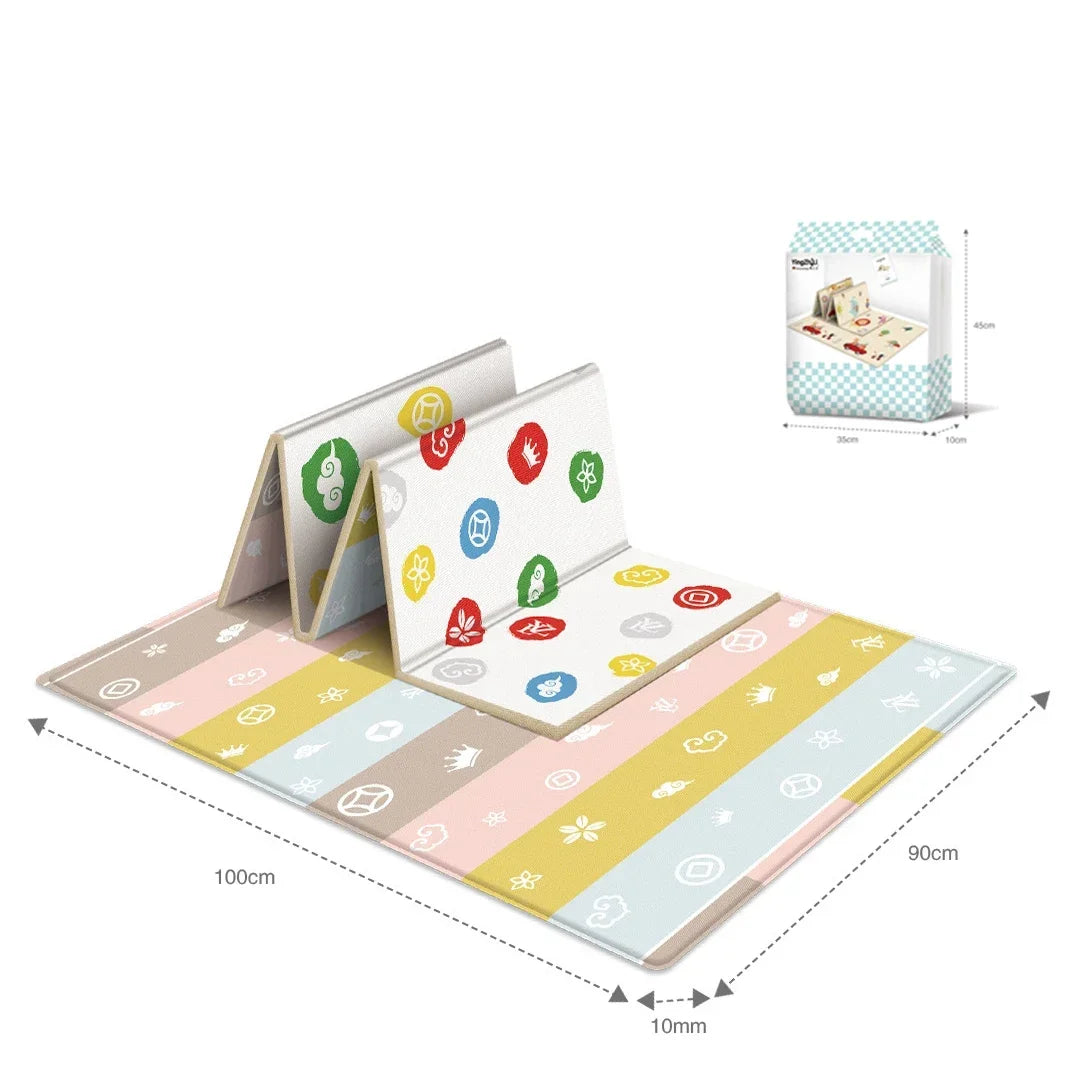
sensory learning play surface + outdoor infant play — See it in action
Why a baby sensory play mat supports infant development
A baby sensory play mat gives infants a comfortable environment where they can practice important early skills through movement and exploration. Instead of only providing a soft surface, a sensory play surface for infants combines visual, tactile, and interactive experiences that encourage babies to engage with their surroundings.
How sensory play helps cognitive, motor, visual, and tactile skills
- Motor development: Tummy time on a supportive mat encourages babies to lift their heads, strengthen muscles, roll, reach, and practice crawling movements.
- Cognitive exploration: Different textures, patterns, and objects encourage cause-and-effect learning and curiosity.
- Visual tracking: High-contrast designs, mirrors, and colorful elements help babies follow movement and focus attention.
- Tactile learning: Soft fabrics, textured surfaces, and safe sensory toys provide new touch experiences.
For newborns, a baby activity mat sensory setup can support supervised tummy time. As babies grow, the same space can become a place for sitting practice, crawling games, and early independent play.
Parents looking for age-appropriate ideas can also explore Baby Growth & Learning resources for activities that match developmental stages.
Best sensory play mat features to compare before buying
The best sensory play mat should balance developmental features, safety, comfort, and everyday convenience. Before buying, compare how each design supports your baby's age, play habits, and your family's routine.
Textures, mirrors, sounds, toys, and interactive elements
- Multiple textures: Different materials encourage touch exploration and sensory awareness.
- Mirror elements: Safe baby mirrors can support self-recognition and visual attention.
- Interactive toys: Rattles, crinkle areas, hanging toys, or removable accessories create engagement.
- High-contrast patterns: Helpful for younger babies developing visual focus.
- Open play space: Allows babies to move freely during tummy time and crawling practice.
Material safety and comfort features
A safe sensory play mat should use baby-friendly materials that are comfortable against delicate skin. Look for washable surfaces, cushioned support, secure stitching, and designs that are easy to clean after daily use.
- Non-toxic materials suitable for infant contact
- Water-resistant or waterproof surfaces
- Soft cushioning without excessive sinking
- Easy storage and folding capability
Best sensory play mats for babies: top options compared
Different families need different types of sensory play mats. The best choice depends on whether you prioritize home comfort, portability, outdoor use, or long-term storage.
| Type | Best For | Advantages | Considerations |
|---|---|---|---|
| Best overall sensory play mat | Daily indoor play | Balanced cushioning, sensory features, and comfort | Requires enough floor space |
| Best foldable baby play mat | Apartments and storage-friendly homes | Easy folding, quick setup, simple cleaning | May need additional sensory toys |
| Best portable sensory play mat | Travel and outings | Lightweight and easy to move | Check folded size before travel |
| Best outdoor baby play mat | Parks and outdoor infant play | Waterproof backing and wipeable surfaces | Needs regular cleaning after outdoor use |
For families who want a ready-to-use option, the foldable baby play mat — waterproof & soft combines portability, cushioning, and easy maintenance for everyday sensory play.
How to set up a baby sensory play mat correctly
A simple infant play mat setup can create a more engaging environment without requiring many toys. The goal is to provide safe opportunities for movement, exploration, and discovery.
- Choose a safe location: Place the mat on a flat surface away from hazards, cords, or unstable furniture.
- Create sensory zones: Arrange visual elements, textured toys, and movement areas separately.
- Match activities to age: Use high-contrast cards and gentle textures for younger babies, then introduce grasping toys and movement challenges as skills develop.
- Keep the setup simple: Offer a few carefully selected toys instead of overcrowding the surface.
- Rotate activities: Change toys regularly to maintain curiosity.
Foldable, portable, or fixed: which sensory play mat style fits your lifestyle?
The right style depends on where and how often your baby plays. A foldable or portable baby play mat is usually better for families who move between rooms, visit relatives, or travel frequently. Fixed play areas may work better for dedicated nursery spaces.
Home setup
- A larger sensory play surface gives babies room to roll, crawl, and explore.
- Foldable designs make cleanup and storage easier when playtime ends.
Travel setup
- A travel baby play mat should be lightweight, compact, and quick to unfold.
- Portable designs make familiar play spaces available during trips.
Outdoor setup
- An outdoor baby play mat should have waterproof protection against grass and damp surfaces.
- Wipeable materials simplify cleanup after park visits.
Safety, cleaning, and maintenance checklist
Because babies spend significant time touching and exploring their play surface, hygiene and material safety are essential. A washable baby play mat should be easy to maintain while remaining comfortable for daily use.
Baby sensory mat safety checklist
- Choose non-toxic, baby-safe materials.
- Check for secure seams and durable construction.
- Select surfaces that are easy to wipe clean.
- Avoid damaged areas that could create loose pieces.
- Follow manufacturer cleaning instructions.
For routine cleaning, use mild soap and water. Avoid harsh chemicals that may damage materials or leave unwanted residue on surfaces babies touch.
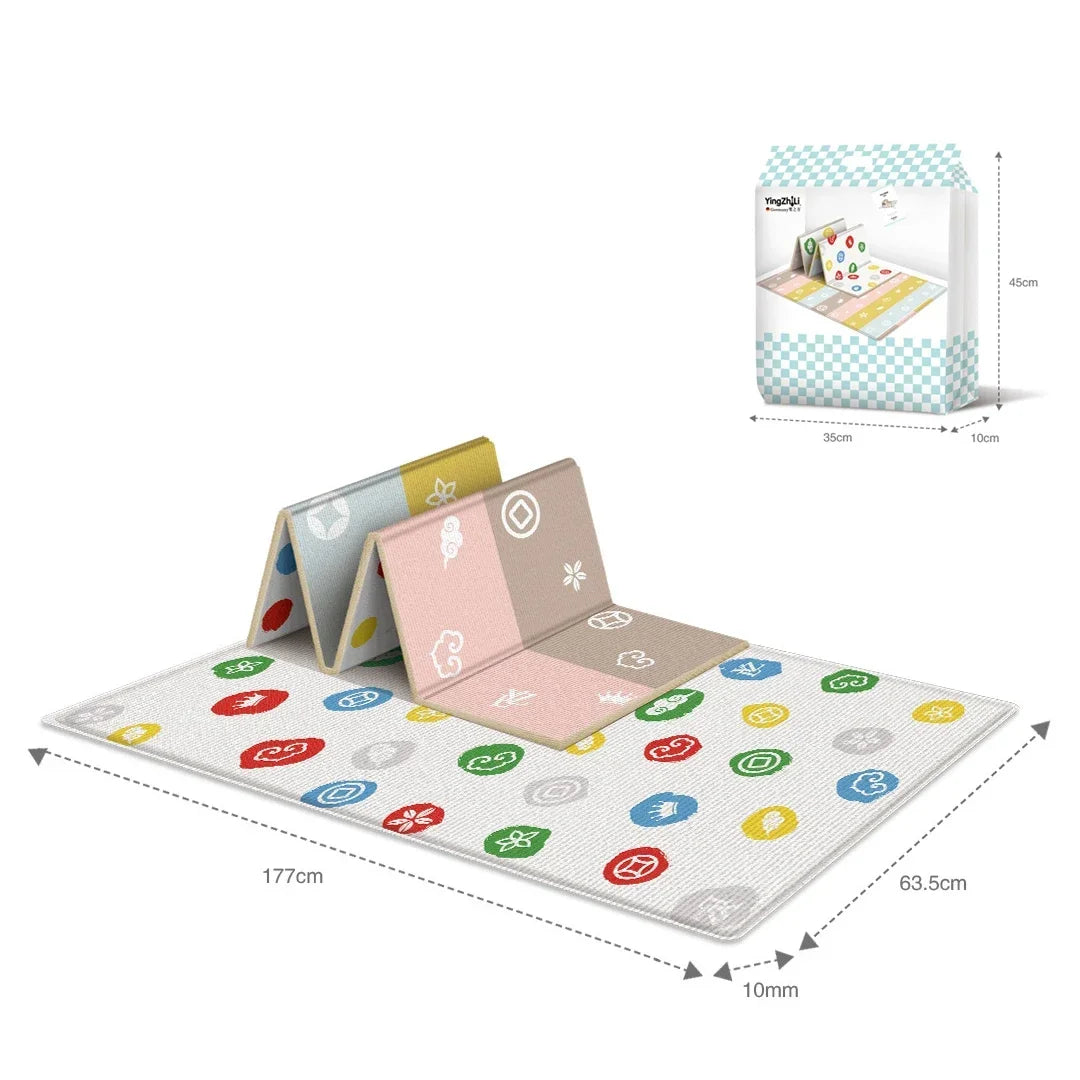
sensory surface + play mat portable — See it in action
Sensory play mat buying guide: what parents should look for
Choosing the best sensory play mat becomes easier when you compare features against your baby's current stage and your daily routine.
Age range and developmental stage
- Newborns benefit from soft support, visual contrast, and tummy time comfort.
- Older infants need space for rolling, reaching, sitting, and crawling practice.
- Toddlers may prefer more interactive elements and open-ended activities.
Materials, size, and storage
- Choose a size that allows movement without taking over your entire room.
- Look for foldable construction if storage space is limited.
- Prioritize waterproof and washable finishes for daily convenience.
Interactive sensory features
- Textures encourage touch exploration.
- Mirrors support visual engagement.
- Removable toys allow activities to change as babies grow.
Pros & Cons — quick decision snapshot
| Pros | Cons |
|---|---|
| Encourages sensory exploration and movement practice | Some designs require extra sensory toys |
| Portable and easy to store | Large mats need more storage space |
| Waterproof options simplify cleaning | Outdoor use requires regular maintenance |
Buy the foldable play mat
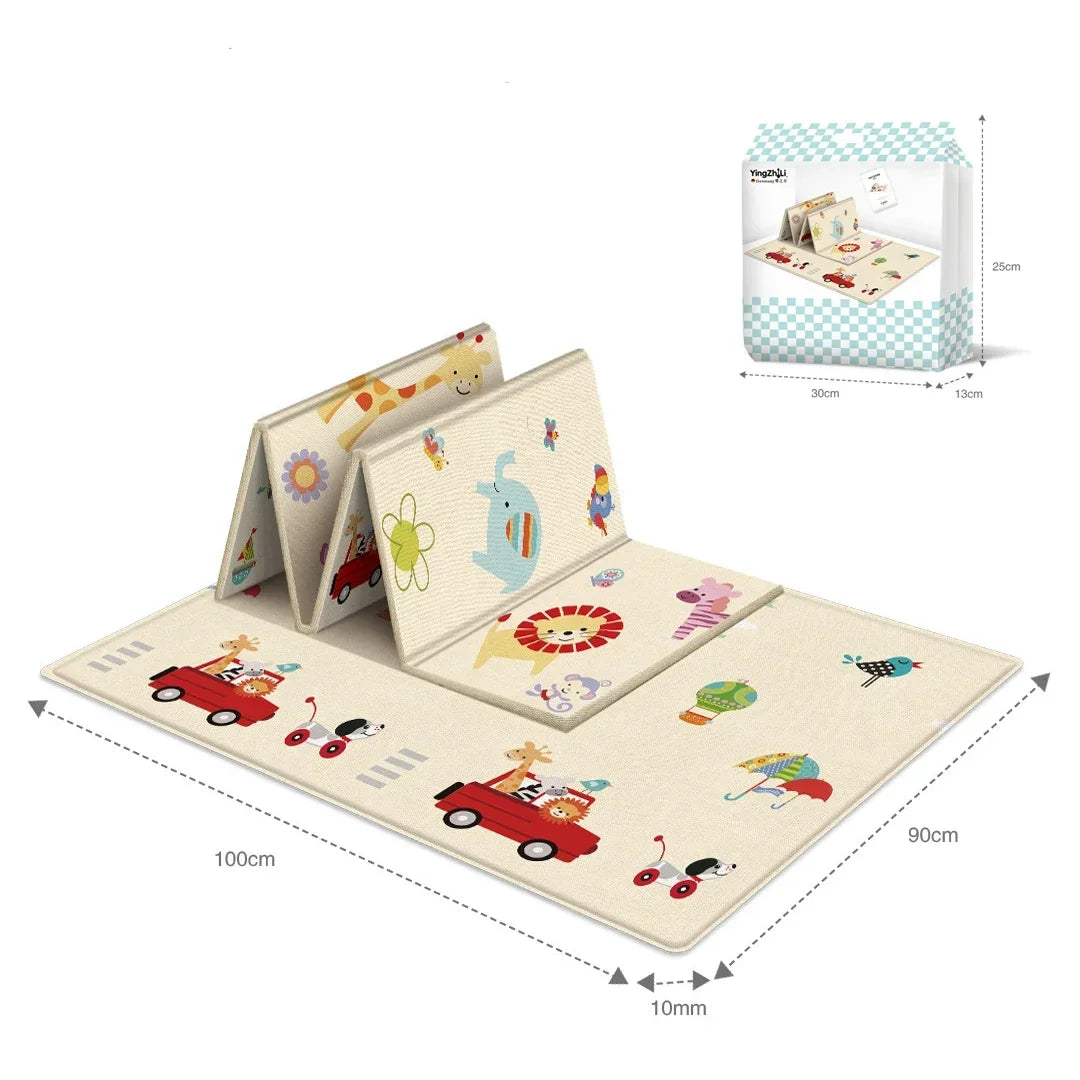
play mat portable + sensory surface — See it in action
Frequently asked questions about sensory play mats for babies
-
What age is best for a sensory play mat?
A sensory play mat can be used from the newborn stage with supervised tummy time. As babies grow, parents can adapt toys and activities for rolling, sitting, crawling, and early play skills.
-
Are sensory play mats safe for newborns?
Yes, when used under supervision and made with baby-safe materials. Newborn setups should focus on soft support, simple visuals, and age-appropriate sensory elements.
-
How do you set up a baby sensory play mat?
Create a safe floor area, add a few sensory toys, arrange visual and tactile zones, and adjust activities based on your baby's developmental stage.
-
What features make the best sensory play mat?
The best sensory play mat combines safe materials, washable surfaces, comfortable cushioning, engaging textures, and practical storage features.
-
Can a baby sensory play mat be used outdoors?
Yes. Choose an outdoor baby play mat with waterproof backing and an easy-clean surface. Remove dirt and moisture after outdoor use.
-
How do you clean and maintain a sensory play mat?
Use mild soap and water for regular cleaning, dry the surface completely, and inspect the mat regularly for wear or damage.
Final thoughts: choosing the right sensory play mat for your baby
The best sensory play mat supports your baby's development while fitting naturally into your family's routine. Focus on safe materials, age-appropriate features, easy cleaning, and practical portability. A well-chosen baby sensory play mat can create a comfortable space where babies practice movement, explore new sensations, and enjoy meaningful daily play.
Shop Sensory Toys
Need a quick starter kit? Pair the foldable mat with textured rings and a small mirror from Baby Growth & Learning for a ready-made sensory routine.
Pillar Article: Not Found
Other Related Articles:
- Baby Slipping on Floor Solutions: Why Proper Mat Grip Matters
- Uncomfortable Tummy Time Surface Fixes: How to Create Softer Support
Explore More:





