

Does a waterproof baby play mat really make baby play less messy and safer?
Answer: A waterproof baby play mat creates a clean, cushioned, and protected surface where babies can practice tummy time, crawling, and sensory play with fewer worries about spills, moisture, and floor mess. A portable waterproof play mat is designed with easy-clean materials, foldable construction, and waterproof layers that make everyday play more comfortable at home or outdoors.
⏱ 8 min read
Portable Waterproof Play Mat Comparison for Mess-Free Baby Play
A baby’s first movements happen through daily exploration—rolling, reaching, crawling, and learning balance. A waterproof baby play mat gives those activities a safer foundation by combining cushioning, easy cleaning, and flexible use. Whether you need a foldable baby play mat waterproof enough for messy meals, a portable baby play mat waterproof design for travel, or a comfortable indoor surface for tummy time, choosing the right material and features can make everyday routines easier.
Explore play surfaces designed for comfort, easy cleaning, and everyday family routines.
What makes a waterproof baby play mat safer and easier to use?
A waterproof baby play mat is built with a protective surface layer that prevents liquids from soaking into the material. Instead of absorbing milk spills, drool, food crumbs, or small accidents, the waterproof coating allows parents to wipe messes away quickly.
The best waterproof play mats for babies usually combine several layers: a soft top surface for comfort, a cushioning core for movement support, and a moisture-resistant bottom layer that protects floors. This construction makes the mat useful for newborn tummy time, crawling practice, play sessions, and messy activities.
A quality waterproof baby play mat also improves hygiene. Since parents can clean the surface regularly, it reduces the buildup of everyday dirt compared with carpets or fabric-only play areas. For families looking for an easy clean baby play mat, waterproof materials offer a practical advantage during the first years of development.
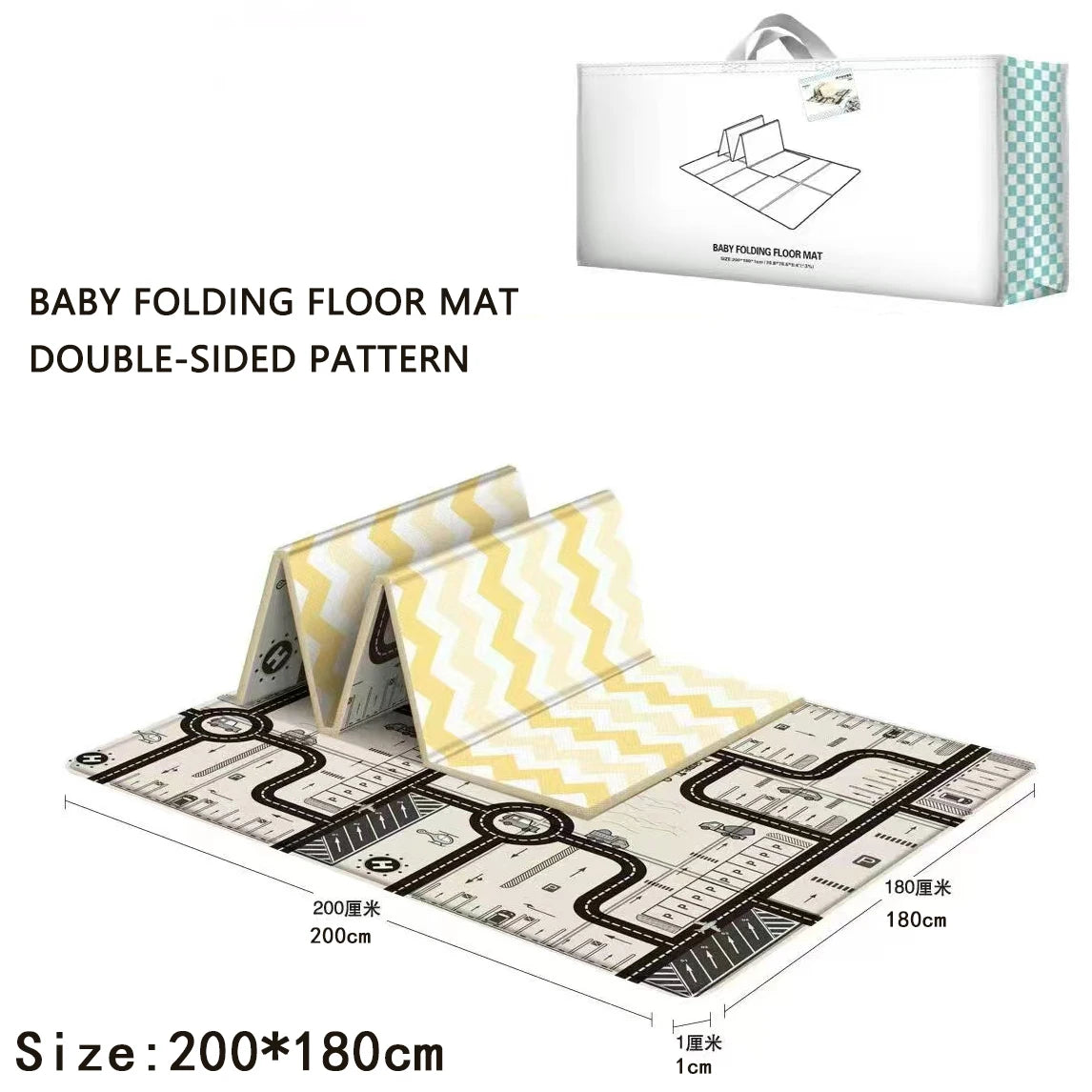
portable waterproof play mat + sensory surface See it in action
Why choose a waterproof baby play mat?
A waterproof baby play mat is more than a soft surface. It creates a dedicated area where babies can move freely while parents spend less time worrying about cleanup.
Everyday benefits for babies and parents
- Reduces cleanup: Waterproof surfaces allow quick wiping after snacks, spills, and playtime accidents.
- Supports development: A comfortable surface encourages tummy time, reaching, rolling, crawling, and sensory exploration.
- Protects floors: The waterproof backing helps prevent moisture damage from reaching hardwood, tile, or carpet.
- Improves comfort: Cushioned designs provide a softer area for early movement practice.
- Creates a familiar play zone: Babies often become more confident exploring a consistent, comfortable space.
Waterproof baby play mat comparison
Materials, thickness, portability and best use
The best waterproof baby play mats depend on where and how you plan to use them. Some prioritize cushioning for crawling, while others focus on portability for parks, travel, and outdoor activities.
- Foldable waterproof play mat: Best all-around choice for homes that need easy storage, comfortable cushioning, and indoor/outdoor flexibility.
- Padded foam sensory mat: Ideal for tummy time, crawling practice, and babies who need extra cushioning.
- Waterproof picnic-style mat: Best for outdoor use because it is lightweight, compact, and easy to carry.
- Quilted wipeable mat: Useful for feeding and play combinations where softness is important.
Waterproof play mat materials compared: XPE, TPU, foam and fabric
The material of a waterproof foam play mat baby product affects durability, comfort, cleaning, and long-term value.
| Material | Benefits | Considerations |
|---|---|---|
| XPE foam | Lightweight, cushioned, water resistant, easy to wipe | Quality varies depending on thickness and construction |
| TPU surface layers | Durable waterproof protection and smooth cleaning | Usually found in higher-quality designs |
| Standard foam | Comfortable and affordable cushioning | May require better moisture protection |
| Fabric/quilted materials | Soft feel and comfortable for babies | Needs frequent washing and complete drying |
Safety certifications to look for before buying
A non toxic waterproof play mat should use baby-safe materials and construction methods designed for frequent contact with sensitive skin.
BPA-free and phthalate-free
Look for products that clearly state they are free from harmful chemicals such as BPA, phthalates, and unsafe dyes. Independent testing or recognized safety certifications can provide additional confidence.
Slip resistance and edge safety
- Choose mats with non-slip backing to reduce sliding during crawling.
- Check that edges remain flat to prevent tripping hazards.
- Select thickness appropriate for your baby’s development stage.
How to choose the right waterproof baby play mat
A waterproof baby play mat should match your available space, your baby’s development stage, and your lifestyle. The right balance of thickness, portability, and durability creates better long-term value.
Size
Choose a size that gives babies room to roll, crawl, and explore without overwhelming your living space. Larger mats work well for playrooms, while compact designs suit apartments or travel.
Thickness
A thickness of around 10–20mm is commonly suitable for tummy time and early crawling because it provides comfort without creating excessive instability.
Foldability
A foldable baby play mat waterproof design is easier to store, move between rooms, and take on family trips.
Travel checklist
- Lightweight construction
- Easy folding system
- Waterproof backing
- Quick cleaning surface
- Compact storage size
Features that matter most in everyday use
The most useful baby gear features are the ones that simplify daily routines.
- Easy-clean surface: Lets parents remove spills quickly.
- Waterproof performance: Prevents liquids from reaching floors or inner layers.
- Foldable design: Makes storage and transport easier.
- Durable construction: Helps the mat handle daily play, crawling, and cleaning.
- Sensory patterns: Add visual and tactile stimulation during play.
How to clean and maintain a waterproof baby play mat
Proper maintenance keeps a waterproof baby play mat hygienic and extends its usable life.
- Daily cleaning: Wipe the surface with mild soap and water after spills or meals.
- Deep cleaning: Follow manufacturer instructions for covers or washable sections.
- Prevent mold: Allow the mat to dry completely before folding or storing.
- Storage: Roll or fold loosely to protect waterproof layers.
Indoor vs outdoor waterproof baby play mats
Travel, park and picnic use
An outdoor waterproof play mat for babies should prioritize portability, weather resistance, and quick drying. Lightweight mats work well for parks, picnics, and travel because they can be packed easily.
Indoor mats usually benefit from thicker cushioning for tummy time, crawling, and early standing practice. If you want one mat for multiple situations, choose a portable infant play mat outdoor design with enough padding for indoor comfort.
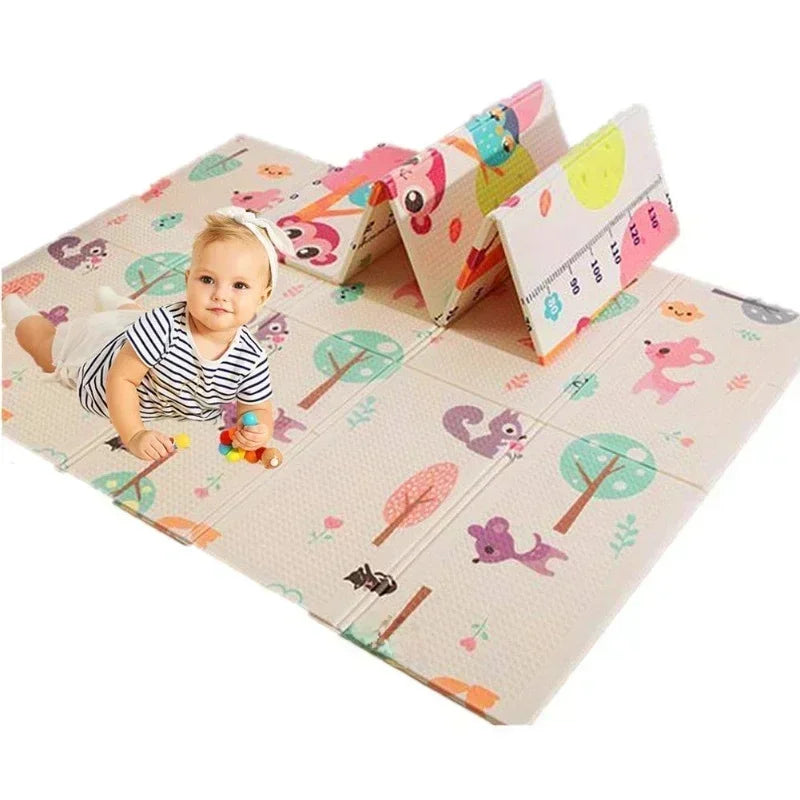
sensory surface + waterproof outdoor play mats See it in action
Side-by-side comparison: pros, cons and ideal users
Quick buying checklist
| Type | Best for | Pros | Cons |
|---|---|---|---|
| Foldable waterproof play mat | Daily home use and travel | Portable, comfortable, easy cleaning | Can be heavier than thin outdoor mats |
| Foam sensory mat | Tummy time and crawling | Excellent cushioning and comfort | May take more storage space |
| Outdoor waterproof mat | Parks and picnics | Lightweight and travel friendly | Less impact protection |
| Quilted mat | Feeding and soft play | Comfortable surface | Requires careful drying |
Recommended waterproof baby play mats by family needs
Travel
Families who travel frequently should choose a portable baby play mat waterproof design that folds quickly and fits into storage areas.
Home
For everyday tummy time and crawling, a thicker foldable waterproof play mat offers better comfort and floor protection.
Large spaces
Parents with playrooms may prefer larger mats that create a dedicated movement area.
Outdoor
Outdoor families should prioritize lightweight waterproof layers, quick drying, and easy transport.
Portable waterproof play mat — quick product highlight
The portable waterproof play mat combines a soft sensory-friendly surface with waterproof protection and foldable convenience. It supports tummy time, protects floors during messy meals, and stores easily between play sessions.
Try the foldable waterproof play mat for a balance of cushioning, packability, and easy maintenance: /products/foldable-baby-play-mat-waterproof .
Activities to support tummy time and early development
- Tummy time: Place toys slightly ahead to encourage reaching and neck strength.
- Crawling practice: Create safe space for movement and exploration.
- Sensory play: Add textured toys and visual patterns for discovery.
- Independent play: Build confidence with short supervised play sessions.
Safety tips for using a waterproof baby play mat
- Always supervise babies during play.
- Place the mat on a stable, flat surface.
- Inspect regularly for damage or worn edges.
- Clean safely using baby-friendly products.
- Keep mats away from stairs and unsafe areas.
Frequently asked questions
-
What is the best material for a waterproof baby play mat?
XPE foam, TPU-coated surfaces, and high-quality foam designs are popular because they balance cushioning, durability, and easy cleaning.
-
Are waterproof baby play mats safe for newborns?
Yes, when made from non-toxic materials and used correctly. Always choose age-appropriate designs and supervise play.
-
How do you clean a waterproof baby play mat?
Most waterproof surfaces can be wiped with mild soap and water. Allow the mat to dry fully before storage.
-
What thickness is best for tummy time?
Around 10–20mm usually provides comfortable cushioning while keeping movement stable.
-
Can a waterproof baby play mat be used outdoors?
Yes. Portable designs with waterproof backing are suitable for parks, picnics, and outdoor play.
-
How long does a waterproof baby play mat last?
A durable mat can last several years when properly cleaned and stored.
-
Are foldable waterproof play mats as durable as one-piece mats?
High-quality foldable mats can be very durable while offering easier storage and transport.
-
What certifications should a non-toxic baby play mat have?
Look for information about BPA-free materials, phthalate-free construction, and independent safety testing.
Final buying advice
A waterproof baby play mat is a practical investment for families who want a cleaner, safer, and more comfortable play environment. The best choice depends on your lifestyle: prioritize cushioning for home play, portability for travel, and waterproof durability for frequent outdoor use.
When comparing the best waterproof baby play mats, focus on safety, material quality, cleaning convenience, and long-term usability. A well-designed mat supports your baby’s development while making everyday parenting routines simpler.
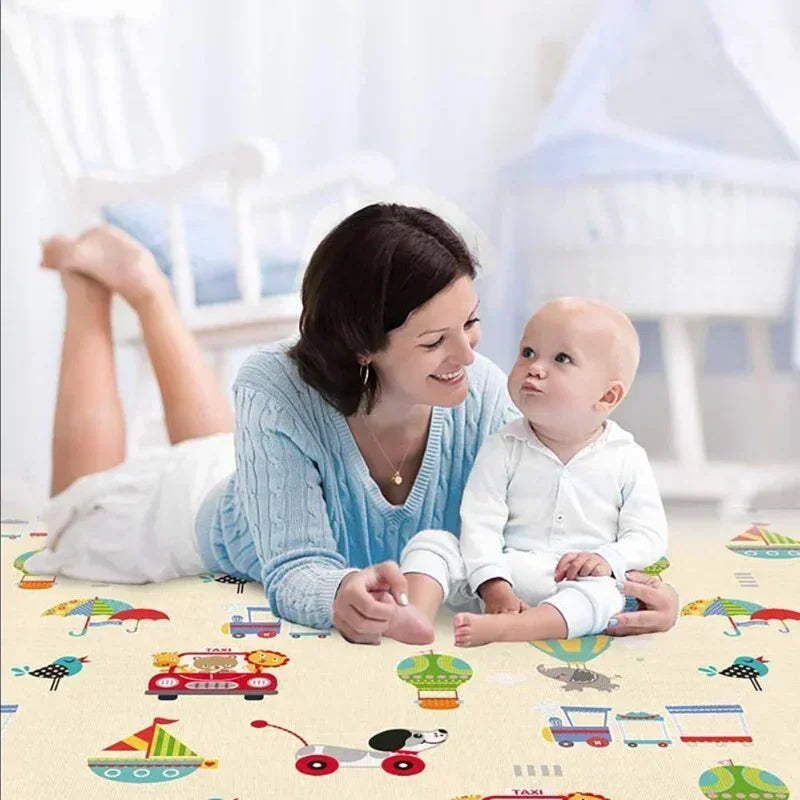
waterproof outdoor play mats + cleaning pack n play mat See it in action
Product link used in this article: foldable waterproof play mat .
Pillar Article: Best Foldable Baby Play Mat Reviews for Safer All-Day Play
Other Related Articles:
- Double Sided Baby Floor Mat Review: Safer Cushioned Designs Compared
- Travel Toddler Play Mat Reviews for On-the-Go Families
- Indoor Play Zones Review: Top Picks for Safe Baby Floor Time
- Outdoor Indoor Mats Compared: Which Play Space Works Best for Babies
Explore More:





