

Indoor Rocking Chair Cushion Tips: Maximize Comfort, Support, and Safety
Choosing the right indoor rocking chair cushion can make long feeding, soothing, reading, and relaxing sessions more comfortable while helping protect your chair from everyday wear. The best option balances cushion thickness, support, breathable materials, secure attachment, and easy cleaning—especially when a rocking chair is used in a nursery.
Best Rocking Chair Cushions: Quick Comparison
A good rocking chair cushion should fit the chair securely, provide enough padding for your typical sitting time, and match how often you expect to clean it. Instead of choosing the thickest cushion available, compare support, materials, washability, attachment, and overall value.
| Cushion type | Support & thickness | Material & care | Best use | Value |
|---|---|---|---|---|
| Cotton-blend cushion | Medium, softer feel | Breathable; often washable | Nurseries and everyday sitting | Good for comfort-focused buyers |
| Foam cushion | Structured and supportive | Durable; cover care varies | Long feeding or reading sessions | Good for frequent use |
| Fiberfill cushion | Soft with a plush feel | Usually easy to handle; may compress over time | Casual sitting | Good for a softer budget setup |
| Water-resistant cover with removable liner | Varies by insert | Easy spill management; multiple pieces | Nursery and messy-use environments | High practical value |
For most indoor nursery setups, the best cushion for a rocking chair indoors is not necessarily the thickest one. Prioritize a supportive fit, a removable washable cover, breathable contact fabric, and secure attachment.
⏱ 7 min read
Do Rocking Chair Cushions Really Improve Comfort and Support?
Yes. A well-fitted rocking chair cushion can improve sitting comfort by adding padding between your body and a firm chair surface, helping distribute pressure and making longer sitting sessions feel less tiring. The benefit depends on the chair, cushion construction, thickness, and your individual support needs.
For parents who spend extended periods feeding, rocking, reading, or soothing a baby, rocking chair padding for comfort can be especially useful. A supportive cushion may also encourage a more comfortable sitting position by reducing the temptation to shift constantly on a hard or uneven seat.
However, a cushion should not be treated as a substitute for proper posture or medical treatment for persistent back or hip pain. An ergonomic rocking chair cushion is most useful when its shape and firmness complement the chair rather than simply adding as much padding as possible.
Who benefits most from a rocking chair cushion?
- New parents: Extra padding can make frequent nursery rocking and feeding sessions more comfortable.
- Long-session users: A supportive seat can reduce pressure from prolonged sitting on a firm chair.
- Older chairs: A replacement cushion can refresh comfort without replacing the entire rocker.
- Homes with children: Removable covers make it easier to manage milk, food, drool, and everyday spills.
Explore related picks in Baby Growth & Learning .
indoor rocking chair cushion - KentDO — designed for comfortable everyday use.
Best Rocking Chair Cushions for Different Needs
The right cushion depends on how you use the rocker. Nursery users may prioritize washable covers and breathable fabric, while someone using a rocker for long reading sessions may prefer firmer, more structured support.
Best for nursery use
For a nursery, look for an indoor rocking chair cushion with a removable cover, breathable contact surface, secure attachment, and materials that can be cleaned regularly. A medium-support cushion is often a practical balance between softness and stability.
Pros:
Comfortable for feeding and soothing, easier to clean, practical for frequent use.
Cons:
Requires regular laundering and may need a spare cover.
Best ergonomic support
If you sit in the rocking chair for extended periods, prioritize even support rather than maximum softness. A structured foam insert or a cushion designed with separate seat and back support can provide a more stable feel.
Pros:
More consistent support and less tendency to flatten quickly.
Cons:
Firmer materials may feel less plush.
Best thick cushion
A thick cushion for rocking chair can be useful when the original seat is particularly firm or worn. Thickness alone, however, does not guarantee comfort. Excessively thick padding can alter how you sit and may interfere with the rocker’s original proportions or attachment points.
Pros:
More cushioning and pressure distribution.
Cons:
Bulkier and potentially less stable if poorly fitted.
Best washable option
For homes with babies or toddlers, choose a cushion with a removable, machine-washable cover whenever the chair and manufacturer instructions allow it. A spare cover can also reduce downtime between washes.
Pros:
Easier stain management and routine hygiene.
Cons:
Multiple-piece designs require more laundering and storage.
Best budget choice
A simple fiberfill or cotton-blend seat cushion can be a sensible budget option when the existing chair is structurally comfortable but needs additional padding. Before buying, check whether the cover can be removed and whether the cushion stays securely positioned during rocking.
Pros:
Lower upfront cost and simple construction.
Cons:
Softer fills can compress faster and may provide less structured support.
Compare fabrics and features in Mom Essentials .
How to Choose the Right Rocking Chair Cushion
Knowing how to choose rocking chair cushion options starts with the chair itself. A cushion that looks comfortable but moves, bunches, or blocks the rocker’s moving parts is not a good fit.
Measure your rocking chair
Measure the seat width and depth, back height, and available attachment points. If you are replacing an existing cushion, measure the old cushion as well, but do not assume its dimensions are ideal. Check the rocker frame and armrests for areas that could interfere with straps or ties.
- Measure the usable seat width from inside edge to inside edge.
- Measure seat depth from the front edge toward the backrest.
- Measure back height if purchasing a combined seat-and-back cushion.
- Check the distance between attachment points.
- Confirm that the cushion will not interfere with rocking movement.
Choose the right thickness
Choose thickness according to the firmness of the original chair and the support you need. A medium-thickness cushion is often easier to balance for everyday use. A thicker cushion may provide more pressure relief but can also change your sitting height and stability.
Select the best fabric
For frequent nursery use, prioritize breathable, durable fabrics with a removable cover. Cotton blends tend to feel soft and breathable, while polyester and microfiber options may be easier to wipe clean and can provide greater resistance to everyday spills.
Pick secure attachment methods
A non slip rocking chair cushion can help reduce unwanted movement, but the attachment system still needs to match the chair. Tie-on cushions can provide a secure connection when ties are positioned correctly, while straps or non-slip backing may offer a cleaner setup.
Whichever method you choose, inspect attachment points regularly and keep loose straps away from a baby's reach.
Materials, Cushion Thickness, and Support Compared
Cushion construction affects how the seat feels immediately and how it performs after months of use. Compare the fill and outer fabric separately rather than judging a cushion only by its appearance.
Foam vs fiberfill
| Fill | Support | Durability | Best for |
|---|---|---|---|
| Foam | Structured and consistent | Generally retains shape well when appropriately constructed | Long sitting and ergonomic support |
| Fiberfill | Soft and plush | Can flatten or shift with repeated use | Casual sitting and softer comfort |
Cotton vs polyester fabrics
| Fabric | Advantages | Trade-offs |
|---|---|---|
| Cotton or cotton blend | Soft, breathable, comfortable against skin | Can absorb spills and show stains |
| Polyester or microfiber | Durable, often easier to wipe clean | May feel less breathable than cotton |
Recommended cushion thickness
There is no single thickness that is best for every rocking chair. As a practical guide, thinner padding works when the chair already has substantial upholstery, while medium or thicker padding can help a firm wooden or lightly padded rocker. Always confirm the finished cushion dimensions and attachment system before choosing based on thickness alone.
For an ergonomic rocking chair cushion , firmness and shape matter as much as thickness. A supportive medium-density insert can be more useful for long sessions than an extremely soft cushion that compresses quickly.
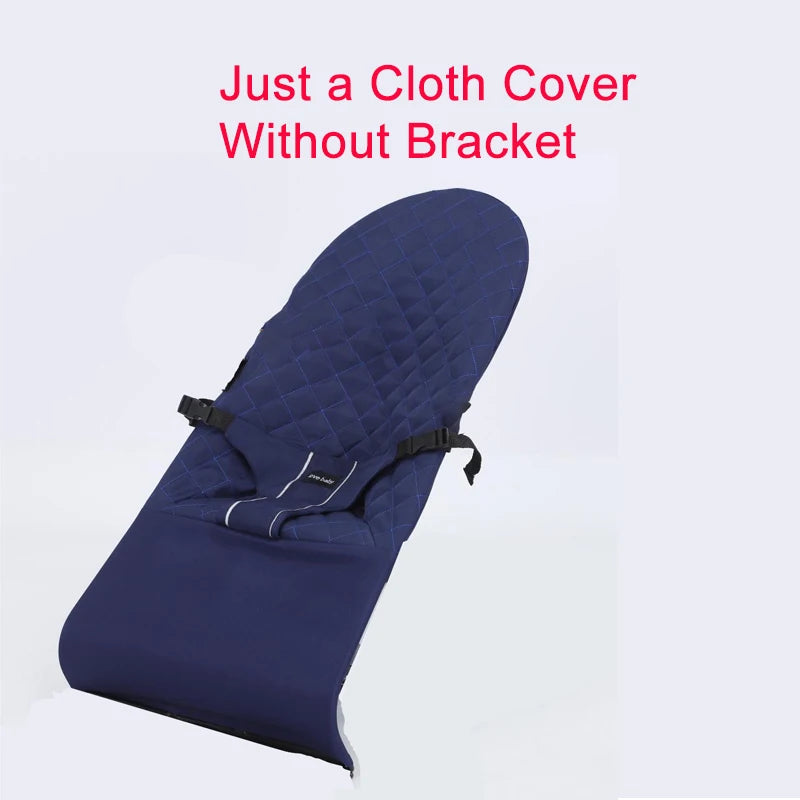
indoor rocking chair cushion - KentDO — comfort and easy-care design.
Baby Rocking Chair Cushion Safety and Proper Fit
Baby rocking chair cushion safety starts with secure positioning and correct compatibility. A cushion should stay where it is intended to sit during normal rocking and should not create loose fabric, exposed hardware, or gaps that could interfere with the chair.
- Check the dimensions: Confirm the cushion fits the seat and back without excessive overhang.
- Secure the cushion: Use the manufacturer's ties, straps, or approved attachment points rather than improvised fasteners.
- Check for movement: Before use, rock the chair gently and confirm that the cushion does not slide or bunch.
- Keep attachment hardware controlled: Tuck or secure excess straps so they do not hang within a baby's reach.
- Inspect regularly: Look for loose seams, frayed ties, damaged fasteners, compressed padding, or exposed filling.
- Use the cushion as intended: Follow the cushion and chair manufacturer's instructions, particularly when children are nearby.
For nursery use, breathable fabrics and firm, stable padding are generally preferable to loose or excessively soft inserts. Avoid adding extra blankets, pillows, or unapproved padding to compensate for a poor-fitting cushion.
A properly fitted indoor rocking chair cushion should also leave the chair's rocking mechanism unobstructed. If the cushion catches on the frame, slides toward the edge, or changes the chair's normal movement, stop using it until the fit is corrected.
Cleaning and Maintenance Guide
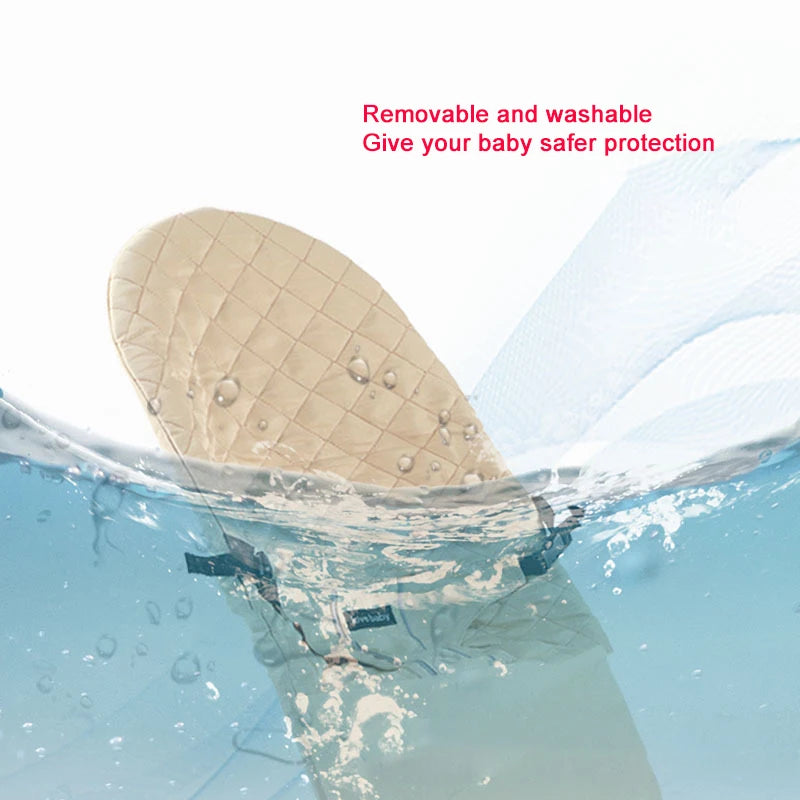
Regular cleaning protects the cushion from accumulated milk, drool, food, dust, and moisture while helping extend its useful life. Always follow the cushion's care label first because inserts and fabrics have different cleaning requirements.
Spot cleaning
For fresh spills, remove solids first and blot liquid with a clean cloth. Avoid aggressive rubbing, which can push stains deeper into the fabric or damage the surface.
- Blot the affected area with a clean, dry cloth.
- Use a small amount of mild detergent diluted according to the product instructions.
- Work gently from the outside of the stain toward the center.
- Remove detergent residue with a lightly damp cloth if the fabric instructions allow.
- Allow the area to dry completely before replacing or using the cushion.
Do not assume that homemade vinegar, enzyme cleaners, bleach, or other stain treatments are compatible with every cushion. Test any approved cleaning solution on an inconspicuous area first and follow the manufacturer's care instructions.
Machine washing
If the cover is labeled machine washable, remove the insert before washing when the construction allows it. Use the recommended cycle, detergent, water temperature, and drying method on the care label.
- Wash removable covers separately when practical.
- Avoid fabric softener if the manufacturer advises against it.
- Do not machine-wash foam or other inserts unless the care instructions specifically permit it.
- Dry completely before reinstalling the cover to reduce trapped moisture.
- Check seams, zippers, ties, and fasteners after laundering.
| Common mess | First step | Care reminder |
|---|---|---|
| Milk or formula | Blot promptly | Follow the cover's wash instructions |
| Spit-up | Remove residue and blot | Clean before residue dries into fabric |
| Food | Remove solids, then spot-clean | Use only fabric-compatible cleaning products |
When to replace a cushion
Replace a rocking chair seat cushion when it no longer stays securely positioned, has permanently flattened or become uneven, has damaged attachment points, exposes filling, develops persistent odor or moisture problems, or can no longer be cleaned according to its care instructions.
Replacement timing depends on construction, frequency of use, cleaning, and environmental conditions. Instead of replacing on a fixed calendar, inspect the cushion regularly and replace it when its comfort, hygiene, or safe fit has deteriorated.
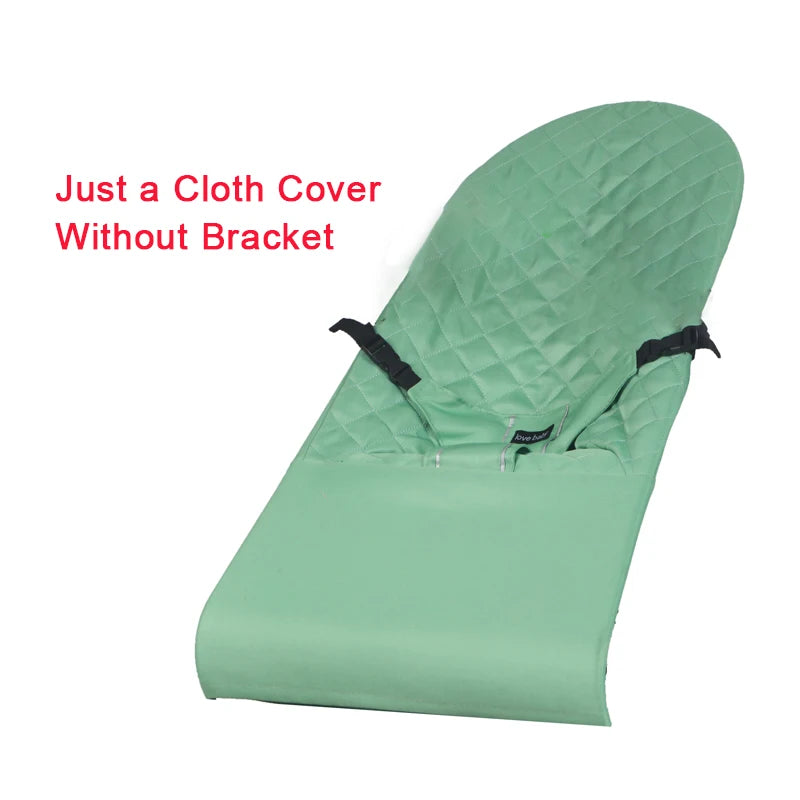
indoor rocking chair cushion - KentDO — comfort, clean, repeat.
Explore the baby rocking chair cloth cover for an easy-care layer.
Frequently Asked Questions
Will a rocking chair cushion fit every chair?
No. Rocking chairs vary in seat width, depth, back height, shape, and attachment points. Measure your chair before buying and verify that the cushion does not interfere with the armrests or rocking mechanism.
What thickness is most comfortable?
The best thickness depends on the original chair padding and your preferred level of support. A medium-thickness cushion is often a practical starting point, while a thicker cushion may suit a firm seat. More thickness is not automatically better if it compromises stability or fit.
How often should cushions be replaced?
Replace a cushion when it becomes permanently compressed, uneven, damaged, difficult to clean, or unable to remain securely positioned. Frequent nursery use may shorten its useful life compared with occasional use.
Can rocking chair cushions be machine washed?
Some removable covers are machine washable, but not every cushion or insert is. Check the care label before washing and remove foam or other inserts unless the manufacturer specifically states that they are washable.
Are non-slip cushions worth buying?
A non slip rocking chair cushion can be useful when a cushion tends to shift during normal use. However, non-slip backing does not replace correct sizing or secure attachment. For rocking chairs, the best option is one that remains stable without obstructing the chair's movement.
Is an ergonomic rocking chair cushion worth buying?
It can be worthwhile if you spend long periods in the chair and want more structured support. Look for a cushion with appropriate firmness and dimensions rather than choosing solely based on a label such as "ergonomic."
How do I measure a rocking chair for a replacement cushion?
Measure the usable seat width and depth, then measure the back area if you are buying a combined seat-and-back cushion. Also note the position of ties or straps and check for armrests, frame components, or moving parts that could affect fit.
What is the best thickness for an indoor rocking chair cushion?
There is no universal best thickness. Choose enough padding to improve comfort without raising the sitting position excessively or making the cushion unstable. The chair's original upholstery and your preferred firmness should guide the choice.
Are non-slip rocking chair cushions better than tie-on cushions?
Neither attachment style is automatically better. Non-slip backing can reduce movement, while properly positioned ties can provide a more direct connection to the chair. Choose the system that fits your specific chair securely and keeps excess material controlled.
Can I machine wash most rocking chair seat cushions?
Many removable covers can be machine washed, but the cushion insert often cannot. Always check the care label before washing, drying, or removing an insert.
How often should a rocking chair cushion be replaced?
Inspect it regularly rather than following a fixed replacement schedule. Replace it when support has significantly deteriorated, the cushion no longer fits securely, seams or attachments are damaged, or the material cannot be cleaned effectively.
Pillar Article: How to Clean Baby Chair: Step-by-Step Guide for Busy Parents
Other Related Articles:
- Keep Rocking Chair Comfortable with Simple Cushion Hacks
- Protect Infant Chair Fabric: Easy Daily Maintenance Tips
- Cushion for a Rocking Chair: How to Install and Maintain Comfort
Explore More:





