

How to Clean Baby Chair: Step-by-Step Guide for Busy Parents
⏱ 12 min read
Does cleaning a baby chair really keep germs away and make mealtime easier?
Answer: Yes. Regularly cleaning a baby high chair removes food residue, sticky spills, and many everyday germs that can accumulate after meals. Wiping after each use, deep cleaning weekly, and allowing every part to dry completely helps create a cleaner eating space, reduces odors and stains, and keeps the chair comfortable for daily use.
Learning how to clean a baby chair doesn't have to be time-consuming. With the right routine, you can remove hidden crumbs, clean sticky straps, and keep trays, cushions, and buckles looking fresh in just a few minutes a day. This guide explains how to clean a baby high chair safely using gentle cleaning products, proper drying techniques, and practical maintenance tips that busy parents can easily follow.
Why cleaning your baby chair matters
Babies often touch trays, buckles, armrests, and seat cushions before and during meals. Leftover milk, fruit puree, cereal, and sticky snacks can settle into seams where moisture encourages bacteria, mold, and unpleasant odors over time. Regular cleaning keeps these surfaces hygienic while making every meal more pleasant.
Consistent baby high chair cleaning also protects your investment. Removing food before it hardens helps prevent permanent stains, keeps harnesses working smoothly, preserves removable cushions, and reduces wear on hinges and moving parts. Spending just a minute after each meal can save significant scrubbing later.
It's also helpful to understand the difference between cleaning and disinfecting. Cleaning removes visible dirt, crumbs, and grease, while disinfecting is an additional step used when someone has been sick or after handling raw foods. For everyday meals, thorough cleaning with mild, baby-safe products is usually sufficient, followed by complete drying.
Quick answer: How to clean baby chair
How to clean baby chair: Remove loose crumbs first, then wipe every food-contact surface with warm water and mild dish soap. Wash or spot-clean removable fabric according to the manufacturer's instructions, clean straps, buckles, and tray edges where food collects, disinfect high-touch areas when appropriate using baby-safe products, and allow every component to air-dry completely before reassembling the chair.
For stubborn messes, pre-treat dried food with a gentle enzyme cleaner, use a soft brush to reach tight crevices, and avoid harsh chemicals that may damage fabrics, plastic, or protective finishes.
how to clean baby chair - KentDO See it in action
What you need (quick kit)
- Mild dish soap or baby-safe detergent
- White vinegar (diluted) or a no-rinse sanitizer safe for baby gear
- Microfiber cloths and a soft-bristle cleaning brush
- Spray bottle filled with clean water
- Enzyme stain remover for protein-based stains such as milk or eggs
- Bucket for rinsing and a clean towel for drying
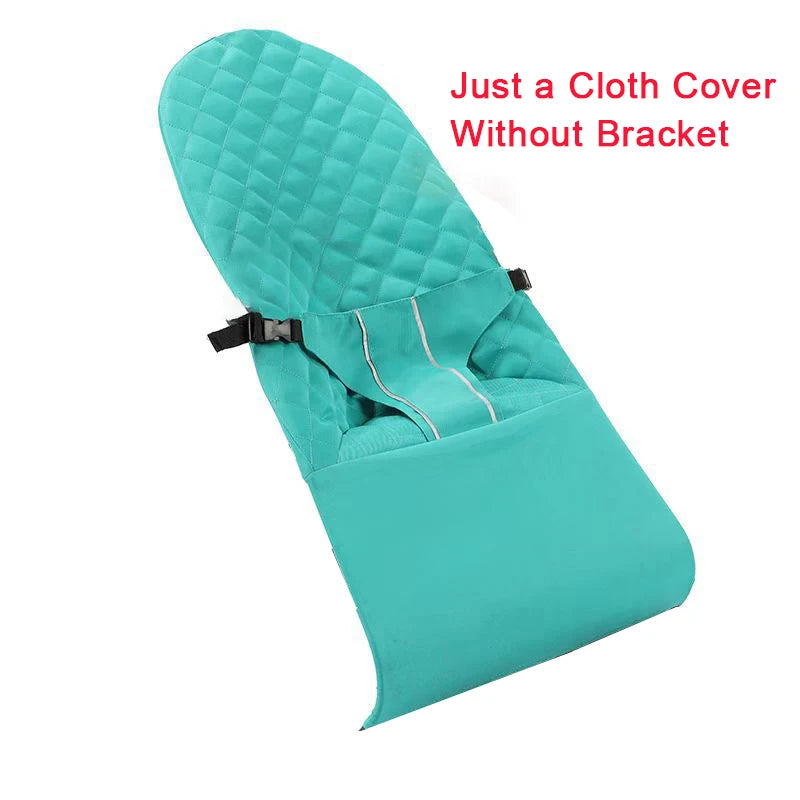
- Optional: removable cover or pad like product cloth cover
Why these work
These simple supplies remove everyday food residue without exposing your child to unnecessarily harsh cleaners. Microfiber cloths lift grease and dried residue without scratching plastic surfaces, while soft brushes reach crumbs trapped around hinges, tray clips, and harness slots.
Enzyme cleaners break down protein-rich stains more effectively than soap alone. Diluted white vinegar can help freshen plastic and metal surfaces, although it should not be used full strength on unfinished or natural wood. When choosing commercial cleaners, always select products labeled safe for baby feeding equipment and follow the manufacturer's directions.
Step-by-step cleaning routine
Daily quick clean (60 seconds)
- Remove loose crumbs immediately after every meal.
- Wipe the tray, armrests, seat, and harness using a damp microfiber cloth with mild soap.
- Clean fresh spills before they dry to prevent sticky buildup.
- Leave buckles open while drying so moisture doesn't become trapped.
Following these simple steps after each meal prevents stubborn stains, reduces bacteria buildup, and makes weekly deep cleaning much faster.
Weekly deep clean (15–30 minutes)
- Remove all detachable parts, including the tray, seat pad, harness, and cushions whenever possible.
- Vacuum or brush seams and crevices to remove dried crumbs hidden beneath cushions and around buckles.
- Wash removable fabrics with gentle detergent according to the care label.
- Wipe all plastic, metal, and tray surfaces using warm soapy water, then sanitize if needed with a baby-safe product.
- Allow every component to air-dry completely before putting the chair back together.
Stain removal & fabric care
Protein stains such as milk, yogurt, or egg respond best to enzyme cleaners before washing. For greasy foods, sprinkle baking soda onto the stain, allow it to absorb excess oil, then brush away before laundering. Always check the manufacturer's care label because some cushions are machine washable while others require gentle hand washing. Unless specifically recommended by the manufacturer, avoid chlorine bleach because it may weaken fabrics or fade colors.
Cleaning plastic, metal & wooden frames
- Plastic: Wash with warm soapy water using a soft brush, rinse with a damp cloth, and dry thoroughly.
- Metal: Clean with mild soap and water, then dry immediately to help prevent corrosion.
- Wood: Use only a lightly damp cloth. Sealed wood tolerates mild soap, while unfinished wood should never be soaked and should be dried immediately after cleaning.
Time-saving tips for busy parents
A few simple habits can significantly reduce cleaning time while preventing dried-on food from becoming difficult to remove.
- Keep a damp microfiber cloth within reach so you can wipe the tray and seat immediately after each meal.
- Clean spills while they're still wet to avoid scrubbing hardened food later.
- Keep a small soft-bristle brush nearby for cleaning harness slots, tray clips, and tight corners.
- Use a removable splash mat beneath the chair to make floor cleanup faster.
Which cleaning method suits your chair? (comparison)
Different materials require different care. Choosing the right cleaning method helps maintain the appearance and lifespan of your baby's chair while preventing accidental damage.
| Chair Type | Recommended cleaning method | Care notes |
|---|---|---|
| Fully plastic high chair | Warm soapy water followed by thorough drying. Sanitize when necessary. | Quick to clean but avoid abrasive scrubbers that can scratch the surface. |
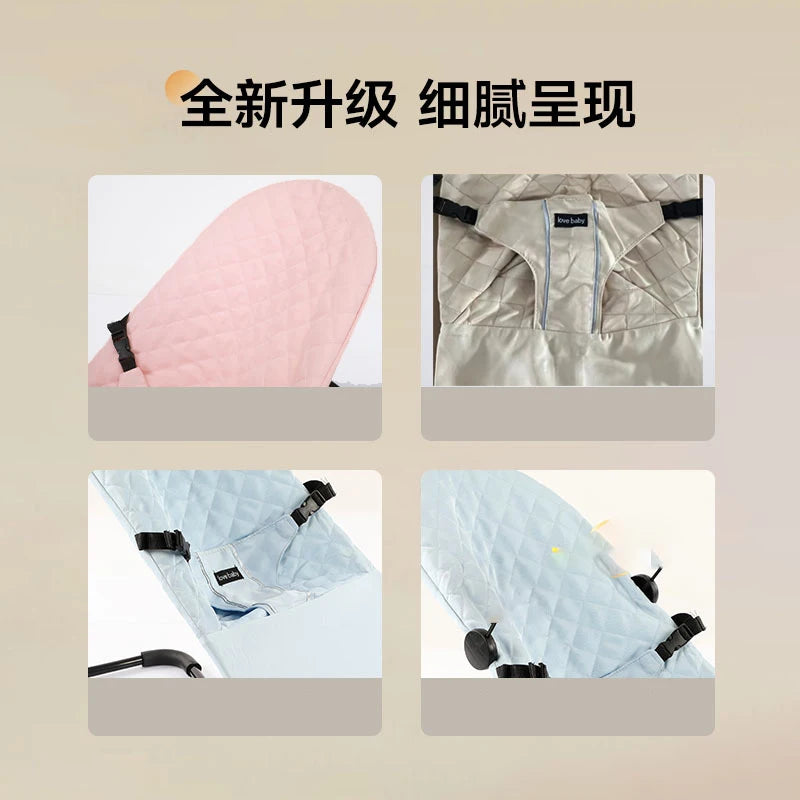
| Chair with removable fabric padding | Machine wash removable covers if permitted and spot clean between washes. | Ensure cushions are completely dry before reinstalling. |
| Wood and metal combination chair | Wipe the frame with a damp cloth, clean metal with mild soap, and avoid soaking wood. | Dry immediately to help protect wood finishes and metal hardware. |
Quick decision checklist
- If the fabric cover is removable and machine washable, clean it weekly according to the care label.
- If the padding is spot-clean only, use a damp cloth with mild detergent and allow it to air-dry completely.
- If your chair has deep crevices or multiple hinges, use a soft cleaning brush to remove trapped crumbs before wiping surfaces.
Safety and fabric care
Always follow the manufacturer's care instructions before using detergents, sanitizers, or washing removable fabrics. Some seat pads, straps, and foam inserts can be damaged by excessive heat or harsh chemicals.
Inspect the harness, buckles, and adjustment straps regularly for signs of wear, cracking, or fraying. After cleaning, confirm that every buckle locks securely and that the tray and seat components are correctly reinstalled before your child uses the chair again.
Sanitizing without harsh chemicals
- For routine cleaning, wash first with mild soap and water before applying any sanitizer.
- Mix one part white vinegar with ten parts water for occasional deodorizing of plastic or metal surfaces, then wipe with clean water afterward.
- Use only baby-safe sanitizing sprays that are designed for children's feeding equipment when additional disinfecting is needed.
- Avoid bleach, ammonia, essential oils, or other harsh chemicals unless specifically approved by the chair manufacturer.
how to clean baby chair - KentDO See it in action
Advanced stain removal (for stubborn marks)
Some food stains become more difficult to remove once they dry, especially around harnesses, fabric padding, and tray seams. Identifying the stain before treating it helps you choose the safest and most effective cleaning method while protecting the chair's materials.
- Protein stains (milk, yogurt, eggs): Apply an enzyme-based stain remover before washing to break down proteins without excessive scrubbing.
- Tannin stains (fruit puree, berries, tea): Soak with warm water and mild detergent, then gently blot instead of rubbing to reduce discoloration.
- Oily stains: Sprinkle baking soda or cornstarch over the stain to absorb grease, brush away the powder, and wash according to the manufacturer's care instructions.
If stains remain after the first attempt, repeat the treatment rather than switching to stronger chemicals that may damage fabrics or protective coatings.
Washing tips for longevity
- Wash removable covers inside out whenever the care label allows to reduce wear on seams and printed surfaces.
- Choose a gentle wash cycle with a baby-safe detergent and avoid fabric softeners that may leave residue.
- Allow cushions, straps, and foam inserts to air-dry completely before reinstalling them to help prevent mildew and trapped moisture.
Maintenance schedule (one-page cheat sheet)
A consistent cleaning routine helps prevent stubborn buildup and extends the life of your baby's chair.
- After every meal: Remove crumbs, wipe the tray, seat, and harness, and dry visible moisture.
- Daily: Inspect buckles, tray edges, and crevices for hidden food particles.
- Weekly: Remove washable components, clean all surfaces thoroughly, and inspect straps for stains or wear.
- Monthly: Check hardware, hinges, and moving parts for proper operation and follow the manufacturer's maintenance recommendations if lubrication is required.
Keep your baby chair clean with less effort
A consistent cleaning routine is more effective than occasional deep scrubbing. Wiping the chair after each meal, treating stains promptly, and washing removable components on a regular schedule helps maintain a hygienic eating environment while protecting the chair's materials from premature wear.
If your chair includes removable covers or replacement pads, keeping a spare on hand can reduce downtime between washes and simplify everyday maintenance. You can also explore additional feeding accessories and care resources through Feeding & Nursing and Baby Hygiene Gadgets .
Frequently asked questions
-
Can I use disinfecting wipes on a baby high chair?
Yes, but only if the wipes are labeled safe for baby feeding surfaces or children's products. After disinfecting, allow the surface to dry according to the product directions or wipe with clean water if recommended by the manufacturer.
-
How do I clean sticky high chair straps?
Remove the straps if your chair allows it and wash them using warm water and mild detergent. For non-removable straps, gently scrub with a soft brush, rinse away soap residue with a damp cloth, and allow them to air-dry completely before use.
-
Can high chair trays go in the dishwasher?
Some removable trays are dishwasher-safe, but not all models are. Always check the manufacturer's instructions before placing any tray in the dishwasher, as high temperatures may warp certain plastics.
-
How do I clean a wooden high chair without damaging it?
Use a soft cloth dampened with warm water and a small amount of mild soap. Avoid soaking the wood or using abrasive cleaners, then dry the surface immediately to help preserve the finish.
-
How do I remove mold from a baby high chair safely?
If you notice mold on removable fabric, follow the manufacturer's washing instructions and inspect whether the item can be safely restored. If mold has penetrated foam padding or damaged the material, replacing the affected component is often the safest option.
-
How often should I deep clean a baby high chair?
Wipe food-contact surfaces after every meal and perform a thorough deep clean at least once each week. More frequent cleaning may be needed if the chair is used multiple times a day.
-
What cleaning products are safe for baby high chairs?
Mild dish soap, baby-safe detergents, enzyme stain removers for food stains, and sanitizers specifically approved for baby products are generally appropriate choices. Always follow the manufacturer's care recommendations.
-
Should I clean the harness after every meal?
Yes. Food often collects around the harness and buckle area. Wipe visible residue after each meal and wash the straps more thoroughly during your weekly deep-clean routine.
Related Articles:
- Keep Rocking Chair Comfortable with Simple Cushion Hacks
- Protect Infant Chair Fabric: Easy Daily Maintenance Tips
- Indoor Rocking Chair Cushion Tips: Maximize Comfort and Safety
- Cushion for a Rocking Chair: How to Install and Maintain Comfort
- How to Sterilize Baby Bottles
- How to Clean Baby Toys
- How to Remove Food Stains from Fabric
Pillar Articles:
- Rocking Chair Cover Hard to Clean? In-Depth Review and Solutions
- Infant Sitting Chair Guide: Choosing the Right Fit for Every Baby
- Portable Infant Chair Features That Make Life Easier for Parents
- Rocking Chair Cover Reviews: Find the Best Fit for Your Nursery
- Baby Feeding Essentials
- Safe Cleaning Products for Nurseries





