

Keep Rocking Chair Comfortable with Simple Cushion Hacks
Does keeping a rocking chair comfortable really work?
Keeping a rocking chair comfortable is simple and effective: small cushion swaps, targeted padding for pressure points, and a slipcover that holds everything in place can restore support and extend seat life. These quick fixes reduce pain, improve posture, and make nightly rocking sessions cozier without replacing the chair.
- Add a contoured seat pad to restore lumbar and tailbone support.
- Use thin foam inserts under thin cushions to even pressure.
- Secure everything with a fitted cloth cover to prevent sliding.
- Rotate and air cushions regularly to maintain loft and hygiene.
Looking for ways to keep rocking chair comfortable without replacing the whole setup? These simple cushion hacks, from choosing the right fill to clever layering and secure covers, help you boost support, ease pressure points, and refresh worn seating. Read on for step-by-step fixes, real parent-tested tips, and a gentle product pick that makes it all effortless.
Parents and caregivers often lean on a favorite rocking chair for late-night feeds, soothing naps, and quiet moments. But after months of use, the seat can sag, the back can feel hard, and those long rocking sessions start to ache. The good news: you don’t need a new chair. A handful of small, inexpensive changes can make your chair feel new again—and keep it safe and cozy for baby and you.
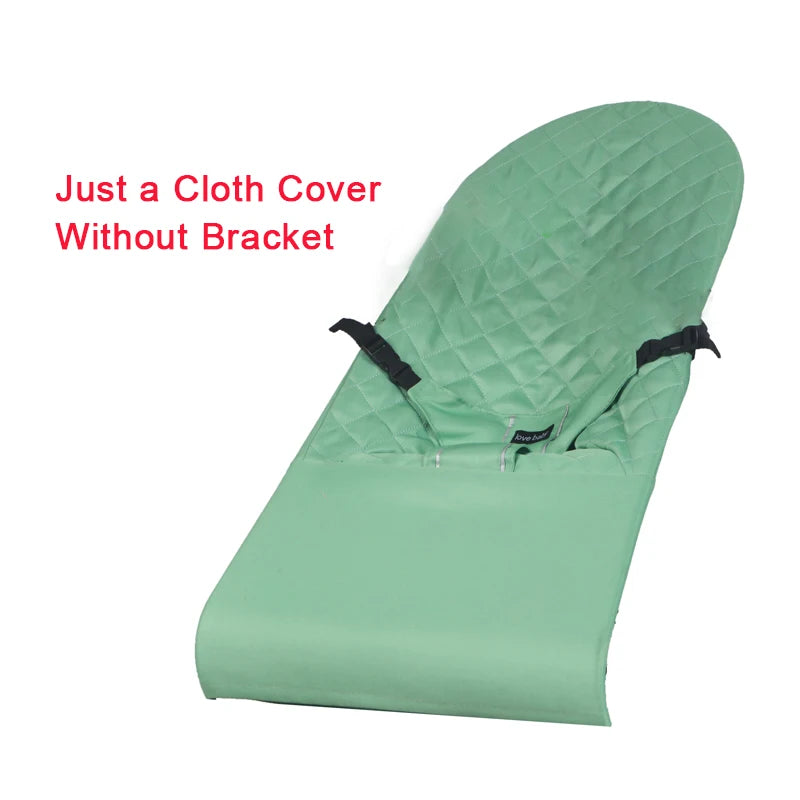
keep rocking chair comfortable - KentDO Mom & Baby 💡 See it in action.
Why your rocking chair feels worn (and what that means)
Understanding the problem makes the solution much easier. Most rocking chairs lose comfort because cushion fill compresses, seams fatigue, or covers slip—combining to reduce support where you need it most (lower back and tailbone).
Common pain points
- Thin cushions that compress quickly and cause pressure points.
- Backrests with low loft that don’t support the lumbar curve.
- Seat sag near the edge that creates sliding and poor posture.
- Slip covers that shift and expose seams or foam edges.
Quick cushion hacks that work today
Small changes give big comfort. Try these high-impact tweaks before you consider a full re-upholstery.
1. Add a thin contoured lumbar pad
Place a 2–3 cm memory foam lumbar pad behind your lower back. It restores the natural curve and reduces back strain during long sits.
2. Layer a thin high-density foam under the seat
For sagging seats, a high-density foam sheet cut to the seat size evens the surface and raises the sitting height slightly—great for feeding posture.
3. Use a wedge or donut under the tailbone
A small wedge or donut pad removes direct pressure on the tailbone while allowing rocking motion to remain smooth.
4. Secure with a fitted cloth cover
A fitted cover holds pads in place and reduces slipping. Choose breathable fabric for comfort and easy washing.
Step-by-step: fix it in under 30 minutes
Follow this simple sequence to restore comfort fast. No tools required for most steps.
- Remove existing loose cushions and assess where the seat dips.
- Cut a high-density foam pad to the seat base if the seat sags (use scissors or a serrated knife).
- Place a contoured lumbar pad against the backrest and test for support.
- Add a thin tailbone donut if needed and sit to test pressure relief.
- Put on a fitted cloth cover and secure ties—test for sliding by rocking slowly.
- Adjust layers until rocking feels smooth and supportive.
Practical tip
Work in layers: start with the foam base, then lumbar, then tailbone pad, then cover. You can fine-tune without redoing everything.
Best materials & tools to use
Choosing the right fill and cover fabric will change the chair’s comfort profile more than any aesthetic choice.
| Use | Material | Why it works |
|---|---|---|
| Seat base | High-density foam (1–2 in) | Provides firm, even support and resists sagging. |
| Lumbar | Memory foam contour | Molds to shape for lower-back comfort. |
| Cover | Cotton blend or breathable microfiber | Breathable, washable, and gentle for baby contact. |
Where to place foam for best effect
- Full seat coverage if entire seat sags.
- Half-seat under the back half to prevent sliding forward.
- Thin strips near the edges to raise and stabilize.
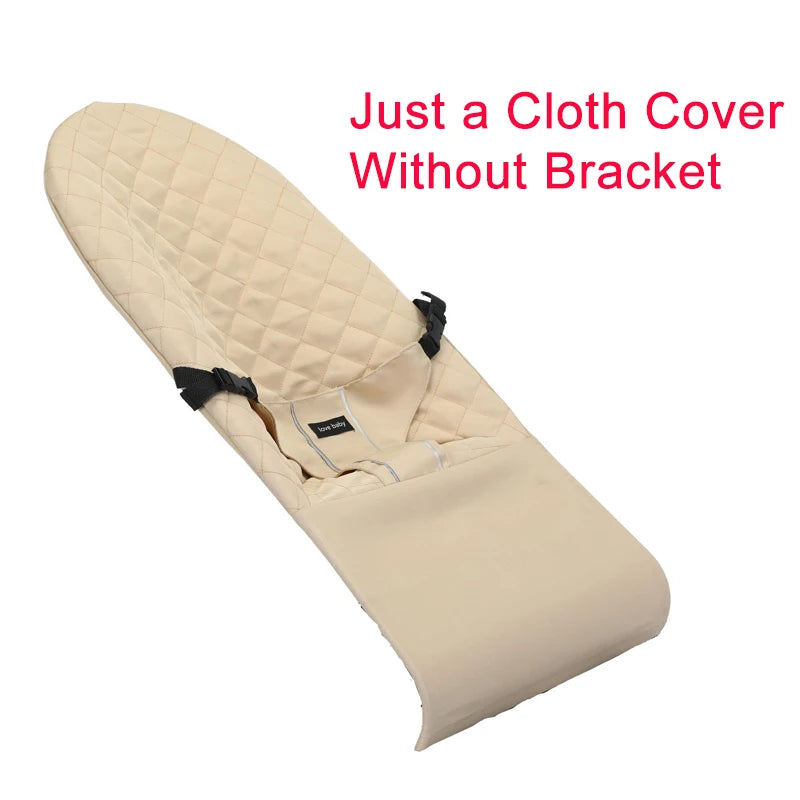
keep rocking chair comfortable - KentDO Mom & Baby 💡 See it in action.
Before / After: what to expect
Real parents report clearer gains than the cost suggests: less back soreness, shorter rocking recovery time, and an easier time settling infants.
- Before: sagging seat, pressure at tailbone, slipping cover.
- After: raised seat height, reduced tailbone pressure, stable cover, softer back support.
Simple care to keep comfort longer
- Rotate cushions monthly so fill wears evenly.
- Air out foam pads in sun for a few hours to freshen (avoid prolonged UV exposure).
- Wash covers per label and re-secure straps after each wash.
- Replace thin foam every 12–18 months if used daily.
A trusted, easy pick to make upgrades painless
For an instant, no-sew refresh, a fitted cloth cover plus interior foam pads creates a tidy, supportive solution that’s machine-washable and baby-friendly. This combination saves time and avoids complicated upholstery fixes.
Product to try: Baby rocking chair cloth cover — pairs well with foam pads and keeps everything secured during rocking and feeds.
Why this setup stands out
This approach pairs cradle-like comfort with practical hygiene. The cover keeps pads in place and is easy to clean; the foam beneath restores seat height and evens pressure—so you spend less time fussing and more time enjoying quiet moments with your child.
Mini FAQ
-
How long will these hacks last?
With daily use, expect high-density foam to stay effective 12–18 months; covers last longer if washed gently and rotated.
-
Will adding foam change rocking motion?
Only slightly. Thin, even foam preserves the chair’s natural curve and smooth rocking—avoid thick, hard blocks that stop the motion.
-
Are these materials safe for newborn contact?
Yes—choose breathable, OEKO-TEX or similarly labeled fabrics and foam with low VOCs. Always keep the baby supervised while on the chair.
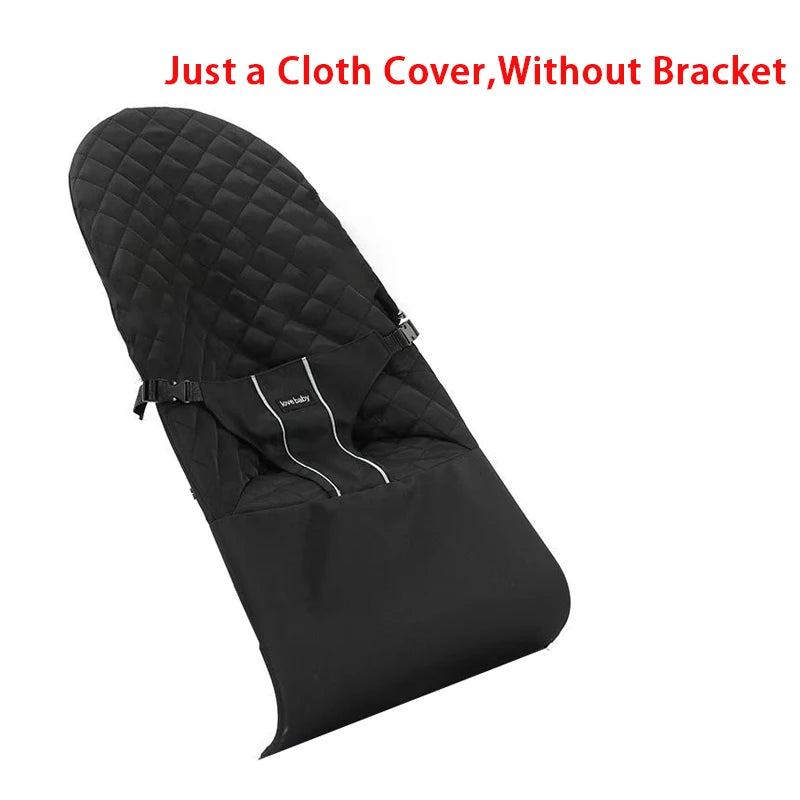
keep rocking chair comfortable - KentDO Mom & Baby 💡 See it in action.
Final thoughts: small changes, big comfort
Keeping your rocking chair comfortable doesn’t require a full overhaul. By targeting sagging areas, adding contouring for the lower back, and securing everything with a breathable cover, you’ll restore support and enjoy calmer, more comfortable moments with your baby. These small, reversible updates are budget-friendly and parent-approved.
Related collections to explore: Baby Care Essentials, Mom Essentials, Sleep & Comfort.
FAQ
- How quickly can I make these fixes?
- Most people complete the basic layering and cover fit in under 30 minutes.
- Will this help with lower back pain?
- Yes—adding lumbar support and redistributing pressure typically reduces lower-back discomfort during long sits.
- Can I machine wash the cover?
- Check the cover label; most cotton-blend fitted covers are machine-washable on gentle cycles.
Pillar Article: How to Clean Baby Chair: Step-by-Step Guide for Busy Parents
Other Related Articles:
- Protect Infant Chair Fabric: Easy Daily Maintenance Tips
- Indoor Rocking Chair Cushion Tips: Maximize Comfort and Safety
- Cushion for a Rocking Chair: How to Install and Maintain Comfort
Explore More:





