

Does a nail trimmer electric really make newborn nail care safer and easier?
Answer: Yes — a nail trimmer electric designed for infants reduces slip-and-cut risks by using gentle, rotating sanding or filing heads, low-speed settings, and soft pads that protect delicate skin. For newborns and sensitive nails, it offers predictable control, less stress for parents, and fewer scratched faces within minutes.
⏱ 12 min readNail Trimmer Electric Uses: Best Ways to Tackle Every Nail Type Safely
A nail trimmer newborn tool should feel safe, soft, and stress-free, giving parents a gentler way to shape tiny nails without slips or scratches. This guide reveals why calmer, low-pressure trimming methods work better than traditional clippers and how nan benefits save time and reduce anxiety. Ready to discover what most parents overlook?
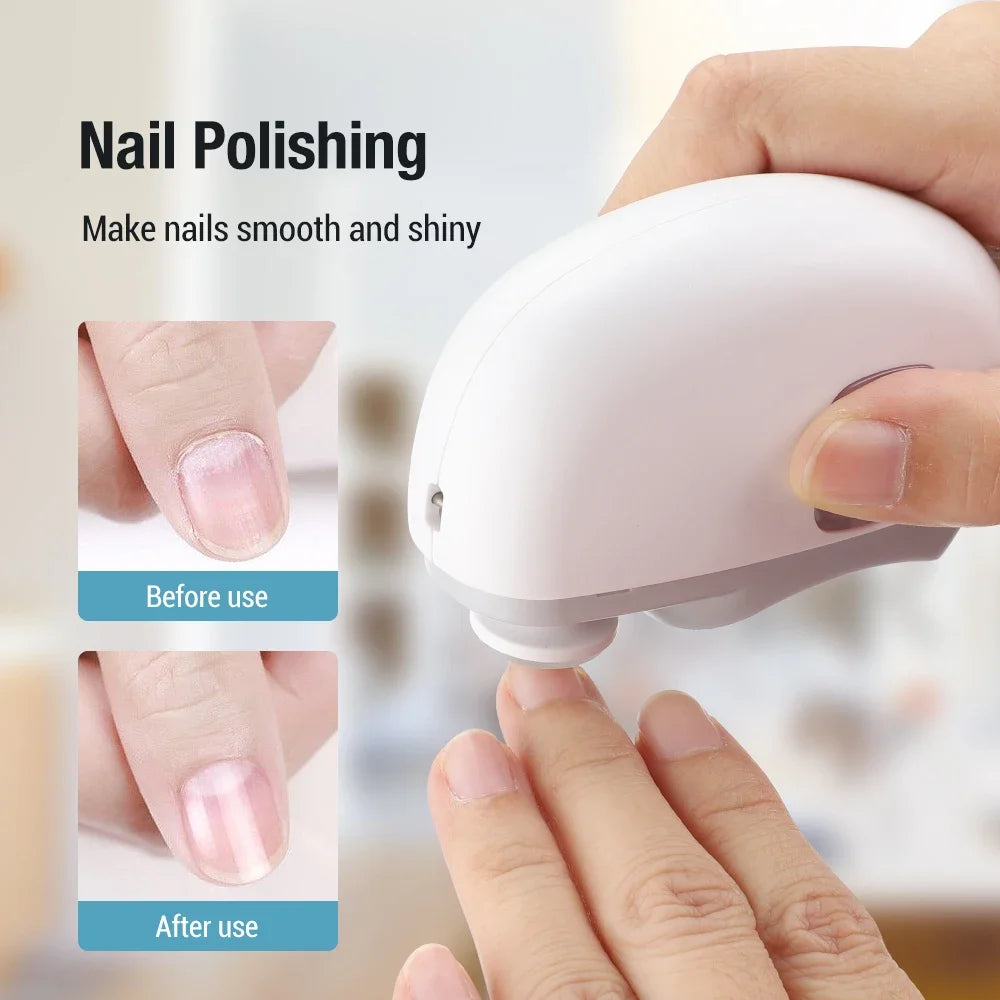
nail trimmer electric, nan — 💡 See it in action.
Why choose an electric nail trimmer?
Electric trimmers offer steady control, reduced risk of nicks, and often multiple grit heads for different nail types. For newborns, the key benefits are safety, predictability, and a quieter, calmer trimming experience — especially helpful during fussy evenings or naptime.
Which nails need special care?
- Newborn nails: Very thin, flexible, and fast-growing. They tear easily and can cause scratches.
- Soft nails: Bend rather than cut cleanly — filing with a low-grit head helps.
- Brittle nails: Chip or split — use gentle, higher-grit smoothing pads and low speed.
- Thick nails: (Often in toddlers or older kids) Need a firmer grit and more time; choose a higher-torque setting and coarser head.
Which baby gear suits your newborn best? Read on!
How to use a nail trimmer electric — step-by-step
Below are concise steps to start using a nail trimmer electric safely on newborns, infants, and toddlers. Follow them in order for predictable results.
- Choose a quiet, well-lit spot with a soft surface and a burp cloth under baby.
- Select the appropriate head (soft pad for newborns; medium for toddlers).
- Turn device to the lowest speed and test on your own thumbnail first.
- Hold baby's finger with light pressure and guide the trimmer along the nail edge — don't press hard.
- Inspect the nail and finish with a smoothing head for snags.
- Repeat weekly or as needed — nails grow fast in early months.
Best settings for soft, brittle, and thick nails
| Nail type | Speed | Head grit | Tip |
|---|---|---|---|
| Newborn/very soft | Low | Extra-fine (soft) | Short sessions, light pressure |
| Soft (infants) | Low–medium | Fine | Use smoothing head to finish |
| Brittle | Low | Fine+polish | Polish lightly — avoid repeated passes |
| Thick (toddlers) | Medium | Coarse to medium | Work slowly; take breaks to avoid heat buildup |
Safety checklist every parent should follow
- Always test the device on your own skin first.
- Use the lowest setting possible for baby nails.
- Keep a gentle but secure hold on the finger — stabilize the hand, not the trimmer.
- Do short 10–15 second passes; don't over-file a single spot.
- Check for redness or heat on the nail — stop if present.
- Store the device away from curious toddlers and dry before storing.
Quick comparison: electric trimmer vs clippers vs files
Here's a clear-to-scan pros/cons list so you can pick the right approach for your household.
| Tool | Pros | Cons |
|---|---|---|
| Electric trimmer | Gentle, predictable, less slicing risk, works on many nail types | Requires power/battery, initial learning curve |
| Traditional clippers | Very quick for older kids, no charging | High risk of nicking thin nails, stress for fussy babies |
| Manual emery boards | Cheap, portable, great finishing touch | Slow, can cause jagged edges on thicker nails |
Match product features to real parent needs
Parents choose nail trimmers for different reasons — safety, speed, noiselessness, or multi-use in travel. Below we map common parenting pain points to product features so you can see how a single device can feel made for you.
Pain points & feature match
- Wakes the baby: Look for low-RPM motors and cushioned heads.
- Afraid of cutting skin: Choose devices with protective heads and gentle sanding action.
- Different nail types: Multi-head systems (soft, medium, coarse) handle newborn to toddler nails.
- On-the-go: Battery-powered, compact designs that fit diaper bag pockets.
When you spot features that solve your exact worry, you feel less like you’re buying a gadget and more like you’re adding a safety tool to your routine.
Night & travel routines that actually work
Small changes turn a stressful nail trim into a calm, 3–5 minute ritual.
- Night routine: Trim after a warm bath when nails are softer and baby is drowsy. Keep lights dim and use low motor setting.
- Travel kit: Pack the trimmer, extra heads, baby wipes, and a small towel. Bring a soft toy for distraction.
- Emergency touch-up: Keep an emery board in your bag to smooth snags between sessions.
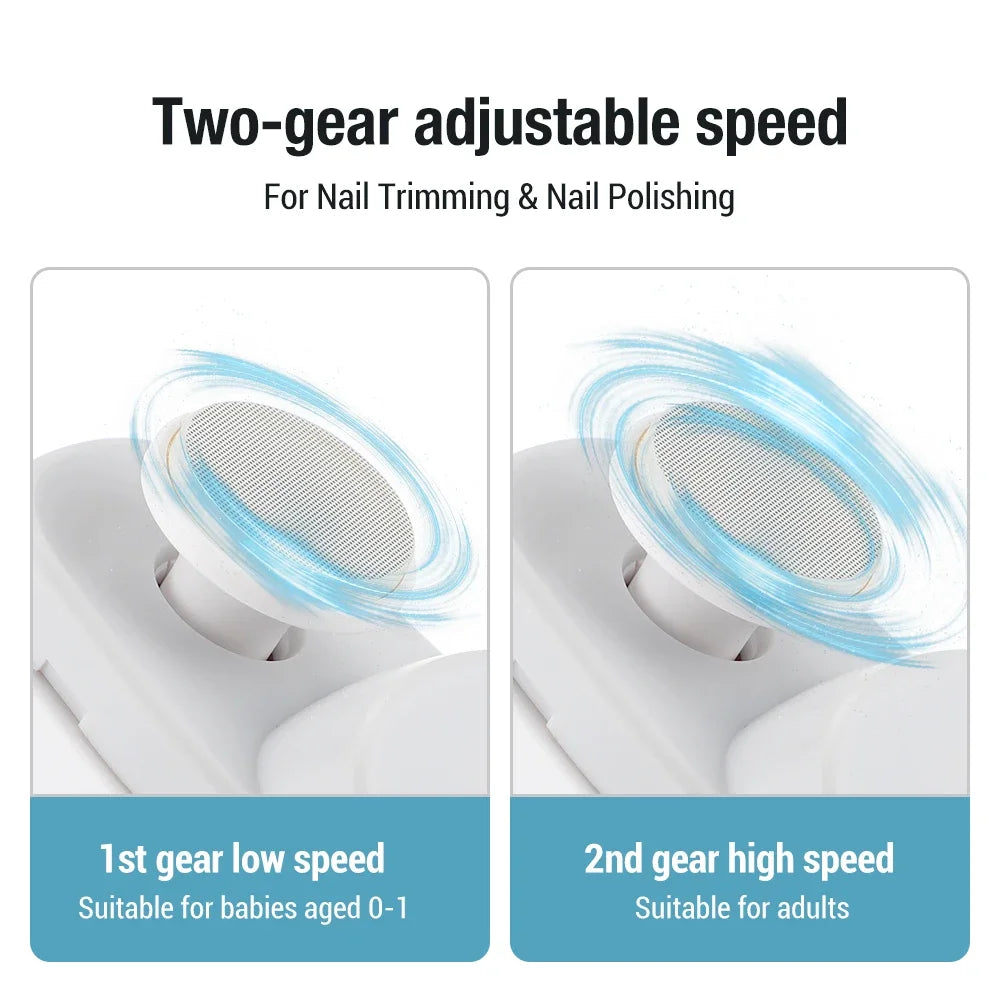
nail trimmer electric, nan — 💡 See it in action.
Real parent stories & expert advice
Social proof matters. Short parent anecdotes and expert tips lower anxiety and boost trust.
Parent stories
- "I used to dread trimming—now it's two minutes while she dozes." — Anna, mom of 1.
- "The soft head saved us — no more scratches on baby's cheeks." — Mark, dad of twins.
Expert tips
- Pediatric nurse: Keep nails short but rounded; avoid square edges.
- Pediatric dermatologist: For brittle nails, a single gentle pass and add a moisturizing emollient afterwards.
Care, cleaning, and when to replace heads
Good maintenance extends performance and safety.
- Remove and clean heads after every few uses with warm, soapy water (if manufacturer-approved).
- Allow all parts to dry fully before reassembly to prevent mold.
- Replace sanding heads every 3–6 months with regular use, sooner if worn or discolored.
- Keep spare heads on hand — some kits include child-safe replacement sets.
Pros / Cons — Is an electric trimmer right for your family?
| Benefit | Why it matters |
|---|---|
| Lower cut-risk | Rotating/sanding action reduces sudden slices compared to clippers. |
| Versatile heads | One device fits newborn to toddler nails — cost-effective and space-saving. |
| Quiet options | Lower noise helps keep baby calm during trims. |
| Battery dependency | Can be inconvenient if batteries die mid-session — keep spares or charge regularly. |
| Initial learning curve | Takes 1–2 sessions to get comfortable, but results are consistently gentler. |
Use-case breakdown: How families actually use a nail trimmer electric
Newborn care: reducing scratches fast
New parents often fret about the tiny, sharp nails that scratch a newborn's face. Electric trimmers let you remove only the sharp tip, leaving the nail smooth. A short, focused session once or twice a week is typically enough in the first two months.
Infant grooming: consistent, low-drama upkeep
Between 2–9 months nails grow quickly. A device with a soft and medium head makes quick work of routine trimming while baby feeds or drowses.
Toddler maintenance: tackling thicker nails
Toddlers' nails can be thicker. Use a medium-to-coarse head at a slightly higher speed, but keep sessions short and end with a smoothing pass to prevent snagging on clothing.
Related devices and cross-sell opportunities
To build a complete infant-care toolkit, pair a nail trimmer with:
- Baby Care Essentials — gentle thermometers and humidifiers for comfortable trimming conditions.
- Baby Nail Care Tools — spare heads and travel cases for portability.
- Baby Hygiene Gadgets — compact organizers to keep grooming tools together.
Buying guide: what to look for when buying a nail trimmer electric
- Multiple grit heads: Prefer kits with at least three head types (soft, medium, coarse).
- Adjustable speeds: Low speeds for newborns; medium for older kids.
- Quiet motor: ≤40 dB is ideal so you won't disturb sleeping babies.
- Ergonomic handle: Non-slip grip for one-handed stability.
- Easy-clean parts: Removable heads and water-washable components speed maintenance.
- Battery life / USB charging: Prefer rechargeable with USB for travel convenience.
- Protective covers: Safety lock or cap helps prevent accidental runs in diaper bag.
Mini case study: A week of switching from clippers to an electric trimmer
Scenario: First-time parents, baby 6 weeks, frequent face scratches.
- Day 1: Tried soft head; baby startled once but settled with a feeding.
- Day 3: Parents confident — two-minute session without tears.
- End of week: No new scratches; parents report less anxiety and faster bedtime routine.
Common mistakes and how to avoid them
- Pressing too hard: Let the head do the work — gentle guidance only.
- Using wrong head: Picking a coarse head for newborns causes heat and discomfort.
- Skipping smoothing: Finish with fine grit to remove burrs that snag clothing.
- Over-trimming: Trim small amounts more often rather than aggressive sessions.
What safety features to expect and why they matter
- Soft rotational heads to avoid sharp edges.
- Low-RPM motors to reduce heat and sudden jerks.
- Protective caps and child-lock features for storage safety.
- FDA/CE markings if applicable — look for product certifications when available.
When NOT to use an electric trimmer
- On infected or inflamed nails — consult pediatrician first.
- If device is hot after long use — let it cool or switch heads to prevent skin irritation.
- When baby is extremely unsettled — wait for calm or post-feed drowsiness for a safer session.
Costs & value: Is it worth buying?
Consider device cost vs. time saved, reduced stress, and fewer clinic visits for accidental nicks. For many families, the peace of mind and easier nightly routine create fast payback in reduced stress and smoother bedtimes.
Decision time — ready to switch?
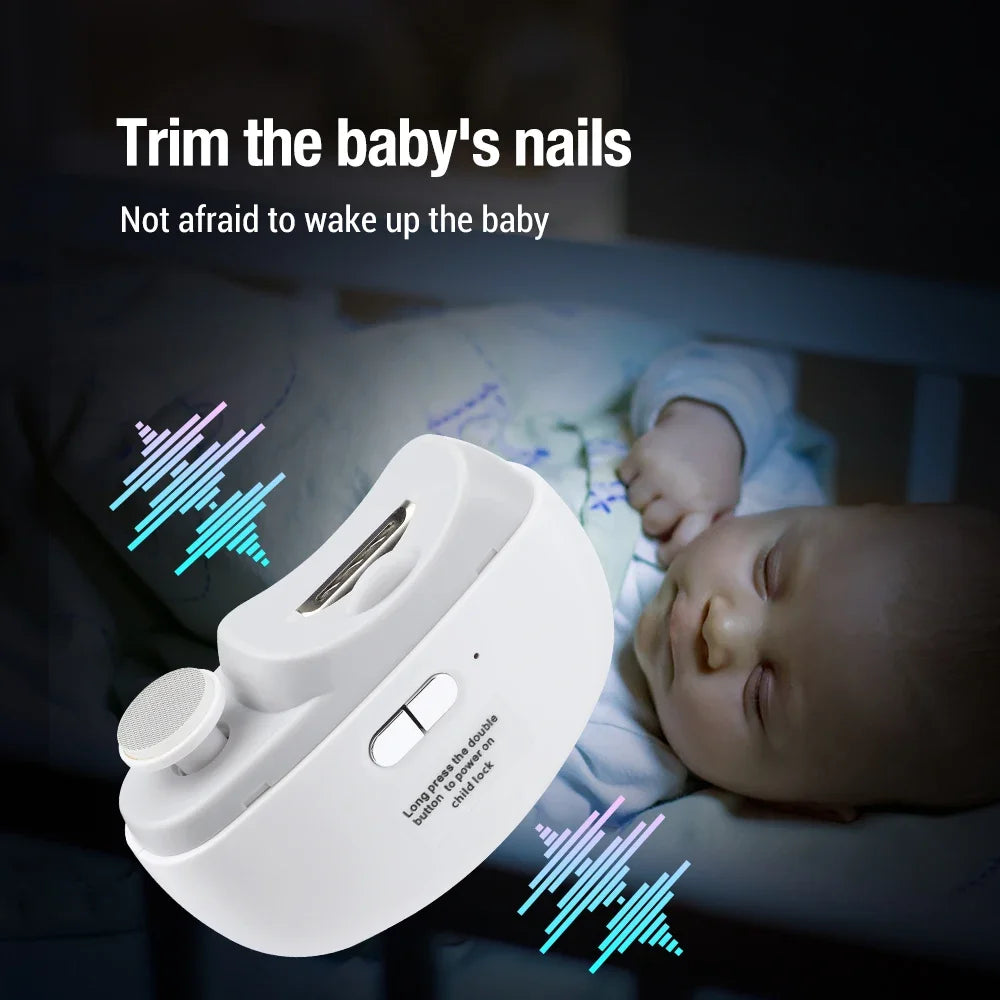
nail trimmer electric, nan — 💡 See it in action.
Short checklist before your first electric trim
- Charge batteries / bring spares.
- Choose the softest head for newborns.
- Prepare a calm environment (warm towel, dim light).
- Test on your thumbnail first.
- Keep a soothing feed or song ready.
Mini-FAQ
- Q: Is a nail trimmer electric safe for newborns?
- A: Yes — when used on the lowest setting with a soft head, electric trimmers are designed to reduce the risk of cuts and are widely recommended for delicate newborn nails.
- Q: How often should I trim my newborn’s nails?
- A: Newborns grow nails quickly — check weekly and trim as needed, typically once every 5–10 days to prevent scratching.
- Q: Can electric trimmers damage nails?
- A: Only if used too aggressively. Use light pressure, short passes, and finish with a smoothing head to avoid heat or thinning of the nail.
- Q: Do I need multiple heads?
- A: Multi-head kits let you cover newborn to toddler nails. Keep a soft head for infants and medium/coarse heads for older kids.
- Q: What if my baby moves suddenly?
- A: Pause, stabilize the hand, and resume only when the baby is calm. Use a low-speed setting to minimize risk of nicks.
If you’re comparing models, look for low noise, multiple grit heads, rechargeable power, and good manufacturer support.
Related reads: More gentle baby gear and guides are available for deeper routine ideas at our Baby Care Tips & Advice and practical product picks in Baby Nail Care Tools.
Related Articles:
- Nail Trimmer for Thick Nails: How to Cut Tough, Overgrown Nails Painlessly
- Nail Trimmer Newborn Guide: Why Gentler Tools Work Best for Tiny Nails
Pillar Articles:





