

Does using newborn burp cloths really reduce mess and outfit changes?
Yes — newborn burp cloths help reduce spit-up messes, drool, and milk dribbles by absorbing moisture before it soaks through clothing. Soft, highly absorbent fabrics such as bamboo-cotton blends and multilayer muslin help protect your baby's sensitive skin, reduce outfit changes, and make feeding routines more convenient. While every baby spits up differently, keeping quality burp cloths within reach can significantly reduce daily clean-up and laundry.
⏱ 8 min read
Newborn Burp Cloths: Comparing the Best Sets for Everyday Use
Whether you're breastfeeding, bottle-feeding, or doing a mix of both, newborn burp cloths quickly become one of the most frequently used baby essentials. They protect your clothes during burping, keep your baby's skin dry, and simplify unexpected clean-ups throughout the day. This guide explains when burp cloths are truly necessary, what makes a quality burp cloth, and how to choose the right option for your family's daily routine.
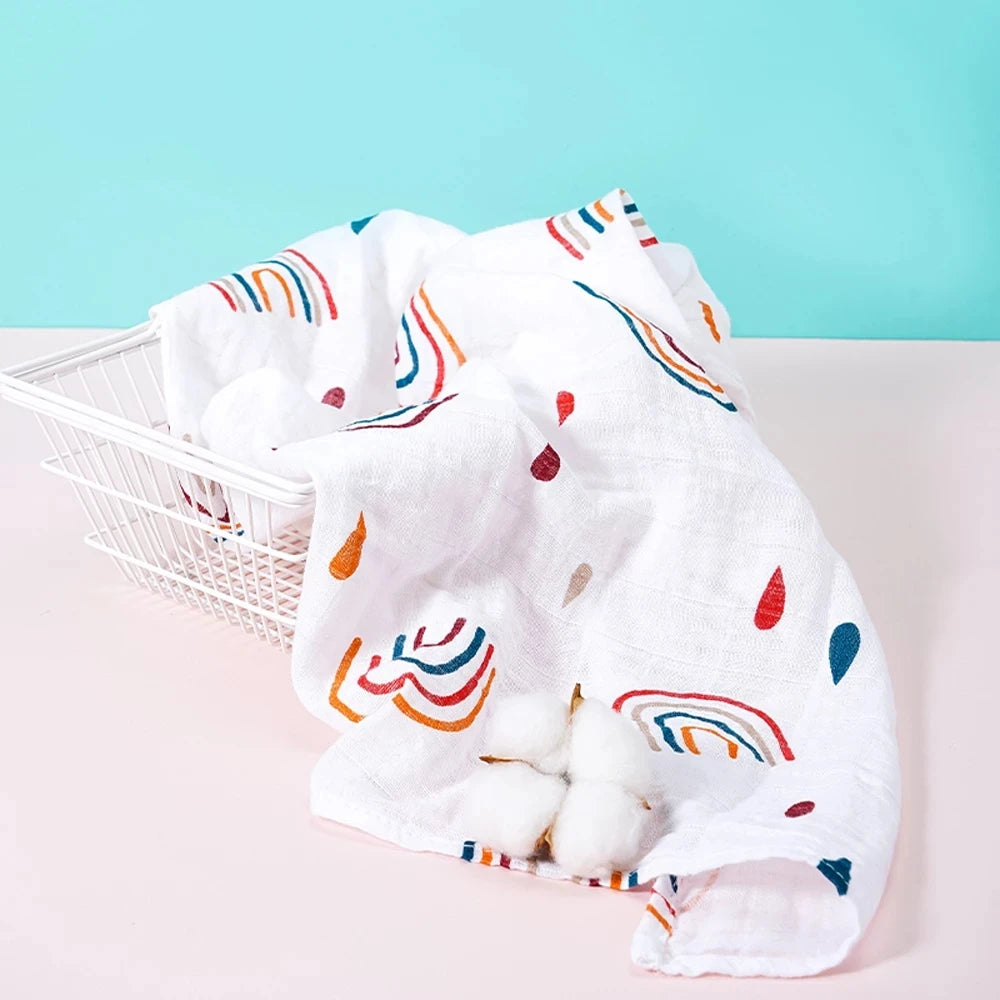
newborn burp cloths, nan — See it in action
Why newborn burp cloths matter (and when they become essential)
Newborn burp cloths are more than a convenient accessory—they're one of the simplest ways to keep feeding time cleaner and more comfortable. Placed over your shoulder or under your baby's chin, they catch spit-up, milk dribbles, and drool before moisture reaches clothing or delicate skin.
They become especially valuable if your baby feeds frequently, has mild reflux, spits up often, or experiences sensitive skin that can become irritated by damp clothing. Even babies who rarely spit up benefit from having a clean cloth nearby for wiping milk, cleaning little hands, or protecting surfaces during feeding.
Common pain points burp cloths solve
- Reducing frequent outfit changes caused by spit-up and drool.
- Keeping moisture away from sensitive newborn skin.
- Lowering laundry volume by protecting both parent and baby clothing.
- Providing a reusable, more practical alternative to disposable wipes for routine feeding clean-ups.
- Making feeding sessions easier whether breastfeeding, bottle-feeding, or combination feeding.
Which baby gear suits your newborn best? Read on!
What to look for when buying newborn burp cloths
Choosing the right burp cloth is about more than picking a soft fabric. The best option should match your baby's feeding habits, provide enough coverage for your shoulder, and remain absorbent after repeated washing. Paying attention to a few key features helps you find cloths that stay useful throughout the newborn months.
Absorbency and fabric
- Multiple absorbent layers: Two or more layers help capture milk and spit-up before it reaches clothing.
- Bamboo-cotton blends: Exceptionally soft, highly absorbent, and well suited for babies with sensitive skin.
- Combed cotton: Durable, breathable, and easy to maintain for everyday use.
- Terry backing: Ideal if your baby experiences frequent or heavier spit-up.
Size
Larger rectangular burp cloths generally provide better shoulder and chest coverage, helping protect both parent and baby during burping. Compact cloths are easier to pack in a diaper bag but may require more frequent changes.
Absorbency and durability
- Reinforced edges: Double-stitched hems help prevent fraying after repeated washing.
- Machine-washable materials: Fabrics that retain softness and absorbency through frequent laundering offer better long-term value.
- Easy care: Avoid bleach and fabric softeners, which can reduce absorbency over time.
Quick buying checklist
- Choose cloths with multiple absorbent layers.
- Select soft fabrics suitable for newborn skin.
- Look for generous shoulder coverage if your baby spits up frequently.
- Check for durable stitching designed for regular washing.
- Keep enough cloths available to match your laundry routine.
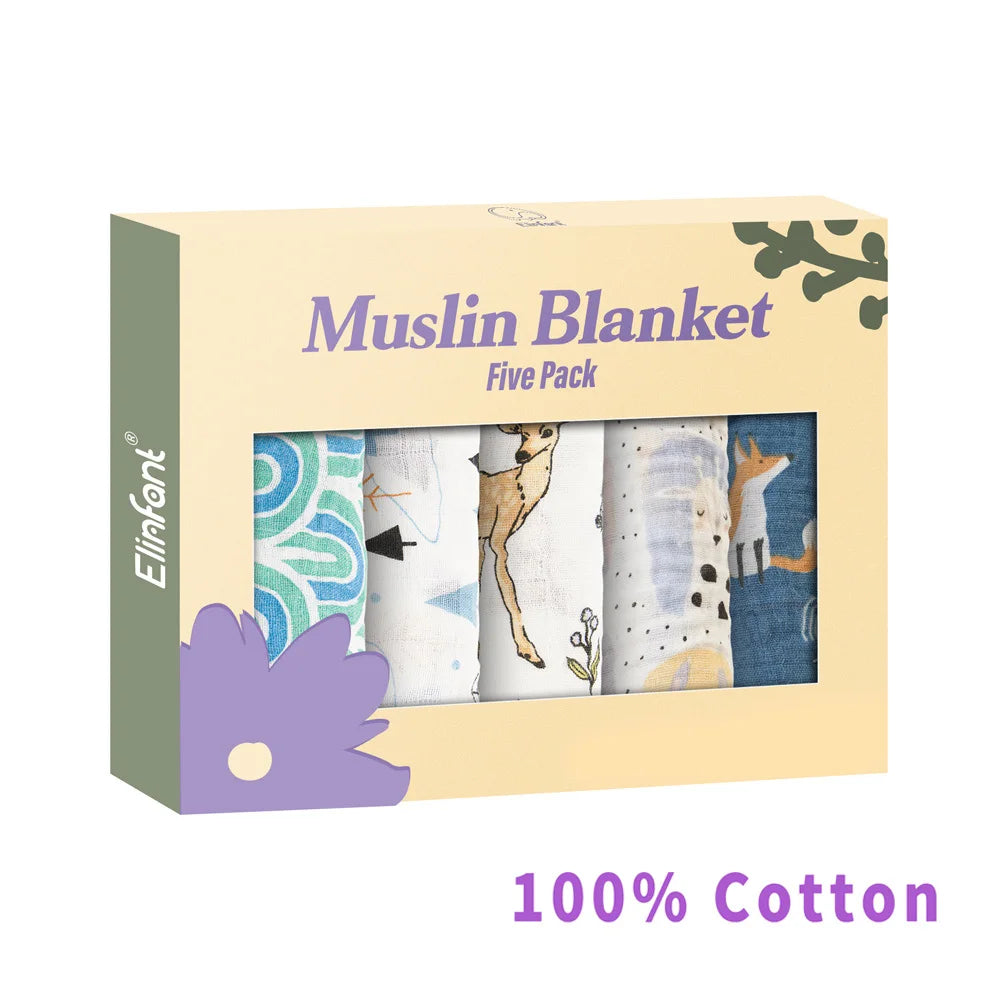
newborn burp cloths, nan — See it in action
How to use, wash, and keep burp cloths soft
Using burp cloths correctly and caring for them properly helps maintain their absorbency, softness, and durability throughout your baby's first months. A simple washing routine also keeps them hygienic for frequent daily use.
Best practices for everyday use
- Place the burp cloth over your shoulder before lifting your baby to burp.
- Position a clean section beneath your baby's chin during feeding to catch milk dribbles.
- Replace the cloth whenever it becomes heavily soiled or damp.
- Keep several clean cloths within easy reach at your favorite feeding locations.
Washing and storage
- Pre-wash new burp cloths before first use to improve absorbency.
- Wash with a mild, fragrance-free detergent on a warm cycle.
- Avoid fabric softeners and bleach, which can reduce absorbency and shorten fabric life.
- Tumble dry on low heat or air dry to help preserve softness and minimize shrinkage.
- Store folded cloths in clean, dry areas near feeding stations or inside your diaper bag.
How long do you use burp cloths?
Most families use burp cloths most frequently during the first 6 to 9 months, when spit-up and frequent feedings are common. Many parents continue using them well into the toddler years for wiping faces, cleaning small spills, or protecting clothing during snacks and drinks.
Daily practical setup
- Keep one burp cloth over your shoulder during every feeding.
- Place another beneath your baby when feeding or burping to protect clothing and cushions.
- Carry two or three clean cloths in your diaper bag for outings.
- Store a small stack beside your nursing chair, changing table, or bottle-preparation area for quick access.
For families looking to complete their everyday feeding routine, the bamboo-cotton baby bib set pairs well with burp cloths by providing extra protection during feedings while helping keep clothing dry between burping sessions.
Related resources for expanding your newborn care routine include Feeding & Nursing , Baby Care Essentials , and Mom Essentials .
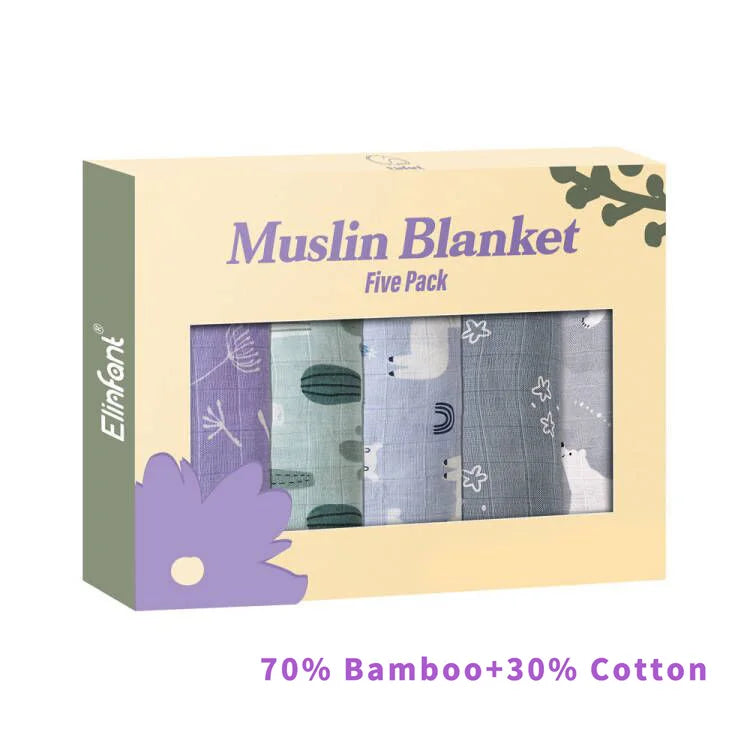
newborn burp cloths, nan — See it in action
Frequently asked questions
-
Are burp cloths necessary for every newborn?
They are highly recommended for most families because even babies who spit up occasionally can drool or dribble milk during feedings. However, babies who rarely spit up may simply need fewer cloths. -
Do breastfed babies need burp cloths?
Yes. Breastfed babies can still spit up or leak milk during feeding sessions, making burp cloths useful for protecting both baby and caregiver clothing. -
Can I use a washcloth instead of a burp cloth?
A washcloth works for quick clean-ups but is usually smaller and less absorbent than a burp cloth. Burp cloths provide better shoulder coverage during burping. -
Can muslin blankets replace burp cloths?
Folded muslin blankets can work temporarily, but dedicated burp cloths are easier to handle, more absorbent, and designed specifically for feeding routines. -
Can bibs be used as burp cloths?
Bibs protect your baby's clothing while feeding, whereas burp cloths protect the caregiver and provide a surface for catching spit-up. Many parents use both together for the best coverage. -
How many burp cloths should I register for?
Most families find that 8 to 12 burp cloths provide a comfortable rotation between laundry days. Babies with frequent reflux or heavy spit-up may benefit from having more. -
What size burp cloth works best?
A larger rectangular burp cloth offers better shoulder coverage and catches more spit-up, while compact sizes are convenient for travel and diaper bags. -
How long will my baby use burp cloths?
Most parents use them regularly throughout the first year, and many continue using them afterward for wiping faces, cleaning spills, and everyday messes.
Choosing soft, absorbent burp cloths that fit your feeding routine helps reduce clothing changes, keeps your baby more comfortable, and simplifies daily clean-up. Bamboo-cotton blends are an excellent all-around choice, while muslin offers faster drying and terry fabrics provide additional absorbency for heavier spit-up.
Feeding & Nursing and Baby Care Essentials offer additional products and resources to help build a practical newborn feeding setup.
If you're ready to build a coordinated feeding kit, the bamboo-cotton baby bib set complements high-quality burp cloths by adding another layer of protection during everyday feedings.
Pillar Article: Newborn Spit Up Issues: In-Depth Review of Top Solutions
Other Related Articles:
Explore More:





