

Do newborn burp cloths really keep your baby dry?
Answer: Yes—high-quality newborn burp cloths with multiple absorbent layers and a moisture-resistant backing help prevent soaked clothes, reduce skin irritation, and minimize outfit changes during and after feeds. :contentReference[oaicite:0]{index=0}
Best Burp Cloths for Newborns: Top Picks Compared
⏱ 7 min read
Choosing the best burp cloths for newborns can dramatically reduce mess, laundry, and stress during feeding. The right fabric, size, and absorbency level determine whether you need one quick wipe—or a full outfit change.
Best Burp Cloths for Newborns: Top Picks Compared
Quick comparison table
| Type | Absorbency | Best for | Notes |
|---|---|---|---|
| Muslin | Low | Light drool | Breathable, quick-dry |
| Cotton (multi-layer) | High | Frequent spit-up | Reliable everyday option |
| Bamboo blend | Very high | Sensitive skin | Softest and gentle |
| Waterproof-backed | High + barrier | Travel | Prevents soak-through |
How we tested and selected the best burp cloths
We evaluated burp cloths based on real feeding scenarios, focusing on absorbency, softness, coverage, and durability after repeated washing cycles.
Best overall
Bamboo-cotton blends offer the best balance of softness, absorbency, and durability.
Best muslin burp cloth
Ideal for hot climates and light drool, thanks to breathability and fast drying.
Best cotton burp cloth
Multi-layer cotton provides consistent absorption for daily use.
Best bamboo burp cloth
Ultra-soft and gentle, perfect for newborn skin sensitivity.
Best organic option
Organic cotton options reduce exposure to harsh chemicals.
Best for heavy spit-up
Thick multi-layer or waterproof-backed cloths handle larger volumes.
Best budget pack
Muslin packs provide affordability but require frequent rotation.
Best for travel
Waterproof-backed cloths protect car seats and strollers effectively.
How We Tested the Best Burp Cloths
Absorbency testing
Measured how much liquid each cloth retained before leaking.
Wash and shrinkage testing
Repeated washing cycles to assess durability and shape retention.
Softness for newborn skin
Evaluated texture against sensitive skin standards.
Coverage during feeding
Tested real-world positioning on shoulder and chest areas.
What Makes a Great Burp Cloth for a Newborn?
Are burp cloths necessary for newborns?
Yes—newborns frequently spit up, and burp cloths help protect clothing and skin.
What size burp cloth is best?
Larger cloths (around 20x10 inches) provide better shoulder coverage.
How do I choose the right size burp cloth for my baby?
Choose a size that covers both shoulder and chest to catch spills effectively.
Muslin vs Cotton vs Bamboo: Which Burp Cloth Material Is Best?
Muslin
Lightweight, breathable, and best for minor drool.
Cotton
Durable and absorbent, ideal for daily feeding routines.
Bamboo
Soft, hypoallergenic, and highly absorbent—great for sensitive skin.
Organic fabrics
Free from harmful chemicals, suitable for eco-conscious parents.
Buying Guide: How to Choose the Right Burp Cloth
Absorbency
Look for multi-layer fabrics or dense weaves.
Size and shape
Larger cloths offer better protection.
Layers and thickness
More layers increase absorbency but may reduce flexibility.
Washability and durability
Choose materials that withstand frequent washing.
Value per pack
Balance price with long-term durability.
Care, Washing, and How Many Burp Cloths You Need
How many burp cloths do you need?
Typically 10–15 cloths ensure a steady rotation.
How to wash burp cloths
- Pre-wash before first use
- Use mild detergent
- Avoid fabric softeners
Prevent shrinking and odors
Air-dry when possible and wash regularly to maintain hygiene.
Product roundup: which burp cloth set fits your routine?
Want to see a practical set that balances softness and protection? Check this product: Bamboo cotton bib set — often paired with thicker burp cloths for night feeds.
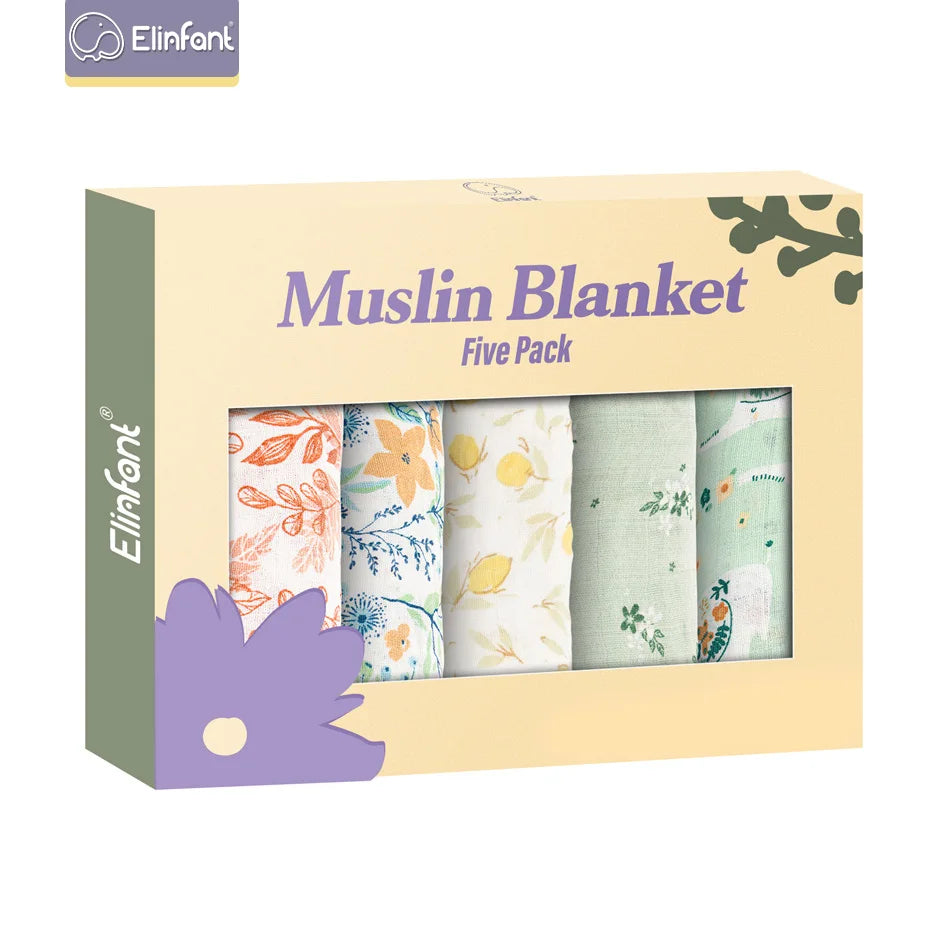
newborn burp cloths - KentDO. See it in action
Frequently Asked Questions
Are burp cloths necessary for newborns?
Yes, they help manage spit-up and keep your baby dry.
What size burp cloth is best?
Medium-to-large cloths provide better protection.
How many burp cloths do you need?
At least 10–15 for daily use.
Muslin vs cotton burp cloths: which is better?
Cotton absorbs more, while muslin is more breathable.
How often should I change a burp cloth?
Immediately after it becomes wet or soiled.
Are bamboo burp cloths safe for sensitive skin?
Yes, they are soft and generally hypoallergenic.
Pillar Article: Feeding Tips for Newborn: Top Products Reviewed for Busy Parents
Other Related Articles:
- Why My Newborn Keeps Spitting Up: Products That Actually Help
- Infant Feeding Problems: Review of Solutions Every Parent Needs
- Tips for Bottle Feeding Newborn: Products That Make Life Easier
- Best Bibs for Newborns: Comparing Soft, Breathable Options
Explore More:





