

Do newborn spit up issues really need a product fix?
Not always. Most newborn spit up issues improve with simple feeding adjustments, proper burping, and time as your baby's digestive system matures. Supportive products such as absorbent bamboo cotton bibs, burp cloths, and slow-flow feeding accessories can make cleanup easier and help protect your baby's skin, but they work best alongside safe feeding techniques rather than replacing them.
Newborn Spit Up Issues: In-Depth Review of Top Solutions
Newborn spit up is one of the most common concerns during the first months of life. While frequent spit-up can look alarming, it is usually a normal part of infant development caused by an immature digestive system. This guide explains why babies spit up, which changes can reduce episodes, when supportive baby products are useful, and the warning signs that deserve medical attention. By understanding the causes behind newborn spit up issues, parents can respond with confidence instead of worry.
⏱ 22 min read
Why do newborns spit up so much?
Newborn spit up issues are usually caused by a combination of an immature lower esophageal sphincter, a tiny stomach capacity, and swallowed air during feeds. Milk can easily flow back into the esophagus after feeding, especially if babies eat quickly or are laid flat immediately afterward. For most healthy infants, simple strategies such as smaller feeds, careful burping, upright holding after meals, and skin-protective feeding gear significantly reduce the mess while babies naturally outgrow frequent spit-up over the first several months.
Common causes parents can fix today
- Fast milk flow or oversupply: A rapid breast milk letdown or a bottle with a fast-flow nipple can cause babies to gulp milk and swallow excess air.
- Poor latch or bottle positioning: An ineffective latch or improperly angled bottle allows extra air into the stomach, increasing gas and spit-up.
- Overfeeding: Newborn stomachs fill quickly, so offering smaller, more frequent feeds often reduces regurgitation.
- Pressure on the stomach after feeding: Tight swaddling, bouncing, or laying a baby flat immediately after feeding may increase spit-up episodes.
- Normal digestive development: The muscle that keeps stomach contents from flowing backward continues to strengthen over time, and most babies naturally outgrow frequent spit-up by 3 to 6 months.
Which baby gear supports easier feeding and cleaner everyday care? Read on to discover practical options that complement safe feeding habits.
Quick solutions that reduce spit up now
Most babies benefit from simple, evidence-based feeding changes before any medical treatment is considered. These strategies help reduce swallowed air, prevent overfeeding, and make spit-up episodes less frequent while keeping your baby comfortable and safe.
Immediate adjustments (first 24–72 hours)
- Offer smaller, more frequent feeds that better match your newborn's stomach capacity.
- Pause during feeds for gentle burping. Breastfed babies often benefit from burping when switching breasts, while bottle-fed babies may need burping every 2–3 ounces.
- Keep your baby upright against your chest for 20–30 minutes after feeding whenever practical.
- Avoid placing pressure on your baby's tummy immediately after feeding by delaying active play or tight swaddling.
- Always place your baby on a firm, flat sleep surface for sleep. Do not use wedges, inclined sleepers, or angled positioning devices unless specifically recommended by your pediatrician.
At-home gear that helps now
- Soft, highly absorbent bibs help keep your baby's neck and chest dry, reducing skin irritation from repeated spit-up.
- Large, quick-drying burp cloths make cleanup easier while protecting clothing and furniture.
- If bottle feeding, anti-colic bottles and slow-flow nipples may reduce air swallowing and encourage a more comfortable feeding pace.
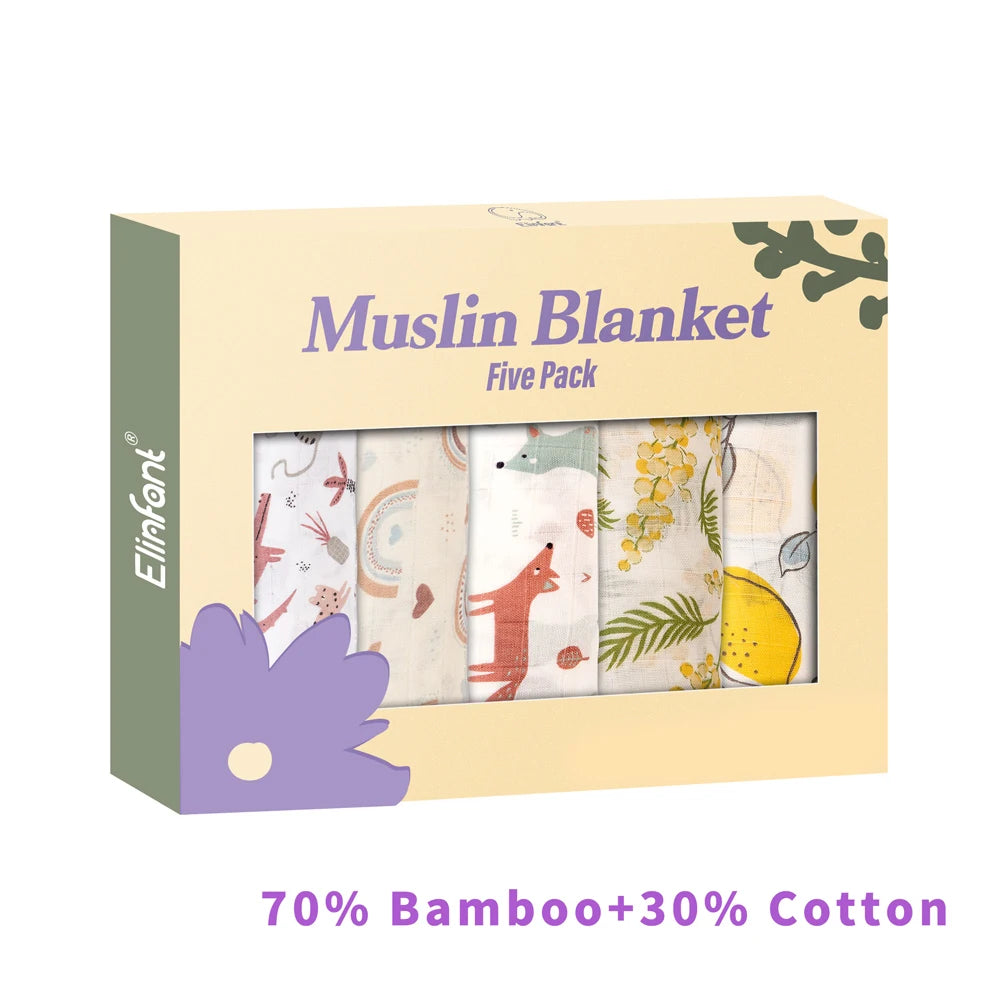
Newborn spit up issues — bamboo cotton bib helping keep baby's clothing and skin dry during feeding.
Supportive bibs for everyday feeding
Bibs cannot stop spit-up from happening, but they can significantly reduce its impact. An absorbent bib helps keep moisture away from your baby's skin, lowering the chance of neck irritation, drool rash, and frequent outfit changes.
When choosing a bib, consider features such as:
- Soft, gentle fabric suitable for sensitive newborn skin.
- Multiple absorbent layers with a quick-drying outer surface.
- Comfortable closures that stay secure without rubbing the neck.
- Machine-washable materials that hold up to frequent laundering.
| Feature | Bamboo-cotton bib | Single-layer cotton | Plastic/towel bib |
|---|---|---|---|
| Absorbency | High | Medium | Low (repels moisture) |
| Skin comfort | Excellent | Good | May trap moisture |
| Wash & care | Machine-washable, quick drying | Machine-washable | Easy to wipe clean |
| Best for | Frequent spit up | Light spit up | Older babies eating solids |
Parents often choose bamboo-cotton bibs because they combine softness, breathability, and excellent absorbency for everyday feeding. (Product: /products/bamboo-cotton-baby-bib-set)
Slow-flow bottles and nipples
For bottle-fed babies, a slow-flow nipple paired with an anti-colic venting system may reduce gulping and swallowed air. Feeding at your baby's pace, with regular pauses, often helps minimize spit-up while creating a calmer feeding experience. Breastfeeding families experiencing a fast letdown may also benefit from paced feeding techniques recommended by a lactation professional.
Burping tools and positioning supports
- Extra-large burp cloths protect your shoulder, clothing, and your baby's outfit during burping.
- Comfortable burping positions, including over the shoulder, seated upright, or tummy-down across your lap, can help release trapped air.
- Supportive feeding pillows may improve caregiver comfort during feeds, but they should never be used as sleep surfaces or left with an unattended infant.
How to use supportive products for the best results
Baby products work best when they support healthy feeding habits rather than replace them. Combining proper positioning, frequent burping, and practical feeding accessories can help reduce the impact of newborn spit up issues while keeping your baby comfortable.
- Before feeding, place a clean, absorbent bib on your baby and keep a burp cloth within easy reach.
- If bottle feeding, use a slow-flow nipple and keep the nipple completely filled with milk to reduce swallowed air.
- If breastfeeding, watch for natural pauses in sucking and burp your baby whenever they seem to gulp, pull away, or become restless.
- After feeding, hold your baby upright against your chest for approximately 20 to 30 minutes whenever possible. Avoid vigorous bouncing or unnecessary pressure on the tummy.
- If spit-up occurs, gently wipe your baby's face and neck, replace wet clothing or bibs promptly, and allow the skin to dry before dressing again to help prevent irritation.
Quick checklist for every feeding
- Is your baby comfortably latched or positioned for feeding?
- Is the milk flow appropriate for your baby's feeding pace?
- Have you burped your baby at least once during the feed and again afterward?
- Can you keep your baby upright for several minutes after feeding?
- Are your baby's neck folds and chest clean and dry after any spit-up?
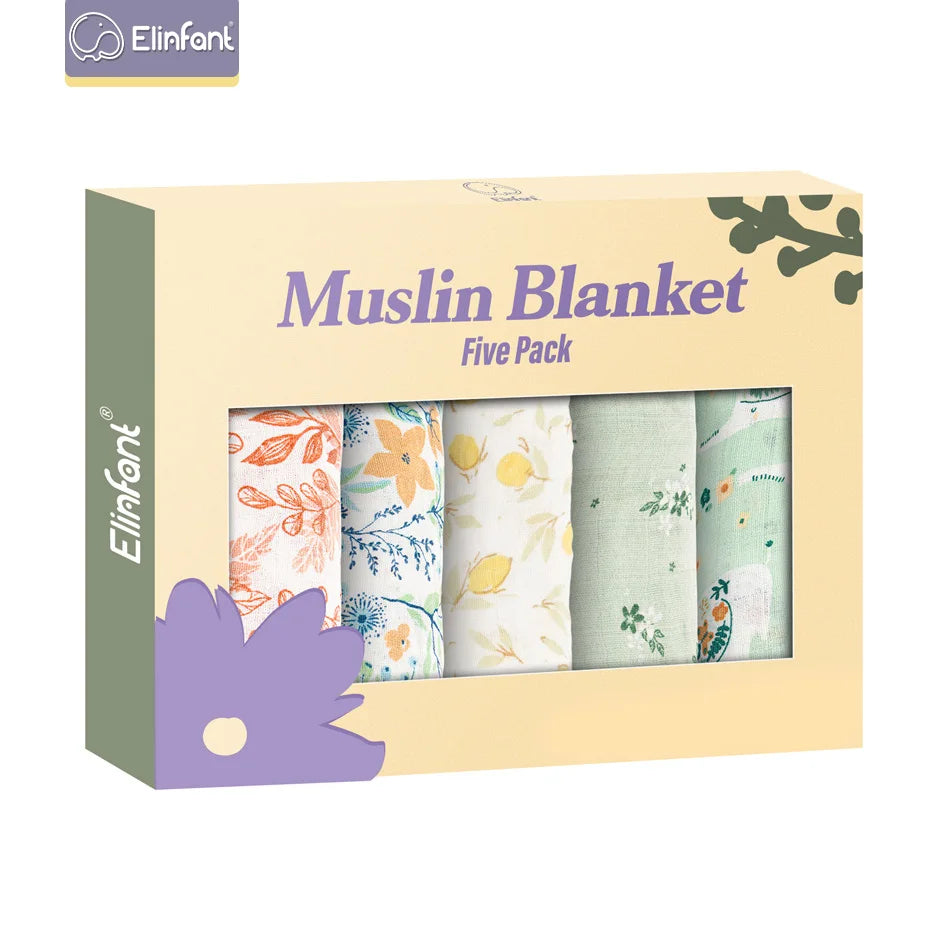
Newborn spit up issues — using an absorbent bib during feeding helps keep clothing and sensitive skin dry.
Real-world feeding experiences: what changes helped
Every baby responds differently, but everyday experiences from parents can highlight how small adjustments to feeding routines and supportive gear may improve comfort and reduce the impact of newborn spit up issues.
Example experience: Amelia — 3 weeks postpartum
Challenge: Amelia's baby frequently soaked clothing after feeds and developed irritation around the chin and neck. Basic single-layer bibs and standard burp cloths did not provide enough protection because moisture remained against the skin.
Changes made: The family switched to a lined bamboo-cotton bib for better absorbency, practiced paced bottle feeding, and kept the baby upright for about 20 minutes after feeds.
Observed improvement: After several days, the family reported fewer clothing changes, improved skin comfort, and a calmer post-feed routine. Results can vary depending on the baby's feeding pattern and underlying causes of spit-up.
Example experience: Jordan — breastfeeding with fast milk flow
Challenge: Jordan noticed frequent coughing, gulping, and spit-up episodes during breastfeeding, especially when milk flow was strong at the beginning of a feed.
Changes made: Feeding positions were adjusted to help manage milk flow, shorter feeding sessions were introduced, and an absorbent bib was used during the early part of feeds when spills were most common.
Observed improvement: The baby appeared more comfortable during feeds, with fewer signs of struggling with milk flow and less noticeable spit-up after feeding. Parents experiencing persistent feeding difficulties may benefit from guidance from a pediatrician or lactation professional.
Common parent experiences
- Keeping the neck area dry: Many parents find absorbent bibs helpful for reducing moisture exposure and making frequent cleanup easier.
- Slowing feeding pace: Bottle-fed babies may benefit from slower-flow nipples and paced feeding methods when fast milk intake contributes to swallowed air.
- Improving post-feed routines: Consistent burping and upright holding are commonly used strategies for helping babies who spit up frequently.
What improvement to expect after routine changes
Newborn spit up solutions do not work instantly for every baby, and spit-up frequency naturally changes as digestion develops. However, many families notice practical improvements when they consistently combine feeding adjustments with supportive products.
- Within 48–72 hours: Absorbent bibs and better cleanup routines may reduce wet clothing changes and help protect sensitive skin.
- Within 1–2 weeks: Babies who struggle with fast bottle flow may show improved feeding comfort after caregivers adjust nipple flow rate and pacing techniques.
- Over several weeks: As feeding skills mature and the digestive system develops, many newborns naturally experience fewer spit-up episodes.
Choosing practical solutions for your newborn spit up routine
The best newborn spit up solutions focus on comfort, safety, and easier daily care. Products can help manage the mess and support feeding routines, but they should be used alongside proper feeding techniques rather than as a replacement for medical guidance when concerns arise.
- For immediate skin protection: Choose a soft, absorbent, machine-washable bib with enough coverage to keep milk and spit-up away from your baby's neck and clothing. A bamboo-cotton bib is a practical option for frequent daily use because it combines softness with moisture absorption.
- For feeding support: Bottle-fed babies may benefit from a slow-flow nipple or paced-bottle design with an appropriate venting system to help reduce swallowed air. Always select feeding equipment suitable for your baby's age and needs.
- For easier cleanup: Keep multiple burp cloths and spare bibs available at home and in the diaper bag so wet fabric can be changed quickly after feeding.
- For sleep and safety: Always place newborns on a firm, flat sleep surface. Avoid using inclined sleep products or changing sleep positions to manage spit-up unless specifically recommended by a healthcare professional.
Suggested collection for more feeding & care tools: Feeding & Nursing .
More images & quick view

Newborn spit up issues — full feeding setup with practical cleanup essentials.
When newborn spit up could be something more
Most newborn spit up is a normal part of early digestion and does not require treatment. However, parents should pay attention to changes in feeding, behavior, and the appearance of spit-up because certain symptoms may indicate a need for medical evaluation.
Contact your pediatrician if you notice any of the following newborn reflux symptoms or concerns:
- Forceful or projectile vomiting: Spit-up usually flows gently from the mouth, while repeated forceful vomiting should be discussed with a healthcare professional.
- Poor weight gain or feeding difficulties: Seek advice if your baby consistently refuses feeds, struggles to eat, or is not gaining weight as expected.
- Blood or green-colored vomit: These signs require prompt medical attention because they may indicate a more serious issue.
- Signs of dehydration: Fewer wet diapers, unusual sleepiness, dry mouth, or other changes in normal behavior should be evaluated.
- Persistent distress after feeding: Frequent crying, visible discomfort, or ongoing feeding problems may need further assessment.
Understanding the difference between normal spit-up and concerning symptoms helps parents respond appropriately. When in doubt, discussing your baby's feeding patterns and symptoms with a pediatrician is the safest approach.
How we evaluate supportive baby products
Choosing products for newborn spit up issues requires looking beyond appearance or marketing claims. We focus on practical factors that affect everyday use, including absorbency, skin comfort, cleaning convenience, durability, and how well each product supports safer feeding routines.
Key evaluation points include:
- Absorbency: Materials should help manage milk and spit-up moisture effectively while keeping fabric comfortable against delicate skin.
- Skin comfort: Soft fabrics, gentle edges, and breathable designs help reduce irritation during frequent daily use.
- Ease of cleaning: Newborn essentials should handle regular washing and maintain their performance over time.
- Real-world practicality: Features such as secure closures, appropriate sizing, and portability matter during busy feeding schedules.
Small design differences, such as a lined versus single-layer bib or a more comfortable closure system, can make a noticeable difference when a product is used multiple times every day.
A supportive option for everyday spit-up management
Why this helps: An absorbent, lined bib can help keep moisture away from your baby's skin, reduce the need for constant clothing changes, and make cleanup after feeding easier. When combined with proper feeding techniques, paced feeds, and appropriate burping, it becomes a useful part of a newborn care routine.
Product to consider: /products/bamboo-cotton-baby-bib-set — designed for comfortable newborn wear and convenient machine washing for busy parents.
Frequently asked questions about newborn spit up issues
-
Why do newborns spit up so much after every feeding?
Newborns often spit up because their digestive systems are still developing, their stomachs are small, and the muscle that keeps milk from flowing back upward is still maturing. Fast feeding, swallowed air, or larger-than-needed feeds can also increase spit-up frequency.
-
Is newborn spit up normal after breastfeeding?
Yes, occasional spit-up after breastfeeding is common. A fast milk letdown, strong milk flow, or a baby swallowing extra air may contribute. Adjusting feeding positions, allowing natural pauses, and burping when needed can help many babies feed more comfortably.
-
How can I stop my baby from spitting up after feeding?
You cannot always completely stop normal spit-up, but you can often reduce it by offering appropriate feed amounts, using paced feeding techniques, burping regularly, keeping your baby upright briefly after feeds, and using absorbent bibs to manage mess.
-
What is the difference between baby spit up and vomiting?
Spit-up is usually a small amount of milk that flows gently from the mouth, while vomiting is typically more forceful and may be associated with other symptoms. Forceful vomiting, unusual colors, poor feeding, or signs of illness should be discussed with a pediatrician.
-
When should I worry about newborn reflux symptoms?
Contact your healthcare provider if your baby has feeding refusal, poor weight gain, signs of dehydration, persistent distress, blood or green-colored vomit, or repeated forceful vomiting.
-
Do bottle-fed babies spit up more than breastfed babies?
Either breastfed or bottle-fed babies can experience spit-up. Bottle-fed babies may sometimes swallow more air depending on nipple flow and feeding technique, while breastfeeding factors such as fast letdown can also contribute.
-
How long should I keep my baby upright after feeding?
Many parents hold their baby upright for around 20 to 30 minutes after feeding. This may help reduce discomfort, although it does not guarantee that normal spit-up will stop completely.
-
At what age do most babies outgrow spit-up?
Most babies experience fewer spit-up episodes as their digestive system matures, often improving around 3 to 6 months of age. Some babies may continue occasional spit-up longer while remaining healthy and growing normally.
Extra resources & related collections
Continue building a comfortable feeding routine with additional guides and baby care resources that support feeding, cleanup, safety, and everyday comfort.
- Feeding basics and tools: Feeding & Nursing
- Clean-up and comfort essentials: Baby Bath Accessories
- Safety and monitoring options: Monitoring Devices
- Sleep support and comfort solutions: Sleep & Comfort
Closing notes — simple routines that change days
Managing newborn spit up issues is usually about consistency rather than complicated solutions. Small adjustments such as improving feeding pace, burping effectively, keeping your baby comfortable after feeds, and using skin-friendly essentials can make daily care easier for both babies and caregivers.
Remember that normal spit-up is part of early development for many infants. Focus on your baby's overall health, feeding quality, growth, and comfort rather than the number of small spit-up episodes alone. When unusual symptoms appear, seek advice from your pediatrician.
FAQ (schema-ready)
- Why do newborns spit up so much after every feeding?
- Newborns often spit up because their digestive systems are still developing, their stomachs are small, and the muscle that helps keep milk in the stomach is not fully mature. Fast feeding, swallowed air, and larger feeds can also contribute.
- Is newborn spit up normal after breastfeeding?
- Yes. Many breastfed babies experience normal spit-up after feeds. Factors such as a fast milk letdown, strong milk flow, or swallowed air may increase episodes, but many babies improve as feeding skills develop.
- How can I stop my baby from spitting up after feeding?
- You may not be able to eliminate normal spit-up completely, but smaller feeds, paced feeding, regular burping, upright holding after meals, and absorbent bibs can help reduce mess and improve comfort.
- What is the difference between baby spit up and vomiting?
- Spit-up usually flows gently from the mouth, while vomiting is more forceful and may include other warning signs. Contact a healthcare professional if vomiting is persistent, forceful, contains unusual colors, or affects feeding and growth.
- When should I worry about newborn reflux symptoms?
- Speak with your pediatrician if your baby shows signs such as poor weight gain, feeding refusal, dehydration, ongoing distress, blood in vomit, or green-colored vomit.
- Do bottle-fed babies spit up more than breastfed babies?
- Both breastfed and bottle-fed babies can spit up. Bottle feeding may sometimes increase swallowed air if the nipple flow is too fast or feeding is too quick, while breastfeeding factors such as fast letdown can also play a role.
- How long should I keep my baby upright after feeding?
- Many caregivers hold babies upright for about 20 to 30 minutes after feeding. This may help reduce discomfort, although some normal spit-up may still occur.
- At what age do most babies outgrow spit-up?
- Most babies experience fewer spit-up episodes as their digestive system matures, commonly improving between 3 and 6 months of age. Some healthy babies may continue occasional spit-up beyond this period.
Related collections: Baby Care Essentials · Feeding & Nursing · Health & Safety
Related Articles:
- Premium Baby Burp Cloth Set: Why Parents Recommend Them
- Newborn Burp Cloths: Comparing the Best Sets for Everyday Use
Pillar Articles:





