Portable Infant Chair Features That Make Life Easier for Parents

Portable Infant Chair Features That Make Life Easier for Parents

⏱ 10 min read

Yes — a portable infant chair delivers compact comfort, hands-free convenience, and safety-focused features that simplify feeding, soothing, and travel. A well-designed portable infant chair reduces setup time, keeps infants secure during transitions, and frees caregivers to multitask without sacrificing closeness or support.

A portable infant chair can be a game-changer for families balancing errands, travel, and home routines. If you’ve ever wrestled with bulky seats, wondered whether a travel option is safe, or wished your baby stayed comfortable during short naps and feeds, this post breaks down the exact features that deliver real, measurable ease—so you can choose a practical, long-lasting seat and stop guessing which model actually fits your life.

👉 Discover the safest toys for your baby
portable infant chair - KentDO

portable infant chair + nan — 💡 See it in action.

Why parents choose a portable infant chair

Parents pick portable infant chairs for one simple reason: they remove friction. Whether you're shifting between kitchen, car, and living room, or packing for a weekend visit, a compact seat that still prioritizes support and safety changes how you move through daily life.

Immediate benefits at a glance

  • Faster setup — no tools, few straps, immediate use.
  • Lightweight mobility — carry, fold, or sling it along.
  • Reduced gear clutter — one chair used in multiple rooms or travel situations.
  • Peace of mind — secure harness systems and stable bases keep infants safe.

Which baby gear suits your newborn best? Read on!

What to look for: 9 must-have features

Not all portable infant chairs are created equal. Focus on these nine features to separate gimmicks from genuinely useful design.

1. True portability: weight, foldability, and pack size

  • Light but sturdy: Aim for materials that minimize weight without sacrificing stability.
  • Compact fold: A chair that folds flat or collapses into a small bundle saves trunk space and fits under airline seats for short trips.
  • Carry options: Built-in handles or a sling bag make it simple to move between cars, grandparents’ houses, and cafes.

2. Secure three- or five-point harness

A harness that’s easy to buckle, difficult for wriggly infants to unfasten, and adjustable for growth ensures safety across ages and sizes.

4-position recline or multi-angle support

Multiple recline angles let the chair serve feeding, lounging, and short naps—reducing the need for additional gear.

Easy-clean fabrics and removable covers

Spills happen. Look for machine-washable covers and materials that wipe clean quickly to keep the chair hygienic and fresh.

Stable base and anti-tip design

A low center of gravity, wide base, or anti-slip feet prevent tipping when infants shift weight or reach for toys.

Comfort-first cushioning and ergonomic support

Soft inserts, breathable fabrics, and lumbar/head support keep babies comfortable during longer sits, preventing awkward positions that can cause fussiness.

Multi-use compatibility and accessories

  • Removable toy bars, cup holders, or attachable trays expand usefulness.
  • Compatibility with car bases or stroller clips extends the chair’s function without buying separate baby gear.

Travel-friendly certifications and safety approvals

Check for compliance with applicable child-product safety standards; these can vary by region, but certifications signal rigorous testing.

Smart extras that genuinely help

  • Breathable mesh panels for airflow.
  • Noise-reducing materials or calming vibration modes (battery-powered) for soothing on the go.
  • Storage pockets for wipes, pacifiers, or small toys.
Quick decision tip: Prioritize a secure harness, a stable base, and washable fabrics—those three features deliver the best day-to-day convenience.

Quick comparison: portable vs. traditional infant seats

Feature Portable Infant Chair Traditional Infant Seat
Weight & Transport Lightweight, foldable Bulkier, often not travel-friendly
Setup Time Minutes or seconds Can require tools or complex assembly
Use Cases Feeds, short naps, travel, visits Home use, longer supervised sitting
Durability Good when well-designed; some trade-offs for weight Generally more robust long-term
Price Range Budget to mid-range Mid-range to premium

Real-world use: scenarios that prove the value

Features are only useful when they solve real problems. Here are typical parenting situations where a portable infant chair saves time and stress.

Morning chaos: breakfast, coffee, and a cranky baby

  • Place the portable chair near your counter to keep baby close while you prepare food.
  • Multi-angle recline supports feeding and helps settle the baby so you can handle quick tasks safely.

Travel day: airport wait, car rides, and hotel rooms

  • Lightweight packs into carry-on or trunk and gives your child a familiar spot in unfamiliar places.
  • Secure harness and low-profile base mean you can use it on hotel floors, picnic blankets, or café booths.

Visits to friends or family

  • Bring a clean, portable seat instead of relying on unknown household furniture.
  • Removable, washable covers keep germs down and comfort high.
👉 Learn step-by-step how to choose the right baby gear
portable infant chair - KentDO

portable infant chair + nan — 💡 See it in action.

How to choose the right portable infant chair

Choosing a chair is a balancing act between portability and features. Use this checklist and decision flow to select the best option for your lifestyle.

  1. Identify the main use: travel, home switching, or both.
  2. Measure space constraints: will it go in a car trunk, overhead bin, or stroller basket?
  3. Test harness and buckles: are they intuitive and secure?
  4. Assess cleaning demands: machine-washable covers vs. wipe-only fabrics.
  5. Check weight limits and age ranges: make sure the chair will last through the stage you need.

Decision aid (short)

  • Mostly at-home + occasional travel → midweight with robust padding.
  • Frequent travel → ultralight foldable with a carry bag.
  • Budget-conscious → prioritize safety harness and washable cover over bells and whistles.

Comfort & safety tech explained

Modern portable infant chairs borrow features from larger nursery gear—only focused for mobility. Here’s what the tech means in practice.

Breathable fabrics and temperature control

Mesh panels and moisture-wicking materials prevent overheating during longer sits and help reduce sweat-related irritations on sensitive baby skin.

Ergonomic shaping and head support

Infants need snug support. Contoured seats with removable head inserts support developing neck muscles during feeding and short naps.

Stability systems and anti-tip design

Look for chairs with extended bases, anti-slip feet, or weighted edges—the design choices that keep the seat grounded when your child shifts.

Accessory ecosystem

Tray attachments, toy bars, and travel bags increase the chair’s usefulness across stages and activities, allowing you to customize for feeding, play, or rest.

Cleaning, storage, and longevity tips

  • Routine cleaning: wipe spills immediately, machine-wash covers weekly if used daily.
  • Storage: keep in a dry bag or closet—avoid damp basements to prevent mold.
  • Longevity hacks: rotate cushions and inspect harnesses monthly for wear.

Product highlights & where to see it

Portable infant chair — direct answer: A high-quality portable infant chair combines lightweight construction, a secure multi-point harness, washable covers, and multi-angle reclining to support feeding, soothing, and travel without sacrificing safety or comfort. Look for a model that folds compactly and includes a carry solution for true convenience.

Want to compare related items? Browse our Baby Care Essentials and Sleep & Comfort collections for complementary gear.

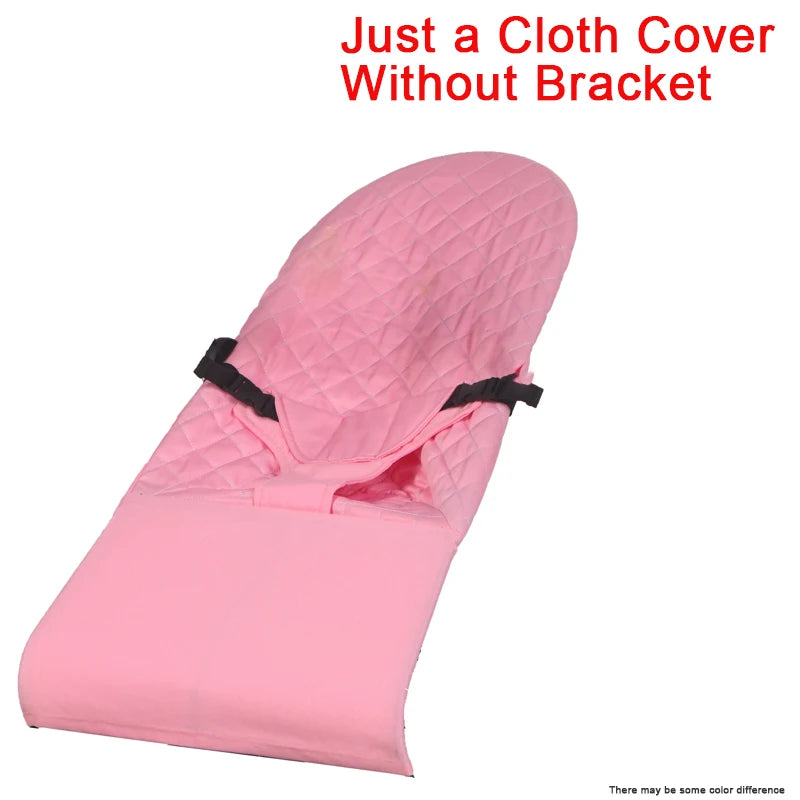
See the exact product mentioned earlier on its product page: baby rocking chair cloth cover.

Why this product design often outperforms alternatives

  • Targeted trade-offs: designed to reduce weight while preserving a stable, low center of gravity.
  • Modular accessories: add or remove components rather than buy new seats for each activity.
  • Focused cleaning features: removable liners and quick-dry textiles reduce maintenance time.

Pros & cons

Pros Cons
  • Highly portable and easy to move between rooms.
  • Quick setup supports feeding and short naps anywhere.
  • Washable covers and compact storage.
  • May not replace a durable, long-term nursery rocker for years of use.
  • Ultralight models can sacrifice some padding or luxury features.
  • Not all travel seats fit every airline or stroller without adapters.

Social proof: what parents say

"It’s our go-to for coffee runs and visiting grandma — folds flat and the baby naps happily." — a parent reviewer

"Finally, a chair that fits our small apartment and cleans up fast after spills." — another parent reviewer

Accessories and complementary products

Pairing the right accessories makes a portable infant chair far more versatile:

  • Soft toy bars for stimulation — see Sensory Toys.
  • Travel storage bags to protect the chair in transit — explore Mobility & Training for carry solutions.
  • Sleep liners and extra covers for quick swaps — check Sleep & Comfort.

Usage scenarios & quick-match guide

Parent need Best chair feature
Frequent travel Ultralight foldable with carry bag
Small apartment Compact fold + shallow footprint
Multi-room caregiver Easy setup and washable cover
Soothing & naps Multi-angle recline + cushioned head support
Need a fast pick? If mobility is your top priority, choose an ultralight foldable chair with a secure harness and washable cover. If comfort for longer sits matters, prioritize extra cushioning and recline positions.
👉 Get yours now — limited stock!
portable infant chair - KentDO

portable infant chair + nan — 💡 See it in action.

Safety checklist before first use

  • Read instructions fully and confirm all buckles and straps are functional.
  • Inspect fabric and seams for loose threads or defects.
  • Place on a flat, stable surface; never elevate on tables or counters.
  • Supervise your baby at all times while in the chair, and follow weight/age limits.

Maintenance quick tips

  • Wipe non-fabric parts with mild soap and water; air dry completely before storage.
  • Wash covers on a gentle cycle and dry on low heat or air dry.
  • Store in a breathable bag and avoid direct sunlight for prolonged periods to prevent fading.

Mini FAQ

  1. Is a portable infant chair safe for unsupervised naps?

    Short answer: No. Portable infant chairs are designed for supervised feeds, play, and short rests. For safe, unsupervised sleep, a flat, firm sleep surface like a bassinet or crib that meets local safety standards is recommended.

  2. How long can my baby use a portable infant chair?

    Most manufacturers state age/weight limits—commonly up to the point the baby can sit unassisted or reaches a specified weight. Check the product manual and use the chair only within recommended limits.

  3. Can I bring a portable infant chair on a plane?

    Many compact chairs fit in carry-on luggage, but policies vary by airline. Verify carry-on size rules and whether the chair must stow in overhead bins or under seats.

  4. Are washable covers dishwasher-safe?

    No—covers are usually machine-washable or hand-washable. Plastic trays may be dishwasher-safe; check product instructions.

Final thoughts: choose features that match real needs

Portable infant chairs shine when they solve everyday friction: quick feeds, comfortable short rests, and the flexibility to move your baby's trusted spot wherever life takes you. Prioritize safety, washability, and true portability over novelty features. The right balance gives you more time with your baby and less time wrestling with bulky gear.

Explore related picks to complete your setup: Baby Care Essentials, Feeding & Nursing, and Sleep & Comfort.


Mini FAQ (Schema-ready)

Is a portable infant chair safe for unsupervised naps?
No. Use for supervised feeding, play, and short rests; for unsupervised sleep use a crib or bassinet.
How long can my baby use a portable infant chair?
Follow manufacturer age/weight limits; typically until the baby can sit unassisted or exceeds stated weight.
Can I bring a portable infant chair on a plane?
Often yes for compact models, but check airline carry-on and stowage rules before travel.

Related Articles:

Pillar Articles:

Back to blog

Leave a comment

Please note, comments need to be approved before they are published.