

Tips for Toddler Potty Travel: Routines That Reduce Meltdowns and Messes
⏱ 8 min read
Toddler travel potty tips: what really helps on trips?
Answer: Toddler travel potty tips work best when they combine preparation, familiar routines, and the right portable bathroom gear. A consistent approach helps toddlers feel confident outside the home, while tools like a travel potty seat, foldable travel toilet, and disposable potty liners make unexpected bathroom situations easier to manage.
Travel potty training is not about avoiding every accident. It is about creating a predictable system that helps toddlers understand what to expect in new places. These strategies are especially useful for newly potty-trained toddlers, children who dislike public bathrooms, and families taking long drives, flights, vacations, or outdoor trips.
- Create a portable potty kit with wipes, liners, and backup clothing.
- Practice a simple bathroom routine before leaving home.
- Bring a reliable travel potty option for emergencies.
- Use encouragement and calm reminders instead of pressure.
If you worry about surprise potty stops, dirty public restrooms, or a toddler refusing to use unfamiliar toilets, you are not alone. Many parents find that stress-free potty training travel becomes easier when children have familiar routines and dependable supplies. This guide explains how to potty train while traveling, what to pack, how to choose the best travel potty for toddlers, and how to prevent common travel-related accidents.
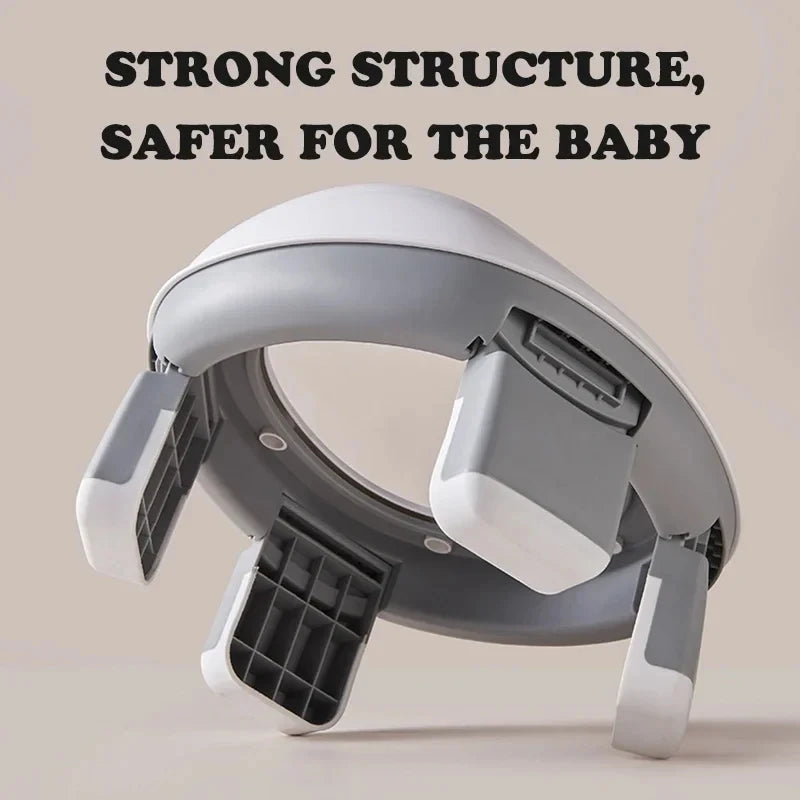
tips for toddler potty travel + best travel potty — See it in action.
Why travel potty routines help toddlers succeed
Toddlers often feel uncomfortable using bathrooms outside their home because travel changes familiar patterns. A short, repeated routine gives them confidence and helps them understand what happens next.
- Predictability lowers stress: toddlers know when and how bathroom breaks happen.
- Preparation keeps parents calm: having supplies ready prevents rushed decisions.
- Familiar equipment builds confidence: a travel potty can feel safer than an unfamiliar restroom.
Common pain points parents face
Long lines, limited restroom access, loud automatic toilets, crowded locations, and toddlers who only want to use their home toilet are common challenges. A thoughtful travel routine helps families handle these moments without turning potty breaks into stressful battles.
Plan before you leave: prepare your toddler for travel
The easiest way to support toddler potty training travel is to practice before the trip. Introducing travel potty habits at home helps children understand that bathroom routines can happen anywhere.
Signs your toddler is ready
- Your toddler can tell you when they need to go.
- They can follow simple bathroom instructions.
- They stay dry for longer periods.
- They show curiosity about toilets or potty chairs.
Build a toddler potty training travel routine
- Introduce the travel potty before the trip begins.
- Practice sitting on it at home without pressure.
- Use the same cue phrase every time, such as “potty before we go.”
- Explain the travel plan so your toddler knows what to expect.
Consistency matters more than perfection. A familiar routine helps toddlers adapt to new environments while keeping confidence high.
Travel potty packing checklist
A ready-to-go potty kit makes outings easier because you do not have to search for supplies during an emergency.
Must-have supplies
- Compact potty, foldable travel toilet, or travel potty seat
- Disposable potty liners for quick cleanup
- Extra underwear and a complete change of clothes
- Small disposal bags
- Wipes and tissues
- Comfort items that help your toddler feel secure
Hygiene essentials
- Hand sanitizer
- Cleaning wipes for surfaces
- Small towel or portable changing mat
- Paper towels
- Backup clothing stored in an easy-to-reach location
Want a single solution that packs small and cleans quickly? Check the 3-in-1 travel toilet for an all-in-one option that fits many of these needs.
Choose the best travel potty for toddlers
The best travel potty for toddlers depends on your destination, storage space, and your child’s comfort level. Choosing the right option can make bathroom breaks faster and less stressful.
| Option | Best use case | Benefits and limitations |
|---|---|---|
| Travel potty seat | Public bathrooms and short outings | Lightweight and familiar, but requires toilet access |
| Foldable travel toilet | Road trips, camping, outdoor activities | Private and convenient when bathrooms are unavailable |
| Disposable potty liners | Any trip requiring fast cleanup | Hygienic and lightweight, but need replacements |
Travel potty seat vs foldable potty
A travel potty seat works well for toddlers who already use regular toilets and mainly need extra comfort or stability. A foldable travel toilet for toddlers is often better for long drives, camping, and situations where a clean restroom may not be available.
Disposable liners and accessories
Disposable potty liners travel easily and simplify cleanup. They are especially useful when combining a portable potty with busy schedules, outdoor locations, or extended trips.
How to use a travel potty step by step
Following the same process every time helps toddlers cooperate and reduces hesitation.
- Place the travel potty on a stable surface.
- Add a disposable liner if needed.
- Explain what is happening using familiar words.
- Allow your toddler time and encouragement.
- Remove the liner, clean the potty area, and sanitize hands.
Practice at home before traveling. Familiar equipment feels less intimidating when your child encounters it during a trip.
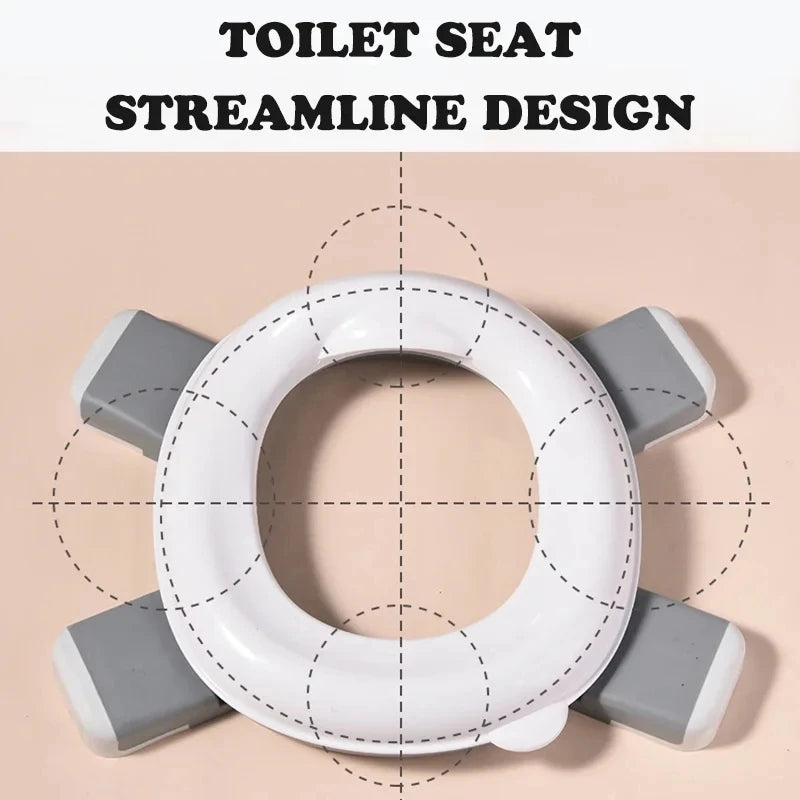
foldable travel toilet + disposable potty liners — tips for toddler potty travel See it in action.
Travel potty tips for every situation
Road trips
- Keep the potty kit within reach instead of buried in luggage.
- Encourage a bathroom visit before departure.
- Pack extra clothes for unexpected delays.
Airports and airplanes
- Use the bathroom before boarding whenever possible.
- Explain airplane bathrooms before your toddler needs one.
- Keep wipes and spare clothing in your carry-on bag.
Hotels and vacation rentals
- Bring familiar potty equipment if your toddler dislikes unfamiliar toilets.
- Create a routine similar to home bedtime and bathroom habits.
- Clean new bathroom surfaces before use.
Theme parks, beaches and camping
- Expect longer walking distances and restroom waits.
- Carry extra liners and clothing.
- Use a portable potty when bathrooms are crowded or unavailable.
Public restroom tips that keep toddlers comfortable
Public bathrooms can be challenging for toddlers because of unfamiliar smells, sounds, and large toilet seats. A few simple adjustments can make them easier.
- Use a travel potty seat for better stability.
- Clean toilet surfaces before your child sits.
- Explain loud flushing sounds before they happen.
- Encourage hand washing after every bathroom visit.
Reduce fear of unfamiliar bathrooms
Stay patient and avoid forcing your toddler. Offering choices, using calm language, and keeping familiar routines can help children feel more comfortable over time.
How to avoid potty training accidents on trips
Accidents can happen during travel because schedules change. The goal is not to eliminate every mistake but to make recovery simple and stress-free.
Handle accidents calmly
- Bring extra clothing and cleanup supplies.
- Avoid embarrassment or punishment.
- Return to the normal routine after cleanup.
Prevent regressions
- Continue using familiar potty cues.
- Offer gentle reminders during long outings.
- Praise effort and cooperation.
These habits support stress-free potty training travel and help toddlers maintain confidence away from home.
Printable travel potty checklist before every trip
- ☐ Travel potty or potty seat packed
- ☐ Disposable potty liners included
- ☐ Wipes and sanitizer ready
- ☐ Extra underwear and clothes packed
- ☐ Disposal bags prepared
- ☐ Comfort item included
- ☐ Toddler understands the bathroom routine
- ☐ Emergency supplies are easy to reach
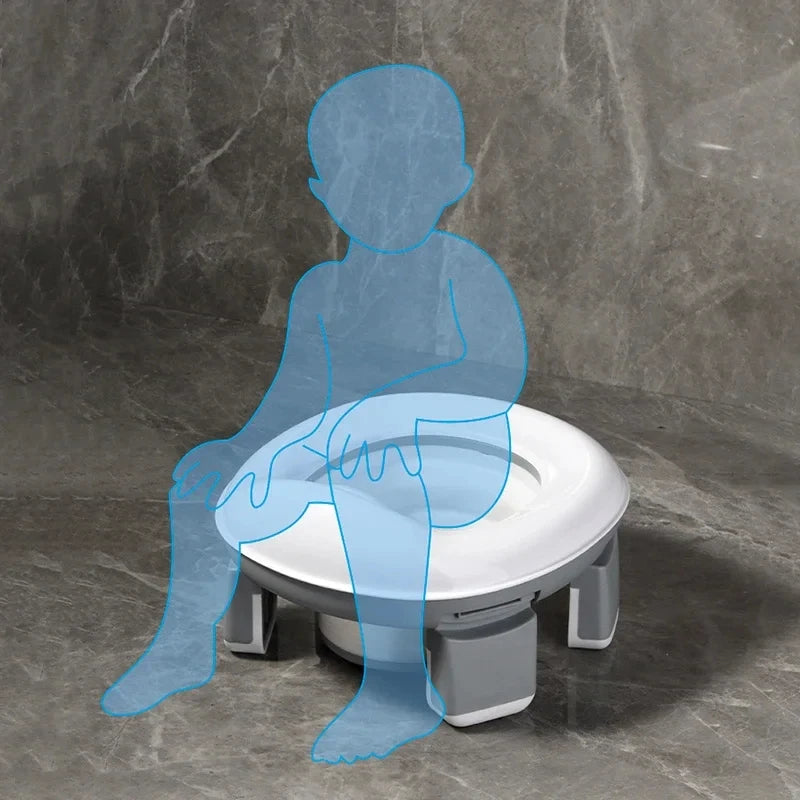
tips for toddler potty travel + disposable potty liners — See it in action.
Frequently asked questions
-
Q: What is the best travel potty for toddlers?
A: The best option depends on your travel style. A potty seat works well for public bathrooms, while a foldable travel toilet is useful for road trips and outdoor activities. -
Q: How do I potty train while traveling?
A: Practice before leaving, keep routines consistent, bring familiar supplies, and use positive encouragement during trips. -
Q: Should I bring a travel potty on vacation?
A: Yes, especially if your toddler is newly trained or nervous about unfamiliar bathrooms. -
Q: How can I avoid potty training accidents on long road trips?
A: Pack backup clothing, provide bathroom opportunities before travel, and keep a portable potty available. -
Q: Can toddlers use airplane bathrooms safely?
A: Yes, with adult supervision and preparation. Explain the space and sounds before use. -
Q: Are disposable potty liners worth bringing?
A: Yes. They make cleanup faster and improve hygiene during travel. -
Q: What should I do if my toddler refuses public restrooms?
A: Stay calm, avoid pressure, and offer a familiar travel potty alternative. -
Q: How do I keep a travel potty clean during trips?
A: Use liners, clean surfaces after use, dispose of waste properly, and sanitize hands.
Helpful collections: Baby Care Essentials • Mom Essentials • Baby Hygiene Gadgets
Pillar Article: Potty Training Guidelines Made Simple: A Step-by-Step Travel-Friendly Method
Other Related Articles:
- How to Use a Lightweight Foldable Potty for Smooth, Stress-Free Outings
- Toilet Training Challenges Solved: Practical Fixes Parents Can Use Anywhere
- Accidents Potty Training Reviews: Top Travel Solutions That Reduce Mess and Stress
Explore More:





