

Toilet Training Challenges Solved: Practical Fixes Parents Can Use Anywhere
⏱ 8 min read
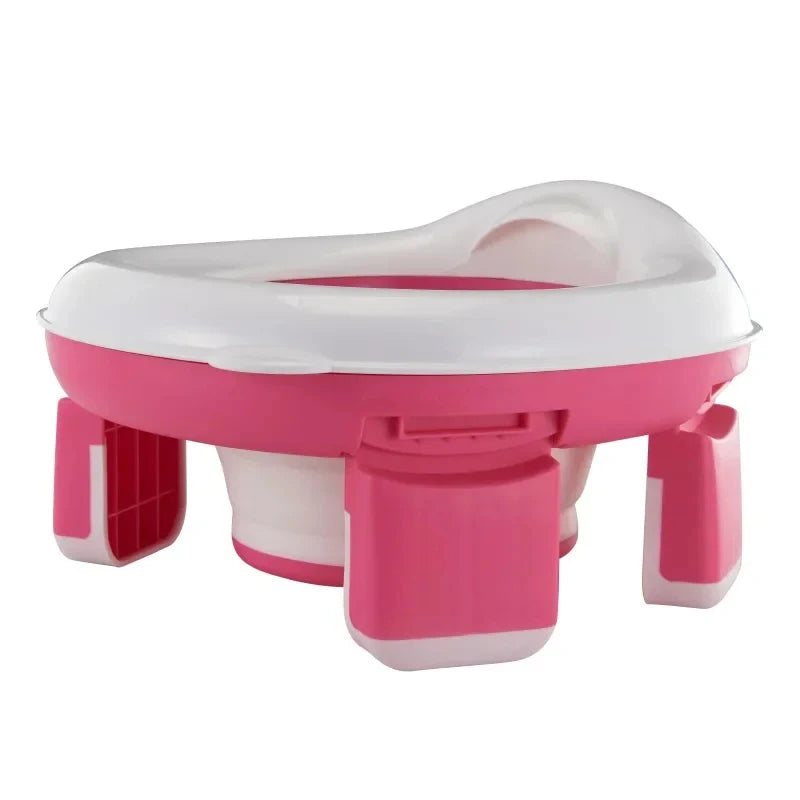
Toilet training challenges are a normal part of early childhood development. Many toddlers experience potty training struggles such as refusing the toilet, worrying about unfamiliar bathrooms, having accidents after making progress, or resisting new routines. This guide explains why these common potty training issues happen, how to respond calmly, and which practical strategies can help your child build confidence at home, preschool, and while traveling. You'll also learn when a foldable portable potty seat can support a consistent routine without becoming the focus of the training process.
toilet training challenges, potty training struggles — See it in action
Toilet Training Challenges: Why They Happen and How to Solve Them
Most toilet training challenges improve with time, consistent routines, and developmentally appropriate expectations. Rather than looking for a single solution, focus on helping your child recognize body signals, feel safe using the toilet, and practice the same routine across different environments. Familiar equipment, predictable language, and patient encouragement often reduce potty training struggles more effectively than pressure or punishment.
Signs your child is ready for toilet training
Children become ready at different ages, so readiness matters more than a specific birthday. Your toddler may be prepared to begin when they:
- Stay dry for longer periods during the day.
- Show interest in the bathroom or copy family members.
- Can follow simple instructions.
- Tell you when they are wet or need to go.
- Can pull clothing up and down with some assistance.
Why potty training struggles are normal
Common potty training issues usually happen because toddlers are learning several new skills at once. Emotional readiness, physical awareness, communication, and self-help abilities all develop at different speeds. Temporary setbacks are especially common during illness, travel, preschool transitions, or other changes in routine.
One of the most effective habits is creating a predictable micro-routine: use the same reminder, follow the same bathroom steps, and respond calmly whether your child succeeds or has an accident. Repetition helps children understand what to expect and builds confidence over time.
Common toilet training challenges parents report
- Frequent potty accidents at preschool despite success at home.
- Fear of public restrooms or large adult toilets.
- Temporary nighttime regression after travel or illness.
- Difficulty building independent toileting skills outside the home.
Teaching Independent Toileting Step by Step
Learning independent toileting takes practice rather than perfection. Follow this simple routine consistently for two to three weeks, adjusting the timing to match your child's natural bathroom habits.
A simple 5-step bathroom routine
- Choose a consistent wake-up bathroom time and use the same verbal cue each day.
- Offer a drink, then invite your child to sit on the toilet or potty within about 15 minutes.
- Use the same routine at home and while away to reduce confusion. A foldable portable potty seat can help provide familiarity when traveling or visiting preschool.
- Praise effort and cooperation, even if your child does not use the toilet successfully.
- Encourage gradual independence by practicing clothing management, sitting safely, flushing when comfortable, and washing hands.
Tip: Use the same simple phrase every visit, such as "Let's try, then wash our hands," so the routine becomes familiar and predictable.
Helping children manage clothing and hygiene
- Stand nearby and explain each step without rushing.
- Practice pulling clothing up and down before expecting complete independence.
- Use dolls or pretend play to demonstrate bathroom routines.
- If using a foldable portable potty seat, let your child become familiar with it at home before taking it on outings.
- Praise independence more than results, gradually reducing rewards as confidence grows.
Handling Toilet Training Outside the Home
New environments often create new toilet training challenges, even for children who use the toilet confidently at home. Busy schedules, unfamiliar bathrooms, loud flushing, and changes in routine can all contribute to potty accidents at preschool or while traveling. Preparing ahead and keeping expectations consistent helps children feel more secure wherever they go.
Preschool and daycare transition tips
Successful preschool toileting depends on good communication between parents and caregivers. Share your child's bathroom routine, preferred cues, and any concerns before the first day so everyone follows a similar approach.
- Pack one labeled foldable potty seat in a clean storage pouch if the preschool allows personal equipment.
- Include a complete change of clothes and extra underwear.
- Provide a simple written reminder such as "Bathroom reminder every 60–90 minutes."
- Encourage teachers to praise cooperation rather than focusing only on successful toileting.
Want more gear ideas? Check our Mobility & Training collection for supportive products that help build skills.
Travel and public bathroom strategies
Travel can interrupt familiar routines, making even experienced toddlers hesitant to use unfamiliar toilets. Practice bathroom stops before longer trips and allow extra time so your child never feels rushed.
- Pack wipes, disposable bags, and a spare outfit.
- Practice setting up travel equipment before leaving home.
- Choose family restrooms or single-occupancy bathrooms when available.
- Stay calm and encouraging if your child refuses the first attempt.
Using a foldable portable potty seat when needed
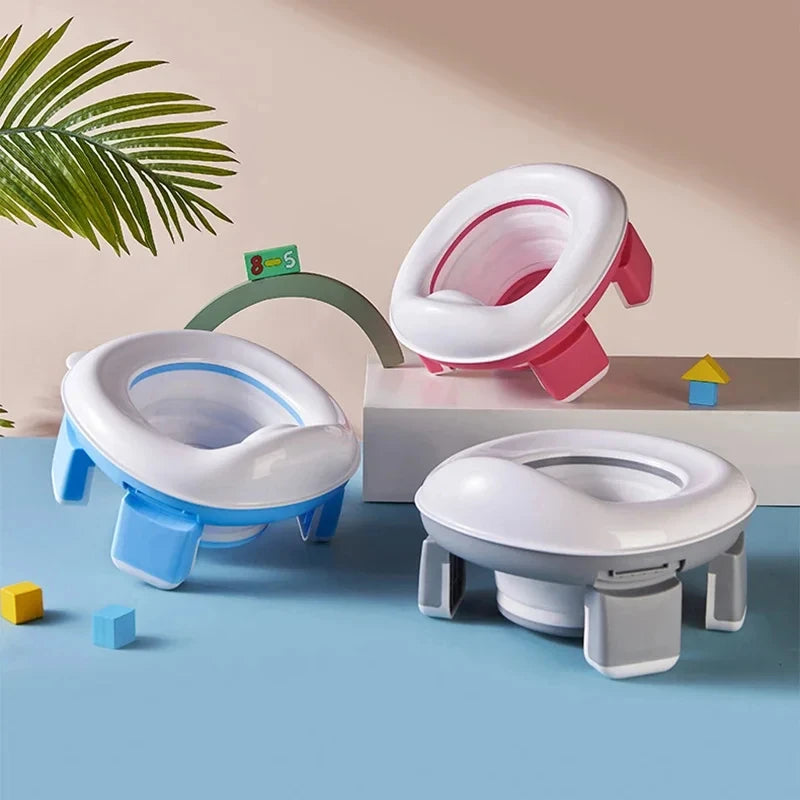
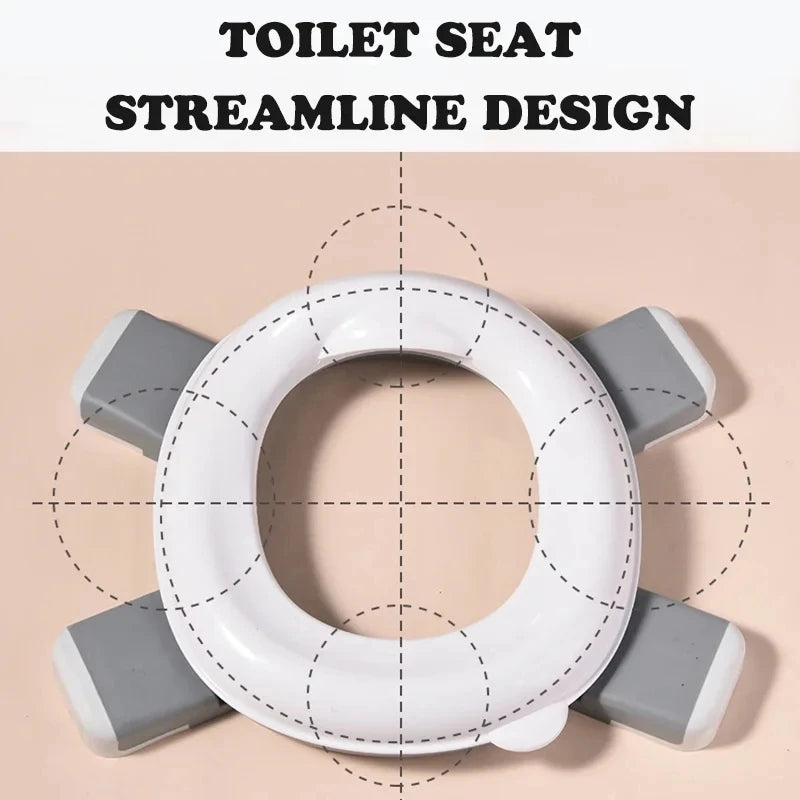
A foldable portable potty seat is best viewed as a supportive tool rather than a complete solution. It can make unfamiliar toilets feel more comfortable by providing a familiar seating surface, helping some children feel secure enough to continue practicing independent toileting during outings.
toilet training challenges, foldable potty for travel — See it in action
Product Breakdown: Portable Options for Home, Preschool, and Travel
Different potty training products serve different purposes. The best choice depends on where your child spends the most time and which situations create the greatest challenges. Many families use more than one option as their child gains confidence.
| Option | Best for | Advantages | Considerations |
|---|---|---|---|
| Foldable portable potty seat | Travel, preschool, daycare | Compact, lightweight, familiar seating surface | Requires cleaning after use |
| Standard potty chair | Daily practice at home | Stable and easy for beginners | Not convenient for travel |
| Toilet seat adapter | Permanent home bathroom setup | Helps children transition to the regular toilet | Cannot be used easily outside the home |
Families looking for a compact option to support consistent routines during outings can learn more about the 3-in-1 Travel Toilet Seat .
Benefits and practical considerations
- Provides a familiar seating surface that may reduce anxiety in unfamiliar bathrooms.
- Fits easily into many diaper bags or backpacks for daycare and travel.
- Supports routine by allowing children to use similar equipment in different locations.
- Should be cleaned and sanitized after each use according to the manufacturer's instructions.
- Works best alongside consistent routines and caregiver communication rather than as a standalone solution.
Evidence-Based Examples of Successful Toilet Training
Children make progress at different speeds, and temporary setbacks are expected. Pediatric toilet training guidance consistently emphasizes predictable routines, positive reinforcement, and avoiding punishment after accidents. Families often see the greatest improvement when home routines, preschool expectations, and travel habits remain consistent over several weeks.
Instead of measuring success by accident-free days alone, look for gradual milestones such as recognizing the need to go, asking for the bathroom, managing clothing independently, or becoming more comfortable using unfamiliar toilets. These small achievements are strong indicators that long-term toilet training skills are developing.
Quick Troubleshooting for Common Toilet Training Setbacks
- Frequent potty accidents at preschool: Review your child's bathroom schedule with teachers and agree on regular reminders every 60–90 minutes.
- Fear of public toilets: Practice using larger toilets at home with a child-friendly seat before visiting unfamiliar restrooms.
- Nighttime wetting: Remember that nighttime bladder control often develops later than daytime control. Focus on consistent daytime habits first.
- Regression after illness or travel: Return to your regular routine, offer reassurance, and avoid punishment for accidents.
- Refusal to sit on the toilet: Let your child observe, read a short book, or use pretend play to reduce anxiety.
Quick gear checklist for outings
- Foldable portable potty seat
- Baby wipes and a disinfectant cloth
- Extra underwear and spare clothing
- Disposable bags for wet or soiled items
- Hand sanitizer for caregivers when soap is unavailable
Need training supports? Browse the Baby Growth & Learning section for visual charts and reward systems families love.
toilet training challenges, potty accidents at preschool — See it in action
FAQ: Common Questions About Toilet Training Challenges
How long does toilet training usually take?
Most toddlers make steady daytime progress over several weeks to a few months, although every child develops at their own pace. Temporary setbacks are expected and do not necessarily mean the process is failing.
What should I do if my toddler refuses the toilet?
Avoid forcing your child to sit. Instead, use short practice sessions, keep bathroom routines predictable, and praise cooperation rather than results. If fear is involved, gradually introduce the toilet through play and observation.
Is regression during potty training normal?
Yes. Regression commonly occurs after illness, vacations, starting preschool, welcoming a new sibling, or other significant routine changes. Return to familiar routines and remain patient while your child rebuilds confidence.
When should I worry about toilet training delays?
Consider discussing concerns with your pediatrician if your child experiences persistent pain during urination or bowel movements, severe constipation, prolonged stool withholding, repeated urinary tract infections, or shows little progress despite several months of consistent practice.
Why is my toddler struggling with toilet training?
Toilet training challenges can result from developmental readiness, anxiety, constipation, unfamiliar environments, or major life changes. Identifying the underlying cause helps you choose the most appropriate strategy.
What are the most common potty training issues?
Common potty training issues include refusing the toilet, accidents after early success, fear of flushing, withholding urine or stool, and reluctance to use public bathrooms.
How do I handle potty training regression?
Return to your established bathroom routine, increase encouragement, and avoid criticism. Most regressions improve once children feel secure and routines become predictable again.
Why does my child hold their poop during potty training?
Some toddlers avoid bowel movements because of constipation, previous discomfort, or anxiety about using the toilet. Encourage hydration, a fiber-rich diet, and speak with your pediatrician if withholding continues.
How can I help my child use the toilet independently?
Break the routine into manageable steps such as managing clothing, sitting safely, wiping with assistance when appropriate, flushing, and washing hands. Celebrate effort while allowing your child to gain confidence gradually.
What should I do about potty accidents at preschool?
Work closely with caregivers, provide spare clothing, and keep bathroom routines consistent between home and preschool. Familiar equipment may also help some children feel more comfortable.
When should I contact a pediatrician about toilet training problems?
Seek medical advice if your child has persistent constipation, painful bowel movements, blood in the stool, urinary symptoms, or prolonged toilet refusal accompanied by signs of distress.
A Simple Plan to Overcome Toilet Training Challenges
Tomorrow's routine checklist
- Pack a foldable portable potty seat, wipes, and a complete change of clothes before leaving home.
- Review your child's bathroom schedule with caregivers or preschool staff.
- Practice two relaxed bathroom visits using the same verbal cues your child already recognizes.
- If traveling, bring the 3-in-1 Travel Toilet Seat to provide a familiar option when suitable public facilities are available.
Successful toilet training depends on patience, consistency, and realistic expectations. Helpful equipment can support your child's routine, but long-term success comes from positive reinforcement, predictable practice, and allowing developmental readiness to guide the process.
Related reads: Explore products and guides in Baby Care Essentials and Baby Care Tips & Advice for supportive gear and step-by-step articles.
Pillar Article: Potty Training Guidelines Made Simple: A Step-by-Step Travel-Friendly Method
Other Related Articles:
- Tips for Toddler Potty Travel: Routines That Reduce Meltdowns and Messes
- How to Use a Lightweight Foldable Potty for Smooth, Stress-Free Outings
- Accidents Potty Training Reviews: Top Travel Solutions That Reduce Mess and Stress
Explore More:





