

Does a travel-friendly potty routine actually work?
Yes — travel potty training can work when toddlers have a familiar routine, simple communication cues, and the right support tools. A consistent approach helps children understand that potty time stays the same even when the location changes. Using a familiar portable potty seat for traveling, predictable bathroom breaks, and positive encouragement can make potty training on the go feel less stressful for both toddlers and caregivers.
Travel training works best when a child already shows early readiness signs, such as staying dry for longer periods, noticing when they need to go, or showing interest in using the toilet. Families do not need to wait for a “perfect” time to travel, but starting during a major transition, illness, or highly stressful period may create unnecessary pressure. The goal is not perfection during trips — it is maintaining confidence, consistency, and progress.
⏱ 18 min read
Potty Training Guidelines Made Simple: A Step-by-Step Travel-Friendly Method
Struggling with accidents during vacations, road trips, or everyday outings? These potty training guidelines combine toddler development principles with practical potty training travel tips to help families create a routine that works anywhere. From choosing a portable potty seat for traveling to preparing a compact portable potty kit, the right setup helps toddlers feel secure while learning this important skill away from home.
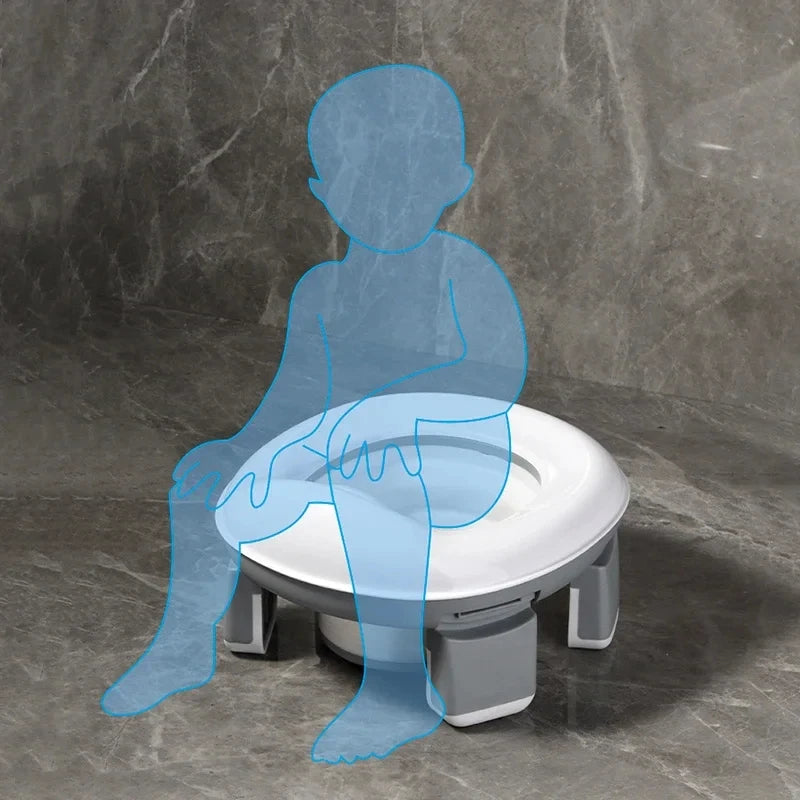
potty training guidelines + potty training travel tips — See it in action
Why a travel-friendly potty training approach works
Travel introduces new challenges for toddlers: unfamiliar bathrooms, changing schedules, longer periods away from home, and new distractions. Effective potty training guidelines focus on keeping the parts children recognize the same — the words you use, the timing of potty breaks, and the way you respond to successes or accidents.
A travel-friendly approach works because toddlers learn through repetition. When caregivers continue the same simple routine during trips, children can transfer their skills from home environments to new locations more confidently. A compact portable potty or foldable travel potty seat also reduces uncertainty by giving toddlers a familiar option when public bathrooms feel overwhelming.
What are the core steps for travel potty training?
Travel potty training works best when parents combine predictable timing, familiar cues, and positive reinforcement. Start with short potty sits, use the same phrase each time, bring a reliable travel potty option, and celebrate attempts as well as successful toilet trips.
- Choose predictable potty times, such as after waking, after meals, and before leaving for an outing.
- Bring a portable potty seat for traveling or compact portable potty that your toddler recognizes.
- Use one simple cue phrase, such as “toilet time,” to build understanding.
- Respond calmly to accidents and focus on progress rather than setbacks.
Potty training readiness: signs your toddler is ready
Successful potty training starts with readiness, not a specific age. While many toddlers begin learning between ages 2 and 3, development varies. The best potty training guidelines follow a child’s physical abilities, communication skills, and willingness to participate rather than comparing progress with other children.
Developmental readiness vs age
A toddler may be ready for potty training when they can recognize body signals, follow simple instructions, and participate in the process. Age can provide a general timeframe, but readiness signs are usually more helpful when deciding when to begin.
- Physical signs: Staying dry for longer periods, walking steadily, pulling pants up and down, and noticing when they need to use the bathroom.
- Communication signs: Telling a caregiver before or after they need to go, using words or gestures for bathroom needs.
- Behavioral signs: Showing curiosity about toilets, wanting independence, or imitating family bathroom habits.
- Routine signs: Being able to sit briefly and follow simple daily patterns.
When to delay training
It may be helpful to wait before starting if a toddler is experiencing major changes, such as moving homes, welcoming a new sibling, recovering from illness, or showing strong distress around the toilet. Delaying briefly can reduce pressure and create a more positive learning experience.
If a child consistently experiences pain, severe constipation, extreme fear, or ongoing difficulty despite supportive routines, caregivers should consider discussing concerns with a pediatrician.
How to prepare before potty training
Preparation makes potty training smoother because toddlers and caregivers know what to expect. A simple plan with the right supplies, realistic goals, and consistent caregiver responses creates a foundation for success at home and during travel.
Supplies you'll need
A basic potty training checklist does not need to be complicated. Focus on items that make bathroom transitions easier:
- A child-sized potty, portable potty seat for traveling, or travel potty solution.
- Comfortable clothing that is easy for toddlers to remove independently.
- Training pants or extra underwear for practice periods.
- Travel wipes, hand sanitizer, spare clothes, and waterproof bags.
- Small rewards such as stickers, praise, or a celebration routine.
Creating a potty training schedule
A consistent potty training schedule helps toddlers understand when to try. Instead of asking constantly, create natural opportunities throughout the day.
- Try after waking up.
- Offer a potty break after meals or snacks.
- Encourage a bathroom visit before leaving home.
- Add a calm bedtime potty routine.
The goal is familiarity, not pressure. Short, positive practice sessions help children build confidence while learning to recognize their own signals.
Common potty training challenges and solutions
Even with a consistent routine, toddlers can experience setbacks during potty training. Travel, new environments, emotional changes, and physical discomfort can all affect progress. The best potty training guidelines focus on patience, emotional support, and practical solutions instead of pressure.
Regression during potty training
Regression is common, especially after travel, illness, starting daycare, or other major changes. A toddler who was previously successful may suddenly have accidents or ask for diapers again.
- Return to familiar routines and simple potty reminders.
- Avoid punishment or showing frustration after accidents.
- Offer reassurance that learning takes time.
- Continue praise for attempts and successful toilet trips.
Temporary setbacks usually improve when children feel secure and routines become predictable again.
Withholding and constipation
Some toddlers avoid using the potty because they are worried about discomfort. Holding stool can make constipation worse and may create a cycle of fear and avoidance.
- Encourage regular bathroom opportunities without forcing long sits.
- Include enough fluids and fiber-rich foods as part of a healthy routine.
- Create a relaxed environment where bathroom time feels safe.
- Talk with a pediatrician if constipation, pain, or frequent withholding continues.
Resistance to using the potty
If a toddler refuses to sit, the goal is to rebuild comfort and confidence. Short, positive experiences work better than repeated demands.
- Allow your child to choose between small options, such as which book to read while sitting.
- Practice sitting briefly without expecting immediate results.
- Use encouraging language focused on effort rather than perfection.
- Keep the same potty cue across caregivers to reduce confusion.
Step-by-step potty training guidelines
A successful potty routine is built through repetition. These potty training guidelines create a simple daily process that supports independence, communication, and confidence.
Step 1 — Introduce the potty
Start by making the potty a familiar and comfortable part of your toddler’s environment. Let your child sit on it fully clothed at first if needed, explain what it is used for, and avoid making the first experiences feel like a test.
For families who travel often, introducing a familiar travel potty option early can make future outings easier because the child recognizes the same equipment in different locations.
Step 2 — Build a routine
A predictable potty training schedule helps toddlers connect daily activities with bathroom breaks. Offer potty opportunities at natural transition points:
- After waking up.
- After meals or snacks.
- Before leaving the house.
- Before naps and bedtime.
Keep each attempt short and relaxed. The purpose is to build awareness, not create pressure.
Step 3 — Encourage communication
Teach your toddler simple words, signs, or phrases for bathroom needs. Consistent communication helps children recognize that they can tell caregivers before an accident happens.
- Use the same phrase every time, such as “potty time” or “let’s use the toilet.”
- Praise your child for telling you, even if they do not make it in time.
- Respond calmly so communication feels safe and encouraged.
Step 4 — Practice underwear transition
When your toddler shows more awareness and regular success, begin practicing with underwear or training pants. Choose clothing that allows quick bathroom access and supports independence.
Expect occasional accidents during this stage. They are part of learning and help children understand the connection between body signals and bathroom routines.
Step 5 — Reinforce success positively
Positive reinforcement helps toddlers understand that their efforts matter. Rewards do not need to be large — simple recognition is often enough.
- Celebrate successful potty trips with praise or a high-five.
- Use stickers or small reward systems when helpful.
- Focus on progress, such as trying independently or remembering the routine.
Step 6 — Handle accidents calmly
Accidents are a normal part of development. Staying neutral helps children avoid shame and keeps potty training a positive experience.
- Acknowledge what happened without criticism.
- Help your toddler clean up and change clothes.
- Remind them about the next potty opportunity.
A calm response teaches problem-solving and helps children stay confident while learning.
Step 7 — Maintain consistency
Consistency is one of the most important parts of potty training. Make sure parents, grandparents, daycare providers, and other caregivers use the same words, expectations, and encouragement style.
When routines remain familiar across different environments, toddlers are more likely to continue practicing their skills successfully.
How to potty train while traveling
How to potty train while traveling depends on maintaining familiar habits while allowing flexibility. Travel does not have to stop progress, but routines may need to become simpler during busy days.
Preparing for road trips
Road trips are easier when bathroom planning happens before urgency begins. Pack a dedicated potty bag and keep essential items within reach.
- Schedule potty breaks during longer drives.
- Keep a portable potty seat for traveling accessible instead of packed away.
- Bring spare clothes, wipes, liners, and cleaning supplies.
- Practice using the travel potty before the trip.
Air travel tips
Airports and airplanes can feel overwhelming for toddlers. A predictable routine before boarding can reduce stress.
- Offer a potty visit before entering security when possible.
- Use familiar phrases and routines from home.
- Bring compact travel supplies that fit easily into carry-on bags.
- Prepare for delays by packing extra clothing and wipes.
Maintaining routines away from home
The goal of potty training on the go is consistency, not a perfect schedule. Continue familiar cues, offer regular opportunities, and adapt timing based on your child’s needs.
A toddler may need extra reassurance in unfamiliar bathrooms. A familiar travel potty seat or compact portable potty can provide comfort while helping children practice independence in new places.
Choosing the right travel potty
The best travel potty depends on your toddler’s age, confidence level, travel style, and where you expect to use it. A good option should balance comfort, portability, hygiene, and ease of setup.
Portable potty for toddlers
A portable potty for toddlers is useful for families who frequently travel, spend time outdoors, or need a familiar option when public bathrooms are unavailable.
- Provides a familiar seating position.
- Works well for younger toddlers still learning.
- Reduces anxiety in unfamiliar locations.
- Allows quick bathroom breaks during outings.
Foldable travel potty seat
A foldable travel potty seat is designed for families who prioritize saving space. These seats are lightweight and convenient for restaurants, airports, and family trips where toilets are available.
- Easy to store in diaper bags.
- Useful for older toddlers comfortable with regular toilets.
- Requires a stable toilet surface.
Compact portable potty comparison
| Type | Best for | Advantages | Limitations |
|---|---|---|---|
| Foldable travel potty seat | Older toddlers using public toilets | Lightweight and space-saving | Needs a toilet base |
| Standalone portable potty | Younger toddlers learning | Familiar and comfortable | Takes more storage space |
| 3-in-1 travel toilet seat | Families wanting multiple functions | Combines seat adapter, potty use, and liner compatibility | Slightly larger than basic adapters |
For a versatile option designed for different travel situations, the 3-in-1 travel toilet seat helps simplify bathroom routines by combining multiple uses in one compact design.
Common mistakes parents make and how to avoid them
Following consistent potty training guidelines is easier when you know which common mistakes can slow progress. Travel can add pressure, but a calm approach helps toddlers build confidence without turning potty training into a stressful experience.
- Using too much pressure: Repeated reminders, forcing long sits, or showing frustration can create resistance. Offer regular opportunities and let your toddler participate at their own pace.
- Expecting instant results: Potty training is a developmental process. Some toddlers learn quickly, while others need more time to recognize body signals and build confidence.
- Changing routines too often: Keep the same cue words, potty schedule, and reward system between home, daycare, and travel. Consistency helps toddlers understand what to expect.
- Using punishment after accidents: Accidents are a normal part of learning. Stay neutral, clean up calmly, and remind your child when the next potty opportunity will happen.
- Ignoring signs of discomfort: If your toddler avoids the potty, appears afraid, or regularly holds urine or stool, address the underlying concern instead of increasing pressure.
Nighttime potty training guidelines
Nighttime potty training follows a different timeline than daytime learning. Many toddlers become dry overnight after they have already mastered daytime bathroom habits because nighttime bladder control develops gradually.
Signs of readiness
Your toddler may be ready to begin nighttime potty training when they:
- Wake up with a dry diaper or training pants regularly.
- Recognize the need to use the bathroom during the day.
- Follow a predictable bedtime routine.
- Can communicate when they need to go potty.
- Show interest in wearing underwear overnight.
Managing nighttime accidents
Nighttime accidents are common and do not mean your toddler has lost progress. Use practical steps to support learning without adding pressure:
- Create a consistent bedtime bathroom routine.
- Encourage a final potty visit before sleep.
- Use mattress protection and keep spare pajamas nearby for easy changes.
- Avoid making nighttime accidents feel embarrassing or like a failure.
- Allow your child’s development to guide the transition away from overnight diapers or training pants.
Frequently asked questions
What are the signs my toddler is ready for potty training?
Common readiness signs include staying dry for longer periods, showing awareness of wet or dirty diapers, communicating bathroom needs, following simple instructions, and showing interest in using the toilet or potty. Age alone does not determine readiness; physical, emotional, and communication skills matter most.
How long does potty training usually take?
The timeline varies widely. Some toddlers learn basic daytime skills within a few weeks, while others need several months of practice. Consistent potty training guidelines, positive reinforcement, and realistic expectations help children progress without unnecessary stress.
How do I potty train while traveling?
Use the same routine your toddler practices at home: offer regular potty opportunities, use familiar phrases, and bring a comfortable travel potty option. Travel potty training works best when families focus on consistency rather than perfection.
What is the best portable potty for toddlers?
The best choice depends on your travel style and your toddler’s comfort. A portable potty for toddlers should be stable, easy to clean, comfortable for short sits, and simple to carry. A versatile option like the 3-in-1 travel toilet seat can reduce the number of items families need to pack.
How often should I take my toddler to the potty during travel?
Many families start with natural transition points, such as after waking, before leaving, after meals, and before long travel periods. Adjust the schedule based on your toddler’s cues instead of relying only on the clock.
How do I handle potty training regression?
Regression can happen during travel, illness, major routine changes, or emotional transitions. Return to familiar routines, offer reassurance, and avoid punishment. If regression continues or is accompanied by pain, constipation, or distress, consider discussing it with your child’s healthcare provider.
Should I start nighttime potty training at the same time?
Not necessarily. Many children develop nighttime dryness later than daytime control. Focus on daytime success first, then introduce nighttime changes when your toddler shows readiness signs.
When should I talk to my pediatrician about potty training?
Consider seeking advice if your toddler experiences painful urination, ongoing constipation, frequent stool withholding, extreme distress around toileting, or persistent difficulties despite consistent support. A healthcare professional can help identify possible physical or developmental concerns.
Travel potty packing checklist
A well-prepared potty training checklist makes travel days easier by reducing delays, stress, and last-minute searches. The goal is to keep essential supplies accessible while helping your toddler maintain familiar potty training routines away from home.
- Portable potty option: Pack a comfortable travel potty seat, compact portable potty, or foldable travel potty seat that your toddler already recognizes.
- Cleaning supplies: Bring travel wipes, hand sanitiser, disposable liners, tissues, and a small towel for quick clean-ups after each use.
- Backup clothing: Pack at least one or two extra outfits, extra underwear or training pants, and a resealable waterproof bag for wet or soiled clothes.
- Reward items: Keep small motivation tools nearby, such as stickers, a simple reward chart, or a favorite song used during successful potty moments.
- Comfort items: A familiar toy, book, or calming item can make unfamiliar bathrooms or travel stops feel less intimidating.
For longer trips, store the potty supplies in an easy-to-reach travel bag rather than deep inside luggage. Quick access supports consistent potty training travel tips and helps toddlers transition smoothly between locations.
Frequently asked questions
-
Q: What are the signs my toddler is ready for potty training?
A: Common readiness signs include staying dry for longer periods, noticing when they need to go, communicating bathroom needs, following simple instructions, and showing curiosity about using a potty. Readiness is based on development rather than age alone.
-
Q: How long does potty training usually take?
A: Every child develops at a different pace. Some toddlers learn daytime skills within a few weeks, while others need longer practice. Consistent potty training guidelines, positive reinforcement, and a predictable routine help support steady progress.
-
Q: How do I potty train while traveling?
A: Continue the same habits your toddler practices at home. Offer regular potty opportunities, use familiar phrases, bring a trusted travel potty option, and keep expectations flexible. Travel potty training works best when routines stay familiar even in new places.
-
Q: What is the best portable potty for toddlers?
A: The best portable potty for toddlers depends on your child’s comfort and your travel needs. Look for stability, easy cleaning, portability, and a design your toddler accepts. A multi-use option like the 3-in-1 travel toilet seat can function as a toilet seat adapter, compact potty, and liner-compatible solution.
-
Q: How often should I take my toddler to the potty during travel?
A: Many families begin with predictable moments such as after waking, before leaving, after meals, and before long stretches without bathroom access. Adjust timing based on your toddler’s signals and comfort level.
-
Q: How do I handle potty training regression?
A: Regression is common during trips, major routine changes, illness, or stressful events. Return to familiar cues, offer encouragement, and avoid punishment. If regression includes pain, constipation, or ongoing distress, discuss it with your child’s healthcare provider.
-
Q: Should I start nighttime potty training at the same time?
A: Not always. Nighttime dryness usually develops after daytime potty skills because bladder control during sleep takes longer to mature. Follow your toddler’s readiness signs and keep nighttime changes low-pressure.
-
Q: When should I talk to my pediatrician about potty training?
A: Speak with a healthcare professional if your toddler has painful urination, frequent constipation, persistent stool withholding, significant fear around using the potty, or ongoing challenges despite consistent support.
Related Articles:
- Tips for Toddler Potty Travel: Routines That Reduce Meltdowns and Messes
- How to Use a Lightweight Foldable Potty for Smooth, Stress-Free Outings
- Toilet Training Challenges Solved: Practical Fixes Parents Can Use Anywhere
- Accidents Potty Training Reviews: Top Travel Solutions That Reduce Mess and Stress
Pillar Articles:





