

Towels for Newborns Review: Why Parents Trust These Soft Choices
Choosing the right towels for newborns is about more than finding a cute design. A baby’s skin is delicate, and the towel used after bath time can affect comfort, drying speed, and how easily parents complete their daily routine. The best newborn towels combine softness, absorbency, breathable materials, and gentle construction to make those first baths calmer for both babies and caregivers.
Does towels for newborns really protect and comfort a newborn after bath?
Yes — towels for newborns help protect delicate skin by using softer fibers, better absorbency, and baby-friendly designs that reduce friction. A suitable newborn towel dries moisture gently, helps prevent babies from getting cold after bathing, and provides a comfortable wrap that makes post-bath care easier.
⏱ 12 min read
Are baby towels necessary? The short answer
Are baby towels necessary for every family? Not always — but they can make newborn bath time easier, especially during the first months when babies have sensitive skin and lose body heat quickly after getting wet.
Many parents ask, “Do I actually need baby towels, or can I use regular towels?” A clean, soft adult towel can work in some situations, especially if it is made from gentle fabric and washed with baby-safe detergent. However, towels designed specifically for newborns often provide practical advantages, including smaller sizing, softer textures, hooded coverage, and easier wrapping.
Baby towels are most beneficial for:
- Newborns with sensitive skin: Softer fabrics and smoother finishes can help reduce irritation from rough fibers or bulky seams.
- Frequent bath routines: Quick-drying materials make daily or several-times-per-week use more convenient.
- Parents learning newborn care: Hooded shapes and smaller sizes make wrapping and drying a baby easier.
That said, a baby towel is not a requirement for safe bathing. The most important factors are fabric quality, cleanliness, absorbency, and gentle handling. A well-made regular towel may work well, while a poor-quality baby towel may not provide the comfort parents expect.
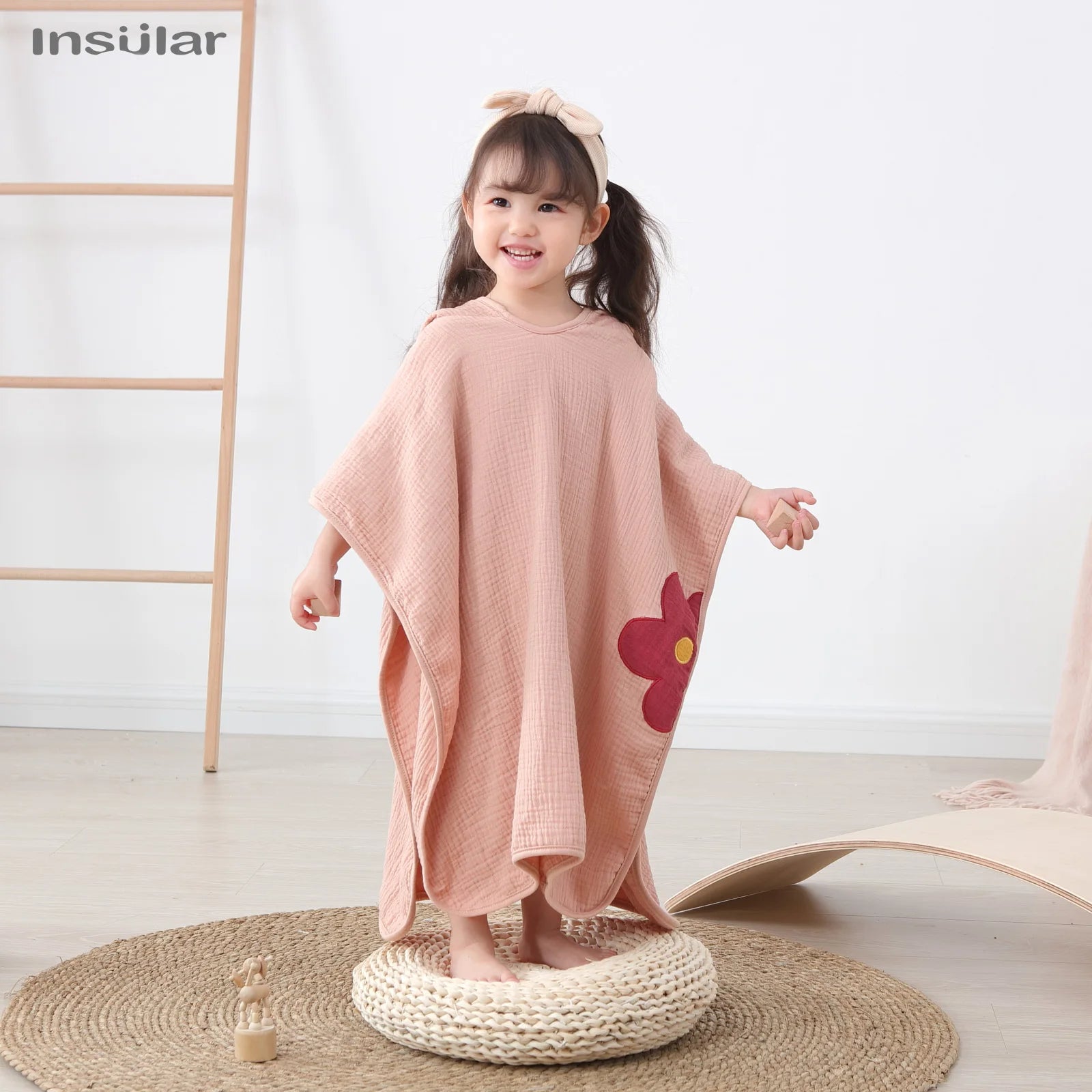
towels for newborns - KentDO See it in action
How towels for newborns protect and comfort your baby
Newborn towels combine plush, breathable fibers with fast absorbency to dry skin gently without unnecessary rubbing. The right towel helps remove moisture while creating a soft layer between delicate skin and rough surfaces, making it easier to swaddle and soothe your baby after bath time.
Hooded newborn towels provide an additional comfort benefit by covering the baby’s head while the rest of the body is dried. Since babies can become chilled quickly after leaving warm water, a soft hood helps maintain warmth while parents prepare clothing and complete the bedtime routine.
Quick comparison: what parents should check first
- Fiber type: Natural fibers such as cotton, bamboo, and muslin are popular choices because they are soft, breathable, and comfortable against newborn skin.
- Absorbency: A good newborn towel should absorb water quickly without requiring aggressive rubbing.
- Construction: Flat seams, secure edges, and quality stitching help prevent irritation and improve durability.
- Size: A towel around 30×30 inches or larger can provide enough coverage while still being easy to wrap.
- Wash care: Machine-washable fabrics with simple care instructions are more practical for everyday baby use.
Get an easy checklist to compare towels and accessories so bath time becomes quicker and calmer.
Choosing the best towel material for your baby
The material of a baby towel affects softness, absorbency, drying speed, breathability, and long-term durability. When choosing the best towels for newborns, focus on how the fabric feels against delicate skin, how quickly it removes moisture, and how easily it can handle frequent washing.
Cotton
Cotton remains one of the most common choices for baby towels because it offers a balance of softness, absorbency, and easy care. High-quality cotton towels can feel plush while remaining breathable enough for everyday use.
- Softness: Premium cotton is gentle against newborn skin and becomes softer with proper washing.
- Absorbency: Cotton terry fabrics are effective at soaking up water after baths.
- Care: Machine washing makes cotton practical for families who use towels frequently.
Bamboo
Bamboo baby towels are popular with parents looking for lightweight, breathable fabrics with a silky texture. Bamboo blends are often chosen for babies with easily irritated skin because they feel smooth and comfortable.
- Comfort: Bamboo fibers create a soft surface that feels gentle during drying.
- Breathability: The fabric allows airflow, which can help prevent overheating.
- Care: Bamboo requires gentle washing to help maintain its softness over time.
Muslin
Muslin is a lightweight fabric often used for newborn essentials because it dries quickly and feels airy. A muslin baby towel can be especially useful in warmer climates or for parents who prefer a thinner wrap that is easy to handle.
- Absorbency: Muslin absorbs moisture effectively while remaining lightweight.
- Breathability: The open weave helps reduce trapped heat after bath time.
- Versatility: Muslin can also work well as a wrap or cover beyond the bath routine.
Terry cloth
Terry cloth uses looped fibers designed to increase surface area and improve water absorption. It is a traditional towel material that works well when the loops are soft, secure, and properly finished.
- Absorbency: Thick terry towels can remove moisture quickly after bathing.
- Warmth: The heavier texture can provide extra coziness after a warm bath.
- Consideration: Lower-quality terry cloth may feel rougher or take longer to dry.
Seams, tags, and hood design
Fabric quality is only part of what makes a newborn towel comfortable. Small construction details can affect how a towel feels during daily use.
- Flat or reinforced seams: Help reduce pressure points that may rub against delicate skin.
- Tag-free designs: Prevent unnecessary scratching or irritation around the neck and shoulders.
- Roomy hood: Keeps a baby's head covered without feeling tight around the ears.
- Secure edges: Reduce fraying and help the towel maintain its shape after repeated washes.
Washing tips to preserve softness
- Wash before first use to remove manufacturing residues and improve initial absorbency.
- Use a gentle detergent designed for sensitive fabrics when possible.
- Avoid fabric softeners because they can leave a coating that reduces water absorption.
- Use low heat or air drying to protect fibers and maintain softness longer.
At-a-glance pros & cons
| Pros | Cons |
|---|---|
| Soft fabrics, gentle drying experience, hooded designs for warmth, and materials suited for frequent newborn baths. | Premium materials may cost more, and thicker towels can require additional drying time. |
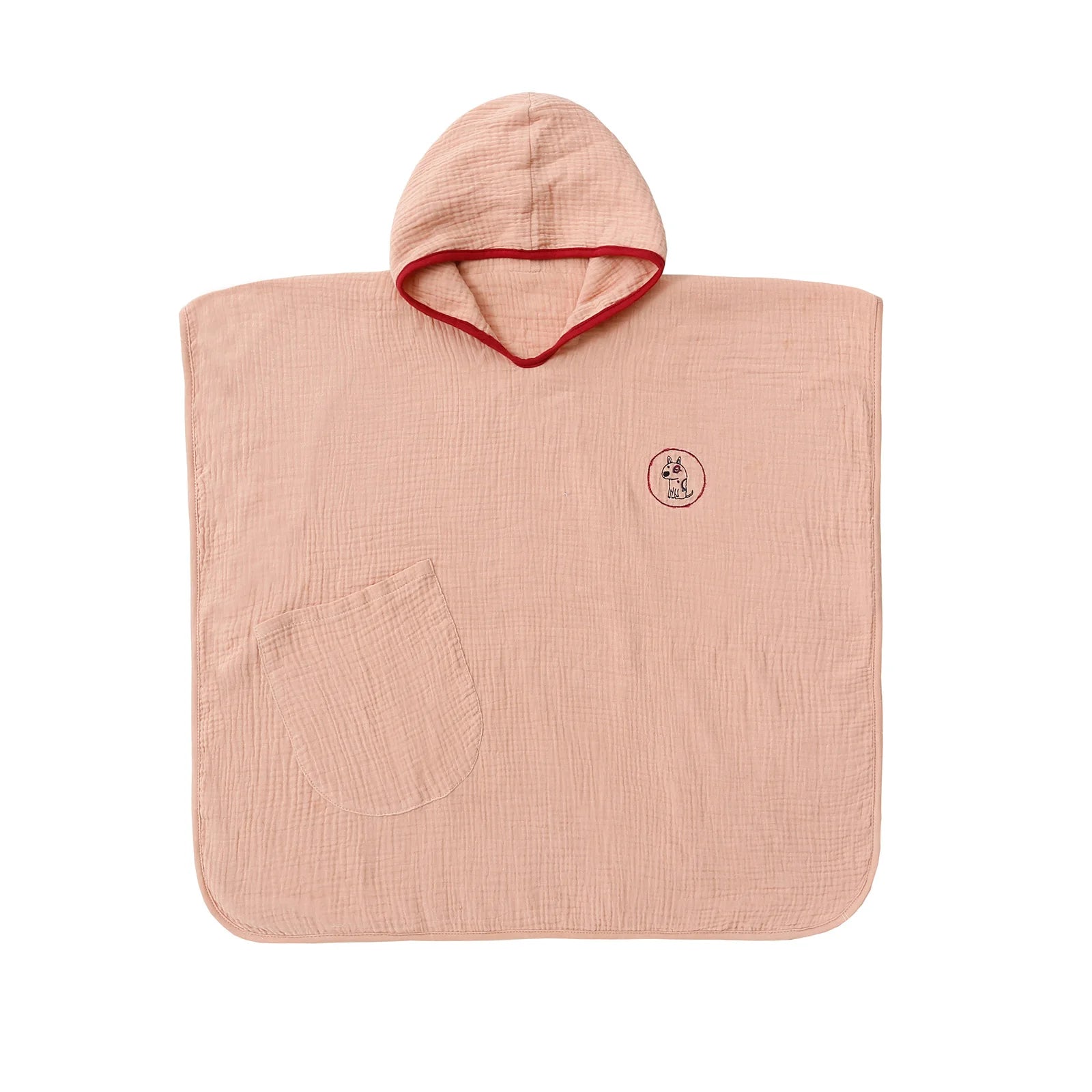
towels for newborns - KentDO See it in action
How to use baby towels safely after bath
A safe drying routine is just as important as choosing the right towel. Newborn skin is delicate, so the goal is to remove moisture gently while keeping your baby warm and comfortable.
Drying technique
- Prepare everything first: Place the towel, diaper, and clothes within reach before taking your baby out of the bath to reduce time exposed to cooler air.
- Support your baby's head and neck: Wrap the towel around your newborn carefully while maintaining secure support.
- Pat instead of rubbing: Press the towel gently against the skin to absorb water rather than creating friction.
- Dry skin folds carefully: Pay attention to areas such as the neck, behind the ears, and between fingers and toes where moisture can remain.
Keeping baby warm
- Use a hooded corner first: Cover the baby's head soon after lifting them from the bath to help retain warmth.
- Wrap comfortably: A soft towel wrap provides a cozy layer while you prepare clothing.
- Move smoothly: A calm, organized routine helps reduce fussiness and keeps bath time relaxing.
Small technique tip
When drying hair, gently press the hooded corner against the scalp instead of rubbing. For newborns with delicate soft spots, avoid applying pressure and use light movements throughout the drying process.
Comparison table: Baby towels vs. regular towels
Understanding the difference between baby towels vs regular towels helps parents decide what makes sense for their family. A regular towel may work in some situations, but baby towels are designed around common newborn needs such as gentle fabrics, easier wrapping, and improved comfort after bath time.
| Feature | Baby Towels | Regular Towels |
|---|---|---|
| Material | Often made with soft cotton, bamboo, muslin, or baby-friendly blends designed for delicate skin. | Usually made from standard cotton or terry fabrics that may vary widely in softness. |
| Absorbency | Designed to absorb moisture gently while allowing quick drying after a bath. | Can be highly absorbent, but thicker household towels may feel heavier on small babies. |
| Comfort | Usually includes softer edges, smaller sizing, and features that reduce rubbing against newborn skin. | Comfort depends on fabric quality; older or rougher towels may not feel suitable for infants. |
| Design | Often hooded with a baby-sized shape that helps cover the head and keep warmth after bathing. | Typically larger and designed for adults, making wrapping a newborn less convenient. |
| Best use cases | Ideal for newborns, frequent baths, sensitive skin, and parents who want an easier post-bath routine. | Works well when soft, clean, and properly sized, especially as children grow older. |
Buying checklist & sizing guide
Before choosing towels for newborns, consider how the towel will fit into your daily routine. The best option should be comfortable for your baby while remaining practical for regular washing and storage.
- Size: A towel around 30×30 inches or larger usually provides enough coverage to wrap a newborn securely while leaving room for growth.
- Hood fit: Choose a hood that covers the baby's head comfortably without feeling tight around the ears or face.
- Fabric quality: Look for soft, breathable materials with smooth finishing and secure stitching.
- Care instructions: Check whether the towel can handle frequent washing without losing softness or absorbency.
- Material claims: Prefer clear fabric information and avoid products making unsupported safety or antibacterial claims.
How many baby towels do you need?
The number of baby towels you need depends on your baby's bath schedule, laundry habits, and how often you prefer to rotate essentials. Having a small backup supply helps keep bath time simple when one towel is in the wash.
Newborn essentials
For most newborns, having two to four baby towels is a practical starting point. This allows parents to keep one available while others are being washed or dried.
- Minimal setup: Two towels can work for families who do laundry frequently.
- Comfortable rotation: Three to four towels provide flexibility for regular baths and unexpected messes.
- Multiple caregivers: Extra towels can be helpful when different family members handle bath routines.
Daily laundry routine
Families who wash baby items several times per week may need fewer towels, while households with less frequent laundry schedules often benefit from having additional backups. Store clean towels in a dry, easy-to-access location so the bath routine stays organized.
How to keep baby towels soft and absorbent
Even the best baby towel can become rough or less absorbent if it is not cared for properly. Simple washing habits help protect the fibers and extend the towel’s useful life.
Common washing mistakes
- Using too much detergent: Excess residue can build up on fibers and reduce absorbency.
- Adding fabric softener: Softener may make towels feel smooth temporarily but can interfere with water absorption.
- Overloading the washer: Crowded loads prevent towels from rinsing and drying evenly.
- Using excessive heat: High temperatures can weaken fibers and contribute to shrinkage over time.
Better care practices
- Wash baby towels separately or with other gentle fabrics when possible.
- Use mild detergent suitable for sensitive skin.
- Allow towels to dry completely before storing to help prevent musty odors.
- Air dry or use low heat settings to maintain softness.
When to replace towels
Replace a baby towel when it develops rough patches, persistent odors, thinning areas, loose threads, or reduced absorbency. A towel does not need to look new forever, but it should remain soft, clean, and comfortable against your baby's skin.
Ready for a softer bath routine? Check the hooded muslin option here: muslin baby hooded poncho towel — designed for gentle drying, cozy wrapping, and everyday newborn care.
How to keep baby towels soft and absorbent
Proper care helps preserve the softness, absorbency, and durability of baby towels over months of use. Since newborn towels are washed frequently, small changes in your laundry routine can prevent rough textures, lingering odors, and reduced water absorption.
Common washing mistakes
- Using too much detergent: Excess detergent can leave residue on fibers, making towels feel stiff and less absorbent over time.
- Using fabric softener: Fabric softeners may create a coating that makes towels feel smooth but prevents them from absorbing moisture effectively.
- Overloading the washer: Crowded loads prevent towels from moving freely, which can lead to uneven cleaning and slower drying.
- Washing with rough fabrics: Items with zippers, hooks, or coarse materials can damage soft towel fibers.
Best practices for longer-lasting softness
- Wash newborn towels before first use to improve absorbency and remove manufacturing residues.
- Choose a mild detergent suitable for sensitive fabrics and avoid harsh additives.
- Wash towels with similar soft materials to help protect the fabric surface.
- Dry completely before storing to prevent musty smells and mildew buildup.
- Use low heat or air drying whenever possible to help maintain fiber quality.
Common issue: Towels feel less soft after a few washes
If a baby towel becomes rough or stiff, detergent buildup is often the cause. Try running an additional rinse cycle or washing with a small amount of white vinegar to remove residue. Avoid repeatedly using high heat, as excessive temperatures can weaken fibers and make fabrics feel less comfortable.
Frequently asked questions
-
Q: Are baby towels necessary or can I use regular towels?
A: Baby towels are not required, but they can make bath time easier because they are often softer, smaller, and designed for easier wrapping. A clean, gentle regular towel can work if the fabric is comfortable and suitable for sensitive skin.
-
Q: Do babies need special towels?
A: Babies do not need a specific type of towel to be safe, but newborn towels can provide practical benefits such as hooded coverage, softer materials, and better sizing for small bodies.
-
Q: Can I use normal towels for my baby?
A: Yes, as long as the towel is soft, clean, absorbent, and free from rough textures that may irritate delicate skin. Avoid old towels that have become scratchy or stiff.
-
Q: Why are hooded baby towels recommended?
A: Hooded towels help cover a baby's head after bathing, which can make it easier to maintain warmth while drying the rest of the body. They also make wrapping and carrying a newborn more convenient.
-
Q: What is the best material for newborn towels?
A: Cotton, bamboo, muslin, and soft terry cloth are all popular choices. The best option depends on your priorities, such as absorbency, breathability, drying speed, and ease of care.
-
Q: How many baby towels do I need for a newborn?
A: Most families can start with two to four baby towels. The right number depends on how often you bathe your baby, your laundry schedule, and whether you prefer having backups available.
-
Q: When can my child start using regular towels?
A: Many children can transition to regular towels when they are older and can comfortably handle larger sizes. Continue choosing soft, absorbent fabrics that feel comfortable on their skin.
-
Q: Are bamboo baby towels better than cotton?
A: Bamboo and cotton both have advantages. Bamboo is often valued for softness and breathability, while cotton is known for durability, absorbency, and easy care. A high-quality version of either material can work well for babies.
Final verdict: Should you buy baby towels?
For many families, baby towels are not an absolute necessity, but they can make the newborn bath routine easier, gentler, and more comfortable. The biggest benefits come from features designed around babies’ needs: softer fabrics, lightweight warmth, better coverage, and less friction against delicate skin.
If you are wondering are baby towels necessary or do you need baby towels , the answer depends on your priorities. Parents of newborns, babies with sensitive skin, or families who want a simpler after-bath routine often appreciate the convenience of a dedicated hooded towel. Families on a budget can also use a clean, soft adult towel as long as it is gentle, properly sized, and free from rough textures or heavy fragrances.
A quality option like the muslin baby hooded poncho towel can be especially useful during the newborn stage because it combines coverage, absorbency, and easy wrapping in one simple design.
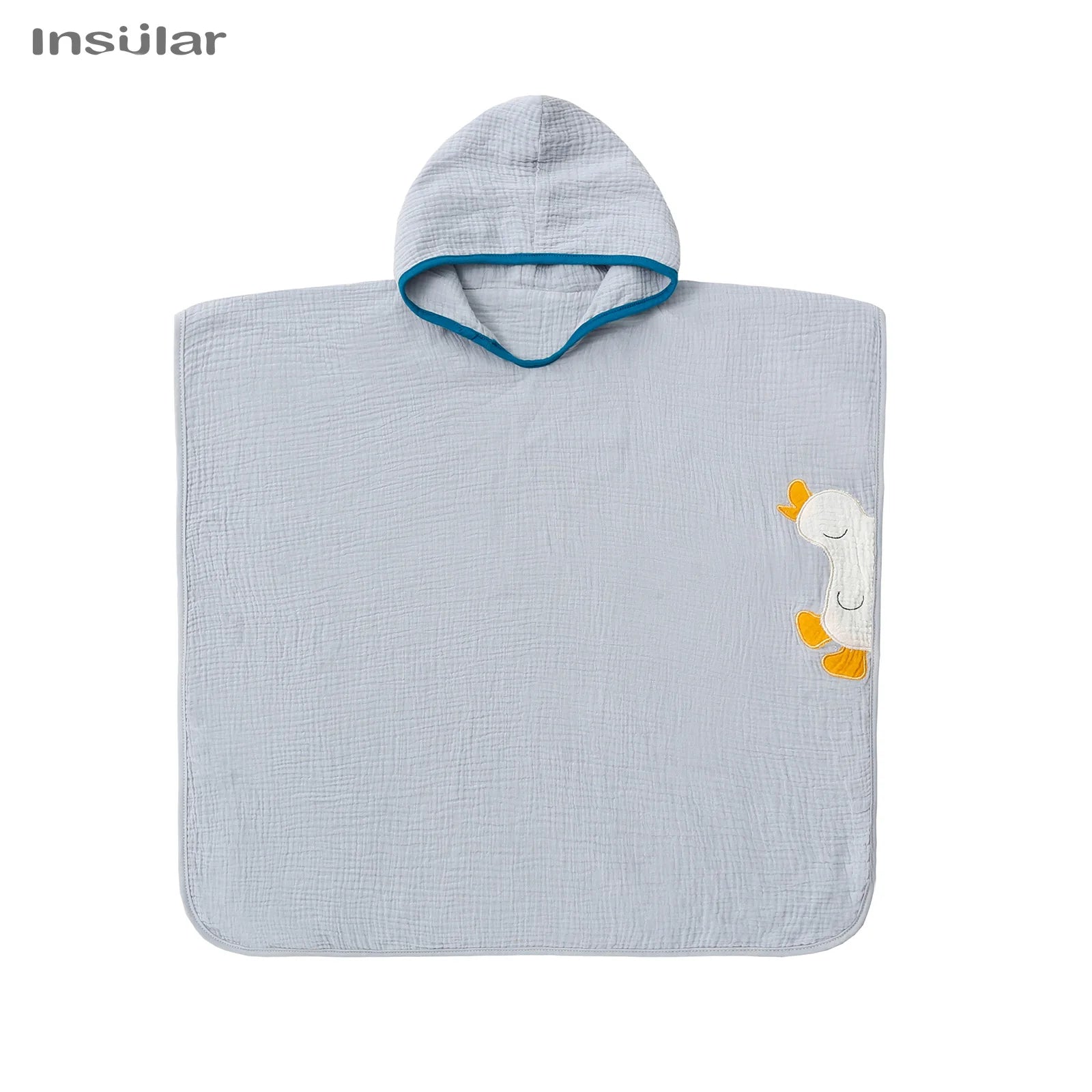
towels for newborns - KentDO See it in action
Frequently asked questions
Are baby towels necessary or can I use regular towels?
Baby towels are helpful but not mandatory. A clean, soft regular towel can work if it does not have rough fibers, bulky seams, or strong detergents that may irritate sensitive skin. Dedicated baby towels are designed to provide easier wrapping, better head coverage, and a more comfortable fit for small bodies.
Do babies need special towels?
Babies do not require special towels to stay clean and dry, but newborn towels are designed with features that make bath time easier. Softer materials, hooded corners, and lightweight construction can help keep babies warm and reduce rubbing after baths.
Can I use normal towels for my baby?
Yes, you can use normal towels for your baby if they are soft, absorbent, and washed with gentle detergent. Avoid older towels that feel rough, shed fibers, or have stiff fabric caused by detergent buildup.
Why are hooded baby towels recommended?
Hooded baby towels help cover a newborn’s head immediately after bathing, which can help reduce heat loss while you dry the rest of the body. The hood also makes wrapping easier when moving from bath time to dressing or bedtime routines.
What is the best material for newborn towels?
The best material depends on your needs. Cotton is popular for durability and absorbency, bamboo is known for softness and breathability, muslin is lightweight and quick-drying, and terry cloth provides excellent moisture absorption when properly finished.
How many baby towels do I need for a newborn?
Most families need about 2–4 baby towels for a newborn. Two towels may work for occasional baths with frequent laundry, while three or four provide backups for spit-ups, accidents, and busy weeks.
When can my child start using regular towels?
Many children can transition to regular towels when they are older, more independent after baths, and comfortable with a larger towel size. Some families continue using hooded baby towels through the toddler years because they remain convenient.
Are bamboo baby towels better than cotton?
Bamboo baby towels can feel exceptionally soft and breathable, but cotton remains a reliable choice because it is durable, absorbent, and widely available. The best choice depends on whether you prioritize lightweight softness, long-term durability, or easier everyday care.
Related resources: explore Baby Bath Accessories and Baby Care Essentials to create a gentle bath routine. You can also learn more about Newborn bathing routine , Baby skincare for sensitive skin , Newborn essentials checklist , How often should you bathe a newborn? , Best baby bath products , and Baby laundry and fabric care .
Related Articles:
- Best Towel for Toddlers Tested: Comfort, Warmth, and Real Parent Picks
- Decorative Bath Towel Sets Compared: Which Brand Feels Worth It
Pillar Articles:





