

How to Towel Dry Hair Safely for Faster, Frizz-Free Results
⏱ 12 min read
Does learning how to towel dry hair really reduce frizz and damage?
Yes. Learning how to towel dry hair correctly removes excess water faster while reducing friction, split ends, and frizz. Use soft fabric, gentle squeezing, and wrapping techniques to speed air-dry time and protect hair structure—works for fine, thick, curly, and color-treated hair in everyday routines.
Tired of post-shower frizz, breakage at the ends, or painfully slow dry times? Whether you're a busy parent juggling bath time or someone who wants shinier, smoother hair without heat, mastering how to towel dry hair can change your daily routine. Below you'll find simple, safe steps, quick fixes for common problems, and product-friendly tips—plus a pro trick that many stylists use with baby-soft fabrics to keep hair healthy. 💡
how to towel dry hair - KentDO 💡 See it in action
Why gentle towel drying matters for healthier hair
Rubbing hair with a rough towel drags cuticles up, causes microscopic breaks, and leads to faster moisture loss. Over time this adds up to frizz, split ends, and dullness. Gentle towel-drying techniques preserve your hair’s surface and speed drying without heat damage.
Quick answer: how to towel dry hair
How to towel dry hair: Pat and squeeze excess water with a soft fabric, use wrapping or blotting instead of rubbing, and avoid tight twisting. Finish with a wide-tooth comb or fingers and a lightweight leave-in for frizz control. This method reduces friction and speeds air-dry time while protecting strands.
How to towel dry hair: Pat and squeeze excess water with a soft fabric, use wrapping or blotting instead of rubbing, and avoid tight twisting. Finish with a wide-tooth comb or fingers and a lightweight leave-in for frizz control. This method reduces friction and speeds air-dry time while protecting strands.
What you need (tools & fabrics) — gentle, effective choices
- Soft cotton or muslin towels (microfiber is OK but choose non-abrasive loops)
- A wide-tooth comb or detangling brush
- Leave-in conditioner or lightweight oil (a small amount)
- Optional: hair clips for sectioning
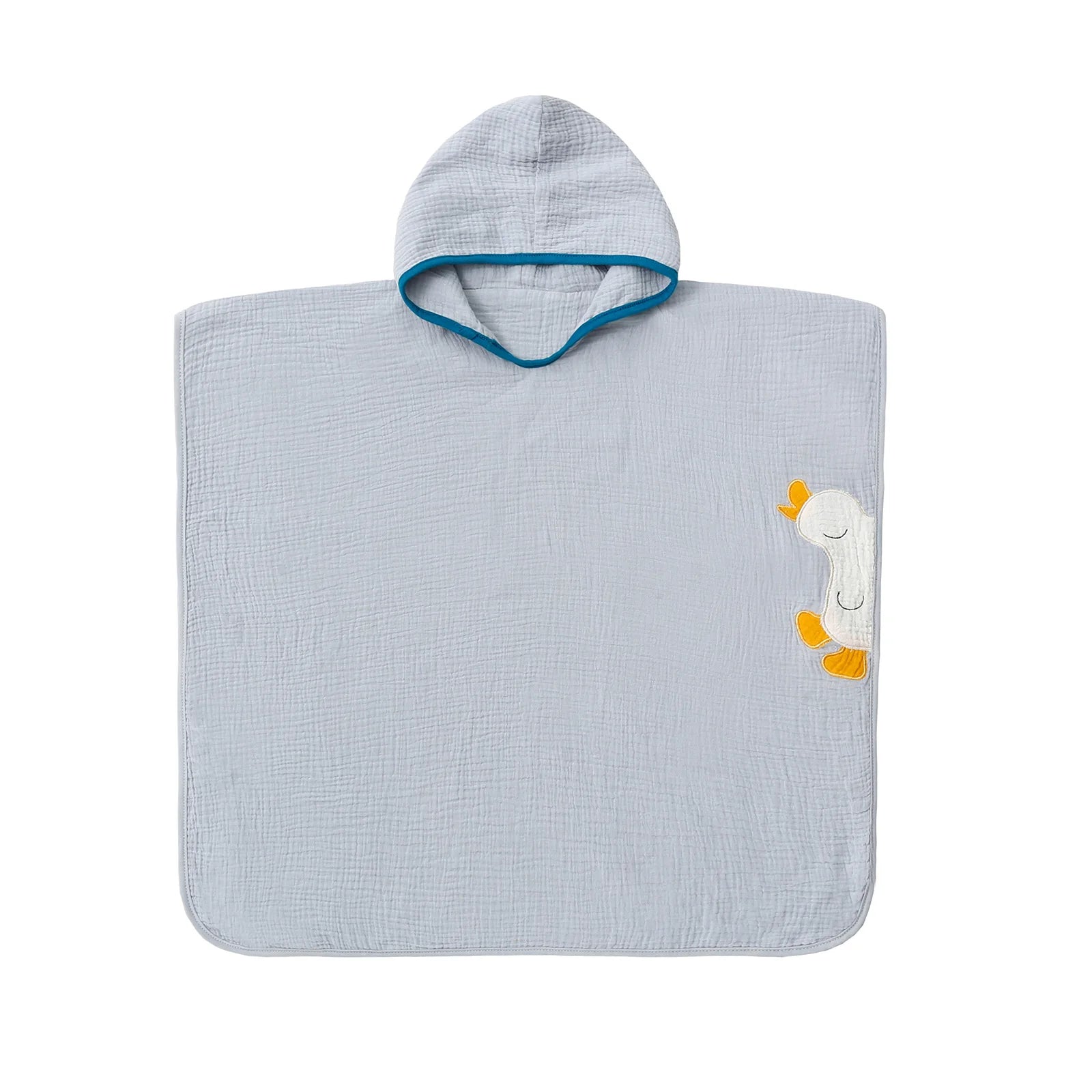
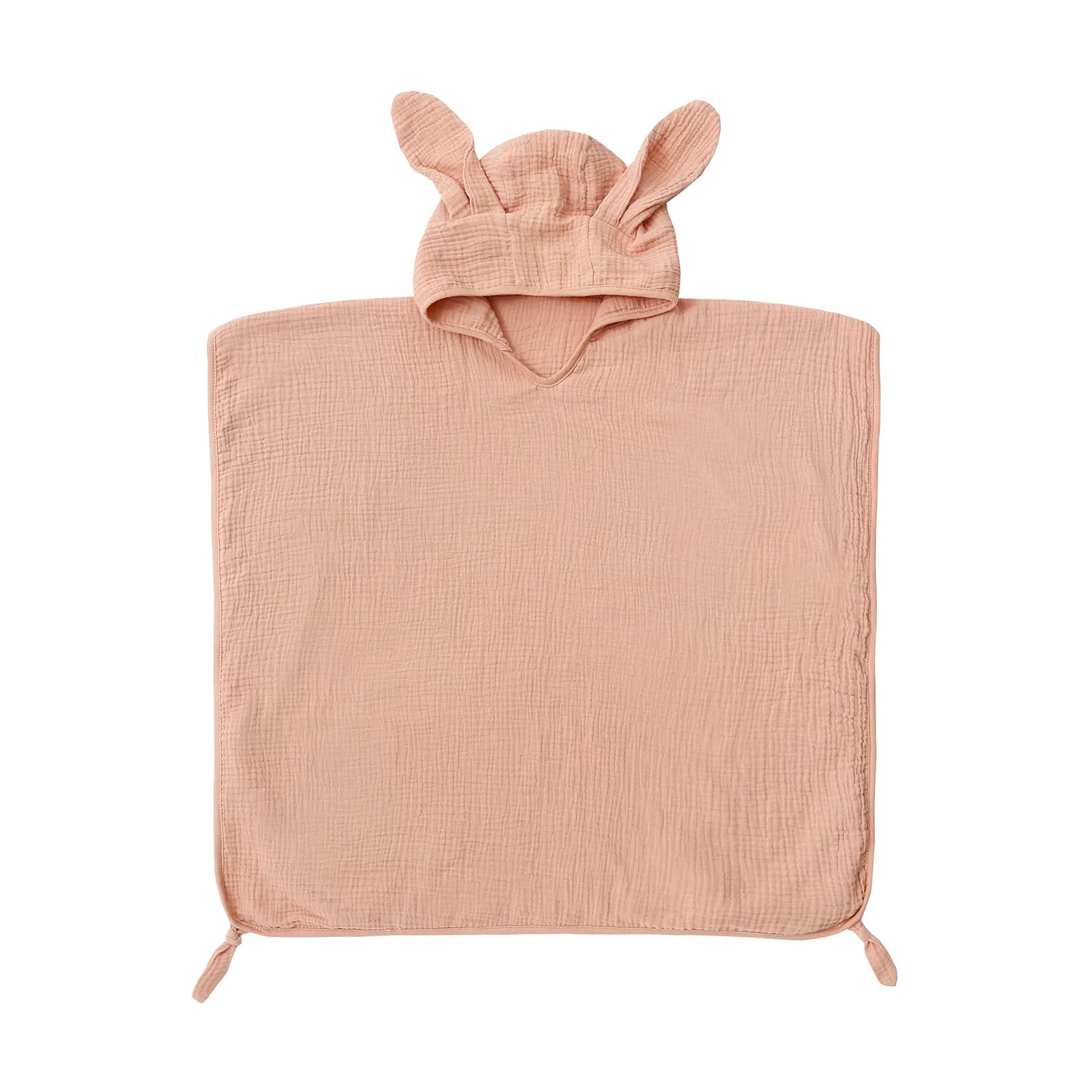
- Optional: a hooded muslin poncho towel for hands-free drying after baby baths or for parents who multitask. See Muslin Baby Hooded Poncho Towel for a soft, practical option.
Why muslin is a great fabric choice
Muslin is lightweight, breathable, and smooth—so it soaks up water without aggressive friction. That means faster moisture removal with less damage, making muslin towels ideal for delicate hair and scalp care.
Step-by-step: safe towel-dry method for all hair types
Follow these steps after shampooing and conditioning to remove excess water quickly while protecting your hair’s cuticle.
- Gently squeeze out excess water in the shower. Use hands to press through lengths — don't wring or twist. This removes the bulk of water so the towel only needs to finish the job.
- Blot with a soft towel or muslin cloth. Press sections of hair against the fabric and hold for a few seconds to absorb water; repeat around the head. Avoid rubbing motions.
- Use a scrunching motion for curls. Cup curls in the towel and lift toward the crown to preserve shape and encourage definition.
- Wrap loosely if you prefer a wrap. Place towel over the crown, gather hair, and secure loosely at the nape. Do not twist tightly—tight twists can stress the root and shaft.
- Air-dry or diffuse—finish with a detangler. Comb gently with a wide-tooth comb or use fingers. Apply a small amount of leave-in product for frizz control, then let hair finish drying naturally or use a diffuser on low heat.
Short checklist to keep by your sink
- Pat, don’t rub.
- Use soft fabric (muslin/cotton).
- Keep wraps loose.
- Work in sections if hair is thick.
- Finish with a lightweight product.
how to towel dry hair - KentDO 💡 See it in action
How to towel dry hair for different hair types
Fine, straight hair
Pat dry and avoid heavy leave-ins that weigh hair down. Use a lightweight foam or spray for volume if needed and let hair air-dry halfway before styling to maintain body.
Wavy hair
Use the scrunch-and-blot method. Apply a curl-friendly leave-in and blot with muslin to encourage wave pattern and cut drying time by absorbing bulk water.
Curly or coily hair
Curls are fragile when wet—avoid rubbing. Use a cotton or muslin T-shirt or towel and cup curls to preserve definition. Add a cream or gel while damp to lock shape and reduce frizz.
Thick hair
Work in sections to remove water efficiently. Blot each section and use a loose wrap to avoid pressure near the scalp which can cause discomfort and tangles.
Color-treated or chemically treated hair
Be extra gentle. Avoid rough friction and hot styling while hair is fragile. Pat-dry with a muslin towel and use protective, sulfate-free products.
Common mistakes and quick corrections
- Mistake: Rubbing hair to speed drying. Fix: Pat and blot instead.
- Mistake: Twisting towel into a tight turban. Fix: Wrap loosely or use a hooded towel for hands-free drying.
- Mistake: Using a coarse towel with high loops. Fix: Switch to muslin, smooth cotton, or a soft microfiber with a low pile.
- Mistake: Over-applying product when hair is dripping wet. Fix: Remove excess water first so products spread evenly and perform better.
Quick comparison: towels, T-shirts, and muslin
| Material | Absorbency | Gentleness | Best for |
|---|---|---|---|
| Standard terry towel | High | Medium (can be abrasive) | Short hair, quick dries, but be gentle |
| Microfiber | Very high | Medium-high (choose low-pile) | Fast drying; good for travel |
| Cotton muslin | Medium | High (very gentle) | Curly/delicate hair, babies, colored hair |
| Cotton T-shirt | Low-medium | High | Curly hair; gentle scrunching |
How a muslin poncho/towel works in this routine
For parents and anyone who needs hands-free drying after a bath, a hooded muslin poncho towel keeps hair covered while you move—perfect for multi-tasking. It soaks up water from the crown without heavy pressure on the scalp. Consider practical items like a muslin poncho for gentle, quick drying that fits into family life. See the product linked here: Muslin Baby Hooded Poncho Towel.
Benefit-first heading: Makes after-bath routines easier and calmer
Use the poncho while you tend to a baby or get ready—hands free, soft on the hair, and gentle enough for sensitive scalps.
Pro tips that pros won't always tell you
- Cold-water finish: A brief cold-water rinse or splash at the end seals the cuticle and can lock in shine before towel-drying.
- Micro-layering: Use a small microfiber or muslin first to take the heavy moisture out, then a light wrap for the remainder—this speeds drying and minimizes friction.
- Don't over-dry: Stop towel-drying once hair is damp, not bone-dry—this leaves some moisture for styling products to work and reduces frizz.
- Use a satin pillow or wrap: If you sleep soon after drying, satin or silk reduces friction and keeps results smoother overnight.
Safe drying when caring for babies and kids
When drying a child's head after a bath, support their neck, use a soft muslin cloth, and avoid forceful rubbing—babies’ hair and scalp are delicate. The hooded muslin poncho can make this easier while keeping baby warm and comfortable.
Helpful resource collections for parents who want gentle care: Baby Bath Accessories and Beauty & Wellness.
Visual how-to: step list you can follow in the shower
- Squeeze excess water with hands (10–20 seconds).
- Pat each section with a muslin towel for 5–10 seconds.
- Apply a pea-sized amount of leave-in or a few drops of oil to mid-lengths and ends.
- Loosely wrap or drape the towel/poncho; avoid tight twisting.
- Comb gently with a wide-tooth comb once damp but no longer dripping.
Real parents and users: before & after
“After switching to a muslin towel and learning to pat instead of rub, my daughter's curls are defined and frizz is down. Bath time is more relaxed.” — Jenna, mom of two.
“I used to wrap my hair tightly and get headaches. A loose wrap with a muslin poncho dries my hair and keeps me hands-free for dishes—game changer.” — Marco, new dad.
✅/❌ Pros & cons of towel-drying methods
- ✅ Patting & blotting: reduces friction and breakage.
- ✅ Muslin or T-shirt: gentle on curls and color-treated hair.
- ✅ Hooded poncho: hands-free, great for multi-tasking parents.
- ❌ Tight twisting: can cause tension and breakage near the root.
- ❌ Rubbing with coarse towel: creates frizz and split ends over time.
Why this works: a quick science note
Wet hair has raised cuticles and is more vulnerable to mechanical damage. Rubbing opens these cuticles further and causes friction between strands. Blotting and gentle compression remove water with minimal cuticle disturbance, preserving strength and shine.
How to choose your towel or poncho
Look for breathable, low-pile fabrics like muslin for gentleness, and consider a hooded option for kids or hands-free needs. Size matters—choose a towel that comfortably wraps hair without compressing it tight.
Shopping guidance & quick checklist
- Fabric: muslin or soft cotton
- Size: enough to cover hair without compressing
- Weight: lightweight for quicker airflow
- Construction: secure seams, soft hood (if hooded)
Use cases & where this fits in your routine
- Parents drying baby heads: hooded muslin is gentle and warm.
- Curly-hair routines: scrunch and blot for definition.
- Color-treated hair: gentle fabrics to avoid lift and fade.
- Quick mornings: reduce blow-dry time by pre-removing water carefully.
Mini-FAQ (schema-ready)
-
How long should I pat my hair with a towel?
Pat each section for 5–10 seconds until noticeably less wet, then switch sections. The goal is to remove bulk water without rubbing.
-
Is microfiber okay for towel drying?
Yes—choose low-pile microfiber. Avoid high-loop terry that can snag and increase friction.
-
Can I use a T-shirt instead of a towel?
Absolutely—cotton T-shirts are a favorite for curly hair because they're smooth and gentle for scrunching.
-
Will this method reduce blow-dry time?
Yes—removing bulk water with gentle blotting cuts blow-dry time and reduces the need for high heat.
-
Is a hooded muslin towel good for adults?
Yes—it’s a convenient, gentle option for anyone who wants hands-free drying or lightweight coverage after a shower.
Final checklist: easy nightly routine for frizz-free mornings
- Shampoo & condition as usual.
- Squeeze excess water with hands.
- Pat each section with muslin or soft towel.
- Apply lightweight leave-in or oil to ends.
- Loosely wrap or pop on a hooded muslin poncho if needed.
- Let hair finish air-drying or diffuse on low if necessary.
how to towel dry hair - KentDO 💡 See it in action
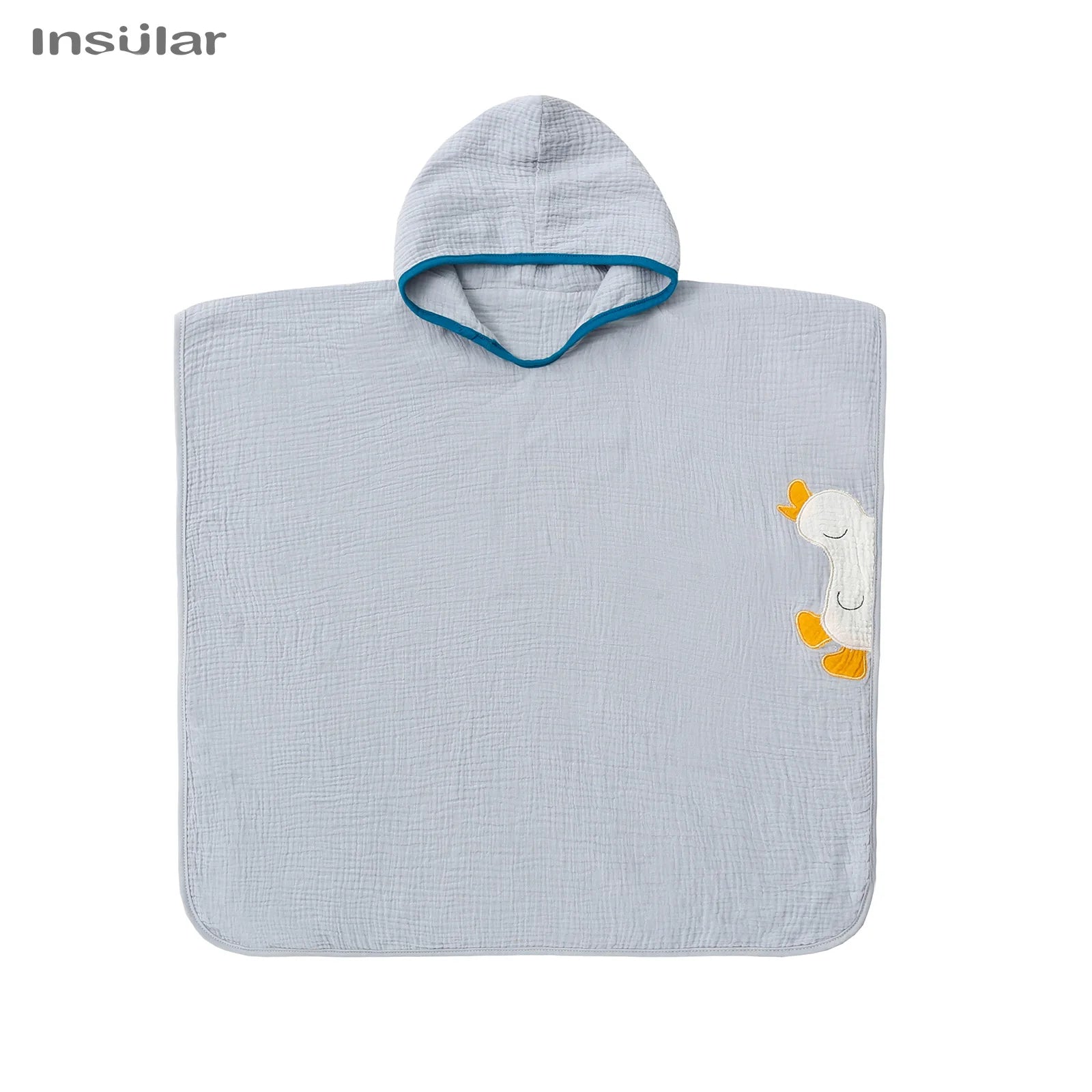
Looking for a soft, practical towel that fits family life? Try the Muslin Baby Hooded Poncho Towel: gentle on hair, great for babies, and perfect for hands-free drying. Muslin Baby Hooded Poncho Towel
Final words — small habit, big difference
Switching from rubbing to gentle patting and choosing the right fabric can transform how your hair looks and feels. For busy parents, a soft hooded muslin poncho doubles as a convenient drying tool for both hair and little ones—saving time and reducing stress. Try the simple steps above for a week and you’ll notice smoother texture, fewer tangles, and faster dry times.
Related collections & resources
Related Articles:
- Best Towel for Toddlers: How to Stop Post-Bath Shivers Fast
- Quick Dry Baby Towel Tips Every Parent Should Use
- How to Keep Baby Warm After Bath Without Overheating
- Infant Towel With Hood: How to Wrap Baby Warm in Seconds
Pillar Articles:





