

Does wash delicate clothes really protect my favorite pieces?
Answer: Yes. Learning how to wash delicate clothes correctly helps prevent shrinking, stretching, fading, pilling, and fiber damage while preserving the shape, texture, and color of your favorite garments. Whether you're washing silk, wool, lace, lingerie, baby clothes, or fine knits, using the right detergent, delicate wash cycle, water temperature, and drying method significantly extends garment life.
⏱ 14 min read
Wash Delicate Clothes: Step-by-Step Guide for Perfect Results
Have you ever pulled a favorite sweater from the washer only to find stretched sleeves, loose fibers, or unexpected shrinkage? Delicate fabrics require a different approach than everyday laundry. This guide explains how to wash delicate clothes safely, when to use the delicate wash cycle, when hand washing is the better choice, and how proper water temperature and drying techniques help preserve clothing for years. You'll also discover practical tips for caring for baby garments, lingerie, silk, wool, lace, and other delicate fabrics without unnecessary wear.
Curious how gentle laundry habits help keep baby clothes softer for longer? Explore more practical care tips and related products below.

wash delicate clothes + delicates and knits washer — See it in action
Why delicates matter (and what goes in this pile)
Delicate fabrics are designed for comfort, appearance, and softness rather than heavy mechanical washing. Materials such as silk, lace, wool, cashmere, rayon, satin, fine cotton knits, and embellished garments can easily lose their shape if exposed to excessive heat, high spin speeds, or rough agitation. Grouping these items into a dedicated delicate laundry load makes choosing the proper cycle, detergent, and drying method much easier.
Common items to include in the delicates pile
- Cashmere, merino wool, and lightweight knit sweaters
- Lingerie, bras, slips, and delicate underwear
- Silk shirts, satin blouses, and scarves
- Lace garments and embroidered clothing
- Baby clothes, soft bibs, and small socks
- Garments with sequins, beads, or decorative stitching
- Clothing labeled "Delicate," "Gentle Cycle," "Hand Wash," or "Dry Clean Recommended"
Whenever possible, always check the garment's care label before washing. Manufacturers test fabrics individually, so their instructions provide the safest cleaning method.
How to wash delicate clothes — step-by-step
Direct answer: To wash delicate clothes safely, separate fabrics by color and material, pretreat stains gently, place delicate items inside mesh laundry bags when machine washing, use a mild detergent, choose cold water with the delicate cycle or hand wash fragile garments, then air dry or lay items flat to maintain their original shape.
- Sort garments carefully. Separate whites, dark colors, bright colors, and delicate fabrics. Keep heavily soiled clothing out of delicate loads to reduce abrasion.
- Read every care label. Look for recommendations on water temperature, washing method, bleaching, and drying before placing garments into the machine.
- Treat stains before washing. Apply a small amount of mild detergent directly to stained areas and gently blot. Avoid vigorous scrubbing on silk, lace, or wool fibers.
-
Choose the safest washing method.
- Machine washing: Place garments inside mesh laundry bags, select the delicate cycle, use cold or cool water, and choose a low spin speed.
- Hand washing: Fill a basin with cool water, dissolve a gentle detergent, soak briefly, gently move garments through the water, rinse thoroughly, and avoid twisting the fabric.
- Use cool water whenever possible. Cold water minimizes shrinkage, color bleeding, and damage to natural fibers.
- Handle spinning and drying with care. Excessive spinning can stretch delicate fibers. Remove garments promptly and reshape while damp.
- Air dry correctly. Lay sweaters flat on a clean towel, hang lightweight woven fabrics on padded hangers, and keep garments away from direct sunlight or high heat.
Handwashing socks — quick method
- Fill a clean sink or basin with cool water and a small amount of mild detergent.
- Soak socks for approximately 5 to 10 minutes before gently rubbing high-wear areas such as heels and toes.
- Rinse thoroughly until the water runs clear without twisting or wringing the fabric.
- Press excess water into a clean towel and allow socks to air dry naturally to help maintain elasticity.
Machine vs. handwashing: when to choose which
Both machine washing and handwashing can safely clean delicate garments when used appropriately. The best choice depends on the fabric, garment construction, embellishments, and care label. Selecting the correct method helps reduce stretching, pilling, fading, and unnecessary wear.
When to handwash
Handwashing is the safest option for items that can easily lose their shape or become damaged during machine agitation.
- Fine lace and delicate embroidery
- Loose-weave knitwear and cashmere
- Silk garments with delicate finishes
- Baby socks or clothing with appliqué and decorative trim
- Garments labeled "Hand Wash Only"
When machine washing is appropriate
A washing machine is suitable for many delicate garments when you use a mesh laundry bag, cold water, and the delicate cycle.
- Sturdy lingerie placed inside mesh bags
- Silk scarves and lightweight synthetic fabrics
- Cotton knit tops that are not heavily soiled
- Small laundry loads requiring a gentle refresh
If you're unsure which method to choose, follow the garment care label. Manufacturers design their washing instructions to minimize fabric damage while maintaining appearance and performance.
Washing delicates temperature: simple rules
Direct answer: The safest washing delicates temperature for most garments is cold or cool water, generally below 30°C (86°F). Lower temperatures reduce shrinkage, preserve dyes, protect elastic fibers, and help delicate fabrics retain their original texture. Reserve warmer water only for durable fabrics when specifically recommended on the care label.
- Cold (below 30°C / 86°F): Best for silk, wool, cashmere, lace, lingerie, baby clothing, and brightly colored garments.
- Cool (30–40°C / 86–104°F): Suitable for lightweight synthetic blends and some washable rayon fabrics when permitted.
- Warm (40–50°C / 104–122°F): Appropriate only for durable cotton items that require additional cleaning power.
- Hot (above 50°C / 122°F): Generally avoid for delicate clothing because it increases the risk of shrinkage, fading, fiber damage, and loss of elasticity.
When washing wool or silk, cold water combined with a gentle detergent provides the safest balance between effective cleaning and fabric protection.
Care, styling, and storage to extend life
Proper storage is just as important as proper washing. Everyday care habits help maintain the fit, softness, and appearance of delicate garments while reducing unnecessary laundering.
- Fold knitwear: Store sweaters folded instead of hanging to prevent stretched shoulders.
- Allow garments to rest: Rotating delicate clothing between wears helps fibers recover their natural shape.
- Store seasonally with care: Keep clean garments in breathable storage containers and use cedar or lavender to discourage moths.
- Remove pills gently: Use a sweater comb or fabric shaver carefully instead of pulling pills by hand.
- Avoid overcrowded closets: Giving garments room to breathe minimizes wrinkles and fabric friction.
Quick pros & cons (at-a-glance)
| Cleaning method | Advantages | Limitations | Best suited for |
|---|---|---|---|
| Handwashing | Maximum fabric protection, complete control, minimal agitation | Requires more time and manual effort | Silk, lace, wool, embellished garments, and hand-wash-only items |
| Delicate cycle | Convenient for regular laundry with reduced agitation and spin speed | Can still cause wear if overloaded or washed without mesh bags | Washable delicates, lingerie, lightweight knits, and scarves |
| Portable mini washing machine | Ideal for quick, gentle loads while using less water and reducing fabric friction | Limited drum capacity for larger garments | Baby clothes, underwear, socks, and a few delicate items at a time |
Need a convenient way to wash small delicate loads? Explore the recommended product below.

delicates and knits washer + handwashing socks — See it in action
For households that frequently wash baby clothes, underwear, lightweight knitwear, or travel laundry, a dedicated compact washer can reduce unnecessary wear from mixing delicate garments with larger loads.
- Mesh laundry bags protect garments from snagging.
- Choose an enzyme-free detergent for silk, wool, and specialty fabrics.
- Portable mini washing machine offers a convenient option for washing small delicate loads separately.
- Always finish with air drying or flat drying whenever possible.
Visual comparison & usage table
| Garment | Recommended washing method | Recommended water temperature | Drying recommendation |
|---|---|---|---|
| Silk blouse | Hand wash or delicate cycle inside a mesh bag | Cold | Hang away from direct sunlight |
| Cashmere sweater | Hand wash | Cold | Lay flat and reshape while damp |
| Baby socks | Mesh bag or gentle hand wash | Cold | Air dry |
| Lingerie | Delicate cycle with mesh laundry bag | Cold | Air dry |
| Lace garments | Hand wash | Cold | Lay flat on a towel |
Mini FAQ (Schema-ready)
- How often should I wash delicate items? Wash delicate clothing only when needed. Sweaters, jackets, and lightly worn garments can often be worn several times before laundering, while lingerie and baby clothing should generally be washed after each use.
- Can I use regular detergent? Standard detergents may contain enzymes or brighteners that are too aggressive for delicate fibers. Choose a mild detergent formulated for delicate fabrics, wool, silk, or baby clothing whenever possible.
- Is cold water enough to clean delicates? Yes. Cold or cool water removes everyday soil while helping preserve color, elasticity, and fabric structure. Pair it with the appropriate detergent for the best results.
- How should I dry knit sweaters? Lay knitwear flat on a clean towel, reshape it while damp, and allow it to air dry naturally. Avoid hanging wet sweaters because the weight of the water can stretch the fibers.
- Can I machine wash bras? Many everyday bras can be machine washed inside a mesh laundry bag using the delicate cycle with cold water. Fasten hooks before washing to prevent snagging.
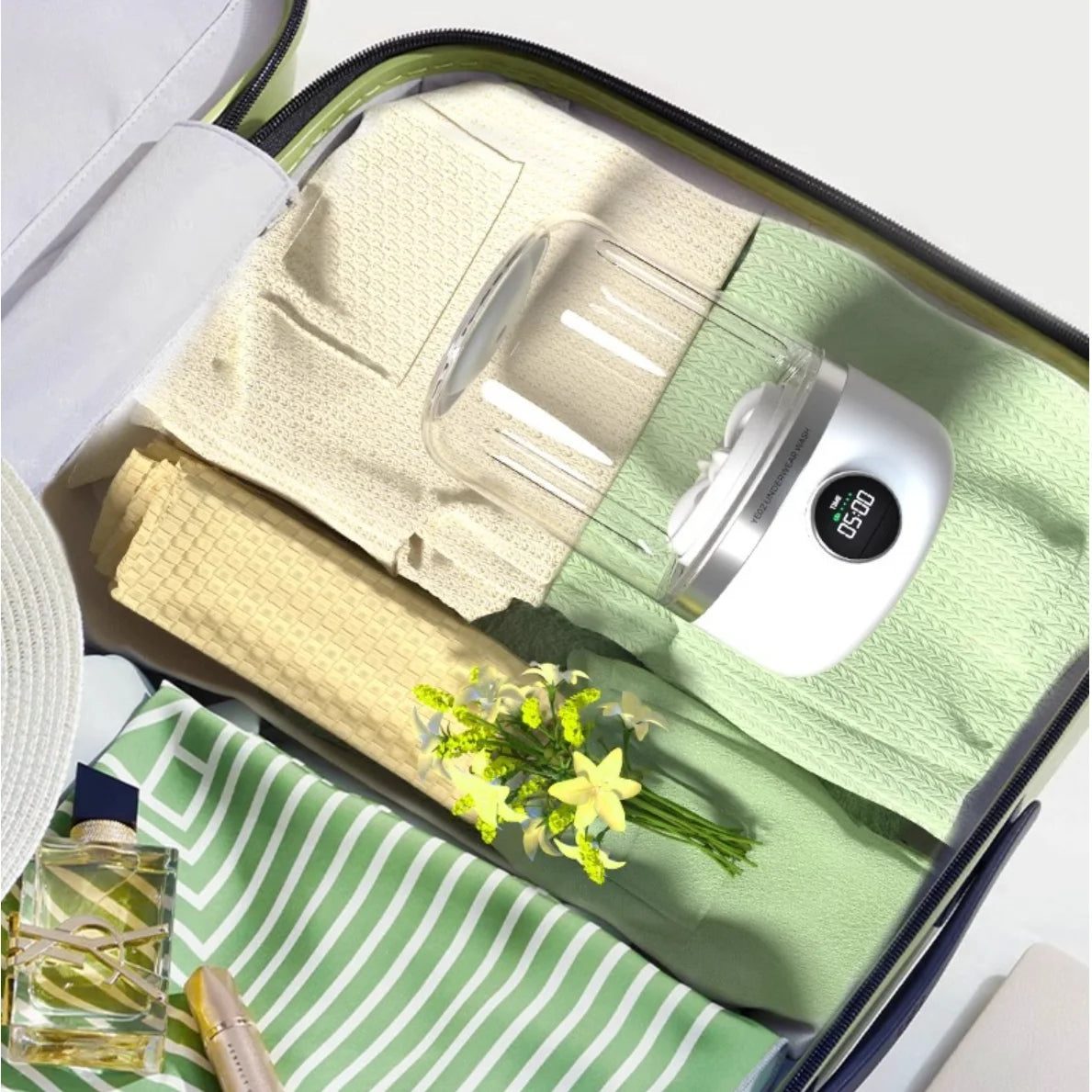
washing delicates temperature + small loads in front load washer — See it in action
Make delicate laundry easier with a compact washer designed for small loads. Visit the product page to check availability.
Troubleshooting common issues
Shirts shrinking slightly
Shrinkage is usually caused by hot water, excessive agitation, or high dryer temperatures. Wash future loads in cold water using the delicate cycle, reshape garments while damp, and allow them to air dry whenever possible.
Snags and pulls
Prevent snags by zipping garments, fastening hooks, turning delicate clothing inside out, and placing items in mesh laundry bags. Repair loose threads promptly instead of pulling them to avoid larger tears.
Persistent odors
Soak garments in cool water with a gentle detergent for 20 to 30 minutes before washing. For lingering odors, add a small amount of baking soda during soaking rather than increasing water temperature, which may damage delicate fibers.
Final words — make gentle care your default
Consistently using cold water, selecting the appropriate wash cycle, avoiding overcrowded loads, and air drying delicate garments are simple habits that significantly extend the life of your clothing. Taking a few extra minutes during laundry day helps preserve softness, shape, and color while reducing unnecessary fabric wear.
If you frequently wash baby clothes, underwear, silk, or other small delicate loads, the Portable mini washing machine offers a practical way to separate delicate garments from heavier laundry while providing a gentler wash experience.
Frequently asked questions
- What is a delicate wash?
- A delicate wash is a washing machine cycle designed with lower agitation, reduced spin speed, and cooler water to protect fragile fabrics such as silk, lace, wool, lingerie, and fine knits from stretching, shrinking, and excessive wear.
- What is the safest temperature to wash delicates?
- Cold or cool water, generally under 30°C (86°F), is safest for most delicate fabrics because it minimizes shrinkage, preserves colors, and reduces fiber damage.
- What clothes should be washed on the delicate cycle?
- Use the delicate cycle for silk blouses, lace garments, bras, lightweight sweaters, cashmere, wool, satin, embroidered clothing, baby garments, and other items with delicate care labels.
- Is the delicate cycle the same as hand wash?
- No. While both are gentle, the hand-wash cycle typically uses even less agitation than the standard delicate cycle. Always follow the care label if a garment specifically requires hand washing.
- Can I wash hand-wash-only clothes on the delicate cycle?
- Some modern machines have exceptionally gentle hand-wash programs, but if the care label states "hand wash only," hand washing remains the safest choice to avoid unnecessary fabric stress.
- Is gentle the same as delicate?
- Many washing machines use the terms interchangeably, although cycle settings can vary by manufacturer. Check your appliance manual for the exact water temperature, agitation, and spin speed.
- Can towels or jeans go on the delicate cycle?
- Heavy fabrics such as towels and denim usually do not require the delicate cycle. Washing them separately on their recommended settings provides better cleaning performance while preventing damage to delicate garments.
- Should I use a mesh laundry bag for delicates?
- Yes. Mesh laundry bags reduce friction, prevent snagging, and keep small garments like bras, underwear, and baby socks together throughout the wash.
- Does the delicate cycle clean clothes as well as the normal cycle?
- Yes, for lightly to moderately soiled delicate garments. Heavily soiled clothing may require stain pretreatment or a standard wash cycle if the fabric allows.
- Can I tumble dry delicate clothes after washing?
- Whenever possible, air dry delicate garments. If machine drying is permitted by the care label, choose the lowest heat setting and remove items promptly to reduce shrinkage and fabric stress.
Related collections you may find useful: Baby Care Essentials, Mom Essentials, Health & Safety, Feeding & Nursing, Baby Growth & Learning, Baby Care Tips & Advice, Mom Essentials Guide, Health & Safety Tips, Feeding & Nursing Tips, Baby Growth & Learning Tips, Baby Nail Care Tools, Baby Bath Accessories, Baby Hygiene Gadgets, Monitoring Devices, Temperature Tools, Sterilization Devices, Bottle Warmers, Breastfeeding Aids, Feeding Tools, Sensory Toys, Mobility & Training, Smart Baby Gadgets, Massage & Relaxation, Sleep & Comfort, Beauty & Wellness
Related Articles:
- Small Portable Laundry Machine: Easy Tricks for Tiny Spaces
- Travel Washer Machine Guide: Clean Clothes Anywhere, Anytime
- Portable Mini Washing Machines: Tips for Easy Small Load Washing
- Portable Laundry Machines: How to Use Them for Daily Laundry
Pillar Articles:





