

Does buying a small portable washing machine really work?
Yes — a small portable washing machine can be a practical alternative to a full-size washer for apartments, dorms, RVs, tiny homes, and other spaces where conventional laundry equipment is impractical. These compact machines are best suited to smaller loads such as underwear, baby clothes, towels, activewear, and delicates. The main trade-offs are lower capacity, less powerful drying, and, on some models, more hands-on setup.
⏱ 8 min read
Buy Small Portable Washer: Best Small Portable Washing Machines Compared
If you're searching for a small portable washing machine because your apartment lacks laundry hookups, your RV has limited space, or you simply need a convenient way to wash small loads, choosing the right design matters more than choosing the smallest machine. This guide compares portable washer types, realistic capacities, setup requirements, cleaning performance, operating considerations, and the situations where a compact washer is genuinely worth buying.
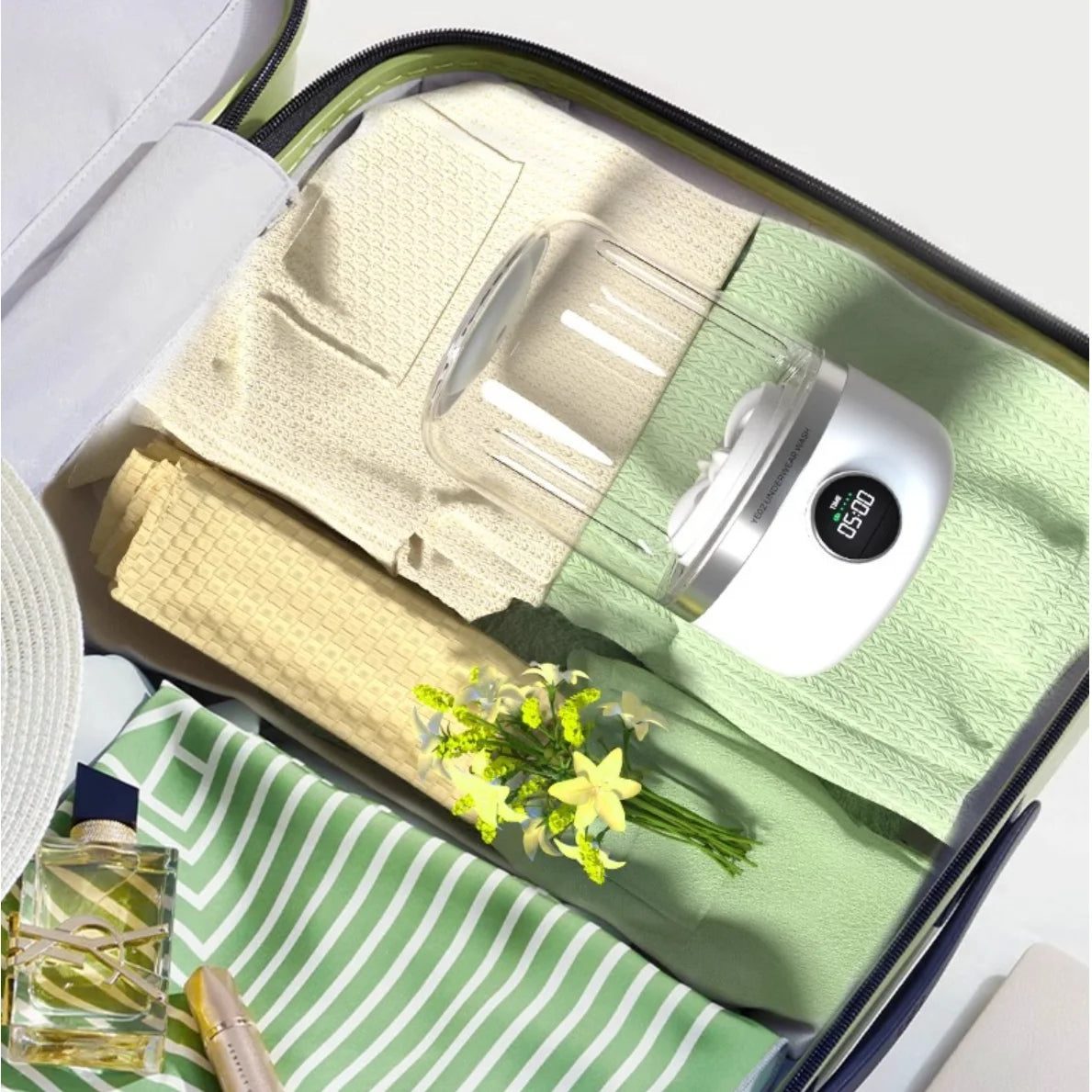
buy small portable washer, small portable washer for apartment — See it in action.
Best Small Portable Washing Machines: Top Picks Compared
The best portable washing machine depends on where you live, how often you wash, and whether you prioritize portability or convenience. A tiny manual washer may be ideal for occasional travel, while an apartment user may prefer a larger twin-tub or fully automatic design.
Quick Comparison Table: Capacity, Size, Weight, Features, and Best Use
| Portable Washer Type | Typical Capacity | Size & Portability | Spin Performance | Hookup | Best Use |
|---|---|---|---|---|---|
| Mini manual/foldable washer | Very small loads | Smallest and easiest to store | Limited or none | Manual fill/drain on many models | Travel, dorms, occasional washing |
| Twin-tub portable washer | Small to medium loads | Compact but requires more storage space | Dedicated spin tub | Usually faucet or manual fill | Apartments, RVs, frequent small loads |
| Fully automatic compact washer | Small to medium loads | Larger and heavier | Integrated spin cycle | Water inlet and drain | Apartment living and regular laundry |
| Portable washer with spin dryer | Small to medium loads | Moderately portable | Better than wash-only models | Model dependent | Users who want faster drying |
For a practical apartment setup, look for enough capacity to handle your most common loads without making the machine difficult to move or store. For travel, weight and drainage usually matter more than maximum capacity.
Best Picks by Use Case
Best Overall Small Portable Washer
A compact washer with a useful wash capacity, dedicated spin function, simple drainage, and sturdy construction is the strongest all-around choice. It offers a better balance of convenience and portability than ultra-small manual machines while avoiding the size and installation demands of a standard washer.
- Best for: Renters and households washing several small loads each week.
- Strengths: Better capacity, useful spin performance, and versatile everyday operation.
- Trade-offs: Heavier and less convenient to store than a foldable model.
Best for Tiny Apartments
For a best portable washing machine for small apartments setup, prioritize a compact footprint, manageable weight, faucet compatibility, and an effective drain pump or hose. A machine that fits beside a bathroom or kitchen sink is usually more useful than one with a slightly larger capacity that has nowhere convenient to live.
- Best for: Studio apartments, renters, and homes without dedicated laundry rooms.
- Strengths: Space-efficient and convenient for frequent small loads.
- Trade-offs: You may need to move or store it after each use.
Best for RVs and Travel
A lightweight portable laundry machine for travel should be easy to carry, simple to fill and drain, and compact enough for storage. Smaller manual and foldable designs can make sense when laundry needs are occasional and access to a conventional washer is limited.
- Best for: RV owners, campers, extended travel, and temporary accommodation.
- Strengths: Low storage requirements and flexible placement.
- Trade-offs: Smaller loads and potentially more manual work.
Best Budget Portable Washing Machine
Budget buyers should focus on useful functions rather than the highest advertised feature count. A basic washer with a reliable wash cycle, adequate drainage, and durable controls can be more valuable than an inexpensive model with complicated settings that are rarely used.
- Best for: Students, occasional users, and first-time portable washer buyers.
- Strengths: Lower initial cost and straightforward operation.
- Trade-offs: Smaller capacity, fewer automation features, or weaker spin performance.
Best Fully Automatic Model
A fully automatic compact washer is the better choice when convenience matters more than maximum portability. These models typically automate filling, washing, rinsing, and spinning, making them closer to the experience of using a conventional machine.
- Best for: Apartment dwellers who wash frequently.
- Strengths: Less manual intervention and more consistent cycles.
- Trade-offs: Higher weight, larger footprint, and greater setup requirements.
What Is a Small Portable Washing Machine and How Does It Work?
A small portable washing machine is a compact laundry appliance designed to wash smaller loads without requiring the permanent installation of a conventional washer. Depending on the model, water may enter through a faucet connection, a removable hose, or manual filling, while wastewater exits through a drain hose or pump.
How Portable Washers Clean and Spin Clothes
Most portable washers use agitation or drum movement to loosen dirt from fabric. After washing, the machine rinses the clothes and may use a separate or integrated spin cycle to remove excess water. Twin-tub designs generally use one compartment for washing and another for spinning, while fully automatic models handle the sequence internally.
Cleaning results depend on load size, detergent amount, water temperature, cycle selection, and how heavily soiled the clothing is. A compact machine can clean everyday garments effectively, but it should not be judged against a full-size washer for oversized or heavily soiled loads.
Water, Drainage, and Power Requirements
- Water: Some machines connect to a faucet, while others require manual filling.
- Drainage: Wastewater usually exits through a hose into a sink, tub, floor drain, or suitable drainage point.
- Power: Most electric models require a standard electrical outlet, but buyers should verify the manufacturer's electrical requirements.
- Storage: Leave enough room around the machine for hoses, ventilation, loading, and safe drainage.
Portable Washer Types: Which Design Fits Your Space?
Mini and Foldable Portable Washers
A foldable portable washing machine is designed primarily around portability and storage. These washers can be useful for underwear, socks, baby garments, and other small items when a conventional machine is unavailable.
Choose this type if: storage space is extremely limited or you need a washer for occasional travel.
Main compromise: Capacity and spin performance are usually limited compared with larger portable machines.
Twin-Tub Washers With Spin Dryers
Twin-tub models separate washing and spinning into two compartments. This arrangement can provide useful washing capacity and stronger water extraction while remaining smaller than a conventional washer.
Choose this type if: you regularly wash small-to-medium loads and do not mind transferring clothing between tubs.
Main compromise: Operation requires more hands-on involvement.
Fully Automatic Compact Washers
A fully automatic compact washer is closer to a conventional washing machine because it can automate multiple stages of the cycle. It is generally the most convenient choice for regular apartment laundry.
Choose this type if: you want less manual work and have enough space for a heavier appliance.
Main compromise: Greater weight, storage requirements, and installation complexity reduce portability.
Key Buying Factors Before Choosing a Small Portable Washer
Capacity and Realistic Load Size
Capacity should be matched to the laundry you actually wash, not simply the largest number on the product listing. A small-capacity machine works well for underwear, socks, baby clothes, lightweight tops, and delicates. Larger portable models can handle more towels, shirts, and everyday garments, but they still should not be treated like full-size laundry appliances.
Overloading a compact washer can restrict clothing movement, reduce cleaning performance, increase tangling, and make drainage or spinning less effective.
Dimensions, Weight, and Storage
Measure the location where the washer will operate and the location where it will be stored. Check the machine's height as well as its width and depth, especially if it will sit under a counter or beside a bathroom sink.
A space saving washing machine is only convenient if you can safely move it, connect the hoses, open the lid or door, and drain it without creating a cramped or unstable setup.
Wash Cycles, Spin Speed, and Noise
Look for cycles that match your wardrobe. A basic washer may only need normal and gentle settings, while frequent users may benefit from separate rinse, drain, and spin controls.
- Wash cycles: More settings can improve flexibility, but useful cycles matter more than a long feature list.
- Spin performance: Better water extraction reduces hanging or air-drying time.
- Noise: Compact machines can still vibrate, especially during high-speed spinning. Stable placement matters.
Water Usage and Operating Costs
Do not assume every portable washer automatically uses a specific percentage less water or electricity than a full-size machine. Actual consumption varies by capacity, cycle, fill method, load size, and machine design.
For a meaningful comparison, check the manufacturer's water and energy specifications when available and compare them with your typical load frequency. A compact washer can reduce wasted capacity when you wash only a few items, but frequent small cycles can also add up.
How We Evaluated Small Portable Washing Machines
Testing Criteria and Real-World Conditions
For a useful small portable washing machine review , specifications alone are not enough. We evaluate compact washers against the practical problems that matter in apartments, dorms, RVs, and other small spaces.
| Evaluation Area | What Matters |
|---|---|
| Cleaning performance | How effectively the machine handles normal clothing, lightweight fabrics, and everyday soil at an appropriate load size. |
| Setup | Ease of connecting the water supply, positioning the drain hose, and preparing the machine for a cycle. |
| Portability | Weight, handles, footprint, and how practical the machine is to move or store. |
| Spin performance | How effectively excess water is removed before clothes are hung or air-dried. |
| Noise and stability | Vibration and operating noise during washing and spinning, particularly in small apartments. |
| Storage | Whether the washer can be stored without blocking walkways or creating hose-management problems. |
| Controls | Whether settings are clear, useful, and easy to operate without unnecessary complexity. |
We also consider the trade-offs between the smallest machines and more capable compact washers. A machine that is excellent for travel may not be the best option for someone washing several loads each week in an apartment.
How to Set Up and Use a Portable Washing Machine
Step-by-Step Washing Process
- Choose a stable location. Place the machine on a level, water-resistant surface close to the required water and drainage points.
- Connect or add water. Attach the appropriate faucet connection or manually fill the machine if the model requires it. Follow the manufacturer's water-level instructions.
- Sort the load. Separate colors and fabrics as you would with a conventional washer. Avoid mixing items that require substantially different care.
- Load without overfilling. Leave enough room for garments to move freely during the wash cycle.
- Add detergent. Use the detergent type and amount recommended for the machine. Excess detergent can leave residue and make rinsing harder.
- Select the appropriate cycle. Use a normal cycle for everyday clothing or a gentle setting for suitable delicate fabrics.
- Drain and rinse. Make sure the drain hose remains secure and wastewater can flow freely.
- Spin the clothes. Use the spin function if available, then remove the load promptly.
- Air-dry appropriately. Hang or lay garments according to their care instructions.
Sink Hookup, Drainage, and Storage Tips
Before buying, confirm that the included adapter or hose is compatible with your faucet. A portable washer can be inconvenient if the water connection does not fit your sink or requires an additional adapter.
- Secure the drain hose before starting a cycle.
- Keep the machine level to reduce movement during spinning.
- Do not allow hoses to kink or become trapped beneath the machine.
- After use, drain remaining water and allow the interior to dry.
- Store the washer only after it is sufficiently dry to reduce odor and mildew risk.
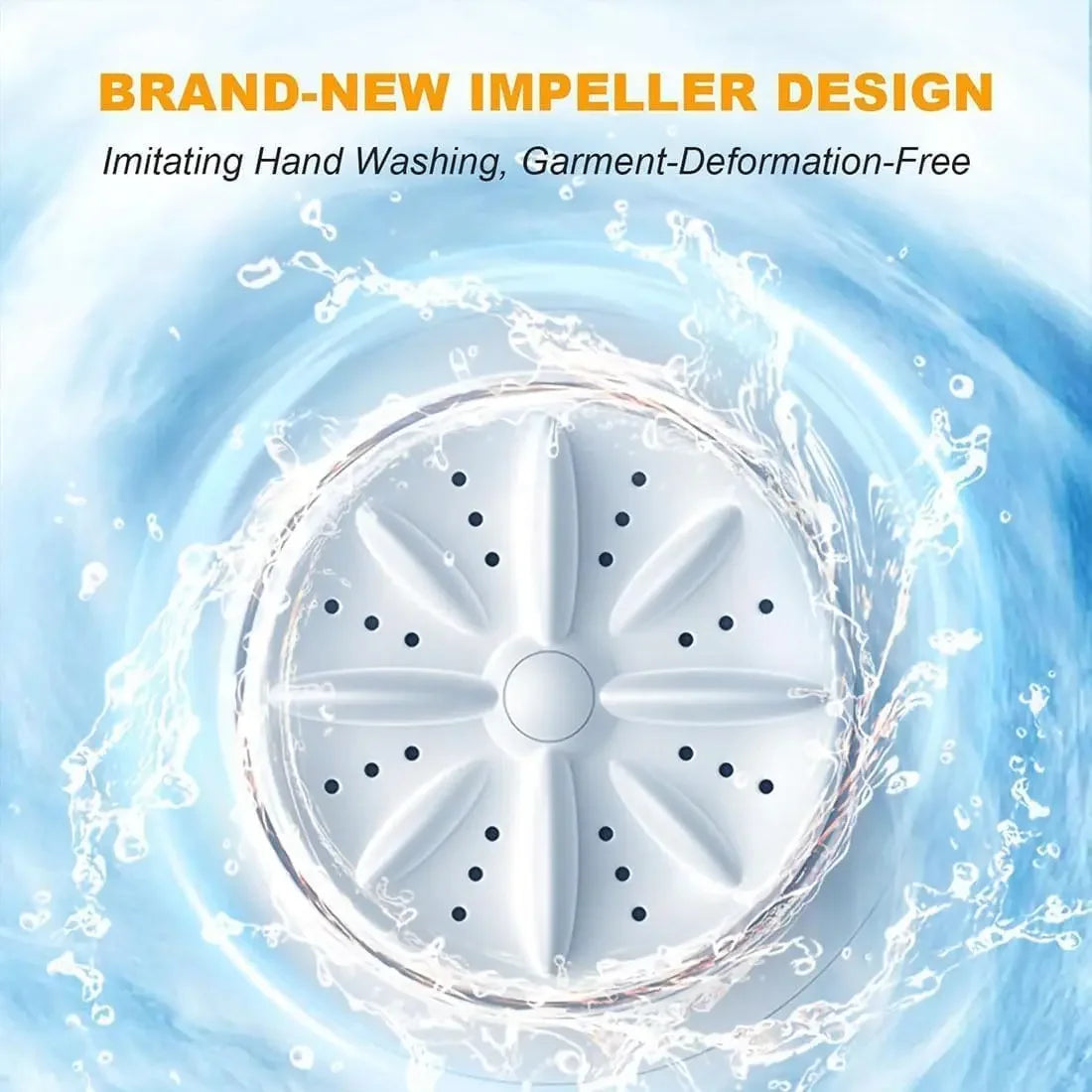
small portable washer for apartment, portable mini washing machine amazon — See it in action.
Small Portable Washer vs Standard Washing Machine
A portable washer is not automatically better than a standard washing machine. It is better suited to a different problem: washing useful quantities of laundry when permanent installation, space, or budget is limited.
| Feature | Small Portable Washer | Standard Washing Machine |
|---|---|---|
| Typical capacity | Small to medium loads depending on design | Much larger household loads |
| Installation | Often temporary or semi-permanent | Usually requires dedicated water, drain, and power connections |
| Portability | Designed to be moved or stored | Generally stays in one location |
| Space requirement | Suitable for apartments and other small spaces | Requires a dedicated laundry area |
| Convenience | May require manual filling, draining, or load transfer | Usually more automated |
| Large-item washing | Limited | Much better suited to bedding and bulky loads |
| Best fit | Renters, apartments, RVs, dorms, tiny homes | Households with permanent laundry space |
Who Should Choose a Portable Washer?
- Apartment dwellers without in-unit laundry.
- Renters who cannot permanently modify plumbing.
- Students living in dorms or small accommodations where permitted.
- RV owners and travelers who need an independent laundry option.
- Tiny-home residents with limited floor space.
- People who frequently wash small loads and want to avoid using a full-size machine or laundromat for them.
Pros and Cons: What to Expect Before Buying
| Pros | Cons |
|---|---|
| Compact footprint | Limited capacity compared with standard washers |
| Useful for apartments and other small spaces | Some models require manual filling or draining |
| Can handle frequent small loads | Spin drying is not equivalent to tumble drying |
| Portable and easier to store | May need to be moved after use |
| Can reduce unnecessary trips to shared laundry facilities | Not ideal for bulky bedding or very large household loads |
| Multiple compact designs are available | Faucet compatibility and drainage need to be checked before purchase |
When a Portable Washer Is Not the Right Choice
- You regularly wash large loads: A full-size machine is more efficient for households that need to process substantial amounts of laundry at once.
- You frequently wash bulky bedding: Comforters, king-size sheets, and other oversized items can exceed the practical capacity of a compact machine.
- You want completely hands-off laundry: Some portable models require filling, draining, transferring, or repositioning clothes manually.
- You have no suitable drainage location: Wastewater must have a safe and practical route out of the machine.
- You expect fully dry clothing: A spin cycle removes water but generally does not replace a heated tumble dryer.
Maintenance Tips to Extend Washer Life
Cleaning, Storage, and Preventing Odors
Regular maintenance is especially important for a compact washer because residual water, detergent, lint, and damp clothing can remain in a small internal space.
- Empty the machine promptly: Do not leave wet clothing inside after a completed cycle.
- Dry the interior: Leave the lid or door open when appropriate so moisture can evaporate.
- Clean the tub: Follow the manufacturer's recommended cleaning interval and procedure.
- Check filters and lint areas: Remove accumulated lint and debris as directed by the manufacturer.
- Inspect hoses: Check connections for leaks, cracks, or loose fittings.
- Use appropriate detergent: Excess detergent can contribute to residue and odors.
- Store correctly: If you use a foldable portable washing machine occasionally, make sure it is completely dry before folding or storing it.
Frequently Asked Questions About Small Portable Washing Machines
-
How does a small portable washing machine work?
A small portable washing machine agitates or rotates clothing in water and detergent, then rinses and may spin the load to remove excess water. Depending on the model, water may be added manually or through a faucet connection, and wastewater is discharged through a drain hose or pump.
-
Are portable washing machines worth buying for apartments?
They can be worth buying for apartments without convenient laundry access, especially when you frequently wash small loads. The strongest value comes from avoiding shared laundry trips while using a machine that fits your available space. Check local building rules and the machine's hookup requirements before purchasing.
-
Can a portable washer clean large loads?
Most portable washers are designed for smaller loads than standard household machines. Larger portable models can handle more clothing, but bulky bedding and very large laundry loads are generally better suited to a full-size washer.
-
Do portable washing machines need a water hookup?
Not always. Some models connect to a faucet, while others allow manual filling. A model that uses a faucet connection may be more convenient for regular apartment use, while manual-fill designs can be useful where plumbing access is limited.
-
Can a small portable washer fully dry clothes?
Usually no. A washer with a spin dryer can remove a significant amount of excess water, which can shorten air-drying time, but spinning is different from heated tumble drying. Check the model specifications if drying performance is a priority.
-
How much water and electricity does a portable washer use?
Consumption varies substantially by machine design, load size, cycle, and whether water is manually filled. Instead of relying on a generic percentage, compare the manufacturer's published specifications with your expected number of loads per week.
-
What is the difference between a mini washer and a twin-tub washer?
A mini washer generally prioritizes a very small footprint and simple operation, while a twin-tub washer separates washing and spinning into two compartments. Twin-tub machines usually offer more capacity and better water extraction but require more hands-on operation and storage space.
-
Is a mini washer dryer combo the same as a portable washer?
Not necessarily. Some compact machines combine washing and spinning, while others only wash. A true washer-dryer combination may include a separate drying function, but buyers should verify whether the machine actually dries with heat or simply spins water from the clothes.
-
What should I look for in a portable washing machine for small spaces?
Prioritize dimensions, weight, realistic capacity, faucet compatibility, drainage, spin performance, noise, and storage requirements. The best machine is one that fits your physical space and typical laundry routine rather than simply having the smallest advertised footprint.
Final Recommendation: Is a Small Portable Washing Machine Worth It?
A small portable washing machine is worth considering when your main problem is limited space, temporary housing, inconvenient shared laundry, or the need to wash frequent small loads. For apartments, dorms, RVs, and tiny homes, the right compact washer can provide a practical middle ground between hand washing and installing a full-size appliance.
For the best balance of convenience, choose a model with enough capacity for your normal loads, dependable drainage, useful spin performance, and a hookup arrangement that fits your home. Choose a smaller manual or foldable design when portability and storage are the priority. If you routinely wash large loads or bulky bedding, a standard washing machine remains the better solution.
Ready to compare a compact option for small-load laundry? buy small portable washer .
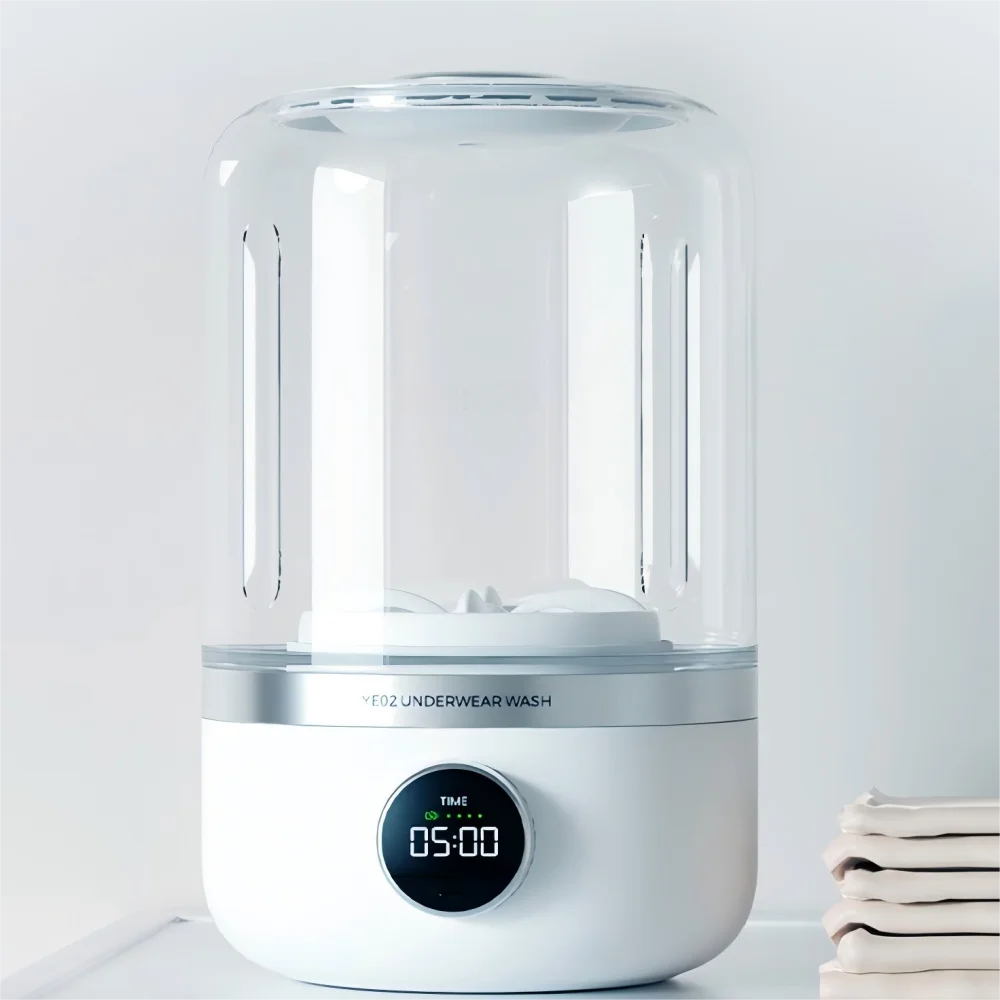
washer for small spaces, front load mini washing machine — See it in action.
Related Items That Complement a Portable Washer
- Baby Hygiene Gadgets — soft detergents, mesh laundry bags, and drying racks.
- Sleep & Comfort — quick-dry swaddles and sheets sized for small loads.
- Feeding Tools — easy-clean bibs that reduce laundry stains.
Pillar Article: Wash Delicate Clothes: Step-by-Step Guide for Perfect Results
Other Related Articles:
- Travel Washer Machine Guide: Clean Clothes Anywhere, Anytime
- Portable Mini Washing Machines: Tips for Easy Small Load Washing
- Portable Laundry Machines: How to Use Them for Daily Laundry
Explore More:
- Washing Delicates in Washing Machine: Best Small Washers to Try
- Mini Washer Portable Buying Guide: Top Picks for Efficient Laundry
Still deciding? Compare capacity, dimensions, hookup style, drainage, spin performance, and storage requirements against your actual laundry routine. For compact baby-friendly options and accessories, explore Baby Care Essentials and Mom Essentials .





