

Does using portable laundry machines really save time and space?
Yes — portable laundry machines can save time and space when they are used for appropriately sized loads. A compact washer is designed to handle everyday laundry without the footprint of a full-size machine, making it useful in apartments, dorms, RVs, laundry rooms, and other homes with limited space. The key is to match the load size, detergent, water level, cycle, and drainage setup to the machine.
How to Use a Portable Washing Machine: Complete Beginner Guide
⏱ 8 min read — Learning how to use a portable washing machine is straightforward once you understand the setup, load limits, wash cycle, rinsing, spinning, and drainage. Whether you have a small portable washer for an apartment, a washer for small spaces in a dorm or RV, or a compact machine for occasional laundry, the right workflow helps clothes come out cleaner while reducing water waste, detergent buildup, imbalance, and unnecessary wear.

portable laundry machines, portable washer mini — See it in action.
How to use a portable washing machine: complete beginner guide
A portable washing machine works much like a conventional washer on a smaller scale, but the exact controls and connections vary by model. Before the first load, identify the machine's capacity, water inlet, drain hose, wash and spin controls, and manufacturer's recommended detergent. For a successful first cycle, keep the load loose, use the correct water level, avoid excessive detergent, and make sure the drain hose is secure.
How does a portable washer work?
A portable washer uses mechanical agitation or drum movement to loosen dirt from fabric while water and detergent carry away soil. Depending on the design, the machine may use a single wash tub with a separate spin function or a twin-tub configuration with separate wash and spin compartments.
Electric portable washers generally connect to a household electrical outlet and may connect to a faucet through an inlet hose. Some models require you to fill the tub manually and position a drain hose over an appropriate drain. Twin-tub models typically require you to transfer clothes from the wash compartment to the spin compartment manually.
Because these machines have smaller capacities than full-size washers, they are best suited to small loads such as everyday clothing, towels, delicates, baby clothes, and travel laundry. They are especially practical when a full-size washer is unavailable or inconvenient, including in apartments, dorms, RVs, guest spaces, and other small homes.
Portable washing machine setup checklist
- Check capacity: Confirm the machine's maximum load before adding clothing.
- Choose a stable location: Place the washer on a level, sturdy surface near the required water and drainage points.
- Confirm the power requirements: Use the electrical connection specified by the manufacturer and keep cords away from standing water.
- Prepare the water connection: If the machine uses a faucet connection, install the supplied adapter and inlet hose according to the instructions.
- Secure the drain hose: Position it where wastewater can drain safely without backing up or overflowing.
- Inspect before use: Check hoses, connections, seals, and the tub for visible damage or loose fittings.
- Run a test cycle: A short empty cycle can help identify leaks, drainage problems, or unusual vibration before washing clothes.
Portable washing machine setup: step-by-step installation
A proper portable washer setup guide starts with placement and ends with a leak-free test. Always prioritize the instructions supplied with your specific machine because connection methods, water temperatures, drain requirements, and electrical specifications can differ between models.
Unboxing and preparing your washer
- Remove packaging materials and inspect the washer for shipping damage.
- Remove any transport materials identified in the manufacturer's instructions.
- Place the machine on a level surface with enough clearance to open the lid or door and access the hoses.
- Keep the washer close enough to its water and drainage points that hoses are not stretched, sharply bent, or pinched.
- Locate the control panel, water inlet, drain outlet, lint filter if supplied, and detergent compartment if present.
Connecting water supply and drainage
For faucet-connected models, attach the appropriate faucet adapter and inlet hose firmly without forcing the fitting. Turn the water on gradually and inspect every connection for leaks before starting the wash.
Place the drain hose securely in the designated sink, tub, standpipe, or other approved drainage location. The hose should remain stable during pumping so that wastewater does not spill onto the floor. Never rely on an unsecured hose that can move when the machine begins draining.
If your model uses a built-in or manual-fill water system, follow its specified fill level rather than guessing the amount. Overfilling can cause splashing, poor washing action, or overflow.
Manual vs electric portable washer setup
Electric portable washers use an electrical motor to operate the wash and, depending on the model, spin and drainage functions. They commonly require a stable electrical connection and may use a faucet hose or manual water filling.
Manual-fill or simpler portable washers may require you to add water yourself and manually control drainage. These models can be useful where faucet access is limited, but they require more hands-on attention during each cycle.
Twin-tub washers separate washing and spinning. After the wash cycle, you move the clothing to the spin compartment and operate the spin cycle separately. This can provide useful flexibility but requires more user involvement than a single-tub automatic design.
How to wash clothes in a portable washing machine
Once the machine is installed, the actual washing process is simple: sort the load, select an appropriate water level and cycle, add the correct amount of detergent, wash without overloading, rinse thoroughly, and spin before drying. These steps form the basic portable washing machine for daily laundry routine.
Sort clothes and choose the right load size
Start by checking garment care labels and separating clothing by color, fabric type, and washing requirements. A small washer works best when clothing can move freely through the water rather than being tightly packed.
- Light everyday clothing: Combine compatible shirts, underwear, sleepwear, and lightweight garments.
- Dark colors: Wash separately when color transfer is a concern.
- Delicates: Use a mesh laundry bag and the gentlest suitable cycle.
- Towels: Keep bulky towels separate from lightweight garments when the machine's capacity is limited.
- Baby and small garments: Keep the load comfortably below the maximum capacity so the clothing can circulate properly.
Avoid filling the tub to the point where clothing is compressed. As a practical starting point, leave enough room for garments to move freely, then adjust according to the machine's stated capacity and instructions.
Add detergent and select the correct cycle
Use the detergent amount recommended for the washer and load size rather than automatically using the amount you would pour into a full-size machine. Too much detergent can leave residue, create excessive suds, and make rinsing harder.
For concentrated detergent, follow the product label and the washer manufacturer's guidance. If the machine specifies low-sudsing or HE detergent, use the recommended type rather than substituting a high-sudsing formula.
- Normal fabrics: Choose the standard wash cycle recommended by the machine.
- Lightly worn clothes: A quick cycle may be sufficient when garments are not heavily soiled.
- Delicates: Select a gentle cycle and use the lowest suitable agitation.
- Heavily soiled items: Pre-treat stains and use a longer cycle when the fabric's care label permits.
Washing steps from start to finish
- Check pockets, close zippers, and follow garment care labels.
- Load clothing loosely without exceeding the washer's rated capacity.
- Add the recommended amount of detergent.
- Add water to the appropriate level or connect the water supply as directed.
- Select the appropriate wash cycle and temperature if the machine provides those controls.
- Start the washer and check for leaks or unusual movement during the first few minutes.
- Allow the wash cycle to finish before moving to rinsing.
How to rinse, spin, and drain a portable washing machine
Washing is only part of the process. Proper rinsing removes detergent residue, while spinning extracts excess water so clothes dry faster. Portable washing machines vary considerably in how these functions work, so use the controls and cycle sequence specified for your model.
Rinsing clothes correctly
After the wash water has drained, refill with clean water or select the machine's rinse program. Let the clothing move through the clean water for the recommended rinse period, then drain completely.
If clothing still feels slippery or strongly scented after rinsing, reduce the detergent amount on future loads and consider an additional rinse. Excess detergent is a common reason small loads remain soapy.
Using the spin cycle effectively
For models with a dedicated spin tub, transfer clothes evenly and avoid placing all heavy items on one side. An uneven load can cause vibration, reduce extraction, or prevent the machine from spinning correctly.
Spin performance depends on the machine's design and capacity. A portable washer can remove a substantial amount of water, but clothes may still require air-drying, a drying rack, or a conventional dryer depending on the fabric and spin capability.
How to drain portable washing machine
To how to drain a portable washing machine safely, first follow the model's specified drain sequence. For a machine with a drain pump, select the drain function if provided. For a gravity-drain design, position the drain hose so wastewater can flow freely into the designated drain.
- Confirm the drain hose is securely positioned.
- Make sure the receiving drain can handle the expected water volume.
- Start the drain function or place the hose in the required position according to the instructions.
- Watch the first drainage cycle for leaks, kinks, or overflow.
- Do not disconnect hoses or move the machine while water is actively draining.
- After drainage finishes, return the hose to its storage position and leave the washer open to dry.
Best practices for daily laundry with a portable washer
The easiest way to get consistent results from a washer for small spaces is to treat each load as a small, controlled batch. Smaller loads allow the washer to clean efficiently without forcing the motor, tub, or drain system to handle more fabric than intended.
Saving water and energy
- Wash full small loads: Avoid running the machine for only one or two garments unless they are urgently needed.
- Use the correct water level: More water is not automatically better cleaning and can reduce efficiency.
- Choose shorter cycles when appropriate: Lightly worn clothing usually does not need the longest available program.
- Use cold water when suitable: Cold washing can reduce energy use when the garment and detergent permit it.
- Maximize spin performance: Removing more water during spinning can shorten subsequent air-drying time.
- Plan consecutive loads: Washing several compatible small loads in one session can be more efficient than repeatedly setting up the machine.
Washing delicate fabrics safely
Portable machines can be useful for delicate garments, but the wash action can still stress fragile fabrics. Check the care label first, use a gentle cycle when available, and place particularly delicate items in mesh bags.
Avoid mixing fragile fabrics with rough items such as heavily textured towels or garments with abrasive hardware. Do not use a hotter temperature, stronger cycle, or longer wash time than the garment label allows.
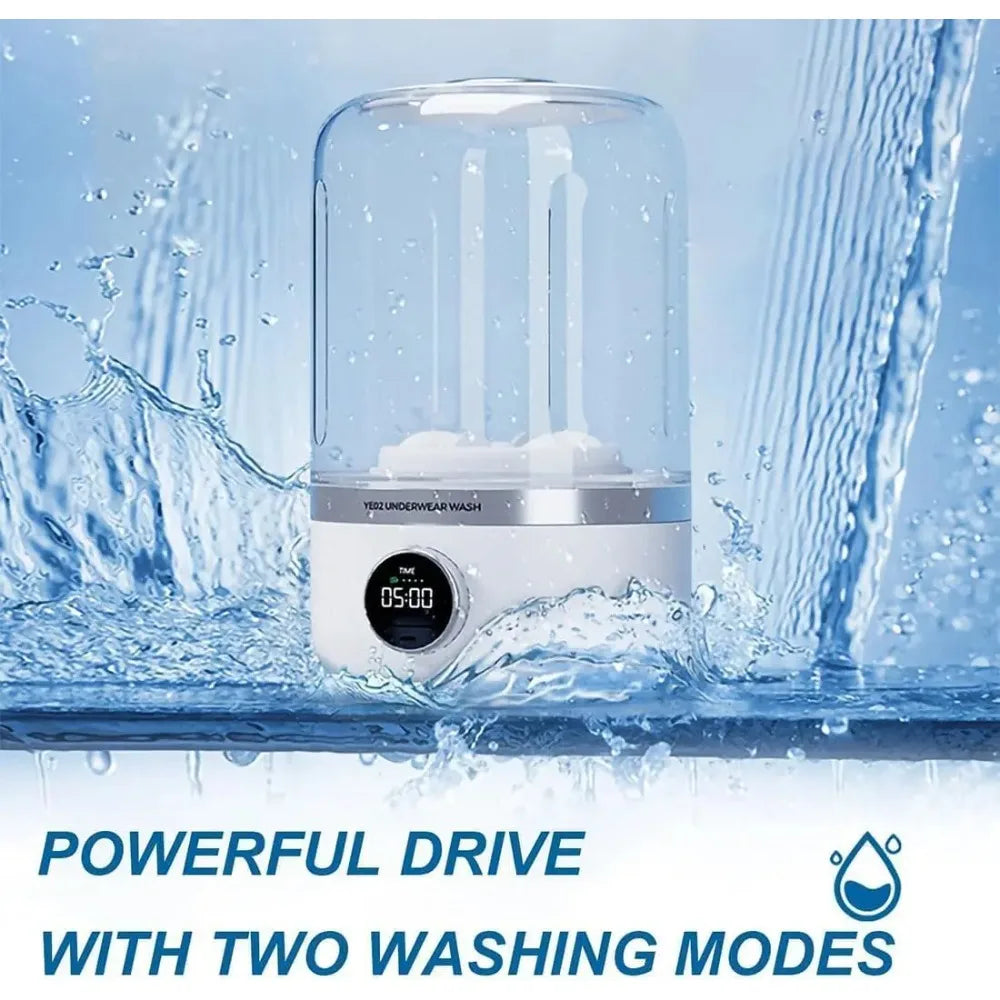
washer for small spaces, small load laundry — See it in action.
Portable washing machine cleaning and maintenance
Regular cleaning helps prevent detergent residue, lint, odors, and buildup from affecting future loads. The exact maintenance procedure depends on the machine, so use the manufacturer's recommended cleaning products and intervals whenever they differ from general guidance.
Cleaning after each use
- Empty the tub: Remove all clothing and check for lint or debris.
- Wipe accessible surfaces: Dry the lid, door area, tub rim, and seals where applicable.
- Leave the washer open: Allow air to circulate so internal surfaces can dry and odors are less likely to develop.
- Inspect the drain area: Remove visible lint or debris if the machine's instructions permit user cleaning.
- Store hoses properly: Avoid sharp bends that could damage connections over time.
Maintenance schedule for long-term performance
- After each use: Air-dry the tub and wipe away standing water or residue.
- Regularly: Inspect the inlet and drain hoses for cracks, leaks, kinks, or loose connections.
- Periodically: Clean the lint filter, pump filter, or other user-serviceable components according to the manufacturer's instructions.
- Monthly or as recommended: Run the washer's designated cleaning or maintenance cycle if available.
- When odors appear: Clean the tub and seals using only products approved by the manufacturer. Do not assume vinegar, bleach, or another cleaner is safe for every machine.
Never mix cleaning chemicals. If the manufacturer specifies a particular washer cleaner or cleaning procedure, follow that procedure instead of improvising with household chemicals.
Common portable washer problems and troubleshooting
Most beginner problems with a portable washer involve an overloaded tub, an unbalanced load, a blocked or incorrectly positioned drain hose, excessive detergent, or an incorrect water connection. Before troubleshooting, switch off the machine and disconnect power whenever the manufacturer's instructions call for it.
Washer not draining
- Check whether the drain hose is kinked or blocked.
- Confirm the drain hose is positioned according to the manufacturer's instructions.
- Check the drain filter or pump filter if your model has a user-accessible filter.
- Make sure the receiving drain is not clogged or overflowing.
- If the pump makes unusual noises or the machine still will not drain after basic checks, stop using it and consult the manufacturer's troubleshooting guidance or a qualified technician.
Excessive vibration or noise
- Confirm the washer is sitting level on a stable surface.
- Pause the cycle and redistribute clothing if heavy items have collected on one side.
- Reduce the load if the tub is crowded.
- Check that hoses, cords, and nearby objects are not striking the machine during operation.
- If severe vibration continues with an empty tub, stop the machine and check the manufacturer's instructions before continuing.
Washer not spinning properly
- Check whether the load is too large or unevenly distributed.
- Make sure the lid or door is fully closed if the machine has a safety interlock.
- Confirm that the washer has completed the wash or drain stage required before spinning.
- For twin-tub machines, distribute garments evenly in the spin compartment.
- Do not force the spin function if the machine is making unusual sounds or showing an error condition.
Portable washing machine mistakes to avoid
Knowing what not to do is just as important as following the correct portable washing machine instructions . Avoid these common first-time mistakes:
- Overloading the tub: Too many clothes restrict movement and can produce poor cleaning, imbalance, and excessive vibration.
- Using too much detergent: Excess suds can make rinsing difficult and leave residue on clothing.
- Ignoring drainage: An unsecured or blocked drain hose can cause water to spill onto the floor.
- Skipping garment labels: The machine cannot make a delicate fabric safe for a cycle that the care label prohibits.
- Leaving the washer closed while wet: Trapped moisture can contribute to unpleasant odors and buildup.
- Running an unstable machine: A washer that rocks or shifts can become noisy and may damage surrounding surfaces.
- Using damaged hoses or electrical components: Replace damaged parts according to the manufacturer's requirements rather than continuing to operate the machine.
- Assuming every portable washer operates the same way: Automatic, manual-fill, and twin-tub models can require different washing, draining, and spinning procedures.
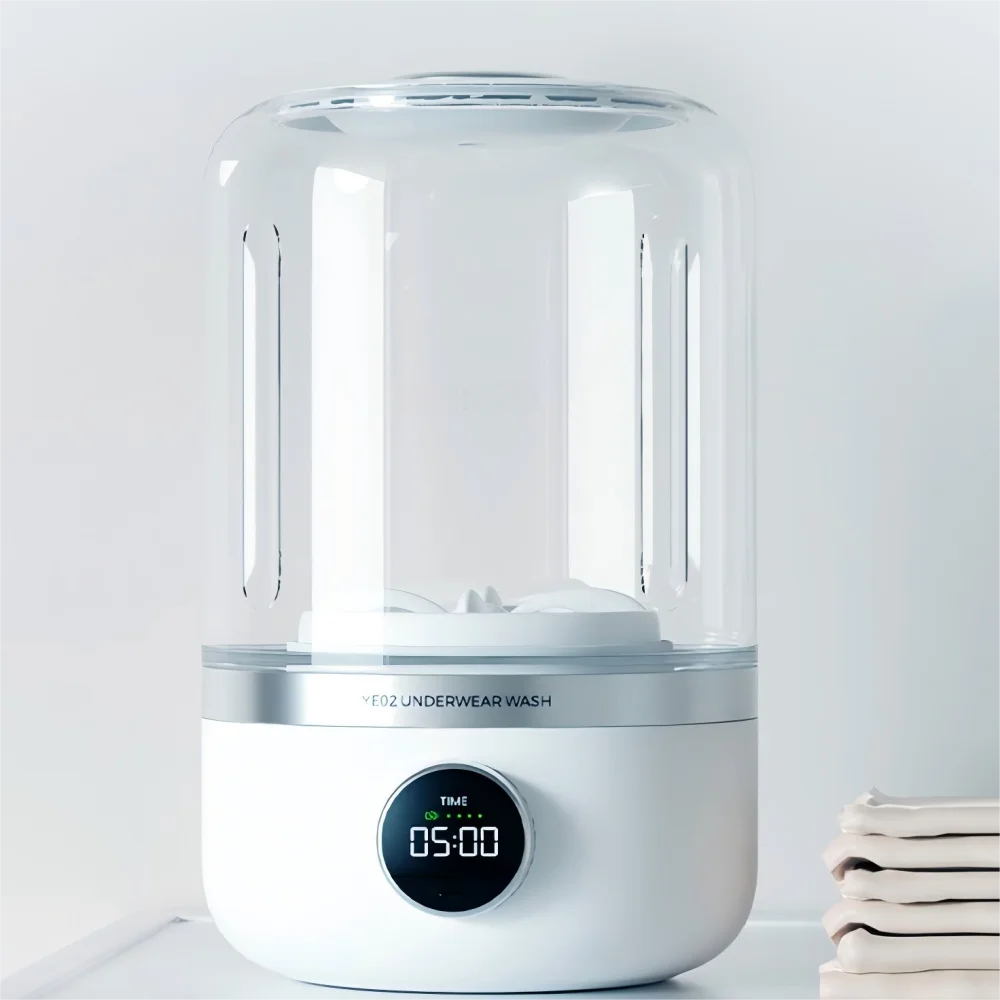
compact washer, small portable washer for apartment — See it in action.
Portable washing machine FAQs
-
How does a portable washing machine work?
A portable washing machine uses water, detergent, and mechanical agitation or drum movement to clean clothes. Depending on the design, it may wash and spin in one tub or use separate wash and spin compartments. Smaller capacities make portable washers especially useful for small loads and limited living spaces.
-
How do you use a portable washing machine for the first time?
Place the washer on a stable, level surface, connect the water and drain hoses if required, check the power connection, and run a test cycle according to the manufacturer's instructions. For the first clothing load, use a small compatible load, the recommended detergent amount, and an appropriate cycle.
-
Can a portable washer clean clothes as well as a regular washer?
A portable washer can clean everyday small loads effectively when it is loaded correctly and operated according to its capacity and instructions. However, it is not intended to replace the capacity and features of every full-size washer, particularly for bulky bedding, large family loads, or heavily soiled items beyond its rated capacity.
-
How much detergent should you use in a portable washing machine?
Use the amount specified by the washer and detergent manufacturer for the load size. A small portable washer generally needs less detergent than a full-size machine, but there is no universal amount because detergent concentration, water level, and washer design vary. Too much detergent can cause excess suds and residue.
-
How do you drain a portable washing machine?
Use the machine's drain function or position the drain hose as specified by the manufacturer. Keep the hose secure, free of kinks, and directed toward an appropriate drain that can handle the wastewater. Watch the first few drainage cycles to make sure water does not back up or overflow.
-
Why is my portable washer not spinning or draining?
Common causes include an overloaded or unbalanced load, a blocked or kinked drain hose, an improperly positioned drain hose, a clogged filter, or a lid or door that is not properly closed. Turn the machine off and check these basic issues before following the manufacturer's troubleshooting procedure.
-
Can you use a portable washing machine in an apartment?
Yes. A portable washer can be practical in an apartment when the building permits its use and the machine has a suitable water supply, drainage location, electrical connection, and stable operating surface. Always check your lease, building rules, and the washer manufacturer's installation requirements.
If you're comparing laundry routines for compact homes, start with the machine's operating requirements rather than capacity alone. A good setup should provide a stable location, safe water and drainage connections, enough room for clothes to move freely, and a simple way to dry finished loads. For related guidance, explore Wash Delicate Clothes: Step-by-Step Guide for Perfect Results for fabric-care techniques and the related small-space laundry resources below.
Pillar Article: Wash Delicate Clothes: Step-by-Step Guide for Perfect Results
Other Related Articles:
- Small Portable Laundry Machine: Easy Tricks for Tiny Spaces
- Travel Washer Machine Guide: Clean Clothes Anywhere, Anytime
- Portable Mini Washing Machines: Tips for Easy Small Load Washing
Explore More:
- Washing Delicates in Washing Machine: Best Small Washers to Try
- Mini Washer Portable Buying Guide: Top Picks for Efficient Laundry
Quick portable washer troubleshooting checklist
- Water leaking: Stop the machine and inspect the inlet and drain connections before continuing.
- Washer vibrates: Level the unit and redistribute the load.
- Clothes remain soapy: Reduce detergent and use an additional rinse when appropriate.
- Washer does not drain: Check the drain hose, filter, and receiving drain for blockage or incorrect positioning.
- Washer does not spin: Check load balance, capacity, and lid or door closure.
- Musty smell: Empty and clean the machine according to manufacturer guidance, then leave the lid or door open to dry.





