

Best Educational Toys for Preschoolers: Smart Picks
Best Educational Preschool Toys (2026): Top Picks by Skill and Age
⏱ 8 min read — Finding the best educational preschool toys means choosing options that do more than entertain. The right toys for children ages 3–5 encourage creativity, problem-solving, communication, independence, and early academic skills through meaningful play. This expert guide reviews the best preschool toys by learning category, explains what makes a toy developmentally valuable, and helps parents choose options that support real growth.
Which educational toy helps your preschooler learn, explore, and build confidence through play? Keep reading to discover the options worth choosing in 2026.
Discover learning toys designed to support creativity, confidence, and early childhood development
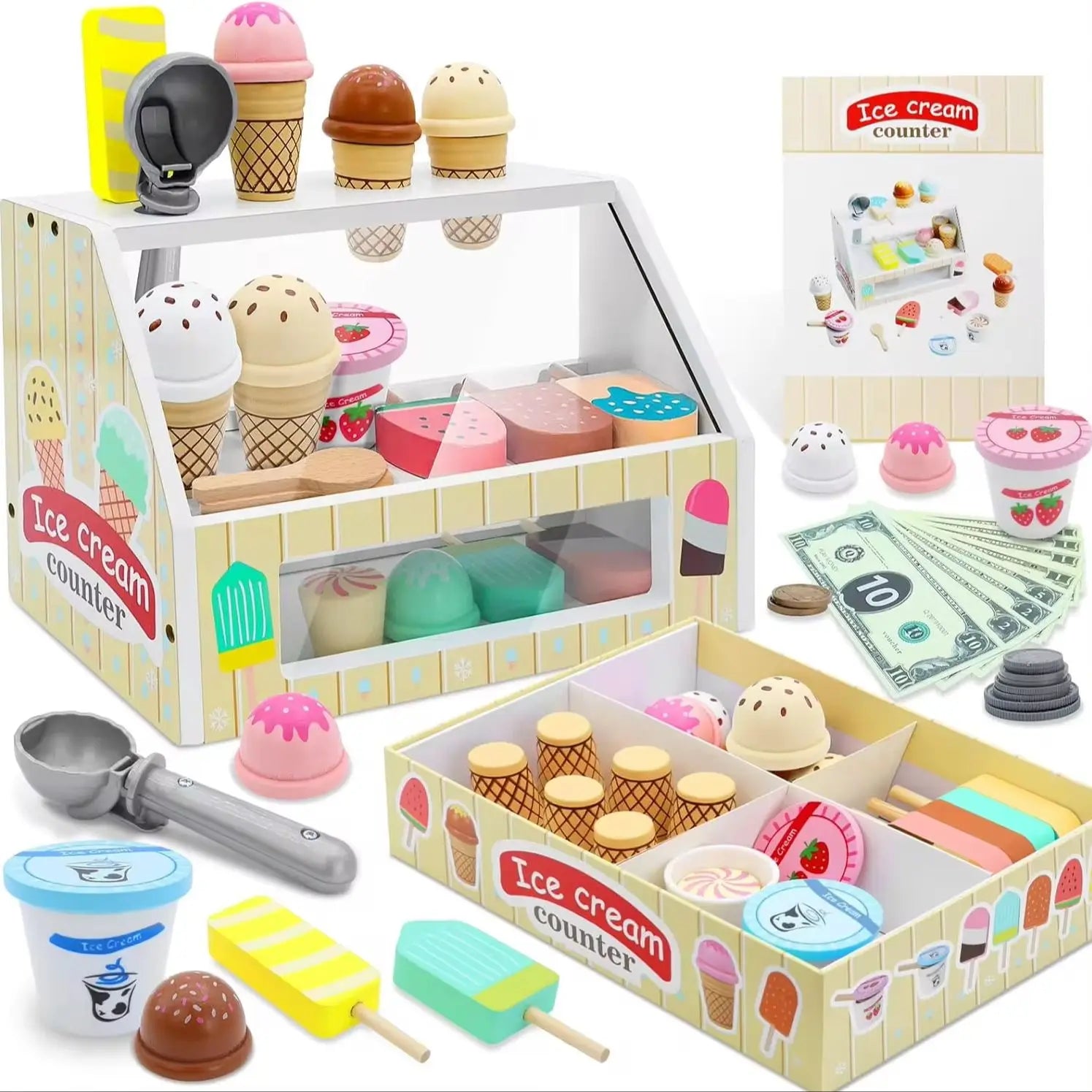
Best educational preschool toys that inspire creativity and learning See it in action
Why Educational Toys Matter for Preschool Development
The preschool years are a critical stage for building the skills children need before kindergarten and beyond. The best educational toys for preschoolers support multiple areas of development by encouraging active exploration instead of passive entertainment.
Unlike toys that only provide flashing lights or repetitive sounds, high-quality preschool development toys help children practice real-world skills through hands-on experiences.
- Cognitive development: Puzzles, building toys, and problem-solving games strengthen memory, reasoning, and decision-making.
- Language and literacy: Pretend play, storytelling toys, and interactive activities encourage vocabulary growth and communication.
- Motor skills: Manipulating blocks, sensory materials, and creative tools improves hand-eye coordination and fine motor control.
- Social-emotional learning: Role-play toys teach cooperation, empathy, confidence, and emotional expression.
Parents searching for recommended educational toys for preschoolers often find that simple, open-ended toys create deeper learning opportunities than highly structured electronic products.
Explore more early learning ideas through Baby Growth & Learning and Sensory Toys .
How We Chose the Best Educational Toys for Preschoolers
To identify the best preschool educational toys, we focused on factors that influence long-term learning value, engagement, and safety. A great educational toy should encourage children to think, create, and interact independently.
Educational Value
The strongest learning toys for preschoolers support more than one skill. We prioritized toys that combine creativity, problem-solving, communication, math concepts, or motor development.
Age Appropriateness
The best preschool toys match children's developmental abilities. Toys for ages 3–5 should provide enough challenge to encourage growth without creating frustration.
Safety and Durability
Preschool toys should use child-friendly materials, sturdy construction, and designs that can handle repeated daily play.
Independent Play Potential
Toys with open-ended possibilities allow children to explore ideas, create stories, and play independently instead of following only one fixed outcome.
Best Educational Toys for Preschoolers by Learning Category
Best STEM Toys
STEM toys introduce early science, technology, engineering, and math concepts through building, experimenting, and problem-solving.
- Best for: Curious children who enjoy creating and testing ideas
- Skills developed: Logic, spatial awareness, engineering thinking
- Examples: Building sets, construction toys, simple science kits
Best Literacy Toys
Literacy-focused toys help preschoolers develop vocabulary, storytelling skills, and early reading confidence.
- Best for: Children preparing for kindergarten
- Skills developed: Communication, language recognition, imagination
- Examples: Story cards, alphabet games, interactive books
Best Math Toys
Math toys make numbers and patterns easier to understand by turning abstract concepts into hands-on activities.
- Best for: Learning counting and early problem-solving
- Skills developed: Number recognition, sorting, measurement
Best Creative Toys
Creative toys encourage children to express ideas through art, design, and imagination.
- Best for: Developing confidence and creativity
- Skills developed: Fine motor skills, self-expression, concentration
Best Pretend Play Toys
Pretend play toys are among the most valuable educational toys for preschoolers because they allow children to practice communication and social skills.
The Ice Cream Counter Playset is a strong example of a role-play toy that combines fun with learning.
- Encourages imaginative storytelling and social interaction
- Helps children practice counting, colors, and communication
- Builds confidence through real-life role-playing scenarios
Best Puzzles and Logic Toys
Puzzles help preschoolers develop patience, concentration, memory, and problem-solving skills.
Best Sensory Toys
Sensory toys support exploration through touch, movement, and hands-on discovery. They are especially useful for children who learn best through physical interaction.
Explore additional options in Sensory Toys and Mobility & Training .
Best Montessori-Inspired Toys
Montessori-inspired toys focus on independence, practical skills, and child-led learning. They often feature simple designs that encourage concentration and creativity.
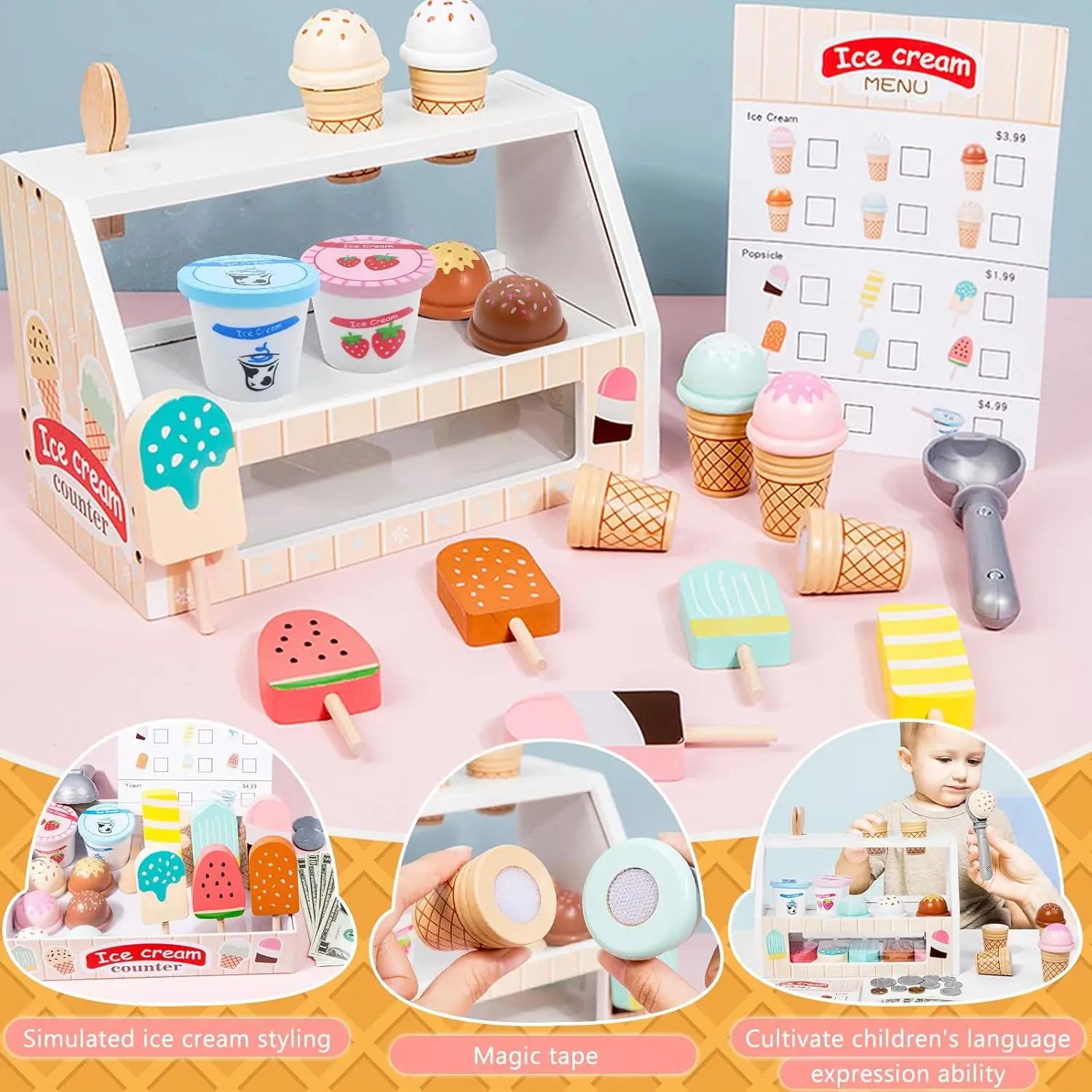
Best educational toys for imaginative play 2026 See it in action
Quick Comparison Table
| Toy Type | Recommended Age | Primary Skill | Independent Play | Best For |
|---|---|---|---|---|
| Ice Cream Counter Playset | 3–5 years | Communication, creativity, social skills | High | Pretend play and imaginative learning |
| Building Blocks | 3+ years | STEM, problem-solving, motor skills | High | Creative construction |
| Sensory Activity Boards | 2–5 years | Exploration and fine motor skills | Medium | Hands-on sensory learning |
| Puzzles | 3–5 years | Logic and concentration | Medium | Early problem-solving |
How to Choose the Right Educational Toy
Choosing the best toys for preschool requires looking beyond appearance or popularity. The ideal toy matches your child's interests, developmental stage, and learning goals.
Choose by Age
For children ages 3–5, select toys that challenge emerging skills while remaining enjoyable. Avoid toys that are too advanced or too simple.
Choose by Developmental Goal
Consider what skill you want to support:
- Language growth → storytelling and pretend play toys
- Problem-solving → puzzles and STEM toys
- Motor development → building and sensory toys
- Creativity → art and open-ended play materials
Choose by Interests
Children learn best when they are genuinely interested. A toy that matches your child's favorite activities is more likely to encourage longer engagement.
Safety Checklist
- Choose durable, non-toxic materials
- Avoid small parts for children who still put objects in their mouths
- Check age recommendations
- Select toys that are easy to clean and maintain
For additional safety guidance, explore Health & Safety and Baby Care Essentials .
Educational Toys for Home vs Preschool Classroom
The best preschool classroom toys and home learning toys may overlap, but they serve different purposes.
- Home learning: Parents often prefer versatile toys that support independent play and family interaction.
- Group play: Classrooms benefit from durable toys that encourage cooperation and sharing.
- Teacher recommendations: Educators often choose toys that build multiple skills at once.
- Classroom durability: Strong materials and easy organization are essential for repeated use.
Whether used at home or school, the most valuable educational toys encourage children to explore, communicate, and create.
Frequently Asked Questions
What are the best educational toys for preschoolers?
The best educational toys for preschoolers encourage creativity, problem-solving, communication, and hands-on learning. Popular choices include pretend play sets, building toys, puzzles, STEM activities, and sensory toys.
What are the best learning toys for preschoolers?
The best learning toys for preschoolers are those that combine fun with skill development. Look for toys that encourage children to think, experiment, create, and interact.
Which toys help with speech and language development?
Pretend play sets, storytelling toys, role-play activities, and interactive books can support vocabulary development and communication skills.
What are the best preschool classroom toys?
The best preschool classroom toys are durable, easy to share, and support group learning. Building sets, puzzles, pretend play toys, and creative activities are common choices.
How do I choose toys based on my child's developmental stage?
Choose toys that match your child's current abilities while offering opportunities to practice new skills. Consider age, interests, attention span, and learning goals.
Are wooden toys better than plastic educational toys?
Not always. Wooden toys are often durable and simple, but high-quality plastic educational toys can also provide excellent learning value when they are safe and thoughtfully designed.
What toys best prepare preschoolers for kindergarten?
Toys that build language, early math skills, problem-solving, independence, and social interaction help children transition successfully into kindergarten.
How many educational toys should a preschooler have?
Children do not need a large number of toys. A smaller collection of high-quality educational toys often provides more meaningful play opportunities than an overcrowded toy area.
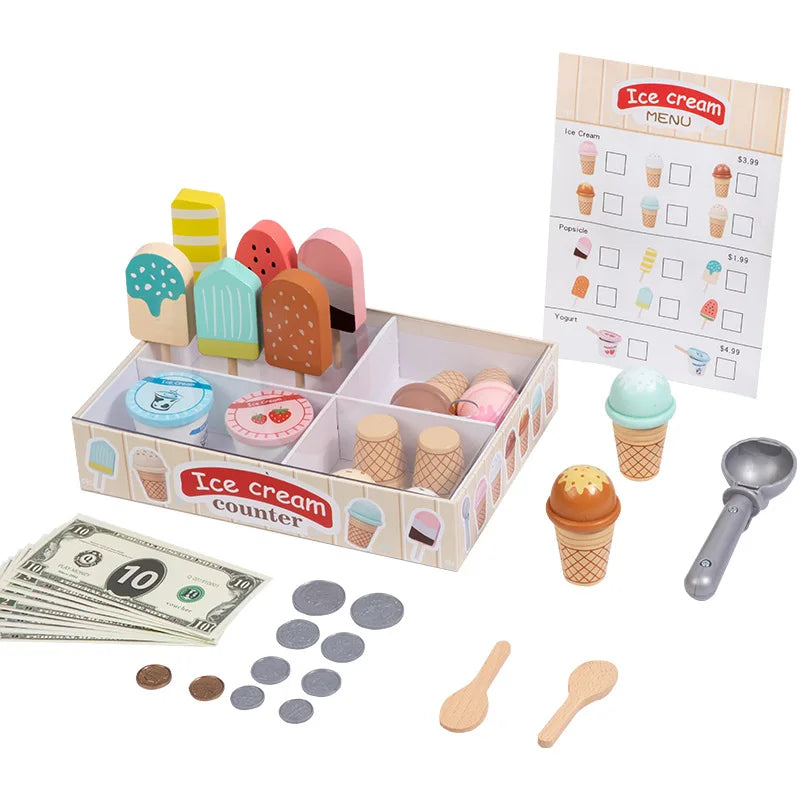
Safe toys for toddlers with learning benefits See it in action
Get yours now — limited stock! Shop the Ice Cream Counter Playset
Pillar Article: Best Pretend Play Toys Review: Are They Worth Buying
Other Related Articles:
Explore More:





