

Educational Toy for 2 Year Old: 21 Picks That Build Real Skills
Do educational toys for 2 year olds really work?
Yes— educational toys for 2 year olds can make a meaningful difference when they encourage active exploration instead of passive entertainment. At this age, toddlers learn best by touching, stacking, sorting, pretending, talking, and repeating everyday activities. A well-designed educational toy for 2 year old children supports these experiences while helping build language, fine motor coordination, problem-solving, creativity, and early social skills.
That said, no toy can replace responsive interaction with parents or caregivers. Research on early childhood development consistently shows that conversation, shared play, and hands-on experiences have a greater impact than toys alone. The best educational toys simply provide opportunities for children to practice important developmental skills through enjoyable play.
When choosing toys, focus on products that:
- Encourage open-ended exploration instead of one fixed activity
- Match your child's developmental stage rather than just their age
- Promote communication, imagination, and problem-solving
- Use durable, child-safe materials suitable for everyday play
- Invite parents and caregivers to join the learning experience
Educational Toys for 2 Year Olds: Which Ones Work Best
Choosing the right educational toys for 2 year olds can feel overwhelming. Store shelves are filled with products claiming to boost intelligence, language, or creativity, yet many offer little beyond short-term entertainment. This guide explains what makes a toy genuinely educational, how to identify toys that provide lasting developmental value, and how to select safe options that support learning through play. You'll also discover practical ways to turn everyday playtime into meaningful learning opportunities.
⏱ 8 min read
Every parent has stood in the toy aisle—or scrolled through countless online listings—wondering:
"Will this toy actually help my child learn, or is it simply another noisy distraction?"
It's an important question because toddlers develop rapidly between ages two and three. The right toys can encourage communication, confidence, curiosity, and independent thinking, while poorly designed toys may hold a child's attention without challenging them to learn.
The most effective educational toys don't teach by doing everything for your child—they encourage your child to discover, experiment, and solve problems independently.
In this guide, you'll learn which toy categories support specific developmental skills, what features matter most when shopping, and how simple parent-child interaction can maximize every toy's learning potential.
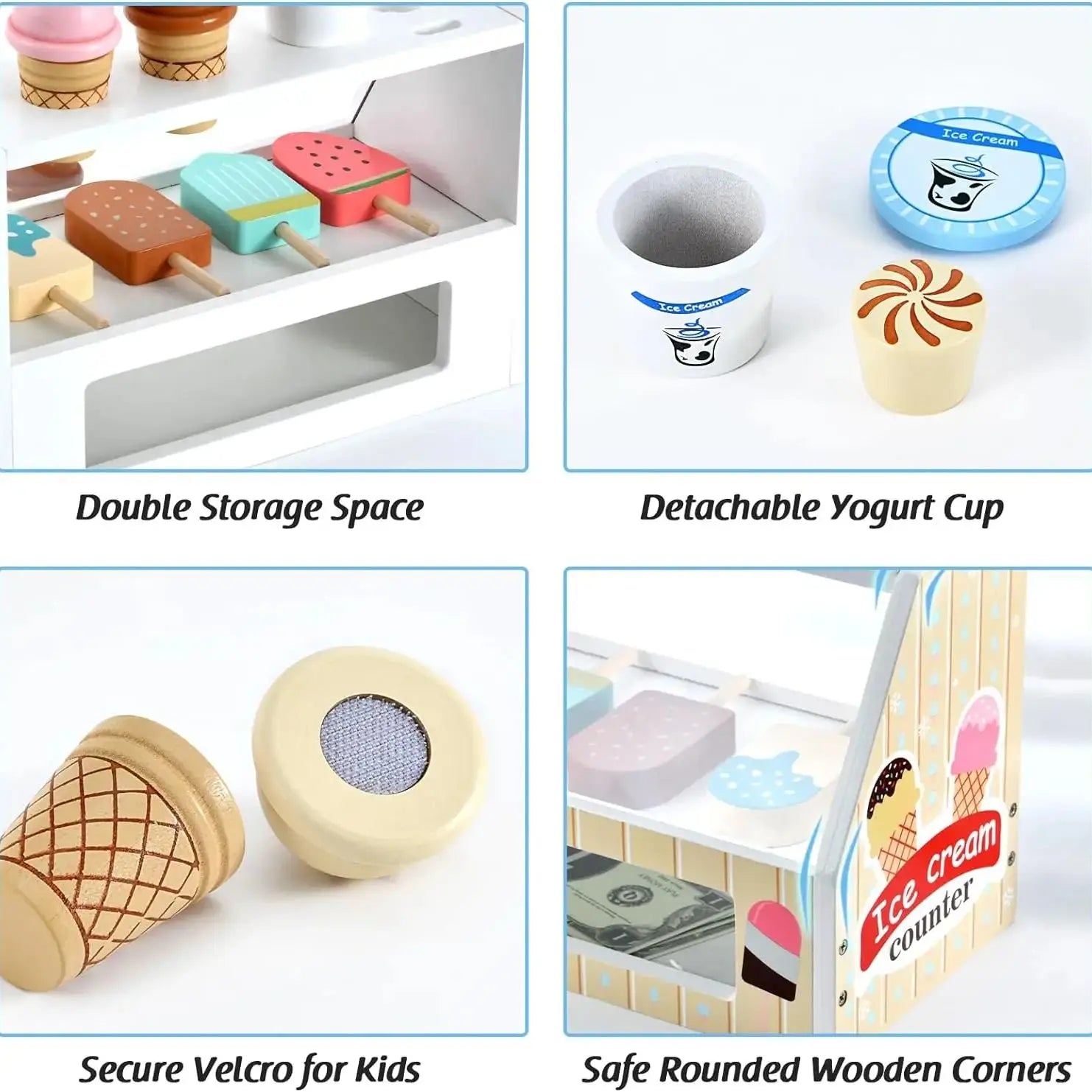
Choosing educational toys for 2 year olds that truly build skills. See it in action.
What Makes a Toy Truly Educational?
Educational toys for 2 year olds are most effective when they require children to actively think, explore, and interact instead of simply watching lights flash or pressing buttons. The goal isn't to accelerate development unnaturally—it's to provide age-appropriate opportunities to practice important skills through enjoyable play.
Look for toys that encourage multiple areas of development, including:
- Problem-solving: Stacking blocks, shape sorters, matching games, and simple construction activities.
- Language development: Naming objects, storytelling, pretend conversations, and following simple instructions.
- Fine motor skills: Grasping, fitting pieces together, turning knobs, pouring, and manipulating objects.
- Imaginative play: Role-playing everyday situations, caring for dolls, serving pretend food, or creating simple stories.
Rather than asking whether a toy is labeled "educational," consider whether it encourages your child to stay curious, experiment, and discover new ways to play. Those qualities often provide greater developmental value than electronic features alone.
Many parents now explore curated collections like Baby Growth & Learning to find toys designed around these evidence-based learning principles.
Best Educational Toys for 2 Year Olds by Learning Goal
1. Best Sensory Toys
Sensory toys help toddlers learn by exploring different textures, sounds, colors, and movements. These experiences strengthen neural connections while supporting attention, self-regulation, and curiosity.
- Encourage exploration through touch, sound, and movement
- Support focus and emotional regulation during play
- Develop early cognitive skills through hands-on discovery
- Help children describe textures, colors, and sensations to expand vocabulary
Examples include sensory bins, textured balls, water play accessories, kinetic sand, and simple musical instruments. Explore options in Sensory Toys for hands-on learning experiences.
2. Best Pretend Play Toys
Pretend play strengthens language development, creativity, and social-emotional skills by allowing toddlers to imitate everyday experiences. Children learn to communicate, cooperate, and solve simple problems while acting out familiar routines.
- Build storytelling and conversational language
- Encourage empathy through role-playing
- Teach everyday routines like shopping, cooking, or serving food
- Support counting, sorting, and early math concepts during imaginative play
One standout example is the ice cream counter playset for kids , which encourages counting scoops, recognizing colors, taking turns, and practicing polite conversations while serving pretend customers.
3. Best Building & STEM Toys
Construction toys introduce early STEM concepts by helping toddlers experiment with balance, shapes, patterns, and simple engineering ideas through trial and error.
- Develop spatial awareness and visual reasoning
- Strengthen fine motor coordination and hand control
- Encourage persistence when solving simple challenges
- Promote independent exploration with open-ended play
Large wooden blocks, magnetic construction sets designed for toddlers, and oversized stacking toys are excellent choices because they can be used in many different ways as your child grows.
4. Best Puzzles & Fine Motor Toys
Simple puzzles and sorting activities improve hand-eye coordination while teaching toddlers to recognize shapes, colors, and patterns.
- Shape sorters and matching games
- Large-piece wooden puzzles
- Stacking rings and nesting cups
- Lacing and peg toys designed for toddlers
Choose puzzles with large, easy-to-grasp pieces that encourage success without causing frustration.
5. Best Art & Creativity Toys
Creative activities help children express themselves while strengthening the muscles needed for later writing and drawing.
- Washable crayons and markers
- Finger paints and coloring materials
- Modeling dough and clay
- Reusable drawing boards
Open-ended art supplies allow toddlers to experiment freely without worrying about creating a "correct" result.
6. Best Electronic Learning Toys for 2 Year Olds
Electronic learning toys can introduce songs, letters, numbers, and simple cause-and-effect concepts, but they work best when used in moderation alongside hands-on play.
- Choose toys that encourage interaction instead of passive watching
- Look for adjustable volume and age-appropriate content
- Limit screen-based experiences in favor of active play
- Use electronic toys as one part of a balanced toy collection
The best electronic learning toys for 2 year olds invite children to respond, repeat words, solve simple tasks, or move their bodies rather than simply pressing buttons repeatedly.
7. Best Montessori-Inspired Toys
Montessori-inspired toys emphasize independence, concentration, and real-world learning through simple, purposeful activities.
- Encourage self-directed exploration
- Feature natural materials whenever possible
- Focus on one learning objective at a time
- Support long periods of independent play
Stacking towers, practical life tools, wooden sorting trays, and object permanence boxes are popular Montessori-inspired options for two-year-olds.
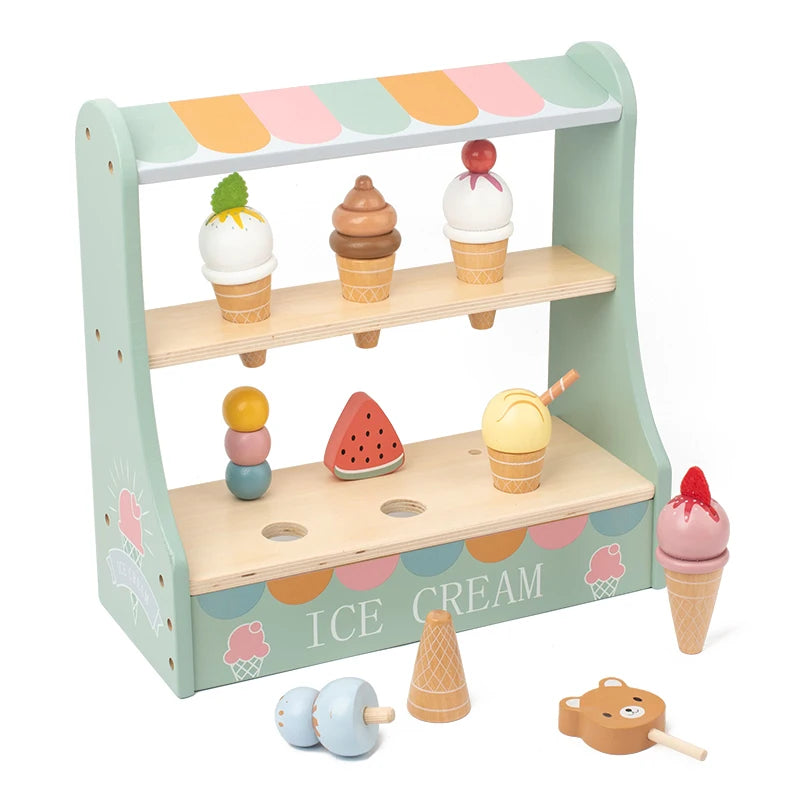
Interactive learning activities for preschoolers at home using everyday toys. See it in action.
Side-by-Side Comparison of the Best Educational Toys
| Toy Type | Learning Focus | Recommended Age | Common Materials | Price Tier | Best Setting |
|---|---|---|---|---|---|
| Sensory Toys | Sensory processing, focus, exploration | 2+ | Silicone, fabric, wood, plastic | $–$$ | Indoor & outdoor |
| Pretend Play Sets | Language, creativity, social skills | 2+ | Wood or durable plastic | $$–$$$ | Mainly indoor |
| Building & STEM Toys | Problem-solving, spatial reasoning | 2+ | Wood, foam, plastic | $$ | Indoor |
| Puzzles & Fine Motor Toys | Hand-eye coordination, matching | 2+ | Wood or thick cardboard | $–$$ | Indoor |
| Art & Creativity Toys | Creativity, fine motor development | 2+ | Washable art materials | $–$$ | Indoor or supervised outdoor |
| Electronic Learning Toys | Letters, music, simple interactions | 2+ | Plastic with electronic components | $$–$$$ | Indoor |
Toys to Avoid When Choosing Educational Toys
Not every toy marketed as "educational" provides meaningful learning opportunities. The most valuable toys encourage children to participate actively, experiment, and think independently rather than simply pressing buttons or watching lights flash.
- ❌ Highly electronic toys that perform every action for the child with little opportunity for problem-solving.
- ❌ Toys with only one repetitive function and no room for imaginative or open-ended play.
- ❌ Products that rely almost entirely on flashing lights, loud sounds, or passive entertainment.
- ❌ Toys made with poor-quality materials, sharp edges, loose components, or questionable safety standards.
- ❌ Toys that are significantly above your child's developmental level and may cause unnecessary frustration.
That doesn't mean electronic toys should be avoided completely. Instead, balance them with building toys, pretend play sets, puzzles, sensory activities, and creative play materials that encourage children to make decisions and solve simple challenges on their own.
Parents concerned about toy safety often explore Health & Safety to learn more about age recommendations, product quality, and safe play practices.
How to Choose Safe Educational Toys for a 2-Year-Old
When comparing educational toys for 2 year olds, focus on developmental value, safety, durability, and long-term play potential rather than the number of features. A toy that grows with your child usually offers better value than one that holds attention for only a few days.
Safety Checklist
- Choose age-appropriate toys. Follow the manufacturer's recommended age range and avoid products with small removable parts that may create choking hazards.
- Look for quality materials. Durable wood, food-grade silicone, and BPA-free plastics generally withstand everyday toddler play better than thin, brittle plastics.
- Inspect the construction. Check that paint, finishes, fasteners, wheels, and accessories are securely attached and free from sharp edges.
- Select open-ended toys. Toys with multiple ways to play remain engaging longer and support different stages of development.
Wood vs. Plastic Toys
Both materials can be excellent choices when manufactured safely.
- Wooden toys are often durable, simple, and encourage imaginative play without unnecessary distractions.
- Plastic toys are typically lighter, easier to clean, and may include interactive features that support specific learning activities.
Rather than choosing one material exclusively, prioritize high-quality construction, non-toxic finishes, and products designed for toddlers.
Screen-Free vs. Electronic Learning Toys
Screen-free toys generally encourage more active exploration, conversation, and creativity. Electronic learning toys can still be useful when they require children to respond, sing, count, solve simple problems, or move instead of passively watching or listening.
A balanced toy collection usually includes mostly hands-on toys, with electronic options used occasionally to add variety.
Budget vs. Premium Toys
Higher prices do not automatically mean better educational value. Before purchasing, ask yourself:
- Can my child use this toy in multiple ways?
- Will it remain engaging for several months?
- Does it encourage interaction rather than passive entertainment?
- Is it built well enough to last through frequent play?
If the answer is yes, the toy is more likely to provide lasting value regardless of its price.
For everyday parenting routines, collections like :contentReference[oaicite:0]{index=0} can complement playtime with practical tools that support your child's daily development.
How Parents Can Make Learning Toys More Effective
The value of an educational toy depends as much on how it's used as on the toy itself. Even simple blocks, pretend play sets, or puzzles become richer learning experiences when adults participate, ask questions, and encourage children to explore at their own pace.
These strategies help children get more from any educational toy for 2 year old learners:
- Play together. Follow your child's interests, model new ideas, and encourage back-and-forth conversation instead of directing every activity.
- Ask open-ended questions. Try prompts such as "What do you think happens next?", "Can you find another way to build it?", or "Which one is bigger?" to develop reasoning and language.
- Build vocabulary naturally. Name colors, shapes, numbers, animals, foods, and everyday objects while playing together.
- Practice counting and sorting. Group objects by color, size, or shape to introduce early math concepts during play.
- Rotate toys regularly. Offering fewer toys at one time often helps toddlers stay engaged longer and rediscover forgotten favorites.
- Connect play with daily routines. Reinforce learning while cooking, shopping, cleaning, or getting dressed by using the same vocabulary and concepts introduced during play.
For example, using the ice cream counter playset for kids , you can create a variety of age-appropriate learning activities:
- Count scoops to introduce early number recognition.
- Sort flavors or colors to practice categorization.
- Take turns serving customers to encourage patience and sharing.
- Role-play conversations to strengthen vocabulary and communication skills.
- Create simple pretend shopping games using play money to introduce early math concepts.
Short, enjoyable play sessions are usually more effective than trying to keep toddlers focused for long periods. Aim for consistent opportunities to explore, communicate, and solve simple challenges throughout the day.
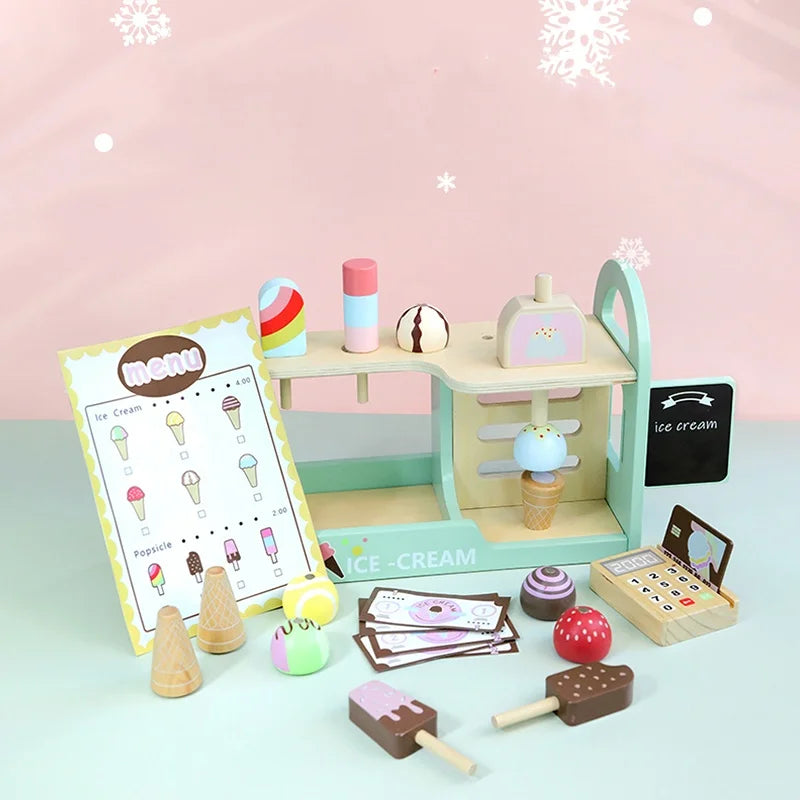
Safe toys for toddlers with learning benefits encourage active play, imagination, and parent-child interaction. See it in action.
Final Buying Guide: Choosing the Best Educational Toy for Your 2-Year-Old
The best educational toys for 2 year olds encourage children to explore, communicate, solve problems, and use their imagination. Rather than chasing the newest trend or the most expensive product, focus on toys that match your child's interests, developmental stage, and preferred style of play.
A balanced toy collection often includes several categories instead of relying on just one type of toy. For example:
- Sensory toys for exploration and self-regulation.
- Pretend play sets for language, creativity, and social development.
- Building toys for problem-solving and early STEM skills.
- Puzzles and sorting toys for fine motor coordination.
- Art supplies that encourage creativity and self-expression.
If you're buying a gift, choose toys that offer open-ended play and can grow with the child over time. These toys tend to stay interesting longer and provide better long-term value than products with only a single activity.
A practical starting point is the ice cream counter playset for kids , which combines imaginative play with opportunities to practice counting, communication, sharing, and early social skills.
Frequently Asked Questions
What are the best educational toys for 2 year olds?
The best educational toys for 2 year olds encourage active participation rather than passive entertainment. Building blocks, pretend play sets, simple puzzles, sensory toys, art materials, and open-ended construction toys all help develop language, motor skills, creativity, and problem-solving.
What types of learning toys are ideal for toddlers around two years old?
Look for toys that match common developmental milestones, including stacking toys, sorting games, pretend kitchens, role-play sets, shape sorters, musical instruments, and simple building toys. Open-ended toys generally remain useful longer because children can play with them in different ways.
What are good learning toys for a 2 year old?
Good learning toys encourage toddlers to think, communicate, create, and experiment. Pretend play sets, sensory activities, puzzles, building blocks, and washable art supplies all support healthy development while keeping play enjoyable.
Are electronic learning toys good for 2-year-olds?
Electronic learning toys can introduce letters, numbers, songs, and simple problem-solving activities, but they should complement—not replace—hands-on play. The best electronic learning toys for 2 year olds encourage interaction rather than passive button pressing or screen time.
Are Montessori toys better than electronic toys?
Neither category is automatically better. Montessori-inspired toys usually emphasize independent exploration and open-ended learning, while electronic toys can reinforce specific concepts. A balanced selection that prioritizes active engagement is often the most effective approach.
What toys help speech development?
Pretend play toys, dolls, toy kitchens, play food, books, puppets, and role-playing sets encourage conversation and storytelling. Playing together and asking open-ended questions has an even greater impact on language development than the toy itself.
How many educational toys does a 2-year-old need?
Most toddlers benefit more from a small collection of high-quality toys than a large number of options. Rotating toys every few weeks helps maintain interest while reducing overstimulation.
What safety features should parents look for?
Choose age-appropriate toys made from durable, non-toxic materials with smooth edges and securely attached parts. Avoid toys with small detachable pieces that could create choking hazards, and inspect toys regularly for signs of damage.
Pillar Article: Best Educational Toy Compared: Top Picks Worth It
Other Related Articles:
- Early Childhood Development Toys: What Actually Helps
- Ice Cream Play Sets Compared: Which One Is Worth Buying
- Pretend Play for 4 Year Olds: Best Options Ranked
- Top Pretend Play Toys Compared: Which Sparks Creativity
Explore More:


